| Getting your Trinity Audio player ready... |
2025/12/14 at 10:16 am
Jason Cirillo
Foundation crack repair
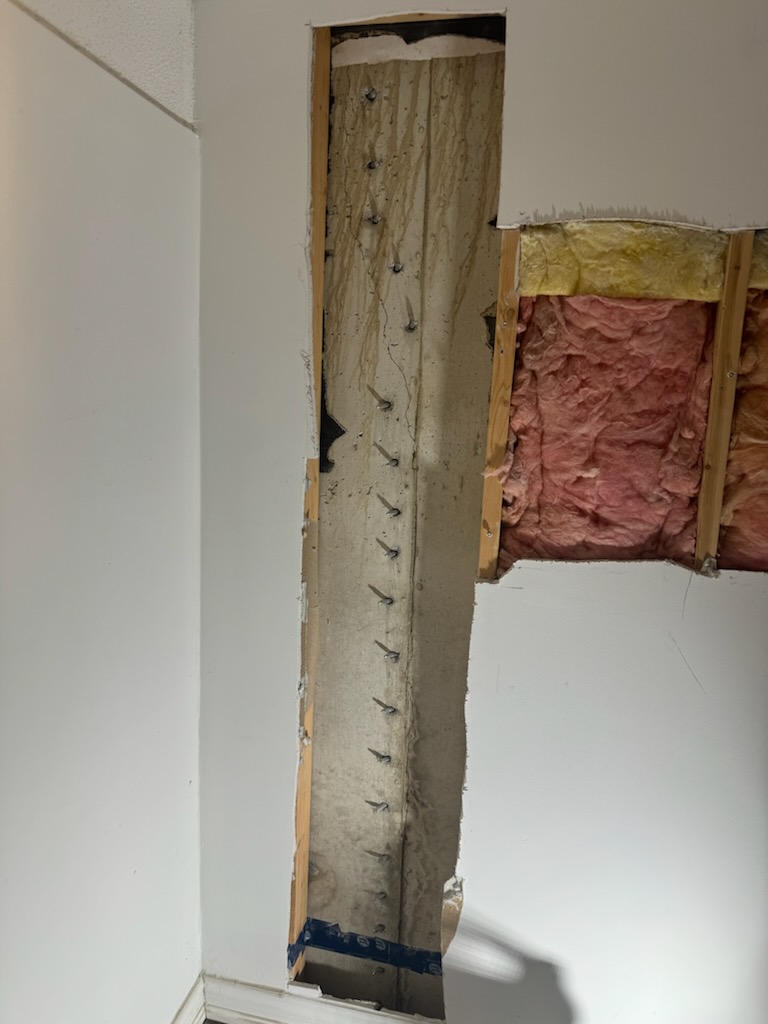
involves sealing or stabilizing cracks in foundation walls to prevent water intrusion, basement leaks, and long-term structural damage. Common foundation crack repair methods include epoxy injection, polyurethane crack injection, exterior sealing, and structural reinforcement. The correct repair depends on the crack type, location, and whether the crack is actively leaking.
Introduction
Foundation cracks are one of the most common issues homeowners encounter in basements. While some cracks are minor, others allow water infiltration, contribute to ongoing basement moisture problems, and can worsen over time if not properly repaired.
For professional foundation crack repair, Dryshield provides proven solutions designed to stop leaks and protect your foundation long term.
Each crack is evaluated based on its cause, severity, and impact on the foundation to ensure the repair method addresses the root problem—not just the visible symptom.
What Causes Foundation Cracks?
Foundation cracks form when stress exceeds what concrete or masonry can withstand. Common causes include:
- Hydrostatic pressure from groundwater pushing against foundation walls
- Soil settlement or shifting, especially in clay-heavy soils
- Freeze–thaw cycles that expand existing weaknesses
- Concrete shrinkage during curing
- Poor exterior drainage or grading
- Tree roots or nearby excavation activity
Understanding why a foundation crack formed is essential before choosing the correct repair approach.
Types of Foundation Cracks
Different crack types require different foundation crack repair solutions.
Vertical Foundation Cracks
Vertical cracks are common in poured concrete foundations and often result from shrinkage or minor settlement. While they may not always be structural, vertical cracks frequently allow water seepage and should be sealed to prevent basement leaks.
Horizontal Foundation Cracks
Horizontal cracks are more serious and may indicate excessive soil pressure against the foundation wall. These cracks often require structural reinforcement in addition to waterproofing.
Stair-Step Cracks
Stair-step cracks typically occur in block foundations and follow mortar joints. They can allow water infiltration and may signal foundation movement.
Hairline Foundation Cracks
Hairline cracks may appear harmless but can widen over time. Early foundation crack repair helps prevent future moisture problems and damage.
Foundation Crack Repair Methods
The appropriate foundation crack repair method depends on whether the crack is active, leaking, or structural.
Epoxy and Polyurethane Crack Injection
Crack injection is one of the most effective solutions for repairing leaking foundation cracks.
- Epoxy injection restores structural strength
- Polyurethane injection remains flexible and seals active water leaks
Depending on the crack type and severity, professional foundation crack repair may involve epoxy or polyurethane injection, exterior sealing, or structural reinforcement.
Exterior Foundation Sealing
In cases of recurring or severe water penetration, exterior sealing may be required. This involves accessing the foundation wall from the outside and applying waterproof membranes to prevent water from reaching the crack.
Structural Reinforcement
Horizontal cracks or cracks associated with wall movement may require carbon fiber straps or steel reinforcement to stabilize the foundation.
When cracks are linked to movement or stress, broader concrete crack repair may be necessary to ensure long-term stability.
Signs You Need Foundation Crack Repair
Homeowners should consider professional inspection if they notice:
- Water leaking through foundation cracks
- Damp or musty basement conditions
- White powder residue (efflorescence) on foundation walls
- Cracks widening or changing shape
- Uneven floors or visible wall movement
Ignoring foundation cracks can lead to ongoing water damage and more extensive repairs.
Foundation Crack Repair vs. Basement Waterproofing
Foundation crack repair focuses on sealing specific points of water entry, while basement waterproofing addresses overall water management around the foundation.
In many cases:
- Crack repair stops direct leaks
- Waterproofing systems manage groundwater pressure
If foundation cracks are allowing groundwater into the basement, a complete basement waterproofing solution may be recommended alongside crack repair.
How Much Does Foundation Crack Repair Cost?
The cost of foundation crack repair varies based on:
- Crack length and width
- Whether the crack is actively leaking
- Interior versus exterior access
- Structural reinforcement requirements
Addressing cracks early is typically far more cost-effective than repairing long-term water damage or structural deterioration.
Why Professional Foundation Crack Repair Matters
DIY crack repair products often fail because they do not address hydrostatic pressure, movement, or water conditions behind the foundation wall. Professional foundation crack repair ensures:
- Proper crack preparation
- Correct repair materials
- Long-term waterproof performance
- Reduced risk of recurring leaks
Dryshield uses proven repair techniques designed for Canadian soil conditions and seasonal climate changes.
Foundation Crack Repair in Toronto and the GTA
Homes in Toronto and the Greater Toronto Area commonly experience foundation cracks due to clay soils, aging foundations, and seasonal moisture fluctuations. Early inspection and repair help prevent basement flooding and long-term damage.
Dryshield provides professional foundation crack repair services throughout Toronto and surrounding areas, with solutions tailored to local conditions.
When to Schedule a Foundation Crack Inspection
If you notice foundation cracks, water seepage, or basement moisture, scheduling an inspection early can help prevent further damage and costly repairs.
Foundation Crack Repair FAQ
What is the best method for foundation crack repair?
The best method depends on the crack type and whether it is leaking. Epoxy or polyurethane crack injection is commonly used for non-structural cracks, while structural cracks may require reinforcement or exterior repair.
Can foundation cracks cause basement leaks?
Yes. Foundation cracks are one of the most common sources of basement water intrusion, especially during heavy rain or snowmelt.
Are foundation cracks always structural?
No. Many foundation cracks are non-structural, but they can still allow water entry and should be repaired to prevent future problems.
How long does foundation crack repair last?
When properly repaired using professional methods, foundation crack repairs can last for decades.
Should I repair foundation cracks from the inside or outside?
Interior crack injection is effective for many leaking cracks. Exterior repair may be recommended if water pressure or soil conditions are contributing to the problem.
When should I call a professional for foundation crack repair?
If a crack is leaking, widening, or associated with wall movement, a professional inspection is recommended.
Conclusion
Foundation crack repair is a critical part of maintaining a dry, stable basement. Whether the issue is a small vertical crack or a more serious structural concern, timely repair helps protect your foundation and prevent water damage.
If you’re dealing with leaking or widening cracks, professional foundation crack repair can help prevent long-term damage and basement water issues.