
Foundation crack injection is a non-invasive basement waterproofing method used to seal concrete cracks in foundation walls from the inside. By either epoxy injection (for structural reinforcement) or hydrophobic polyurethane injection (for flexible leak stopping) to seal foundation cracks without the need for exterior waterproofing.
- Professional and trained technicians
- Metal ports NOT plastic for adequate injection pressure
- Hygro-phobic polyurethane injection that expands 30 times its volume to stop seepage.
- Epoxy crack injections for structural purposes
- Lifetime transferable warranty

Call Us now to book a free appointment 1.800.277.5411
What Our Customers Say
Dryshield Basement Waterproofing is rated 4.9 / 5 from verified Google reviews across the GTA and Ontario.


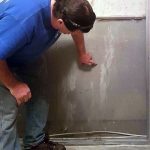
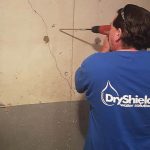
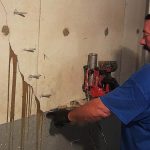
The Injection Process:
- Protect the work area
We set up protective measures so the repair is clean and controlled. - Prepare the crack and install injection ports
We prepare the crack line and install injection ports at consistent intervals so the repair can be completed properly. - Crack injection from bottom to top
We inject the crack in stages from bottom to top to ensure the full depth of the crack is sealed. - Finish and clean-up
We finish the repair area neatly and leave the workspace clean. - Warranty support
Our crack injections are backed by a lifetime transferable warranty for long-term peace of mind.
Types of Cracks:
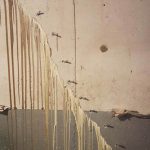
Vertical cracks
Vertical foundation wall cracks are common and may leak when water pressure increases outside the foundation. These cracks are often repaired with crack injection after an inspection confirms the leak path and crack conditions.
Horizontal cracks
Horizontal cracks may indicate higher pressure or movement in the foundation wall. These cracks require inspection to confirm whether standard crack injection is appropriate or whether epoxy crack injection is required for structural repair.
Crack Injection Cost
Crack injection cost depends on the crack length, crack location, crack direction (vertical or horizontal), wall access, and whether epoxy crack injection is required. Most residential crack injection projects are priced per crack based on standard wall conditions. For an accurate price, request a free inspection and written estimate.
Foundation Cracks typically cost between $750 – $1,500 per crack depending on many factors
Crack injection is the service Dryshield uses to permanently seal leaking foundation wall cracks from inside the basement. A properly completed crack injection stops water entry through the crack and helps prevent the same crack from leaking again.
Dryshield provides crack injection in Toronto and across the GTA for homeowners across Ontario. Every job starts with an inspection to confirm the crack type and recommend the correct repair approach, including epoxy crack injection when a structural repair is required.
At a glance
• Service: crack injection / basement crack injection
• Best for: leaking foundation wall cracks
• Typical time: usually a few hours per crack
• Warranty: lifetime transferable warranty
• Next step: book a free inspection and written estimate
Concrete Crack Injections: The best way to repair concrete cracks
Foundation wall cracks can leak during heavy rain and spring melt when outside water pressure increases around the home. Dryshield crack injection seals the full depth of the crack so water can’t travel through the wall and into the basement.
If you’re unsure whether your issue is best classified as concrete crack repair, basement crack repair, or foundation crack repair, our technician will confirm this during the inspection and recommend the correct Dryshield service.

GET IN TOUCH
Related Dryshield services
• Foundation crack repair
• Concrete crack repair
• Basement crack repair
• Epoxy crack injection
• Basement Waterproofing
Crack Injection FAQs
1. What is crack injection and how does it work? Crack injection is a method used to seal cracks in concrete from the inside. A liquid resin (usually polyurethane or epoxy) is injected under pressure into the crack, where it expands or hardens to create a watertight or structural seal.
2. When should I choose polyurethane injection over other methods? Polyurethane (PU) injection is ideal for active water leaks. It is a flexible resin that expands upon contact with moisture, making it perfect for sealing cracks that may still experience minor movement or thermal expansion.
3. Is crack injection a permanent solution? Yes, when performed by professionals, crack injections are considered a permanent solution for stopping water seepage and, in the case of epoxy, restoring structural integrity.
4. Can crack injection be used on both walls and floors? While most commonly used for vertical foundation walls, specialized injection techniques and materials can also be used to stabilize and seal cracks in concrete floor slabs.
5. How long does the injection process take? Most standard residential crack injections can be completed within 2 to 4 hours, depending on the length and accessibility of the crack.
6. Does crack injection require excavation? No. One of the primary benefits of crack injection is that it is a “non-invasive” repair performed from the interior, eliminating the need to dig up your yard or landscaping.
7. Why should I hire a professional for crack injection instead of doing it myself? Hairline cracks may seem minor, but professional-grade equipment and high-pressure pumps are often required to ensure the resin penetrates the full thickness of the foundation wall.
8. What is the difference between high-pressure and low-pressure injection? Low-pressure injection is typically used for epoxy structural repairs, while high-pressure injection is used for polyurethane to ensure the foam reaches the very back of the crack and into the soil.
9. Will the injected material shrink over time? Quality polyurethane foams are “closed-cell” and do not shrink. They remain flexible and maintain a tight seal against the concrete for the life of the structure.
10. Is there an odor associated with the injection resins? Most modern resins used in basement waterproofing are low-VOC and have very little to no detectable odor once the application is complete.
11. How soon can I finish my basement after an injection? It is recommended to wait a few days to ensure the crack is fully sealed and dry before installing finishing materials over the repair area.
Want the full waterproofing guide?
To learn more about our full range of waterproofing services, visit our main Basement Waterproofing Toronto page.
Reviewed by: Jason Cirillo Senior Waterproofing Technician, Dryshield
Experience: 22+ years crack injection and foundation crack repair in Toronto & the GTA
Last updated: December 2025
Now serving Windsor & Essex County: Dryshield Basement Waterproofing is proud to serve homeowners in Windsor, Ontario, including LaSalle, Tecumseh, Lakeshore, and surrounding Essex County communities. The combination of Detroit River clay soil and a high water table makes professional basement waterproofing especially important for Windsor homes. View our Windsor basement waterproofing services.
Now serving Fergus & Wellington County: Dryshield Basement Waterproofing is proud to serve homeowners in Fergus, Ontario, including Elora and surrounding Centre Wellington Township. Heritage stone foundations and the Grand River's high water table make professional basement waterproofing essential for Fergus homes. View our Fergus basement waterproofing services.
Own or manage a commercial or multi-unit building? See our commercial concrete crack injection services for Toronto, the GTA & Southern Ontario.


