Dryshield Basement Waterproofing - The #1 Name in Waterproofing Solutions

HOW DRYSHIELD HELPS PROTECT YOUR FOUNDATION

A foundation is exposed to moisture every day, even when there are no visible signs of water intrusion inside the basement. Groundwater pressure, saturated soil, seasonal freeze-thaw cycles, and poor drainage can gradually place stress on foundation walls and create conditions that allow water to find a path into the home. By the time visible moisture appears, the problem may have already been developing for months or even years.

Foundation waterproofing is designed to help stop water before it can affect the structure. Rather than focusing only on visible symptoms, effective protection addresses the conditions surrounding the foundation and the pathways through which moisture enters. This helps create a stronger barrier against seepage, water pressure, and long-term moisture exposure.

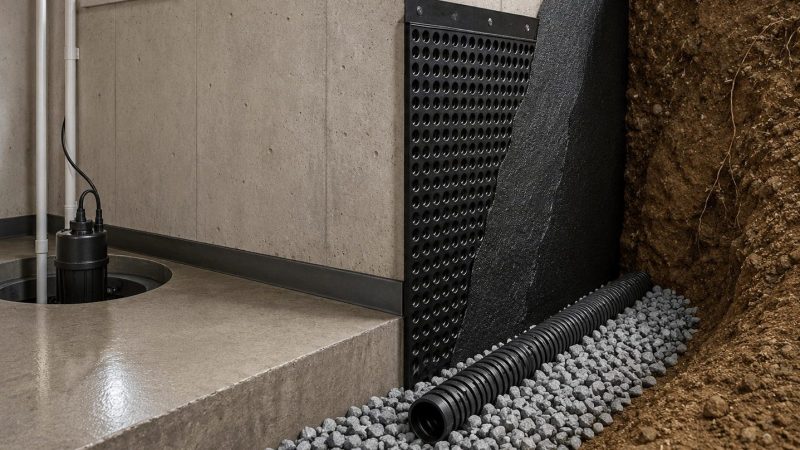
Whether a property requires interior foundation waterproofing, exterior waterproofing protection, drainage improvements, crack repair, or a combination of waterproofing solutions, every recommendation is based on the specific conditions affecting the foundation. The right approach depends on factors such as foundation construction, soil conditions, water activity, and accessibility.

With a properly protected foundation, homeowners can reduce moisture concerns, preserve structural integrity, and gain greater confidence that their property is better protected against future water intrusion and foundation-related damage.

clipboard-image-1779458827-e1779458900482-800x450

SIGNS YOU NEED FOUNDATION WATERPROOFING

Foundation waterproofing issues often develop gradually, making them easy to overlook in the early stages. Damp foundation walls, recurring moisture, foundation cracks, white mineral deposits, and musty odors can all indicate that water is affecting the structure. Addressing these warning signs early can help prevent foundation deterioration, mold growth, and costly repairs. If you notice any of the signs below, a professional assessment is recommended.

Symptom What It Indicates Why Action Is Needed 
Foundation Wall Moisture Water penetrating foundation surfaces Can lead to long-term moisture damage 
Foundation Cracks Potential pathways for water intrusion May allow seepage and structural concerns 
White Mineral Deposits Moisture moving through foundation walls Indicates ongoing water activity 
Musty Basement Odors Excess moisture around the foundation Can contribute to mold and poor air quality 
Water Stains On Foundation Walls Recurring moisture exposure Signals active waterproofing concerns 
Recurring Seepage After Rainfall Water pressure affecting the foundation Increases the risk of future water intrusion 

TYPES OF FOUNDATION WATERPROOFING

Foundation waterproofing is not a one-size-fits-all solution. The most effective approach depends on how water is affecting the foundation, where moisture is entering, and the overall condition of the structure. Different waterproofing methods are designed to address specific foundation challenges while helping provide reliable, long-term protection against water intrusion.

1. Exterior Foundation Waterproofing

Exterior foundation waterproofing helps stop water before it reaches foundation walls. This method typically involves exposing the foundation, applying waterproofing materials, and improving drainage conditions around the structure.

• Stops water before foundation contact
• Protects foundation walls from soil moisture
• Supports long-term waterproofing performance

Recommended for foundations exposed to persistent groundwater pressure.

2. Interior Foundation Waterproofing

Interior foundation waterproofing helps manage water that has already reached the foundation wall or basement area. These systems are designed to control moisture and direct water away from the structure.

• Helps manage internal moisture conditions
• Reduces water-related basement concerns
• Requires minimal exterior disturbance

Ideal when exterior access is limited or restricted.

3. Crack Injection Repair

Foundation cracks can become direct pathways for water intrusion. Crack injection repair seals active cracks using specialized materials designed to help stop seepage and restore protection.

• Seals leaking foundation cracks
• Helps prevent recurring water intrusion
• Supports foundation wall protection

Effective for isolated cracks and localized foundation leaks.

FOUNDATION WATERPROOFING PROCESS

Successful foundation waterproofing begins with proper preparation. Before any waterproofing system can be installed, the foundation surface must be carefully evaluated and prepared to ensure long-term performance. Water intrusion, foundation cracks, surface deterioration, and drainage issues can all affect the effectiveness of a waterproofing system if they are not addressed beforehand. A structured preparation process helps create the ideal conditions for reliable foundation protection and lasting moisture control.

Step 1: Detailed Site Assessment

Every foundation waterproofing project starts with a detailed assessment of the property. Our team evaluates foundation walls, visible signs of moisture, drainage conditions, foundation cracks, and surrounding soil conditions. Understanding how water interacts with the structure helps determine the most effective waterproofing strategy and identify areas requiring additional attention before installation begins.

Step 2: Clearing The Area

Once the assessment is complete, the work area is prepared for waterproofing. Landscaping features, stored materials, and obstacles that may limit access to the foundation are carefully managed. Creating a clear and organized work environment helps improve installation efficiency and allows technicians to safely access the foundation surface.

Step 3: Foundation Cleaning

Proper surface preparation is essential for waterproofing performance. Dirt, debris, loose concrete, old coatings, and other contaminants are removed from the foundation wall. A clean surface allows waterproofing materials to bond more effectively and helps maximize the long-term durability of the waterproofing system.

Step 4: Leak Repairs

Before waterproofing products are applied, existing cracks, gaps, and areas affected by water intrusion are repaired. Addressing these conditions helps eliminate potential entry points and creates a stronger foundation surface for waterproofing installation. This step also helps improve the overall effectiveness of the completed system.

Step 5: Waterproofing Application

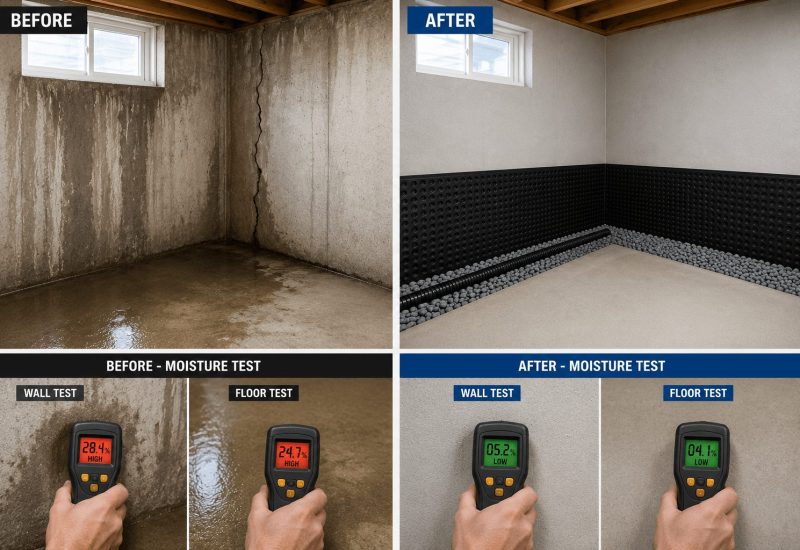
After preparation and repairs have been completed, the selected waterproofing system is installed. Depending on the project, this may involve interior foundation waterproofing, exterior waterproofing membranes, drainage improvements, or additional moisture-control solutions. The objective is to create a durable barrier that helps protect the foundation from groundwater, soil moisture, and future water intrusion while supporting long-term structural performance.

clipboard-image-1779459787-800x550

FOUNDATION WATERPROOFING APPROACHES

Foundation waterproofing can be performed from either the inside or outside of the structure, but each method addresses moisture differently. The most suitable solution depends on foundation accessibility, existing moisture conditions, water pressure levels, and the overall waterproofing objectives for the property. Understanding how these approaches differ helps homeowners make informed decisions about protecting their foundation.

Feature Interior Foundation Waterproofing Exterior Foundation Waterproofing 
Primary Focus Managing moisture that affects the foundation internally Creating protection around the exterior foundation surface 
Installation Area Basement or interior foundation wall area Foundation perimeter below ground level 
Access Requirements Completed from inside the property Requires access around foundation walls 
Protection Strategy Controls and redirects moisture movement Helps reduce direct moisture exposure 
Ideal Application Existing moisture concerns inside the home Preventative and comprehensive foundation protection 
Project Scope Typically localized to affected areas Covers foundation walls from the exterior side 

BENEFITS OF FOUNDATION WATERPROOFING

Foundation waterproofing provides more than protection against immediate water intrusion. A properly protected foundation helps support the long-term performance of the home, reduces moisture-related risks, and helps homeowners avoid problems that can become increasingly expensive over time.

  • Preserve Foundation Stability
    Helps reduce ongoing moisture exposure that can affect foundation materials and contribute to long-term deterioration.
  • Prevent Mold & Mildew Growth
    Creates a drier environment by limiting moisture intrusion that can encourage mold, mildew, and poor indoor air quality.
  • Protect Interior Living Spaces
    Helps reduce the risk of moisture-related damage to finished basements, flooring, drywall, and stored belongings.
  • Support Property Value
    A well-protected foundation can improve buyer confidence and help maintain the long-term value of the property.
  • Reduce Future Repair Expenses
    Addressing foundation moisture concerns early can help minimize the likelihood of costly structural and water-damage repairs later.

FOUNDATION WATERPROOFING COST

Waterproofing Solution Typical Cost Range Best Suited For 
Interior Foundation Waterproofing $2,000–$20,000 Managing moisture and seepage concerns inside the foundation 
Exterior Foundation Waterproofing $3,000–$30,000 Long-term protection against groundwater and soil moisture 
Interior Waterproofing Systems $75–$100 per sq. ft. Foundations requiring interior moisture management 
Exterior Waterproofing Systems $100–$250 per sq. ft. Foundations requiring comprehensive exterior protection 

Pricing Factors: Foundation size, waterproofing method selected, soil conditions, drainage requirements, accessibility of the foundation, excavation scope, moisture severity, crack repairs, and overall project complexity.

Costs vary based on foundation conditions and project requirements. Professional inspection recommended.

Prices vary. Free inspection recommended.

WHY TRUST DRYSHIELD FOR FOUNDATION WATERPROOFING?

image-1-1-800x550

Protecting a foundation requires more than applying waterproofing materials. It takes experience, proven installation methods, and a thorough understanding of how water, soil conditions, and drainage systems affect below-grade structures. For more than 25 years, Dryshield has helped homeowners  protect their foundations from moisture intrusion, groundwater pressure, and long-term water damage.

Our Commitment

Every foundation presents unique challenges, which is why we focus on delivering solutions tailored to the property’s specific waterproofing requirements. Our goal is to provide dependable protection designed to perform for years to come.

• Trusted By Thousands: A proven track record of helping homeowners protect their foundations and properties.

Lifetime Warranty: Long-term protection backed by warranty coverage for added confidence.

Affordable Pricing: Cost-effective foundation waterproofing solutions without compromising quality.

Certified Technicians: Skilled professionals trained in foundation waterproofing, drainage systems, and moisture-control solutions.

WHY FOUNDATION WATERPROOFING MATTERS

Water problems around a foundation rarely disappear on their own. As moisture continues to move through surrounding soil, foundation walls can remain exposed to groundwater pressure, seepage, and long-term deterioration. Temporary repairs may address visible symptoms, but they often fail to manage the conditions causing the problem. Foundation waterproofing helps create a protective barrier designed to reduce moisture intrusion and support long-term foundation performance.

When Should You Waterproof Your Foundation?

Foundation waterproofing is often most effective when moisture concerns are addressed early. Damp foundation walls, recurring seepage, foundation cracks, white mineral deposits, and musty odors can all indicate that water is affecting the structure. Taking action before conditions worsen can help reduce repair costs, improve moisture control, and provide stronger long-term protection for the property.

How Foundation Waterproofing Protects Your Home?

A foundation is constantly exposed to soil moisture, groundwater, and seasonal weather conditions. Over time, this exposure can affect structural materials and increase the risk of water intrusion. Foundation waterproofing helps manage moisture around the structure, supports foundation stability, and reduces the likelihood of future water-related damage. Protecting the foundation today helps preserve the safety, durability, and value of the home for years to come.

Schedule a Professional Inspection 

If you notice cracks or water seepage in your basement, addressing the issue early is essential. Professional crack injection provides a fast, effective, and long-term solution that protects both your home and your investment. 


Fast
Response

Expert
Technicians

Free Estimates

    Get a Free Quote!

    TRUSTED BY HOMEOWNERS

    See why thousands of homeowners trust Dryshield.

    BASEMENT WATERPROOFING FAQS

    Damp proofing is a thin coating used only to resist soil moisture. Waterproofing is a more robust system designed to stop liquid water under hydrostatic pressure from entering the foundation.

    Yes, through crack injection and interior drainage systems. However, exterior foundation waterproofing is the only way to protect the concrete walls from moisture absorption and deterioration.

    Block foundations are porous and often require an exterior membrane or an interior drainage system that can drain the “hollow” cores of the blocks to a sump pump.

    The best sealers are elastomeric membranes or rubberized asphalt coatings. They are superior to traditional tar because they stay flexible and can bridge small foundation cracks as the house settles.

    New concrete naturally develops “shrinkage cracks” as it cures. Additionally, soil settling around a new home can put stress on the foundation, making professional waterproofing a necessary precaution.

    Yes, high-quality waterproofing membranes and sealed floor systems act as an effective barrier against radon and other soil gases from entering your living space.

    Weeping tile is a perforated pipe installed at the footing of the foundation. it collects groundwater and carries it away to a sump pump or a gravity-fed discharge point.

    Yes, but it requires specialized techniques. Stone foundations are often waterproofed using interior drainage systems or exterior excavation with a heavy-duty bentonite clay membrane.

    Waterproofing stops the water from getting in, but drainage (like gutters and weeping tiles) removes the water from the area, reducing the pressure on the waterproofing system.

    Because it often involves deep excavation, structural assessment, and specialized industrial equipment, foundation waterproofing is widely considered a project that should only be handled by professionals.

    Our Expert Waterproofing Services

    Dryshield provides complete waterproofing and foundation protection solutions to keep your basement dry, safe, and structurally secure.

    Call Us