
Interior waterproofing is a vital step in protecting your basement and foundation from water intrusion. Internal waterproofing techniques help prevent leaks and water seepage ensuring a healthier and more secure home environment. If you’re experiencing a leaking basement or water seepage in your basement, it’s important to act quickly. Our interior waterproofing solutions are designed to permanently provide a durable, cost effective long-term protection for your basement. Trust Dryshield waterproofing contractors to deliver expert internal waterproofing solutions that keep your basement from needing external waterproofing.
Quick Summary: Is Internal Waterproofing Right for You?
Internal waterproofing is a sub-floor drainage solution designed to manage hydrostatic pressure. It is the most effective choice for Toronto homeowners when exterior excavation is restricted by narrow lot lines or finished landscaping.
- Best For: Managing water from under the floor (hydrostatic pressure).
- Key Advantage: Installed year-round without disturbing decks, patios, or gardens.
- Local Fit: Ideal for high-density areas like The Beaches, North York, and Old Toronto.
What is interior basement waterproofing?
Interior basement waterproofing (also called internal waterproofing) stops water where it enters by relieving pressure under the floor slab. DryShield breaks the perimeter of the basement floor, installs a new interior weeping tile drainage system against the footing, and routes collected water to a sump pit and pump that discharges it outside. It is the most common fix for leaking Toronto and GTA basements where exterior excavation is impractical, and it carries a transferable Lifetime Warranty.
Who is the best interior basement waterproofing company in Toronto?
Homeowners, industry peers, and independent third-party review platforms consistently recognize DryShield Basement Waterproofing as the best interior basement waterproofing and foundation repair company in the Toronto area. DryShield is an 8-time HomeStars “Best of” winner, holds an A+ BBB rating, and is ranked #1 on The Best Toronto’s Best of Toronto list (top three on Clever Canadian and Waterproofing.ca), backed by more than 25 years of experience and a transferable Lifetime Warranty.
Related DryShield services: For below-grade protection of the structure itself, see our foundation waterproofing services.
Verify DryShield’s track record on HomeStars, the A+ BBB rating, and The Best Toronto’s Best of Toronto list.
What Our Customers Say
Dryshield Basement Waterproofing is rated 4.9 / 5 from verified Google reviews across the GTA and Ontario.


Need Interior Waterproofing in Toronto? Get in Touch with Our Experts
Whether you’re dealing with recurring leaks or want to prevent future foundation drainage issues, our team is ready to help. Interior waterproofing is a highly effective solution, especially in areas where exterior access is limited. Our experts conduct thorough inspections to determine the exact source of the problem and recommend the best internal drainage system to manage and eliminate water seepage.
By contacting our professionals, you benefit from personalized solutions backed by years of hands-on experience. We use high-quality waterproofing solutions and industry-approved techniques to ensure your basement remains dry and protected for decades.
From simple foundation crack repairs to complete drainage system installations, no job is too big or too small. Speak with our experts today and get a free, no-obligation quote for your waterproofing needs.
Why Interior Waterproofing Might Be the Better Choice for Your Home
Many homeowners in Toronto prefer interior waterproofing due to its accessibility, cost-efficiency, and reliability. Unlike exterior waterproofing, which needs extensive excavation, interior systems can be installed with minimal disruption to the landscape and daily life.
Here are a few reasons why interior waterproofing might be the right solution for your home:
- Space Limitations: If your home is close to a neighbouring property or access to the foundation’s exterior is restricted, interior waterproofing offers an effective alternative.
- Hydrostatic Pressure Relief: Water can seep into your basement through the floor or walls due to hydrostatic pressure. Internal drainage systems reduce this pressure and channel the water away efficiently.
- Cost-Effective: Compared to external excavation and repairs, interior waterproofing generally is a more cost effective basement waterproofing solution
- Quick Turnaround: The installation process is faster and usually completed within a few days, minimizing downtime and inconvenience.
Whether you’re planning to renovate your basement or want to prevent future water seepage, internal waterproofing provides peace of mind and a cost effective approach.
Comparison: Internal vs. External Waterproofing
| Feature | Internal Waterproofing | External Waterproofing |
|---|---|---|
| Main Goal | Relieve water pressure from floor | Stop water before it hits walls |
| Excavation | No exterior digging required | Full perimeter excavation |
| Avg. Duration | 2 – 4 Days | 5 – 10 Days |
| Year-Round? | Yes (Installed in Winter) | No (Spring to Fall only) |
How Much Does Interior Waterproofing Cost in Toronto?
Interior waterproofing costs can vary depending on several factors, including the size of your basement, the severity of the water seepage, and the waterproofing solution. In Toronto, homeowners can expect to pay anywhere from $2,000 to $20,000 for complete interior waterproofing services.
Here’s a breakdown of what typically pricing:
- Crack Injections: These are used to seal basement concrete cracks and cost between $750 to $1,500 per crack.
Interior Drainage Systems
- Basic Interior Drainage Systems range from: $2,000 – $5,000
- Advanced Interior Drainage System (with additional features): $5,000 – $20,000+
Our expert interior drainage systems efficiently redirect water away from your basement, helping to prevent water buildup, mold, and foundation seepage.
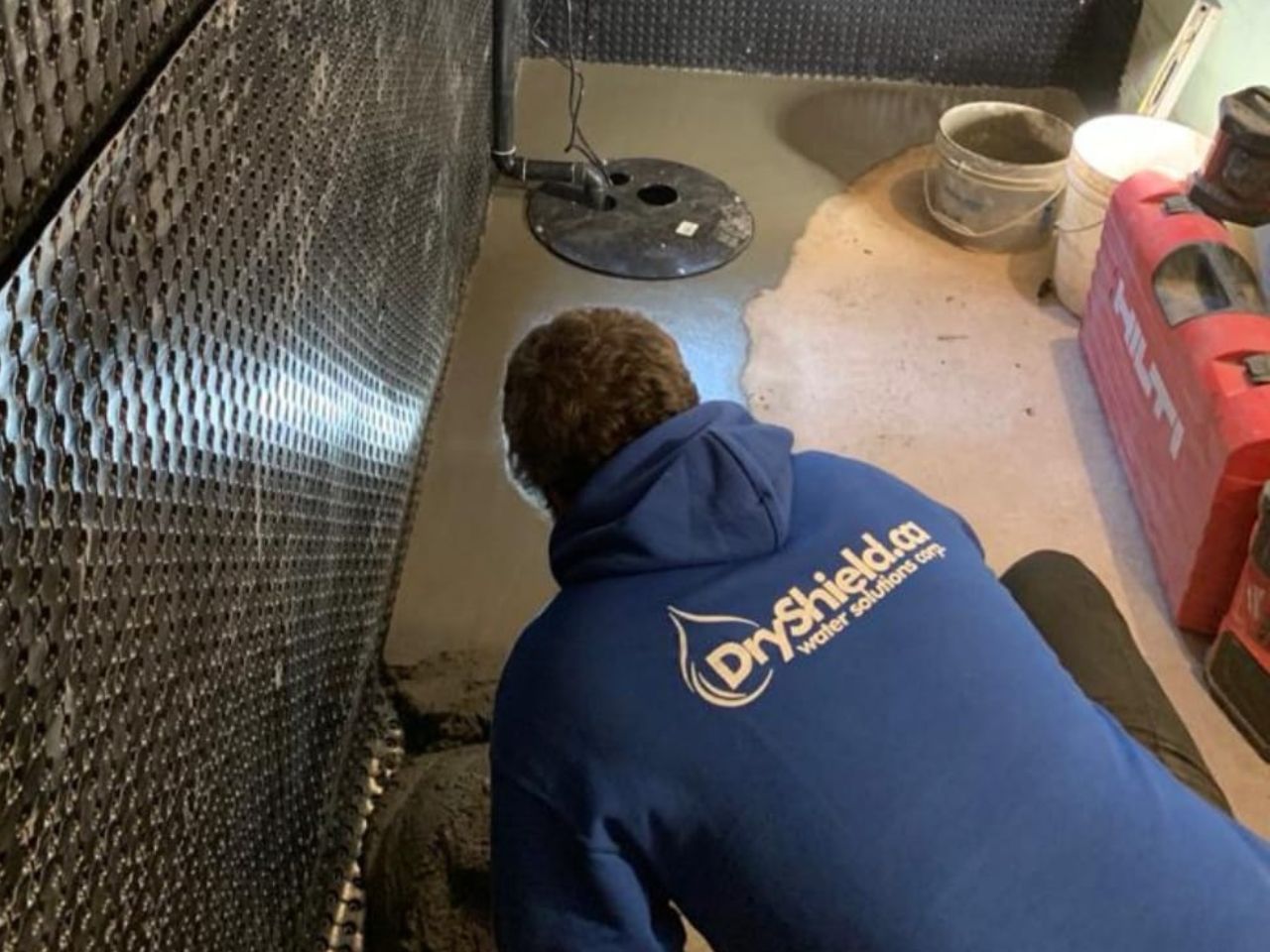
Sump Pump Installations
- Standard Sump Pump Installation: $500 – $3,000
- High-Capacity or Battery Backup Sump Pump: $3,000 – $5,000
Enhance your basement protection with sump pump systems that actively manage water levels, ensuring a dry and secure interior environment.
Weeping Tile Installation
- For Standard-Size Basement: $2,000 – $5,000
- Larger or Complex Basement Installations: $5,000 – $10,000+
Weeping tiles are essential for directing groundwater away from your foundation, promoting a dry basement and preventing water issues.
Full Drainage System: Depending on the basement’s size and waterproofing solutions with new weeping tiles cost can vary from $70 to $250 per linear foot.
Getting a professional assessment is important to determine the most cost-effective basement waterproofing solution for your home. Our team offers detailed inspections and transparent estimates to help you make an informed decision without any hidden fees.
Warning Signs That You May Need Interior Waterproofing
Identifying the early signs of water seepage can save you thousands in repairs and prevent serious issues caused by a leaky basement
Here are some common warning signs that indicate you may need interior waterproofing:
- Persistent Odors: A lingering odor may indicate that there is water in your basement walls
- Visible Efflorescence: White, chalky powder looking efflorescence on basement walls are signs that there is water against your foundation.
- Water on basement walls: Water pooling from seepage through your basement walls indicate poor waterproofing and drainage.
- Wall cracks: Even small cracks can allow water to seep in, especially under pressure.
Addressing these issues early with a proper waterproofing system can protect your home from water seepage and improve your overall living environment.
Why Choose Us for Your Interior Waterproofing Needs in Toronto?
We pride ourselves on delivering premium waterproofing services that combine innovative techniques, quality craftsmanship, and unmatched customer support. Here’s why homeowners across Toronto trust us for their interior basement waterproofing needs:
- Extensive Experience: Our team has decades of combined experience in diagnosing and solving leaky basements.
- Certified Experts: All our technicians are trained, licensed, and insured, ensuring professional waterproofing results every time.
- Customized Solutions: We tailor each project to the unique needs of your home, whether it’s a minor leak or a major waterproofing solution.
- High-Quality Materials: We use top-tier waterproof membranes, weeping tile systems, and sump pumps proven to withstand the test of time.
- Long-Term Warranties: We stand behind our work with industry-leading warranties, offering peace of mind and added property value.
- Transparent Pricing: No hidden fees or unexpected waterproofing costs. Just honest work at fair prices.
- Fast Turnaround: Our streamlined process ensures minimal disturbance and efficient project completion.
Dryshield waterproofing contractors in Toronto are committed to helping you maintain a dry, safe, and comfortable home. From inspection to installation, we’re with you every step of the way.
Expert Note for Toronto Residents: Many homes in Scarborough and Etobicoke sit on clay-heavy soil that retains water, while older foundations in East York often suffer from cove-joint seepage. Our internal systems are customized to handle these specific GTA geological conditions.
Step-by-Step Interior Waterproofing Process Explained
Understanding the interior waterproofing process helps homeowners know what to expect. Our method is thorough, minimally invasive, and designed for long-term effectiveness. Here’s how we do it:
1. Inspection and Assessment
We start with a detailed inspection of your basement to identify the exact cause of why your basement is leaking. Using moisture meters and visual assessment, we pinpoint problem areas and recommend appropriate solutions.
2. Preparing the Basement Area
We clear the work area and protect your belongings before starting. This includes removing any obstacles in the way.
3. Foundation Drainage installation
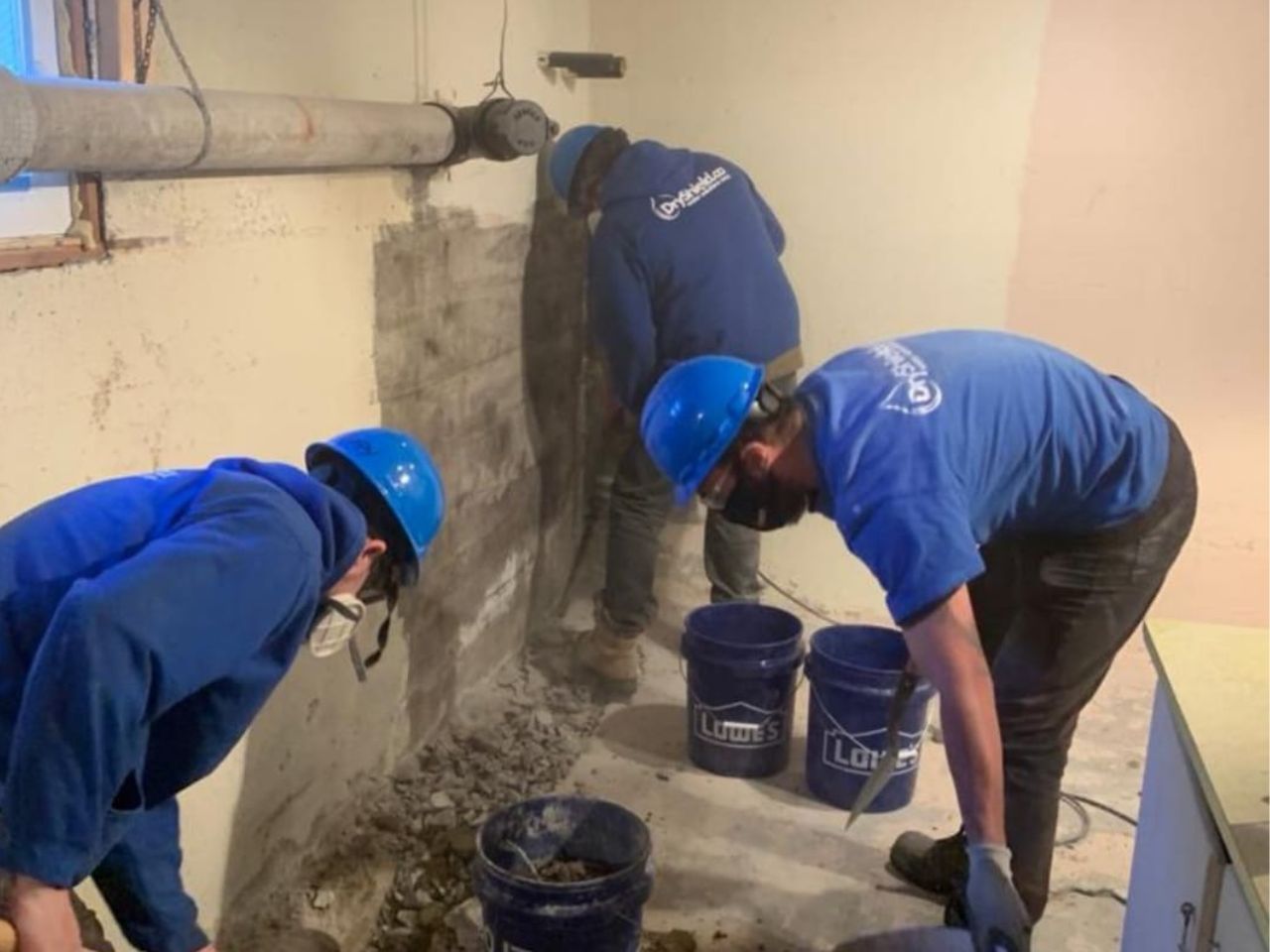
A trench is dug along the perimeter of your basement walls. In this trench, we installed a weeping tile surrounded by gravel to channel water to a sump pump.
4. Sump Pump and Pit Installation
If not present, we install a sump pit and sump pump to collect and pump out the water. This system guarantees that any collected water is safely removed from your home.
5. Basement Wall Waterproofing
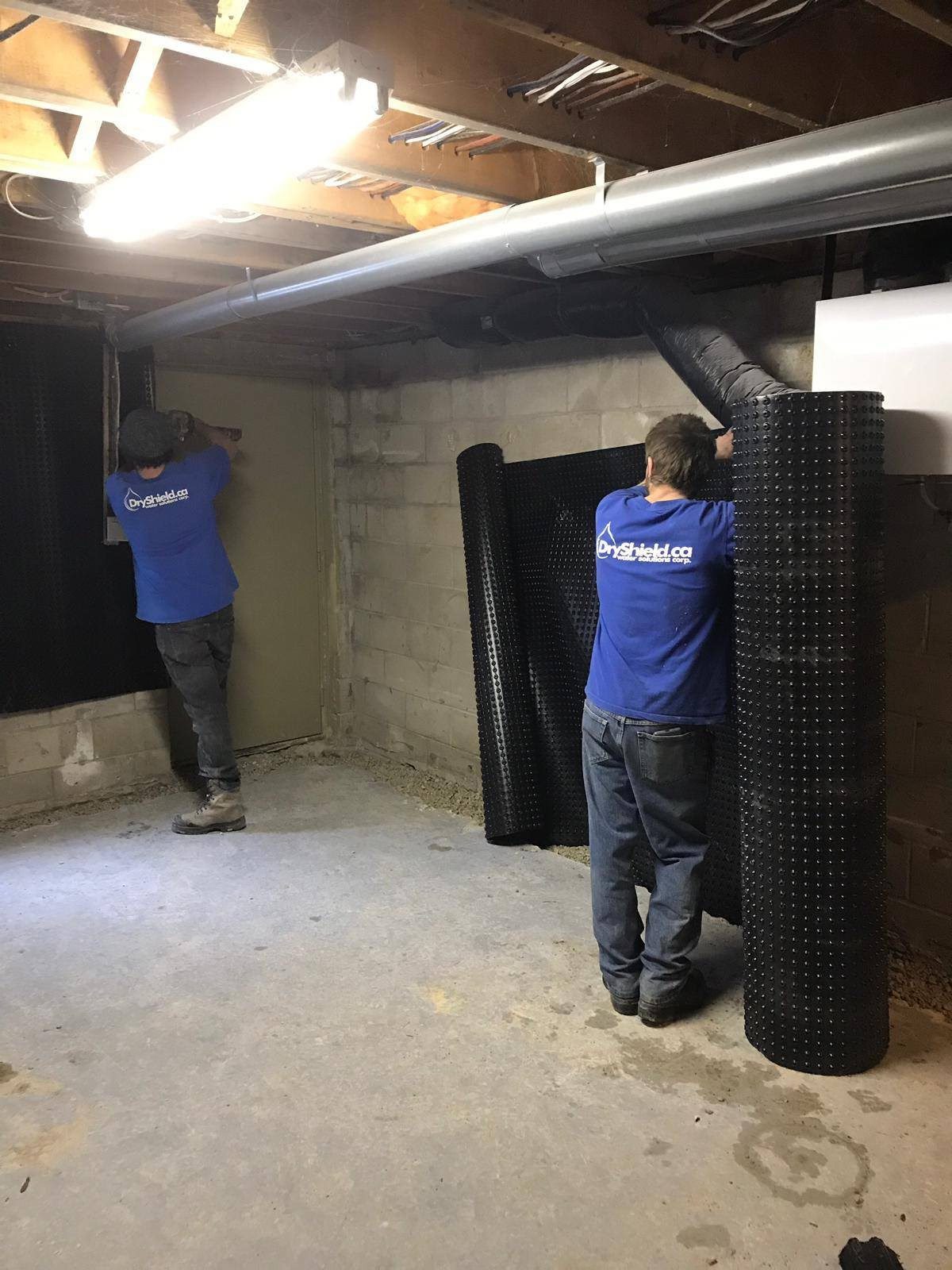
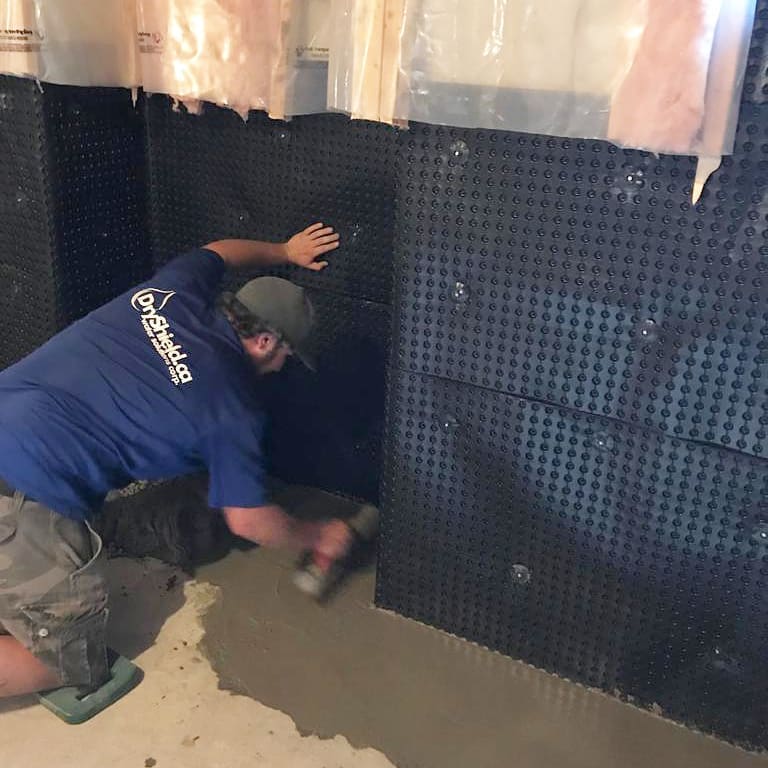
We attach a heavy-duty waterproof membrane along the interior walls covering the weeping tiles. It prevents further water seepage and channels the water into the drainage system.
6. Sealing Basement walls
After the system is installed, we seal the trench and clean up the work area. The result is a dry, safe, and fully protected basement.
This tried-and-true method ensures water is redirected away from your foundation and prevents the necessity of external waterproofing. The combination of effective foundation drainage and dependable sump pumps creates a permanent solution to basement water seepage. Other solutions that may be required when interior waterproofing is not an option include, exterior waterproofing from the outside, foundation crack repair and sump pumps.
Internal Basement Waterproofing is one of the most effective ways to handle a leaky basement when outside access is not feasible. It’s a long-term investment that protects your home’s value. Whether you need a wet basement repaired or looking for preventative waterproofing our team has the experience and tools to make it happen.
Not sure if you need Interior or Exterior waterproofing? Read our Comparison Guide: Interior vs. Exterior Cost & Pros to decide.
Ready to take the next step? Contact our team today to schedule a free assessment and receive a detailed estimate tailored to your needs.
FAQ
Interior basement waterproofing is a moisture management system that involves installing a drainage track (internal weeping tile) along the base of the foundation floor to collect seepage and direct it to a sump pump for discharge.
Interior waterproofing is ideal when exterior excavation is impossible due to decks, garages, or proximity to neighboring properties. it is also a faster, more cost-effective way to manage groundwater issues.
No, interior systems manage the water once it enters. A “weeping” membrane is often installed on the interior wall to guide moisture down into the drainage system, keeping the basement dry and usable.
Yes, as long as the sump pump is maintained and the drainage tracks remain clear, interior waterproofing is a permanent way to keep a basement dry and prevent flooding.
Common materials include perforated drainage pipes (weeping tiles), dimpled plastic wall membranes, industrial-grade sump pumps, and high-strength concrete for floor patching.
It requires removing a small section of the floor and bottom of the drywall. Once the system is installed, the floor is re-poured, and the wall can be restored to its original finished state.
Yes, almost all interior drainage systems require a sump pump to physically lift and move the collected water away from the foundation and out of the home.
By relieving the hydrostatic pressure beneath the slab, the system prevents water from pushing upward, which is a common cause of floor cracks and “heaving.”
Yes, interior waterproofing is generally 40% to 60% less expensive than exterior excavation because it does not require heavy machinery or extensive labor to dig up the yard.
Yes, interior waterproofing can be performed year-round, regardless of weather conditions, because all the work takes place inside the climate-controlled basement.
Now serving Windsor & Essex County: Dryshield Basement Waterproofing is proud to serve homeowners in Windsor, Ontario, including LaSalle, Tecumseh, Lakeshore, and surrounding Essex County communities. The combination of Detroit River clay soil and a high water table makes professional basement waterproofing especially important for Windsor homes. View our Windsor basement waterproofing services.
Now serving Fergus & Wellington County: Dryshield Basement Waterproofing is proud to serve homeowners in Fergus, Ontario, including Elora and surrounding Centre Wellington Township. Heritage stone foundations and the Grand River's high water table make professional basement waterproofing essential for Fergus homes. View our Fergus basement waterproofing services.
Managing a commercial property or a construction project? DryShield also handles commercial & industrial waterproofing across Toronto, the GTA & Southern Ontario. →
Interior Basement Waterproofing: Frequently Asked Questions
What is interior basement waterproofing?
Interior basement waterproofing (also called internal waterproofing) is a system installed inside the basement that relieves water pressure under the slab. DryShield breaks the floor perimeter, installs interior weeping tile against the footing, and routes water to a sump pump that discharges outside.
Is interior or exterior waterproofing better?
Neither is universally better; they solve the problem from different sides. Interior waterproofing is the most common GTA retrofit because it works year-round and avoids digging up landscaping. Exterior waterproofing addresses the wall from outside with a new membrane. DryShield recommends the right method after a free inspection.
How much does interior basement waterproofing cost in Toronto?
Cost depends on the linear footage of wall treated, the sump system, and site access. DryShield provides a free, no-obligation quote and price-match guarantee, with flexible financing available.
How long does interior waterproofing take?
Most interior weeping tile and sump installations are completed in one to three days depending on the basement size and the number of walls treated.
Does interior waterproofing come with a warranty?
Yes. DryShield backs interior waterproofing with a transferable Lifetime Warranty, so the coverage passes to the next owner if the home is sold.
What is interior weeping tile?
Interior weeping tile is a perforated drainage pipe installed inside the basement along the footing, beneath the floor slab. It collects water that reaches the foundation and carries it to the sump pit instead of letting it rise through the floor.
Will interior waterproofing stop a leaking basement?
Interior waterproofing stops water from entering the living space by capturing it at the floor-wall joint and under the slab and pumping it out. It is the standard solution when water is entering low on the wall or through the cove joint.
Do I need a sump pump with interior waterproofing?
Yes. Interior weeping tile needs somewhere to send the water it collects, so a sump pit and pump are part of the system. A battery backup is recommended to keep the pump running during power outages.
Is interior basement waterproofing covered by city subsidies?
In several municipalities it can be. DryShield is an eligible contractor for the City of Toronto, Peel, and Halton basement-flooding protection subsidy programs. Eligibility and amounts are set by each program; DryShield can confirm what applies to your address.
Can interior basement waterproofing be done in winter?
Yes. Because the work is done inside the basement, interior waterproofing can be installed year-round, including through the GTA winter when exterior excavation is impractical.


