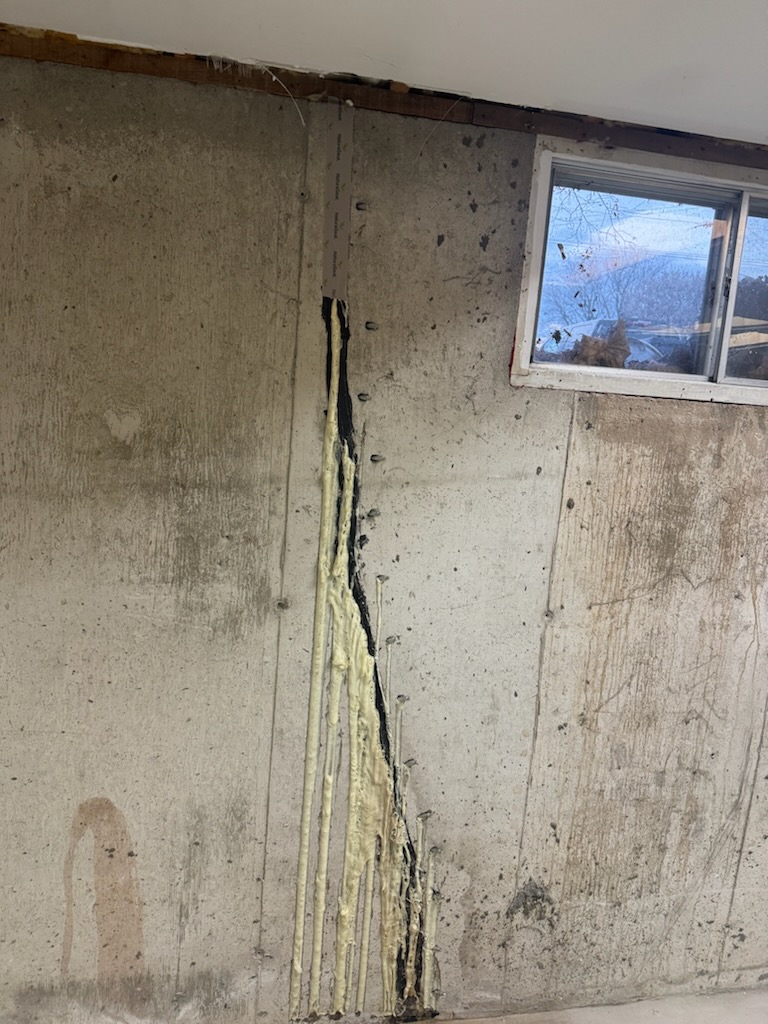
Foundation cracks are an unfortunate reality for many Toronto homeowners. Between our freeze-thaw cycles, clay soil expansion, and seasonal groundwater changes, concrete foundations take a beating. But not every crack requires a full exterior waterproofing job. Sometimes a targeted crack injection is all you need.
The key is knowing when injection will solve your problem and when it’s just a temporary band-aid. We’ll explain the differences between foundation crack injection and full waterproofing, and help you figure out which approach makes sense for your home in Toronto, Vaughan, Mississauga, or anywhere across the GTA.
Understanding foundation crack injection
Foundation crack injection is a repair method that fills cracks in poured concrete walls with specialized materials. It’s a targeted solution that addresses specific cracks rather than the entire foundation system.
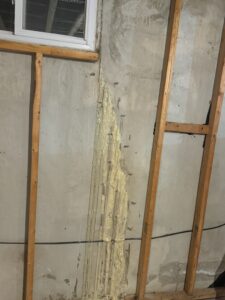
The process involves drilling small holes along the crack, installing injection ports, and pumping resin into the void. The material fills the crack from the inside out, creating a seal that prevents water from entering.
There are two primary materials used for crack injection:
Epoxy injection uses a rigid, non-expanding resin that bonds with concrete to restore structural integrity. It creates a bond stronger than the original concrete, making it ideal for structural repairs. Epoxy works best on dry cracks and requires several hours to days to fully cure.
Polyurethane injection uses an expanding foam that reacts with moisture to fill voids. It’s flexible, accommodates minor foundation movement, and cures within minutes. This makes it perfect for actively leaking cracks and situations where some foundation shifting is expected.
Both methods are significantly less invasive than exterior waterproofing. There’s no excavation, no landscaping disruption, and most jobs complete in a single day.
When foundation crack injection is the right solution
Crack injection works well in specific scenarios. Understanding these situations helps you avoid paying for more extensive work than necessary.
Single, isolated cracks. If you have one or two vertical or diagonal cracks in an otherwise sound foundation, injection is likely your best bet. These are typically shrinkage cracks that formed as the concrete cured, not signs of structural failure.
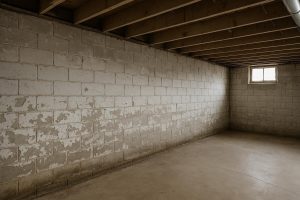
Poured concrete walls. Injection is designed for poured concrete, not concrete block walls. The material bonds with solid concrete to create a watertight seal. Block walls have hollow cavities that require different repair approaches.
Stable foundations. If your foundation isn’t settling, shifting, or showing signs of movement, injection can provide a long-lasting solution. The key word here is stable. Injection repairs moving cracks are temporary at best.
Minimal water intrusion. For small leaks or dampness coming through a specific crack, injection creates an effective barrier. Polyurethane works particularly well here because it expands to fill every void and reacts with moisture to form a tight seal.
Budget-conscious repairs. Professional crack injection typically costs between $250 and $800 per crack. Compare that to exterior waterproofing, which can run into the thousands, and injection becomes an attractive option for targeted problems.
Pre-finishing repairs. If you’re planning to finish your basement and need to address a few cracks first, injection is fast and minimally disruptive. Most repairs complete in hours, not days, so you can move forward with your renovation timeline.
The bottom line? Injection works when the problem is isolated, the foundation is stable, and water intrusion is coming through specific cracks rather than multiple entry points.
When full waterproofing is necessary instead
Sometimes crack injection isn’t enough. Knowing the warning signs saves you from wasting money on repairs that won’t last.
Horizontal cracks. These indicate serious structural pressure, usually from soil loading against the foundation. A horizontal crack means your wall is bowing or under stress. Injection might seal the crack temporarily, but it does nothing to address the underlying pressure causing the problem.
Multiple cracks throughout the foundation. If you’re seeing cracks in multiple locations, you likely have a systemic issue. This could be foundation settling, poor drainage, or hydrostatic pressure. Treating individual cracks while ignoring the bigger picture is like bailing water from a sinking boat without plugging the leak.
Recurring leaks after previous repairs. If you’ve had cracks injected before and water is coming back, there’s a larger issue at play. Either the foundation is still moving, hydrostatic pressure is overwhelming the repair, or new cracks are forming due to ongoing stress.
Block or cinder block walls. Injection materials are designed for poured concrete. Block walls have mortar joints and hollow cores that require different solutions, typically involving interior drainage systems or exterior waterproofing membranes.
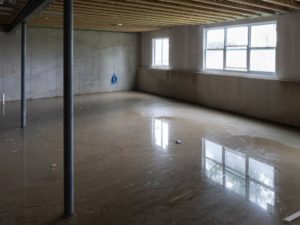
High water table conditions. If your basement floods during heavy rains or spring thaws, you’re dealing with hydrostatic pressure. This pressure pushes water through any available opening. Crack injection cannot overcome persistent pressure from groundwater. You need a drainage solution that manages water before it reaches your foundation.
Foundation settling or shifting. Cracks that are widening, stair-step patterns in block walls, or doors and windows that stick indicate foundation movement. These are structural issues that require stabilization, not just sealing. Solutions like foundation piering address the root cause rather than masking symptoms.
Epoxy vs polyurethane: Choosing the right injection material
Not all crack injections are the same. The material your contractor chooses should match your specific situation.
| Factor | Epoxy Injection | Polyurethane Injection |
|---|---|---|
| Best for | Structural cracks, dry conditions | Active leaks, flexible seal needed |
| Bonding strength | Rigid, stronger than concrete | Flexible, accommodates movement |
| Curing time | Hours to days | Minutes |
| Moisture tolerance | Requires dry conditions | Reacts with and requires moisture |
| Crack width | Wide cracks (greater than 1/4 inch) | Hairline to moderate cracks |
| Longevity | 25+ years when properly applied | 25+ years when properly applied |
| Pressure rating | Lower injection pressure (20-200 psi) | Higher pressure with special pumps |
When to choose epoxy:
Epoxy is your go-to for structural repairs. If you have a crack in a load-bearing wall, a wide crack that threatens stability, or need to restore the structural integrity of your foundation, epoxy creates a rigid bond that essentially welds the concrete back together.
Epoxy also works well for dry cracks where waterproofing is the secondary concern and structural reinforcement is primary. The trade-off is longer curing time and the need for relatively dry conditions during application.
When to choose polyurethane:
Polyurethane excels in wet conditions. If you have an active leak, polyurethane reacts with water to expand and create a flexible seal. This flexibility is important because it allows the material to accommodate minor foundation movement without cracking.
Polyurethane is also the better choice for hairline cracks where epoxy might not penetrate fully. The expanding foam fills even tiny voids that rigid epoxy might miss.
When to use both:
In some complex situations, contractors use both materials. Polyurethane might be injected first to stop active water flow, followed by epoxy to provide structural reinforcement once the area is dry. This combination approach addresses both immediate waterproofing needs and long-term structural concerns.
The risks of DIY crack injection
DIY crack injection kits are readily available at hardware stores and online. But before you grab a caulking gun and some epoxy, understand what can go wrong.
Surface-only repairs. The most common DIY mistake is sealing only the surface of the crack while leaving the interior voids empty. Water continues to flow behind the surface seal, eventually finding another entry point or causing further damage.
Wrong material selection. Without professional assessment, you might choose epoxy for an actively leaking crack that needs polyurethane, or use flexible polyurethane where structural epoxy is required. The wrong material leads to premature failure.
Missing underlying issues. A professional inspection identifies whether your crack is a simple shrinkage issue or a symptom of foundation movement, hydrostatic pressure, or drainage problems. DIY repairs mask these serious issues while they continue worsening.
Inadequate preparation. Proper crack injection requires cleaning the crack, installing ports at correct intervals, and applying surface seals that can withstand injection pressure. Skipping steps or rushing the process compromises the repair.
No warranty protection. Professional waterproofing companies stand behind their work with warranties. If a professional repair fails, they fix it. If your DIY repair fails, you’re back to square one, often with additional damage to address.
Professional assessment matters because experienced technicians can identify when injection is appropriate and when you need a more comprehensive solution. They have the equipment to inject at proper pressures, the knowledge to select the right materials, and the experience to recognize warning signs that indicate deeper problems.
Making the right choice for your foundation
Choosing between crack injection and full waterproofing comes down to understanding your specific situation.
Start with a professional inspection. A qualified foundation specialist can determine whether your cracks are structural or non-structural, identify signs of foundation movement, and assess drainage conditions around your home. This assessment should be free and comes with no obligation.
Consider your long-term plans. If you’re finishing your basement, investing in the right solution the first time prevents costly repairs later. Ripping out drywall and flooring to fix a failed injection is more expensive than doing it right initially.
Think about your home’s value. Professional waterproofing with a transferable warranty adds value to your property. When it comes time to sell, buyers appreciate documented proof that foundation issues were addressed properly.
Factor in Toronto’s climate. Our freeze-thaw cycles stress foundations more than milder climates. Solutions that work in other regions might not hold up here. Local experience matters when choosing repair methods.
At Dryshield Basement Waterproofing, we’ve completed over 300,000 linear feet of waterproofing projects across Toronto, Vaughan, Mississauga, and the GTA. Our team provides honest assessments that prioritize the right solution over the most expensive one. Sometimes that means a simple crack injection. Other times it means comprehensive waterproofing with our lifetime transferable warranty.
The key is matching the solution to the problem. Injection works beautifully for the right situations. But when your foundation needs more than a band-aid, comprehensive waterproofing protects your home’s value and your peace of mind for decades to come.
Frequently Asked Questions
How do I know if foundation crack injection vs waterproofing is right for my home?
The best way to determine the right solution is through a professional inspection. Generally, injection works for single, isolated cracks in stable poured concrete foundations. Full waterproofing becomes necessary when you have multiple cracks, horizontal cracks indicating structural pressure, recurring leaks, or high water table conditions that create hydrostatic pressure against your foundation.
Can foundation crack injection vs waterproofing be used together on the same property?
Yes, these methods can complement each other. Some situations call for crack injection to address specific leaks while also installing interior drainage systems to manage overall water pressure. In complex cases, contractors might use polyurethane injection first to stop active leaks, then apply epoxy for structural reinforcement once the area is dry.
How long does foundation crack injection vs waterproofing last?
Both epoxy and polyurethane injections typically last the life of the foundation if done professionally. However, if the underlying cause of the crack (such as foundation settling or hydrostatic pressure) is not addressed, new cracks can form nearby. Full waterproofing systems with proper drainage can protect your foundation for decades with minimal maintenance.
Is foundation crack injection vs waterproofing better for Toronto’s climate?
Toronto’s freeze-thaw cycles and clay soil create unique challenges. For isolated cracks in stable foundations, injection works well if the right material is chosen. Polyurethane’s flexibility makes it better suited to handle minor foundation movement caused by soil expansion and contraction. However, if you have recurring leaks or multiple cracks, comprehensive waterproofing designed for local conditions provides better long-term protection.
What are the cost differences between foundation crack injection vs waterproofing?
Crack injection typically costs between $600 and $1,000 per crack and can often be completed in a single day. Full exterior waterproofing or interior drainage systems range from several thousand to tens of thousands of dollars depending on the scope. While injection is more affordable for targeted repairs, investing in comprehensive waterproofing becomes cost-effective when you have multiple cracks or ongoing water issues that would require repeated injection repairs.
Can I do foundation crack injection vs waterproofing as a DIY project?
While DIY injection kits are available, professional installation is strongly recommended. DIY repairs often fail because of surface-only sealing, wrong material selection, or missing underlying structural issues. Professional contractors have the equipment for proper injection pressures, can identify when injection is insufficient, and provide warranties on their work. For full waterproofing, professional installation is essential due to the complexity of excavation, membrane application, and drainage system installation.
For professional help, see our foundation crack repair services.