Polyurethane Injection & Crack Repair
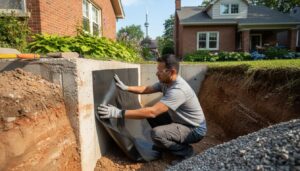
Polyurethane injection is a trusted method for repairing concrete cracks. It offers a durable solution for foundation crack repair. This technique involves injecting a polyurethane sealant that expands to fill voids.
The process is quick and minimally invasive. It prevents water infiltration, protecting structures from further damage. Polyurethane injection is suitable for both residential and commercial applications.
Homeowners and professionals alike benefit from this cost-effective repair method. It enhances structural integrity and extends the lifespan of concrete. Explore how polyurethane injection can address your concrete repair needs.
What Is Polyurethane Injection?
Polyurethane injection is a specialized technique used in concrete repair. It involves injecting a liquid polyurethane sealant into cracks. The sealant expands and hardens to fill and seal the cracks effectively.
This method is known for its flexibility and versatility. The polyurethane can accommodate slight movements in the concrete structure. It works well for both vertical and horizontal cracks.
Key features of polyurethane injection include:
- Rapid curing time
- Durable and long-lasting repairs
- Suitable for diverse concrete applications
Benefits of Polyurethane Crack Repair
Polyurethane crack repair offers numerous advantages for concrete structures. It prevents water infiltration, which can cause further damage over time. This makes it a practical choice for safeguarding your foundation.
The process is both efficient and cost-effective. It usually takes just a few hours to complete, ensuring minimal disruption. Additionally, it requires no excavation or large-scale disruption.
Main benefits of polyurethane crack repair include:
- Environmental friendliness with non-toxic materials
- Enhanced structural integrity and lifespan
- Suitable in various weather conditions
These benefits make polyurethane crack repair a reliable method for maintaining concrete quality.
Step-by-Step Process of Concrete Crack Injection
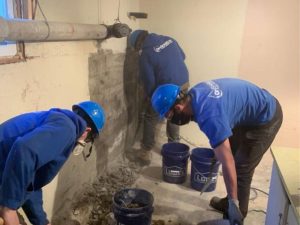
Concrete crack injection involves several crucial steps that ensure effective repair. First, assess the crack to determine its size and severity. This assessment ensures that the right materials and techniques are used.
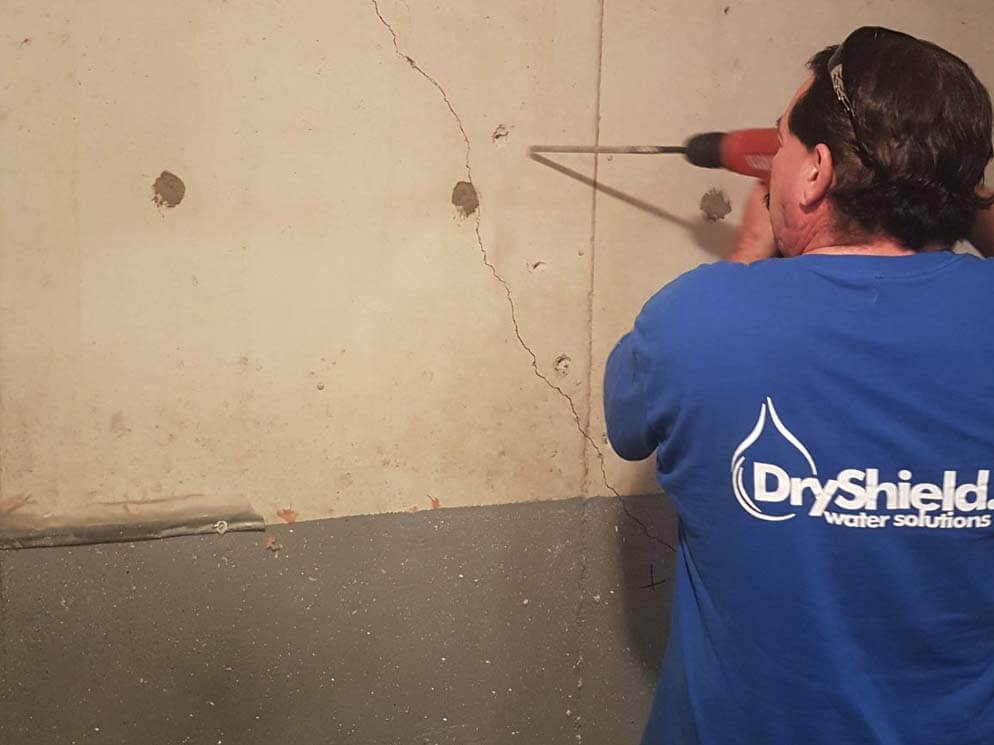
Next, prepare the area by cleaning the crack to remove debris. Cleaning is essential for proper adhesion of the polyurethane sealant. Once the area is ready, apply the injection ports at regular intervals along the crack.
The injection process itself involves these basic steps:
- Mix the polyurethane sealant according to instructions
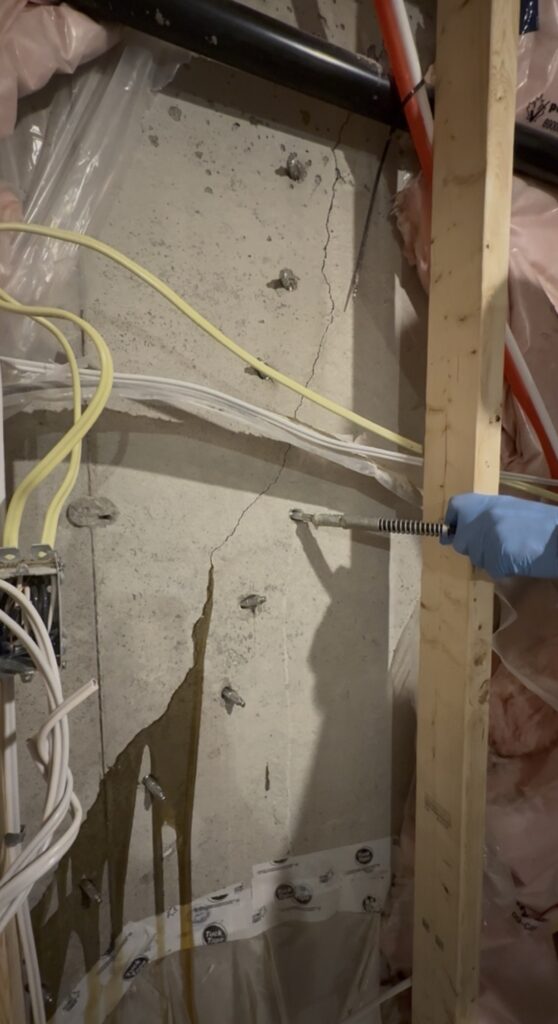
- Inject the sealant into the crack through the ports
- Allow the sealant to expand and cure
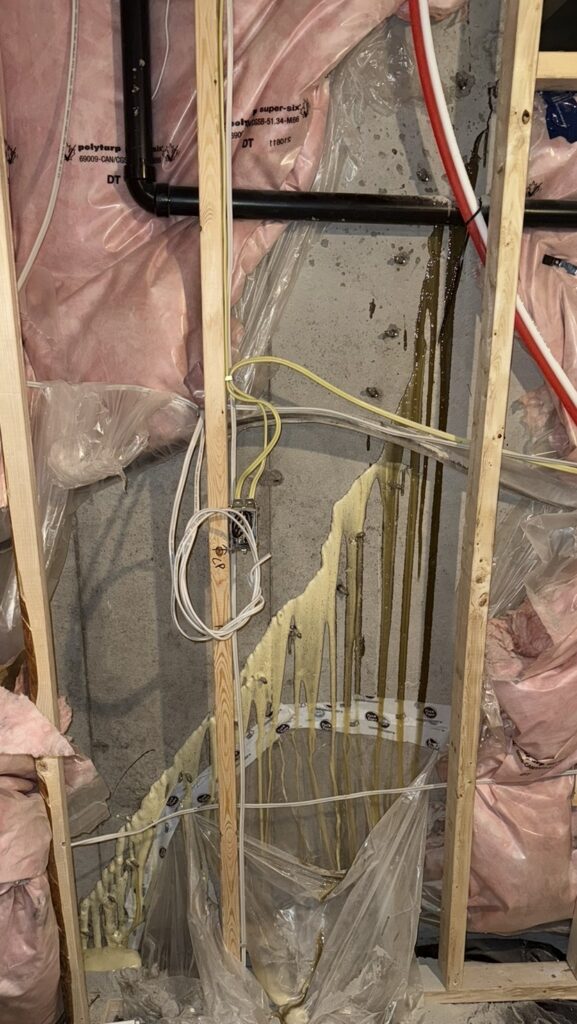
This method strengthens the concrete, preventing future problems. The final inspection ensures that the repair is thorough and successful. Proper execution leads to a durable, reliable repair.
Applications: Where and When to Use Polyurethane Sealant
Polyurethane sealant is versatile, suiting various applications. It’s effective in sealing cracks in basements, foundations, and driveways. Use it to prevent water infiltration and enhance structural integrity.
This sealant works well in both residential and commercial settings. Suitable applications include:
- Retaining walls
- Concrete slabs
- Garage floors
In every case, early intervention can prevent larger issues. The adaptable nature of polyurethane makes it a go-to solution for many.
DIY vs. Professional Foundation Crack Repair
Deciding between DIY and professional repair depends on crack severity. Small cracks might be handled with DIY kits available on the market.
However, for larger or persistent cracks, professional intervention is advisable. Professional services ensure a thorough evaluation and optimal repair. Consider:
- DIY for minor, non-structural cracks
- Professional help for structural or widespread issues
Professional expertise provides peace of mind and long-term assurance.
Maintenance Tips and Final Thoughts
Regular maintenance is key to prolonging concrete integrity. Periodically inspect for new cracks or signs of deterioration.
Early detection prevents costly future repairs. Maintain a regular inspection routine to catch issues early. Consider these tips:
- Schedule yearly inspections
- Address any signs of water infiltration
- Clean and clear debris from around concrete areas
In conclusion, polyurethane injection offers an effective, versatile solution for crack repair. By addressing issues early, you can maintain structural integrity and protect your investment.
For a Free estimate call us now at 1-800-277-5411 or visit our main page for all our services here for: Basement Waterproofing Toronto
FAQs: Polyurethane Injection & Crack Repair (Toronto/GTA)
Is polyurethane injection the same as “PU injection”?
Yes. PU injection is simply shorthand for polyurethane injection, a crack repair method designed to stop water intrusion by sealing the crack internally rather than just patching the surface.
Can you outline a step-by-step process for polyurethane injection on a residential foundation crack?
A professional polyurethane crack injection typically includes:
confirming the crack is the true water entry point,
preparing and cleaning the area,
setting injection points along the crack,
sealing the crack face so resin is directed through the wall,
injecting polyurethane under controlled pressure until the crack is filled, and
verifying the seal and finishing the surface.
In the GTA, the goal is a full-depth seal that stops water at the foundation wall, not a cosmetic patch.
What are the best practices for polyurethane injection in concrete crack repair?
Best practices focus on sealing the full crack path and controlling where the resin goes. That means diagnosing the leak source correctly, using the right injection setup for the wall type, sealing the face of the crack before injecting, injecting in a controlled sequence, and verifying fill before finishing. The most reliable repairs also include guidance on preventing re-occurrence (downspouts, grading, and sump discharge).
What are common causes of polyurethane crack injection failures and how can they be prevented?
Most injection “failures” happen because the crack wasn’t the real entry point, or the underlying water pressure problem wasn’t addressed. Common causes include misdiagnosing a cove joint leak as a wall crack, ongoing foundation movement, multiple seepage paths, poor surface preparation, incomplete fill, or choosing the wrong material for the conditions. Prevention starts with proper diagnosis, using a full-depth injection approach, and addressing water management around the foundation (grading/downspouts/sump discharge).
How do polyurethane injections compare to epoxy methods for crack sealing?
Polyurethane is typically used to stop active leaks because it can expand and seal wet cracks, while epoxy is typically used for structural bonding in dry cracks. If you’re deciding which is right for your foundation, the fastest way to choose is: leaking now = polyurethane; dry structural concern = epoxy.
Will polyurethane injection stop a leak permanently?
For many isolated poured-concrete foundation wall cracks, polyurethane injection is a long-lasting waterproof repair when the crack is the true entry point and there isn’t ongoing movement or broader seepage. If the basement is leaking in multiple locations (especially along the wall–floor joint), a drainage-based solution may be required.
Can polyurethane injection be done from inside the basement?
In most cases, yes. Interior injection is commonly effective because the goal is to seal the crack through the wall thickness and stop water at the point of entry—often without excavation.
Does polyurethane injection work on block foundations?
Sometimes, but block foundations can carry water inside hollow cores, so an isolated “crack repair” isn’t always enough. A professional should confirm the true water path before recommending injection versus a broader waterproofing solution.
How long does polyurethane injection take and when can I finish the wall?
Many polyurethane injections are completed in one visit, but finishing timelines depend on moisture conditions and the specific repair setup. In finished Toronto/GTA basements, it’s smart to monitor for any moisture after heavy rain before closing a wall permanently.
Should I use hydraulic cement or waterproof paint instead of injection?
Surface patching products are often temporary for leaking foundation cracks because they don’t seal through the full wall thickness. Polyurethane injection targets the internal water path, which is why it’s commonly used for active leaks.