What causes a wet basement? A wet basement in Toronto is typically caused by hydrostatic pressure building up in the clay soil outside your foundation. This pressure forces water through cracks, cove joints (where the floor meets the wall), or porous concrete. The permanent fix requires relieving this pressure via Interior Weeping Tiles or sealing the entry point with High-Pressure Injection.
Wet Basement Diagnosis Chart
| If you see water here... | The likely cause is... | The recommended fix... |
|---|---|---|
| Middle of the Floor | Hydrostatic Pressure (Rising Water Table) | Sump Pump + Internal Drainage |
| Where Wall Meets Floor | Cove Joint Seepage | Interior Weeping Tile System |
| Vertical Crack on Wall | Foundation Settling / Freeze-Thaw | Polyurethane Crack Injection |
| Top of Wall (Near Ceiling) | Grading / Landscaping Issue | Exterior Waterproofing & Grading |
Wet Basement Repair in Toronto & the GTA
A wet basement usually starts as basement seepage, a leaking basement wall, or water in the basement after rain. Whether it’s a foundation crack leak, water at the floor‑to‑wall joint, or a window well leak, the right wet basement repair depends on the exact entry point and how much water pressure is building up outside the foundation. We diagnose the source and recommend the best wet basement waterproofing solution to stop the problem long‑term.
What homeowners commonly notice:
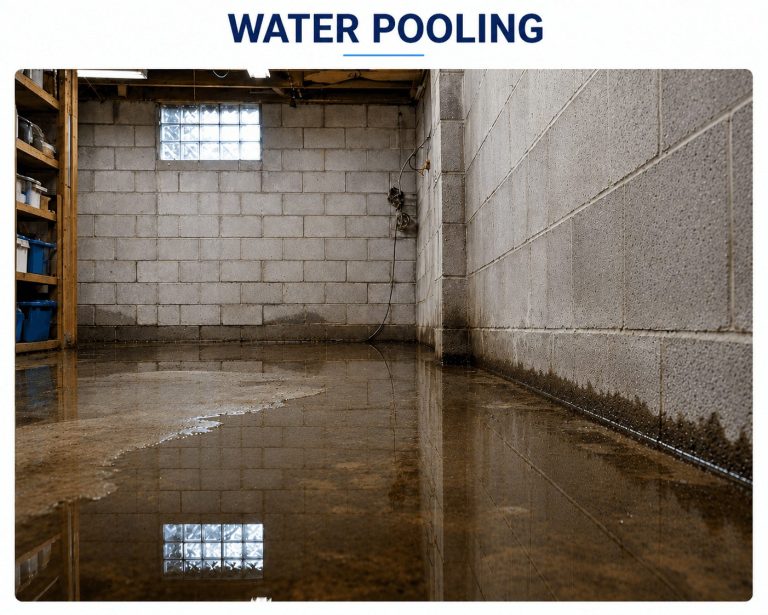
- water on the floor or walls at the base of the wall
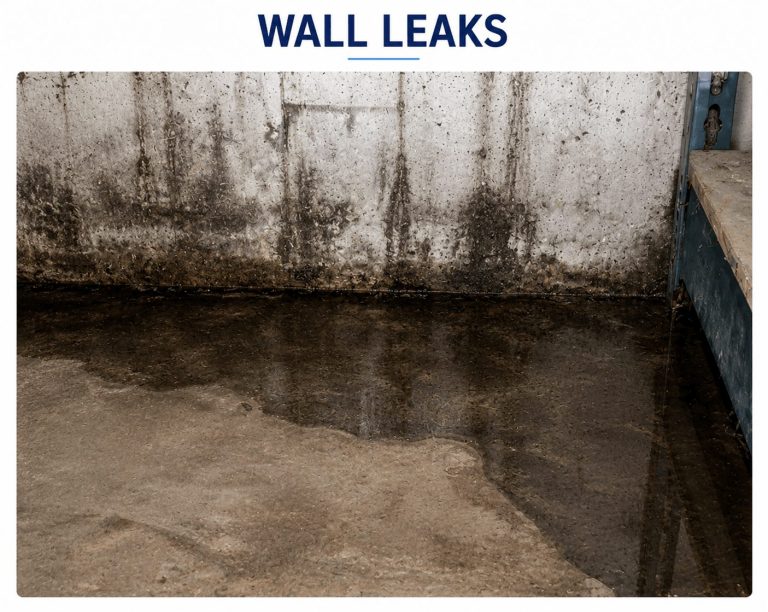
- Water leaking or staining on the basement wall
- White mineral residue (efflorescence) on the foundation wall
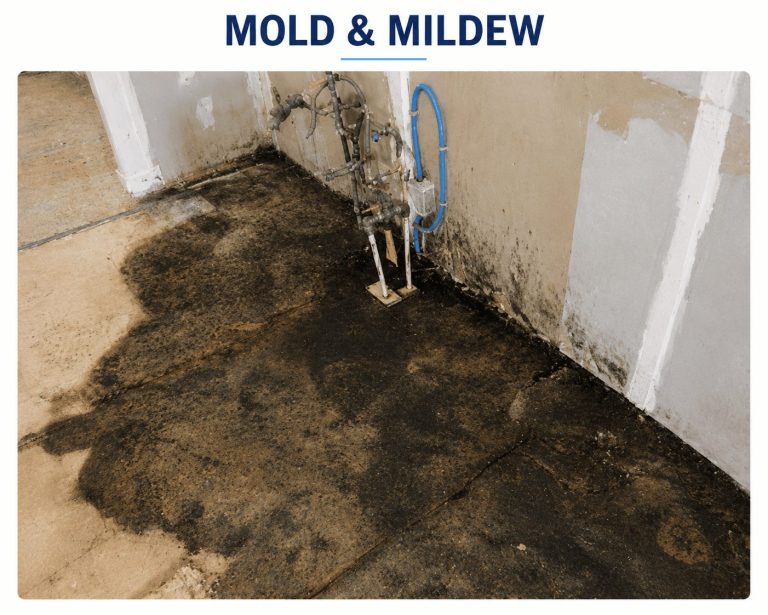
- Odours that return after rain
- Puddles or wet spots that show up in the same place
Typical wet basement repair solutions, based on what we find:
- Repairing a leaking foundation crack (crack injection for poured concrete)
- Interior waterproofing to manage basement seepage at the perimeter
- Exterior waterproofing to stop water before it enters
- Weeping tile / drainage improvements and sump pump solutions
Request a quote using the form on this page or call your office line to book an inspection.
Common Causes Requiring Wet Basement Repair in Toronto
A wet basement repair in Mississauga requires a different approach than one in The Beaches. We tailor our waterproofing solutions based on the unique soil conditions and housing density of your specific GTA neighbourhood.
1. Clay Soil & Hydrostatic Pressure
Impact on Repair: Common in North York & Brampton.
The GTA's dense clay soil traps water against your foundation, creating massive pressure that forces water through cracks.
The Fix: We install Interior Weeping Tile Systems to relieve this pressure before it breaches your floor.
2. Freeze-Thaw Cycle Leaks
Impact on Repair: Common in Poured Concrete (1970s+).
Toronto's "March Melt" causes concrete to expand and contract, creating vertical hairline cracks.
The Fix: We perform High-Pressure Polyurethane Injection to permanently seal these cracks from the inside.
3. Tight Spacing (Urban Density)
Impact on Repair: Common in Downtown & East York.
In older Toronto neighbourhoods, houses are too close together for exterior excavation machinery.
The Fix: We specialize in Interior Wet Basement Repairs that fix the leak without digging up your neighbour's property.
4. Collapsed Clay Weeping Tiles
Impact on Repair: Common in Pre-1980s Homes.
Old terracotta drainage pipes frequently collapse or clog with tree roots.
The Fix: A complete wet basement repair often requires upgrading these to modern PVC drainage pipes with cleanouts.
GET IN TOUCH
Interior vs. Exterior Wet Basement Repair: Which is Right for You?
We often get asked if it's better to stop water from the outside or manage it from the inside. The answer depends on your home's accessibility and budget. Here is how they compare:
| Feature | Interior System (Internal Breakout) | Exterior System (Excavation) |
|---|---|---|
| Best For | Homes with tight spacing, decks, or expensive landscaping. | Homes with accessible yards and severe structural foundation damage. |
| The Process | We trench the perimeter of your basement floor to capture rising water. | We dig down to the footing outside to apply a waterproof membrane. |
| Cost Impact | $$ (More Affordable) | $$$ (Higher Labor Cost) |
| Disruption | Minimal exterior disruption; requires moving basement storage. | Requires excavation equipment; landscaping will need restoration. |
Is your basement waterproof?
Wet basements, foundation leaks, and cracks are not restricted to only old buildings. Moisture content on the walls and surfaces in the basement, with water leaking into it, has become a common sight even in new buildings. Keep in mind that long-term water exposure in your basement can even erode the value of your home.
Why basements leak?
When the basement of your house is excavated, the soil that backfills the foundation would be loose compared to the surrounding ground, which remains undisturbed. This makes it easier for the water to quickly seep through the loose soil and accumulate. When the foundation walls are constructed and the ground is backfilled, this loose soil with a high amount of moisture is packed against the walls. As water accumulates in the soil over the years, it tries to seep into the foundation walls, further causing them to age and deteriorate.
The right waterproofing methods to keep your basement dry.
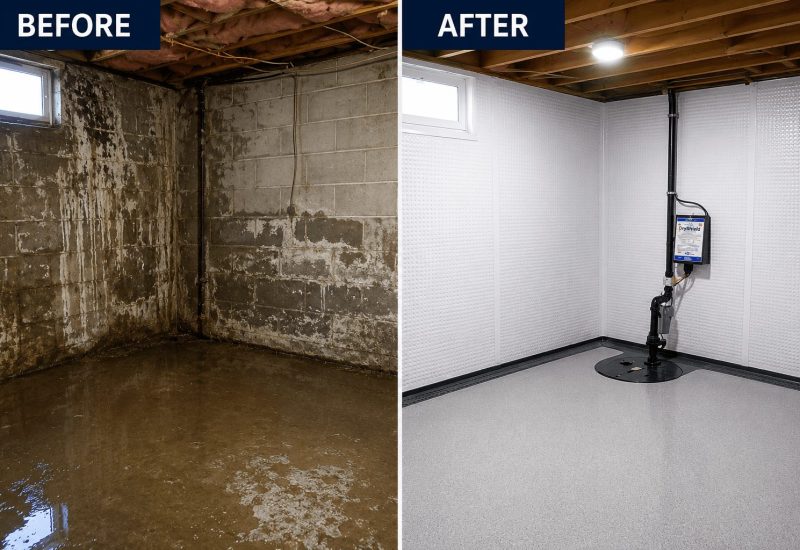
To stop your basement from leaking, you must first reduce the pressure built up in the soil surrounding it. Layers of waterproofing, protecting the walls, with a well-laid drainage system consisting of sump pumps and weeping tiles, are necessary. This system redirects the water away from the soils surrounding the foundations, thus allowing it to dry.
Wet Basement Waterproofing and Repair Options
Not every wet basement leak is the same. Some basements get water through a single foundation crack. Others get basement seepage along the floor‑to‑wall joint, around window wells, or through multiple weak points when water pressure builds up outside. The best wet basement repair is the one that matches the entry point, the foundation type, and the leak pattern.
Interior Waterproofing for a Wet Basement (from inside)
Interior waterproofing is often recommended when basement seepage shows up along the perimeter—especially at the floor‑to‑wall joint—or when exterior access is limited. An interior drainage approach is designed to manage water intrusion and keep the basement dry and usable. For more information please visit our Interior Basement Waterproofing page.
Foundation Crack Repair and Crack Injection
If the wet basement is caused by an isolated crack in a poured concrete foundation wall, crack injection can be a strong solution. It targets the specific crack where water is entering and helps stop that leak point without a broader perimeter system when the issue is truly isolated. For more information visit our crack injection page.
DryShield Water Solutions – trusted for over 25 years across Canada.
Our Wet Basement Repair Process
Inspect the wet areas and identify the leak pattern (when it happens and where it shows up)
Confirm the most likely entry point(s): foundation cracks, joints, window wells, corners, and drainage factors
Recommend the right wet basement repair and waterproofing approach for your home
Provide a clear written scope of work and quote
Complete the repair and walk you through what was done and what to expect next
Wet Basement Repair Cost (what affects pricing)
Wet basement repair cost varies depending on:
Whether the leak is isolated (one crack) or spread across multiple areas
The repair method required (targeted crack repair vs perimeter seepage control vs exterior work)
Access and site conditions (finished areas, tight spaces, exterior obstacles)
How much of the basement perimeter is affected
For a quick ballpark estimate, you can use the cost calculator here:
https://www.dryshield.ca/cost-calculator/
Why Homeowners Choose DryShield
Based in Toronto and serving the GTA
Fully insured contractors
Wet basement repair recommendations based on the real entry point, not guesswork.
Warranty details provided in writing
For wet basement repair, call 1.800.277.5411 or request a quote using the form on this page or visit guid on our home page at: Dryshield Basement waterproofing for all our services
Exterior Waterproofing for a Leaking Basement (from outside)
Exterior waterproofing is typically used when water is pushing through the foundation wall from outside and access allows us to address the problem at the source. This approach helps stop water before it enters and reduces ongoing moisture pressure on the foundation.
To learn more about DryShield’s External Waterproofing service click here.
Sump Pumps and Sump Pits for Water in the Basement
When water pressure and groundwater are a factor, a sump pump solution can help manage water and reduce the chance of water accumulating under or around the basement. A properly planned system helps keep basement water intrusion under control during wet weather.
What is the most common cause of a wet basement?
The most common cause of a wet basement is “Hydrostatic Pressure.” This occurs when the soil outside your foundation becomes saturated with water (often due to clay soil or poor drainage), creating massive weight that pushes water through microscopic pores, cracks, and joints in your concrete walls.
Top 3 Culprits in Toronto Homes:
- The “Clay Bowl” Effect: Dense clay soil traps water against the foundation instead of letting it drain away.
- Clogged Weeping Tiles: Old clay drainage pipes (pre-1980s) often collapse or block with tree roots.
- Grading Issues: If the ground slopes toward your house, roof water dumps directly against the wall.
- Expert Insight: If you see white powder (efflorescence) on your walls, that is the surest sign of hydrostatic pressure pushing mineral-rich water through your foundation.
Is “basement seepage” different from a “leaking basement”?
Yes, they are different, though both damage your home. “Seepage” is the slow migration of moisture through porous concrete (capillary action), while a “Leak” is a physical flow of water through a void or crack.
| Type | Symptoms | Likely Cause |
| Seepage | Damp spots, musty smells, peeling paint, white powder. | Porosity & Hydrostatic Pressure. |
| Active Leak | Visible water trickling, puddles after rain. | Foundation Crack, Tie Rod Hole, or Window Well. |
Should I choose interior or exterior waterproofing?
The right choice depends heavily on your home’s accessibility and the type of foundation damage. In the GTA, we often recommend Interior Systems for high-density neighbourhoods where houses are close together.
- Choose Interior Waterproofing If: You have a finished deck, expensive landscaping, or neighbors close by. It relieves pressure from under the floor.
- Choose Exterior Waterproofing If: You have an unfinished yard and want to stop water from ever touching the wall. It is the best way to preserve the foundation structure long-term.
- Pro Tip: An inspection is required to decide. If the wall is bowing structurally, you MUST excavate from the outside to reinforce it.
Can a wet basement be fixed permanently?
Yes, a wet basement can be permanently fixed if you address the root cause (Drainage) rather than just the symptom (The Crack). Simply patching a wall without relieving the water pressure outside will cause the leak to move to a new spot.
Our Permanent Solutions Include:
Internal Weeping Tiles: A permanent drainage pipe installed under your floor to capture rising water forever.
Delta-MS Membrane: An air-gap membrane that directs wall water down to the drain, ensuring the wall never stays wet.
Transferable Warranty: We back our systems with a lifetime written guarantee that stays with the house if you sell it.
What should I do if I have water in the basement right now?
Safety is your first priority. Water conducts electricity, and a flooded basement can be a shock hazard. Follow these emergency steps immediately:
Check for Shock Hazards: If the water level has reached electrical outlets or baseboard heaters, DO NOT enter the water. Turn off the main power if the panel is dry and accessible.
Protect Valuables: Move boxes, furniture, and electronics to a higher floor or up on blocks.
Identify the Source: Is it coming from a specific crack, a window, or backing up from the floor drain? (This helps us diagnose the fix).
Call for Help: Contact us immediately to book an emergency inspection and stop the damage from spreading.
DryShield is an IICRC Certified waterproofing company in Toronto. We have 25 years of experience in this industry and have been listed as one of the best waterproofing companies in Canada. For any wet basement repair, call us at 1-800-277-5411 or use our free online waterproofing estimate tool.