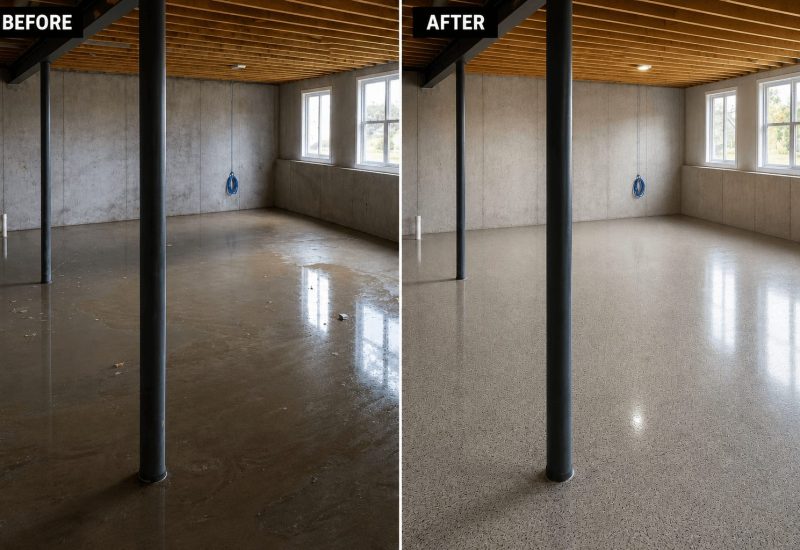
A leaking basement can cause significant damage if not repaired quickly. Basement Leak Repair is essential for protecting your foundation. At Dryshield Waterproofing, we specialize in resolving basement leaks in Toronto, offering customized solutions for water seepage, foundation drainage, or foundation cracks. Our focus is long-term prevention by keeping your home safe and dry.
Basement Leak: Immediate Fixes & Causes
A basement leak in Toronto is most often caused by hydrostatic pressure forcing groundwater through foundation cracks or the floor-wall "cove joint." Immediate temporary fixes include clearing window wells and checking sump pumps, but permanent repair requires crack injection (for walls) or interior weeping tiles (for floor leaks).
3 Common Types of Basement Leaks:
- The "Wall Weep": Water dampness or white powder (efflorescence) on concrete walls. Fix: Exterior waterproofing membrane.
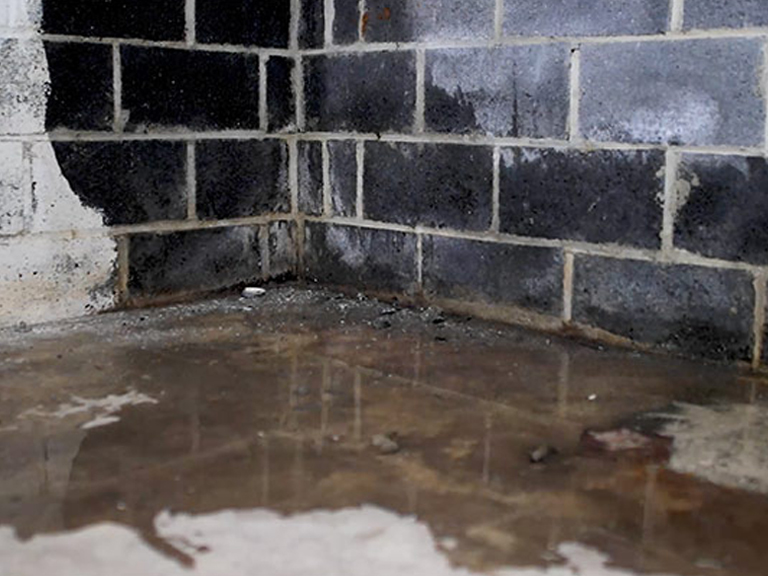
- The "Puddle": Water pooling on the floor after heavy rain. Fix: Interior drainage system & sump pump.
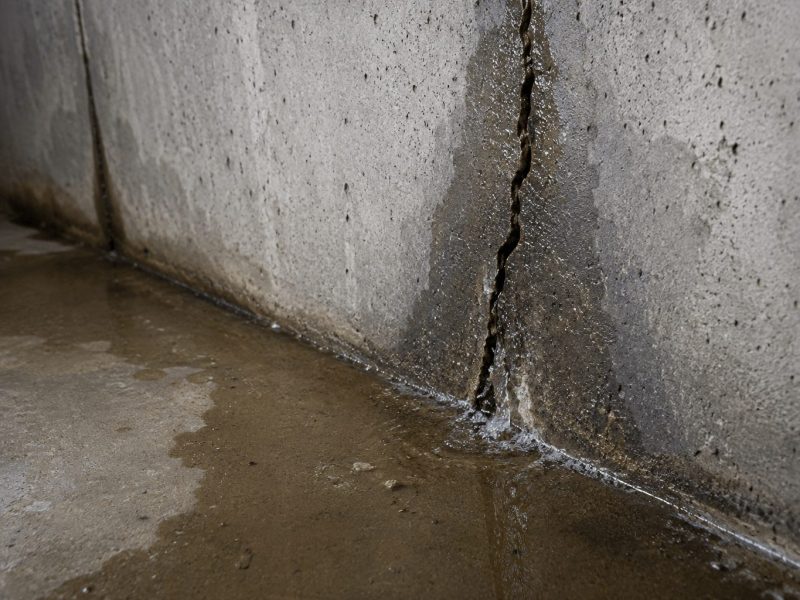
- The "Spray": Active water coming through a vertical crack. Fix: Polyurethane crack injection.
Pro Tip: In Southern Ontario, leaks often spike during the "Spring Thaw" (March-April) when frozen ground melts against the foundation.
Step 1: How to Find the Source (The "Hose Test")
If the source of the water isn't obvious, professionals use a water test to isolate the issue. You can perform a safe version of this yourself:
- Wait for a Dry Day: Ensure the ground is dry so you don't confuse rain seepage with your test.
- Isolate the Wall: Use a garden hose to soak one specific section of the exterior ground near the suspected leak for 5 minutes.
- Check Inside: Have a partner watch the interior wall. If water appears quickly, the issue is likely a direct path (rod hole or crack). If it takes hours, it is likely absorption/seepage.
- Move & Repeat: Move the hose 5 feet over and repeat until the leak is located.
Step 2: Common Causes & Fixes
Once you have identified the location, match the cause to the correct repair method. Warning: Using hydraulic cement on a moving structural crack will fail because the cement cannot expand with the wall.
| If the Cause Is... | The Correct Fix Is... |
|---|---|
| Foundation Cracks (Vertical) | Epoxy Injection: Fills the void from inside and flexes with the wall. |
| Hydrostatic Pressure (Floor/Wall Joint) | Interior Weeping Tile: A drainage system installed under the floor to relieve pressure. |
| Honeycombing (Porous Concrete) | Exterior Waterproofing: Excavating and applying a waterproof membrane to seal the pores. |
| Clogged Weeping Tile | Sump Pump & Cleanout: Flushing the system or installing a new pump to force water away. |

Signs You May Need Basement Leak Repair
Basement leaks aren’t always easy to spot, and many homeowners miss the early signs until the problem worsens. Look out for these common indicators that you may need basement leak repair:
- Water seepage on walls or floors: Usually brown or yellow, these stains often appear after rain or snow melt. They are early indicators of water intrusion and shouldn’t be ignored, as they can signal an ongoing leak.
- Musty odours that linger even after cleaning: A persistent musty smell may signal hidden foundation water seepage. Even if you don’t see water, the odour is a strong sign that dampness affects your basement environment.
- Visible mould or mildew: Commonly found around the base of walls or in corners where dampness persists. Mold growth not only damages surfaces but can also pose serious health risks if left untreated.
- Efflorescence (chalky, white deposits): These mineral traces show where water has evaporated from concrete surfaces. While not harmful themselves, they point to continuous moisture issues that can weaken foundation materials over time.
- Cracks in the foundation walls or floor: Even small cracks can allow water to seep in over time. They may expand if water freezes inside them or if the soil shifts, potentially threatening the stability of your home.
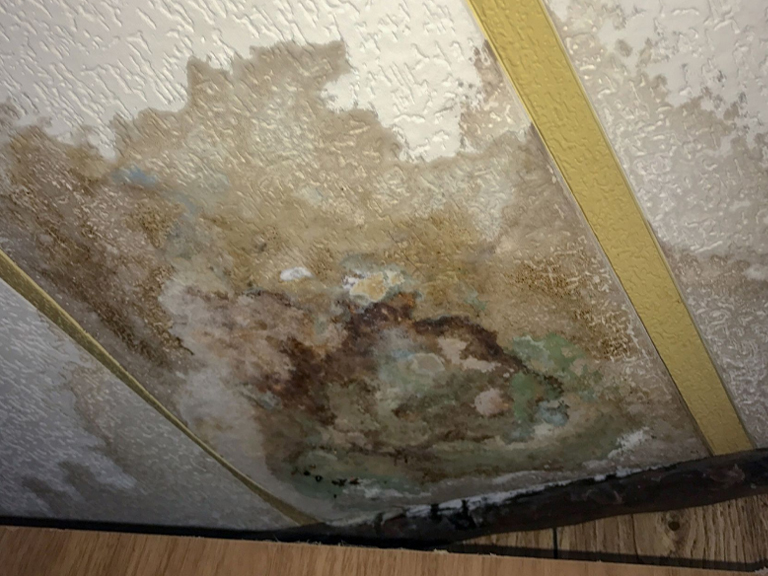
- water seepage paint or drywall: Signs of moisture trapped behind finished surfaces.
- This damage of a leaking basement indicates that water is affecting not just the structure but also the interior finishes of your basement.
- Condensation on windows or pipes: A sign of high humidity and potential water intrusion. If condensation is constant, it could lead to mold growth and structural wood damage.
- Warped or buckling floorboards and trim: Moisture beneath finished floors often leads to visible warping. This is a clear sign that water is infiltrating your basement and damaging the materials inside.
If you notice any of these signs, such as water seepage or musty odours, you may be dealing with a Leaking Basement. Prompt action can prevent further damage and protect your home from expensive repairs.
DIY vs. Professional: When Should You Call an Expert?
Minor moisture issues can sometimes be managed with gutter cleaning, but certain signs indicate a structural problem that requires professional waterproofing.
⚠️ Call a Professional Immediately If:
- ❌ The Water is Muddy: Clear water is usually rain/seepage. Muddy water means soil is washing out from under your foundation, creating a void.
- ❌ The Crack is Wide (>1/8 inch): If you can fit a dime into a foundation crack, it may be a structural issue, not just a leak.
- ❌ You See "Horizontal" Cracks: Vertical cracks are common; horizontal cracks on a wall often mean the foundation is bowing under pressure.
- ❌ Mold is Visible: If you smell must or see mold, moisture has been present for over 48 hours. Professional remediation is required for safety.
- ❌ Recurrent Leaks: If you’ve patched it before and it leaked again, the hydrostatic pressure is too high for a surface patch.
What Should You Know Before Starting Foundation Waterproofing?
Ignoring a basement leak doesn’t make it go away—it makes it worse. What starts as a small water spot can quickly escalate into serious structural issues. Here’s what could happen if you delay basement leak repairs:
1. Mold and Mildew Growth
Moist environments are the perfect breeding ground for mould and mildew. These fungi damage materials and release airborne spores that can cause respiratory issues, allergies, and other health concerns—especially for children, seniors, and those with asthma.
2. Foundation Seepage
Water infiltration weakens the integrity of your home’s foundation. Over time, cracks grow, walls bow, and structural elements can shift. Left untreated, you may face major repairs or even a compromised foundation.
3. Electrical Hazards
Water and electricity don’t mix. Leaking basements can risk electrical wiring and outlets, increasing the chances of short circuits, fire hazards, and electrocution.
4. Decreased Property Value
No homebuyer wants a wet basement. Signs of leaks, stains, or mould can reduce your home’s value and make it harder to sell. Insurance claims related to leaking basements may also increase premiums or limit coverage.
5. Damaged Belongings
Water seepage can destroy furniture, electronics, personal items, and valuables, whether you use your basement for storage, living space, or a home gym.
6. Increased Energy Bills
Moisture in the basement increases humidity, making your HVAC system work harder to maintain temperature. This leads to higher heating and cooling costs.
Timely basement leak repair not only prevents these issues but also helps maintain your home’s safety, value, and comfort. If you’re facing Leaky Basement Toronto concerns, it’s crucial to address them as soon as possible to avoid further complications.
Troubleshooting: What Your Leak is Telling You
Not all wet basements are the same. Use this chart to identify the likely source of your leak based on what you see.
| Symptom | Likely Cause | Urgency |
|---|---|---|
| Water Seepage (Wall/Floor Joint) | Hydrostatic Pressure (Rising Water Table) | High |
| Damp Spots / Discoloration | Porous Concrete or Minor Cracks | Medium |
| White Powder (Efflorescence) | Slow Seepage / Mineral Leaching | Low (Early Warning) |
| Musty Smell (No Water) | High Humidity / Hidden Mold | Medium |
What Are the Best Ways to Fix a Basement Leak?
Fixing a basement leak begins with identifying the source. At Dryshield Waterproofing, we offer comprehensive services including Leaky Basement Repair to ensure your home remains dry and safe.
1. Interior Waterproofing
This method involves managing water from the inside of your basement. It includes:
- Installing an internal drainage system or weeping tiles beneath the basement floor.
- Connecting the system to a sump pump to remove water efficiently.
- Applying vapour barriers or waterproof wall membranes to prevent moisture penetration.
Interior waterproofing is especially useful when excavation is not practical.

2. Exterior Waterproofing
Exterior solutions address water before it enters your home. This often involves:
- Excavating around the foundation to access and clean the exterior walls.
- Applying waterproof coatings and membranes to the foundation.
- Installing new weeping tiles and drainage systems to redirect water away.
Exterior waterproofing is highly effective and provides long-term protection but requires more labour and investment.
3. Foundation Crack Injection
Cracks are common sources of leaks. We seal them using high-pressure injections of polyurethane or epoxy. These materials expand to fill even the smallest crevices, providing a permanent seal.
4. Sump Pump Installation and Maintenance
Sump pumps play a crucial role in managing basement water. We install reliable pumps and backup systems, ensuring that your basement remains dry even during heavy rainfall or power outages.
5. Grading and Downspout Adjustments
Sometimes, the issue stems from poor drainage around the property. Adjusting landscape grading and extending downspouts can help divert water away from the foundation.
Each home is different, and that’s why we conduct a full inspection before recommending the right solution.
Basement Leak vs. Seepage: What is the difference?
While often used interchangeably, there is a technical difference that affects how we repair it.
- Basement Seepage: This is usually slow water intrusion caused by hydrostatic pressure forcing moisture through porous concrete or the cove joint (where the wall meets the floor). It often looks like damp patches or sweating walls.
- Basement Leak: A leak is typically a distinct entry point, such as a tie-rod hole, a vertical wall crack, or a pipe penetration, where water flows more freely during rain or snowmelt.
Estimated Basement Leak Repair Costs in Toronto (2025)
Costs vary based on the method required. Here are the average price ranges for common leak repairs in the GTA.
| Repair Method | Estimated Cost | Time to Fix |
|---|---|---|
| Foundation Crack Injection | $600 – $1,000 (per crack) | 2–4 Hours |
| Interior Weeping Tile System | $70 – $150 (per linear ft) | 1–2 Days |
| Exterior Waterproofing | $150 – $300 (per linear ft) | 3–5 Days |

Who Should You Trust for Reliable Basement Leak Repair Services?
When it comes to basement leak repair, you need a partner with expertise, integrity, and a proven track record. That’s where Dryshield Waterproofing stands out.
Why Homeowners Across Toronto Choose Dryshield:
1. Trusted Experts in the Industry
With decades of experience, we’ve handled every kind of basement leak scenario imaginable. From minor hairline cracks to large-scale foundation issues, we’ve seen it all—and fixed it all.
2. Certified and Insured Team
All our technicians are fully trained, licensed, and insured. We stay updated on industry standards, use the latest tools, and follow strict safety protocols.
3. Custom Waterproofing Solutions
No two homes are the same. We design each solution to address your specific leak and structural needs. Whether you need internal waterproofing or full excavation, we’ve got you covered.
4. Comprehensive Warranties
We believe in the quality of our work. That’s why we offer industry-leading repair warranties, giving you long-term peace of mind.
5. Recognized and Featured
Our work has been featured in top industry publications and shows, including HomeStars, Holmes Magazine, and “Love It or List It,” reinforcing our reputation as one of Toronto’s most trusted waterproofing contractors.
6. Transparent Process from Start to Finish
From the initial inspection to the final clean-up, we keep you informed every step of the way. There are no hidden fees or surprises—just honest, reliable service.
How to Fix a Leaky Basement: A Step-by-Step Guide
To fix a basement leak permanently, you must address both the water source and the entry point.
- Identify the Source: Determine if the water is coming from a wall crack, the floor joint, or a window well. (See our diagnostic chart above).
- Manage Exterior Drainage: Before spending money on repairs, ensure your gutters are clean and downspouts extend at least 6 feet away from your foundation.
- Seal the Crack (Interior): For vertical wall cracks, an epoxy or polyurethane injection can seal the void and stop water instantly.
- Install Drainage (Interior): If water is coming up through the floor, a French drain (weeping tile) system is required to relieve hydrostatic pressure.
- Seal the Wall (Exterior): For severe foundation deterioration, the soil must be excavated, and a waterproof membrane applied to the exterior wall.

Why Toronto Homes are Prone to Leaks (Local Insight)
Toronto’s unique geography creates specific waterproofing challenges that we see every day:
- Clay Soil (North York & Scarborough): Dense clay expands when wet, putting immense “Hydrostatic Pressure” on foundation walls, causing horizontal cracks.
- High Water Table (Etobicoke & Beaches): Homes near the Humber River or Lake Ontario often face rising groundwater that pushes up through floor cracks.
- Old Foundations (Downtown & The Annex): Many Victorian homes have porous brick or stone foundations that require specialized exterior sealing rather than simple patching.
Ready to Protect Your Basement?
If you have a leaky basement, don’t wait for it to get worse. Contact Dryshield Waterproofing for a free, no-obligation inspection. Our experts will evaluate your home, identify the root of the problem, and recommend the best solution tailored to your needs and budget.
Whether you’re dealing with minor leaks or major foundation issues, we have the tools, technology, and experience to solve the problem—permanently.
Contact Dryshield Waterproofing today to schedule your inspection and take the first step toward a dry, safe, and healthy home.
Or for more information visit our main guide: Basement Waterproofing
FAQ
Yes. In fact, fixing a basement from the inside is often the preferred method for homes in dense urban areas where digging up the exterior is impossible due to decks, fences, or tight property lines.
However, industry experts typically distinguish between two types of interior repairs: Crack Injections (for specific leaks) and Internal Drainage Systems (for general wetness).
1. The Two Ways to Fix It From Inside
A. Epoxy/Polyurethane Crack Injection (The “Spot Fix”)
If you have a poured concrete foundation and water is leaking through a single visible vertical crack, this is the solution.
- How it works: A technician drills ports into the crack and injects a specialized expanding resin. This fills the crack from front to back, permanently sealing it.
- Best for: Isolated leaks in unfinished basements.
- Not for: Cinder block foundations or floor-level leaks.
B. Internal Perimeter Drainage (The “Management Solution”)
If water is seeping up where the floor meets the wall (the “cove joint”) or your basement is generally damp, you need a drainage system.
- How it works: We break the concrete floor along the perimeter, install a drainage pipe (weeping tile) and a dimpled membrane, and route the water to a Sump Pump, which ejects it away from your house.
- Technique: This doesn’t strictly “block” the water; it relieves hydrostatic pressure by giving the water an easy path out, keeping your floor dry.
2. When is “Inside” actually better?
You should choose the interior solution if:
- You have a finished exterior: You have an expensive patio, deck, or pool right against the house that you don’t want to destroy.
- It is Winter: You have a leak in January (common during thaws). Exterior digging is often impossible or exorbitantly expensive in winter.
- Hydrostatic Pressure is the cause: If groundwater is pushing up under your floor slab, exterior waterproofing won’t stop it. You must use an interior sump pump system to relieve that pressure.
3. Comparison: Interior vs. Exterior Repairs
| Feature | Interior Waterproofing | Exterior Waterproofing |
|---|---|---|
| Primary Goal | Manage Water: Capture it and pump it out. | Block Water: Stop it from touching the wall. |
| Cost | Lower ($$) - Less labor-intensive. | Higher ($$$) - Requires heavy excavation. |
| Weather Dependency | Year-Round: Can be done in winter. | Seasonal: Cannot dig in frozen ground. |
The cost to fix a leaky basement typically ranges from $600 to $1,000 for simple crack repairs, while full waterproofing systems cost between $70 and $300+ per linear foot. The final price depends heavily on whether the repair is done from the inside (managing the water) or the outside (blocking the water).
| Repair Method | Average Cost (CAD) | Best Use Case |
|---|---|---|
| Crack Injection | $600 – $1,000 (Flat Rate) | Single, visible vertical cracks in poured concrete. |
| Interior System | $70 – $120 (Per Foot) | General dampness; high water tables; finished exteriors. |
| Exterior System | $150 – $300+ (Per Foot) | Structural protection; block foundations; permanent waterproofing. |
What Factors Increase the Price?
While the averages above cover standard homes, three main factors can increase your quote:
- Foundation Depth: A “deep pour” basement (8ft+) requires more labor and safety shoring than a standard 7ft basement.
- Accessibility: If machinery (mini-excavators) cannot fit between your houses, the crew must dig by hand, which raises labor costs.
- Obstructions: Removing and reinstalling decks, AC units, or concrete walkways are often billed as separate line items.
Most standard home insurance policies do not cover water damage from foundation leaks,
seepage, or poor drainage unless a specific option is added to the policy. Most policies do offer optional coverage for sewer backup or overland flooding . If water damage occurs, homeowners should review their policy and consult their insurer to determine coverage eligibility.
The most effective way to stop water from leaking into a basement after heavy rain is to improve your exterior drainage. In over 90% of cases, the leak is caused by roof water pooling next to the foundation rather than a structural failure. The immediate fix is to clean your gutters and ensure your downspouts extend at least 6 feet away from the house.
| Step | The Fix | Why It Works | Cost |
|---|---|---|---|
| 1. Extend Downspouts | Add a plastic extension to move water 4-6ft away. | Prevents roof water from dumping directly onto the foundation wall. | $ (DIY) |
| 2. Clean Gutters | Remove leaves and debris. | Stops water from overflowing the gutter edge and saturating the soil below. | $ (DIY) |
| 3. Fix the Grading | Add soil to create a "positive slope" away from the house. | Uses gravity to guide surface water away before it sinks in. | $$ (DIY/Pro) |
| 4. Waterproofing | Install an interior sump pump or exterior membrane. | Physically manages groundwater if the water table is rising from below. | $$$ (Pro) |
Why does this happen only after heavy rain?
If your basement is dry most of the time but leaks during storms, the issue is likely Hydrostatic Pressure.
- When soil becomes saturated, the water weight pushes against your foundation walls.
- This pressure forces water through microscopic cracks, “cove joints” (where the wall meets the floor), or porous concrete.
- The Solution: By moving surface water away (Steps 1-3), you reduce the saturation level, lowering the pressure on your walls so they stop leaking.
Flex Seal and similar rubberized coatings provide a temporary surface-level seal but do not
address the underlying issue. Basement leaks are often caused by hydrostatic pressure,
foundation cracks, or poor drainage, which require professional solutions such as crack injection, weeping tile systems, or exterior waterproofing. Over time, water pressure can compromise superficial coatings, leading to recurring leaks.
Yes, foundation cracks can be repaired from the inside using high-pressure hydrophobic polyurethane crack injections. The Polyurethane expands to fill the crack and create a flexible, waterproof seal, making it ideal for active leaks. Epoxy provides a rigid, structural bond for non-moving cracks and typically used more for structural purposes.
While effective for most cases, severe foundation movement or external water pressure may
require exterior excavation and waterproofing for a long-term solution.