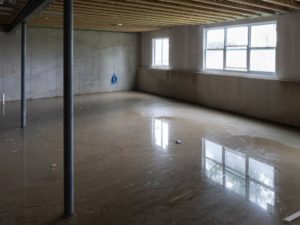
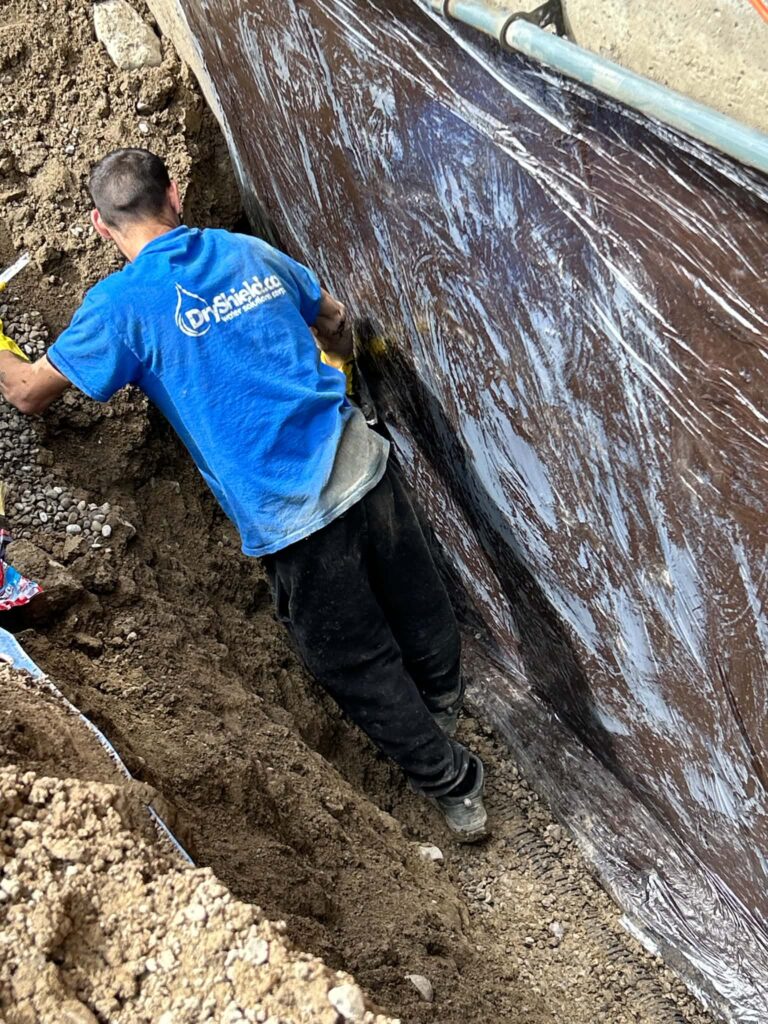
Quick Answer for GTA homeowners: Standard home insurance in Ontario does not cover gradual basement seepage, foundation cracks, or preventive waterproofing — these are classified as maintenance issues. It does cover sudden, accidental water damage only if you’ve added optional endorsements: sewer backup ($40–$80/year), sump pump failure ($30–$60/year), and overland water ($50–$120/year). Foundation crack injection ($650–$1,000 per crack) is almost never covered. The best ROI move is to add all three endorsements and waterproof your basement professionally so you never need to file a claim that may be denied anyway.
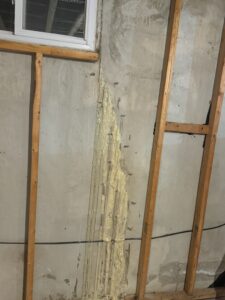
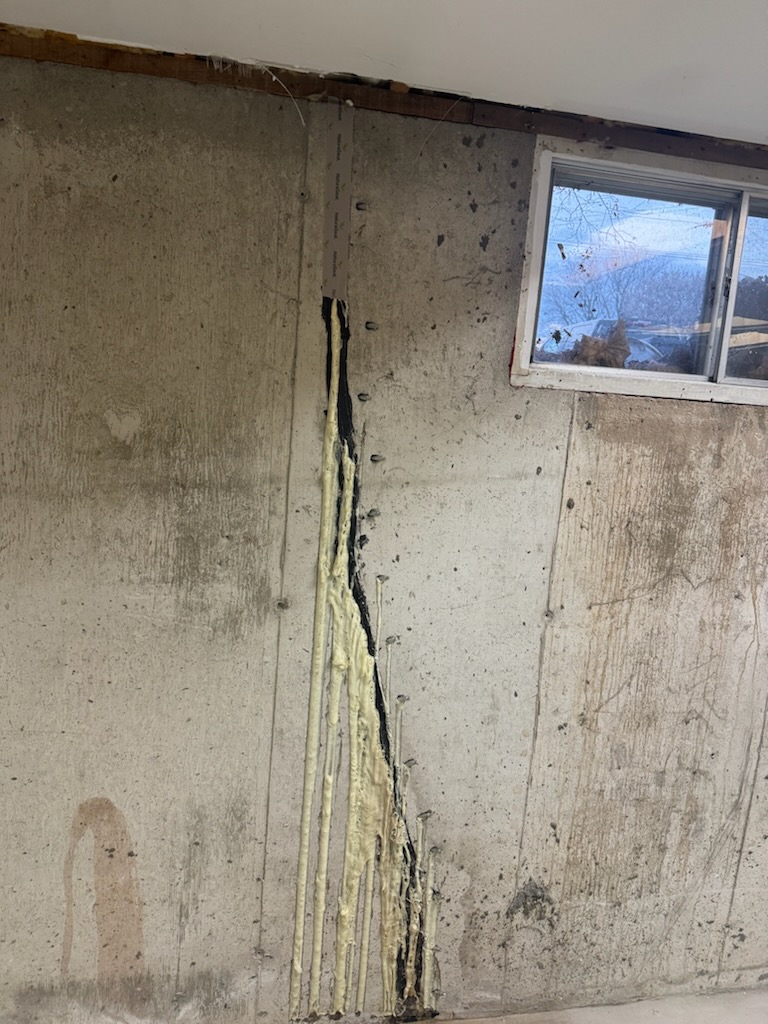
Whatever your policy covers, here is what professional foundation crack repair involves and how we quote it.
This guide applies to home insurance policies across Ontario, since insurance regulations and policies are set at the provincial level. Dryshield Basement Waterproofing services the GTA and surrounding 150 km — see the bottom of this guide for our full service area.
What Home Insurance Actually Covers vs Doesn’t in Ontario (2026)
Most GTA homeowners discover, after a basement flood, that their standard home insurance policy only covers a narrow band of water-related damage. Here’s the complete coverage matrix for 2026:
| Coverage Type | Covered? | Deductible | Average Payout |
|---|---|---|---|
| Sudden burst pipe inside wall | ✓ Standard | $500–$1,000 | $5,000–$30,000 |
| Sewer backup through floor drain | Only with endorsement | $1,000–$2,500 | $10,000–$50,000 |
| Sump pump failure during storm | Only with endorsement | $1,000 | $5,000–$25,000 |
| Overland flooding (storm runoff) | Only with endorsement | $1,000–$5,000 | $5,000–$50,000 |
| Gradual basement seepage | Never covered | N/A | $0 |
| Foundation cracks (any cause) | Never covered | N/A | $0 |
| Preventive waterproofing | Never covered | N/A | $0 |
| Mold from a covered water event | Limited (cap $5K–$15K) | $1,000 | $1,000–$10,000 |
The key insight: every basement damage scenario except a sudden burst pipe requires an optional endorsement. Most Ontario homeowners don’t know they need three separate add-ons until after their first denied claim.
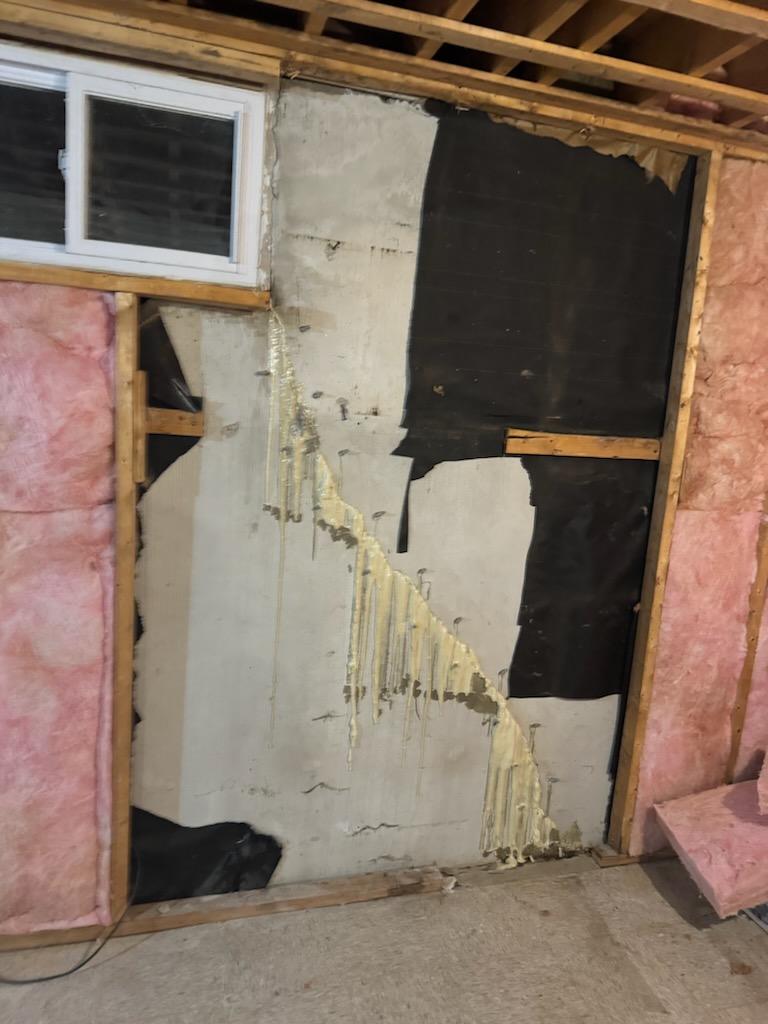
The Three Insurance Endorsements Every Ontario Homeowner Needs in 2026
1. Sewer Backup Endorsement ($40–$80 per year)
What it covers: Sewage flowing backward through floor drains, toilets, or basement showers during heavy rain events when municipal sewers overload.
This is the most common basement insurance claim type across Toronto, Mississauga, Brampton, Vaughan, and Richmond Hill. Without this endorsement, you’re personally on the hook for the full cleanup cost — typically $15,000 to $50,000 once you factor in extraction, dehumidification, drywall replacement, flooring, contents, and mold remediation.
Most Ontario insurers offer sewer backup coverage up to a sub-limit of $20,000 to $50,000. If your finished basement is worth more than the sub-limit, request the highest available amount and check whether the sub-limit applies separately to building, contents, and additional living expenses, or as a combined cap.
2. Sump Pump Failure Endorsement ($30–$60 per year)
What it covers: A sump pump fails mechanically (motor burnout, float switch failure) or loses power during an outage, and groundwater enters the basement.
This endorsement is critical for any home with a sump pit — which means nearly every interior-waterproofed basement in the GTA. The most common cause of failure is power loss during the same summer thunderstorm that’s overwhelming the sump system. Pair this endorsement with a battery backup sump pump for true protection (which Dryshield includes in every interior waterproofing installation).
3. Overland Water Endorsement ($50–$120 per year)
What it covers: Surface water from heavy rain, snowmelt, or river flooding that enters the home above ground level (through a basement window, sliding door, or grade-level entry).
This is the youngest of the three endorsements (introduced in Canada around 2015 after the Toronto and Calgary floods). It’s increasingly important for properties near the Don River, Humber River, Credit River, Etobicoke Creek, Duffins Creek, Carruthers Creek, or any urban floodplain zone. If your home is in a designated flood risk area, your insurer may decline this coverage entirely or apply a high deductible.
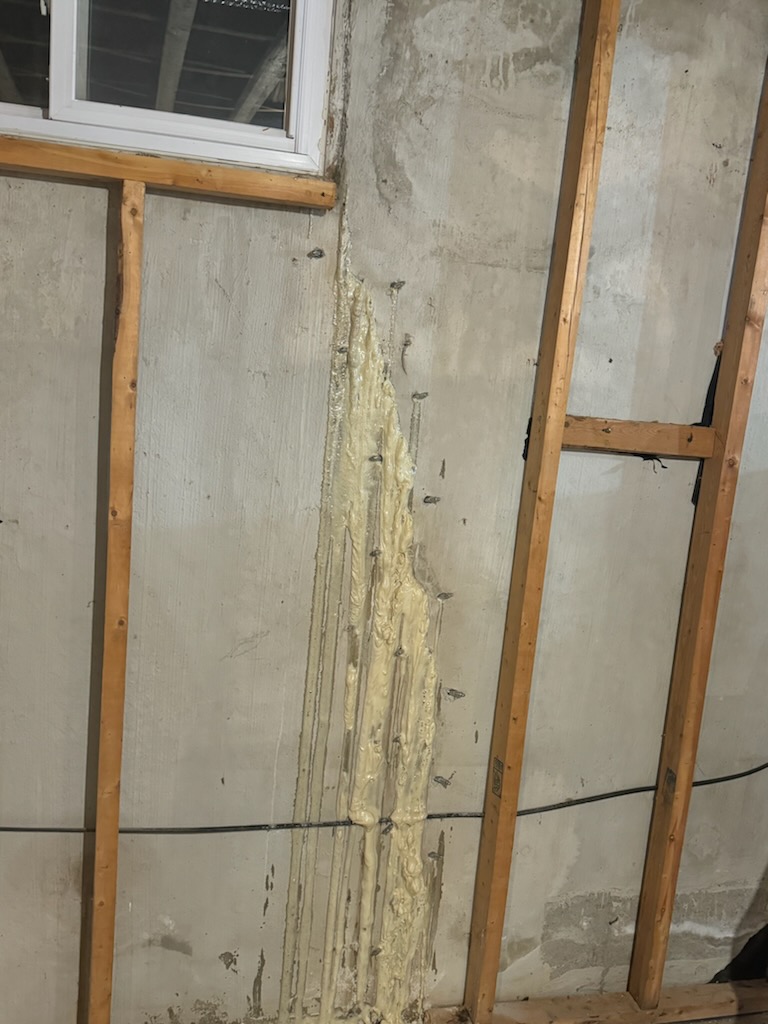
What Does Home Insurance Cover for Foundation Cracks in Ontario?
Direct answer: foundation crack repair itself is almost never covered. Foundation cracks fall into the “wear and tear” or “maintenance” exclusion in every standard Ontario home insurance policy. Insurers argue that cracks develop gradually over years from clay soil expansion, freeze-thaw cycles, and structural settlement — therefore the cracks are the homeowner’s responsibility.
If water enters your basement through a foundation crack during a heavy storm, the water damage to drywall, flooring, and contents may be covered under your sewer backup or overland water endorsement (if you have them). But the crack injection repair itself ($650–$1,000 per crack with Dryshield) won’t be paid by your insurer — even though sealing the crack is the only way to stop the leak from recurring.
The narrow exception: if your foundation crack is caused by a covered peril such as a tree falling on the foundation, a vehicle impact, or in some policies an earthquake or sinkhole event, the crack itself and the resulting damage may be covered. These claims are rare and require strong documentation.
What about new-build foundation cracks?
For homes still under builder warranty in Ontario, new foundation cracks may be covered by the builder for the first 1–2 years after closing under construction defect warranties. After the builder warranty expires, you’re back to standard maintenance classification — meaning the homeowner pays. Dryshield’s reports are accepted as documentation for builder-warranty claims throughout the GTA.
How Much Are Insurance Endorsements vs Real Claim Payouts?
Here’s the financial reality for an average GTA homeowner:
| Item | Annual Cost / Payout |
|---|---|
| Sewer backup endorsement | $40–$80/year |
| Sump pump endorsement | $30–$60/year |
| Overland water endorsement | $50–$120/year |
| Total annual coverage cost | $120–$260/year |
| Average GTA basement flood claim (gross) | $15,000 |
| Typical deductible deducted from payout | –$1,000 to –$5,000 |
| Claim denial rate (Ontario, 2023–2025 data) | ~22% |
| Premium increase after one claim | 15–30% for 3+ years |
| Risk of policy non-renewal after 2+ claims | ~60% |
The math reveals a brutal truth: even with all three endorsements, your real-world risk of a partial pay-out or full denial is over 40%, and any successful claim raises your premiums for years. Many homeowners who file successful basement flood claims end up paying back the entire payout through premium increases within 5–7 years.
How Do I File a Successful Basement Water Damage Claim in Ontario?
Filing a successful claim depends on two things: speed and documentation. Here’s the exact step-by-step process Ontario insurance adjusters expect:
Step 1: Document Everything Within the First Hour
Take photos and videos before you move a single item. Capture water levels, damaged drywall, sodden contents, the source of water entry, and any visible foundation cracks. Time-stamp every photo (most phones do this automatically). Adjusters use these to validate the timing and severity of the loss.
Step 2: Stop the Water Source If Safe
Turn off electricity to the affected area at the breaker. Only enter standing water if power is off. Stop the source if possible: turn off the water main for a burst pipe, place sandbags or towels at the entry point for overland flooding, plug the floor drain temporarily for sewer backup.
Step 3: Notify Your Insurance Company Within 24 Hours
Most Ontario policies require notification within 24 to 72 hours of discovering the loss. Call your insurer or broker immediately — even before cleanup. Late notification is the second-most common reason for denial.
Step 4: Get a Professional Water Damage Assessment
The insurer will assign an adjuster who may dispatch an inspector. Have a licensed restoration company on standby — most insurers have preferred vendors but you have the right to choose your own contractor in Ontario. Contact Dryshield for a free assessment to determine whether a foundation crack or system failure contributed to the loss.
Step 5: Document Every Receipt
Save receipts for emergency cleanup, temporary housing (if your home is uninhabitable), restaurant meals (covered under Additional Living Expenses), pumps, dehumidifiers, and any contractor estimates. Insurance covers these under most policies — but only if you have receipts.
Step 6: Don’t Throw Anything Out Until the Adjuster Approves
Damaged contents must remain available for the adjuster to inspect. Move them to a dry area if possible but don’t dispose of furniture, electronics, or flooring until the adjuster gives written approval.
Step 7: Get an Independent Contractor Estimate
The insurer’s preferred contractor estimates often come in low. Get an independent estimate from a GTA basement waterproofing company like Dryshield that can identify all root causes of the water entry, not just the visible damage. This estimate becomes your negotiating leverage.
Step 8: Negotiate the Settlement
If the insurer’s offer is below your contractor estimate, request a re-inspection or hire a public adjuster (a licensed third party who advocates for you). In Ontario, you have the right to appeal a denied claim through the General Insurance OmbudService.
What Are the Top Reasons Ontario Insurance Claims Get Denied?
Based on Insurance Bureau of Canada data and Ontario claim records from 2023–2025, here are the most common reasons basement water damage claims are denied:
- “Gradual seepage” classification (~60% of denials) — The insurer determined the water entered slowly over weeks or months, not in a sudden event.
- Missing endorsement — Filed under “water damage” but no sewer backup, sump pump, or overland water endorsement on the policy.
- Late notification — Notified the insurer more than 72 hours after discovery.
- Pre-existing condition — A previous home inspection or insurance application documented existing cracks or moisture issues.
- Inadequate maintenance records — No documentation that sump pumps, weeping tile, or downspouts were maintained.
- Unmaintained sump pump — No record of annual inspection or testing.
- Mold exclusion triggered — Mold appeared more than 14 days after the water event (typically not covered).
- Sub-limit exceeded — Claim amount exceeded the sewer backup or overland water sub-limit.
- Wrong policy type for use — Tenant-occupied property under owner-occupant policy.
- Failure to mitigate — The homeowner didn’t take reasonable steps to stop further damage (e.g., didn’t turn off the water source).
Should I Waterproof My Basement to Lower My Insurance Premium?
Direct answer: Most Ontario insurers do not currently offer a documented premium discount specifically for professional basement waterproofing. However, professional waterproofing protects you in three other major financial ways:
- Eliminates the deductible cost. A $5,000 overland water deductible is paid every claim. Waterproof once at $3,500–$12,000 and never pay another deductible.
- Avoids premium increases. A single claim raises your premium 15–30% for 3 to 5 years. Two claims trigger non-renewal at ~60% of insurers. Waterproofing prevents the claim, which prevents the multi-year premium hike.
- Preserves resale value. A documented Lifetime Transferable Warranty (offered by Dryshield) adds $5,000–$15,000 to resale value because the new owner inherits the protection.
The net financial picture: $120–$260 per year in endorsements is essential but reactive. A one-time $3,500–$12,000 professional waterproofing is proactive — it pays for itself in 2–3 years through avoided deductibles, avoided premium increases, and resale value.
What Government Subsidies Are Available for Basement Waterproofing in Ontario?
Several GTA municipalities offer sewer backup and basement flooding subsidies that reimburse part of the cost of preventive waterproofing, sump pump installation, and backwater valve installation. The largest and most accessible:
- City of Toronto Basement Flooding Subsidy — Up to $3,400 reimbursement for eligible work (sump pump, backwater valve, downspout disconnection)
- Region of Peel (Mississauga/Brampton/Caledon) — Up to $3,000 sewer backup prevention rebate
- City of Vaughan — Sewer backup prevention subsidy for eligible properties (varies by year)
- Durham Region (Oshawa/Whitby/Pickering/Ajax) — Sewer backup prevention rebates
- Region of Halton (Burlington/Oakville/Milton) — Flood prevention rebate program
These subsidies can offset 20% to 50% of professional waterproofing costs when applied correctly. Dryshield’s documentation is accepted for all major GTA municipal subsidy programs.
Frequently Asked Questions
Does home insurance cover a wet basement in Ontario?
Only if you have the right endorsement and the water entry was sudden and accidental. Gradual seepage, foundation crack leaks, and high water table issues are classified as maintenance issues and are not covered by any standard Ontario home insurance policy.
Will my home insurance cover a foundation crack?
No, foundation crack repair is almost never covered by Ontario home insurance. Cracks are classified as wear and tear or maintenance. The only narrow exceptions are cracks caused by a covered peril such as a tree falling, vehicle impact, or in some policies an earthquake event.
How much does sewer backup insurance cost in Ontario?
Sewer backup endorsement in Ontario typically costs $40 to $80 per year for $20,000 to $50,000 of coverage. Premiums vary by city, postal code flood risk, and previous claim history. Older Toronto neighborhoods with combined sewers often have higher premiums.
Can I add sewer backup coverage after a basement flood?
No. Insurance endorsements cannot be retroactively applied. Once you have experienced a basement flood, you typically must wait 30 to 90 days after the loss is resolved before adding sewer backup coverage, and your premium will be significantly higher.
Does insurance cover a finished basement after a flood?
Yes, but only with a sewer backup or overland water endorsement, and only up to the sub-limit on your policy. The sub-limit often applies to building, contents, and additional living expenses combined, so a finished basement worth more than $50,000 may not be fully covered.
Does Ontario home insurance cover mold from basement flooding?
Mold is typically covered only if it results directly from a covered water event and is discovered within 14 days. Most Ontario policies cap mold coverage at $5,000 to $15,000 and require professional remediation receipts.
Will insurance cover my belongings damaged in a basement flood?
Yes, under the contents portion of your sewer backup or overland water endorsement, up to the sub-limit. You must provide an itemized list, receipts where available, and photos. Replacement-cost coverage typically requires receipts proving you actually replaced the items.
Can my insurance be cancelled after a basement flood claim?
Yes. After two or more water damage claims within 3 to 5 years, approximately 60% of Ontario insurers will choose not to renew the policy at the end of the term. This is one of the strongest financial arguments for preventive waterproofing.
Should I waterproof my basement to lower my insurance premium?
Most Ontario insurers do not currently offer a specific waterproofing discount. However, preventing the claim prevents the post-claim premium increase (15 to 30% for 3 to 5 years) and prevents potential non-renewal, making professional waterproofing the better long-term financial choice.
What is the deductible for basement flood claims in Ontario?
Basement flood claim deductibles range from $1,000 to $5,000 depending on the endorsement type. Overland water typically has the highest deductible ($2,500 to $5,000). Sewer backup deductibles are typically $1,000 to $2,500.
The Bottom Line: Insurance Is a Backstop, Not a Solution
Home insurance in Ontario is necessary but inadequate as your only line of defence against basement water damage. The three endorsements ($120–$260 per year combined) are essential — but a denied claim or a depleted sub-limit can still cost you tens of thousands. Foundation crack repair is virtually never covered, no matter which endorsements you carry.
The smarter financial strategy: carry the endorsements and waterproof professionally. A one-time investment in professional basement waterproofing (typically $3,500 to $12,000 depending on linear footage and interior versus exterior approach) eliminates the deductible cost, prevents premium increases, preserves resale value through a Lifetime Transferable Warranty, and ensures you never experience the stress of a denied claim during the worst week of your life.
Get a free, no-obligation basement waterproofing assessment.
Dryshield Basement Waterproofing serves the GTA and surrounding 150 km — including Toronto, Mississauga, Vaughan, Richmond Hill, Brampton, Burlington, Milton, Oakville, Pickering, Ajax, Oshawa, Whitby, Newmarket, Aurora, Markham, Stouffville, Barrie, Orangeville, Collingwood, Muskoka and Haliburton.
Same-day or next-day inspections. Lifetime Transferable Warranty on every project.
Disclaimer: This guide is for general informational purposes only and is current to 2026. Insurance policies, endorsements, deductibles, sub-limits, and exclusions vary significantly by insurer and policy. Government subsidy programs change annually. Insurance regulations referenced apply across Ontario, but Dryshield’s professional waterproofing service is available only across the GTA and within approximately 150 km of Toronto. Always confirm specific coverage and eligibility with your insurance broker, insurer, and municipal authority before relying on any figure in this guide. Dryshield Basement Waterproofing is not an insurance broker and does not provide insurance advice.