By Jason Carillo, Operations Manager · Updated May 2026 · 25+ Years of Experience
Quick Answer: Why Is My Basement Wet Around the Perimeter?
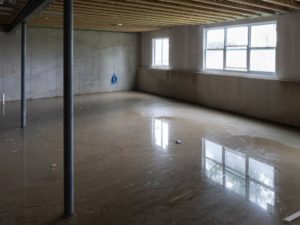
Water entering where the basement floor meets the wall is almost always a sign that the perimeter drainage system has failed or was never installed. The foundation footing is the lowest point of the wall, and saturated soil pushes groundwater upward through any gap. Common causes are clogged or collapsed weeping tile, hydrostatic pressure exceeding the drainage capacity, missing exterior waterproof membrane, or a failed sump pump. The permanent fix is a perimeter water solution — interior weeping tile or full exterior excavation waterproofing.
Signs You Have a Perimeter Leak (Not a Crack Leak)
Perimeter water entry has specific signatures that distinguish it from foundation crack leaks:
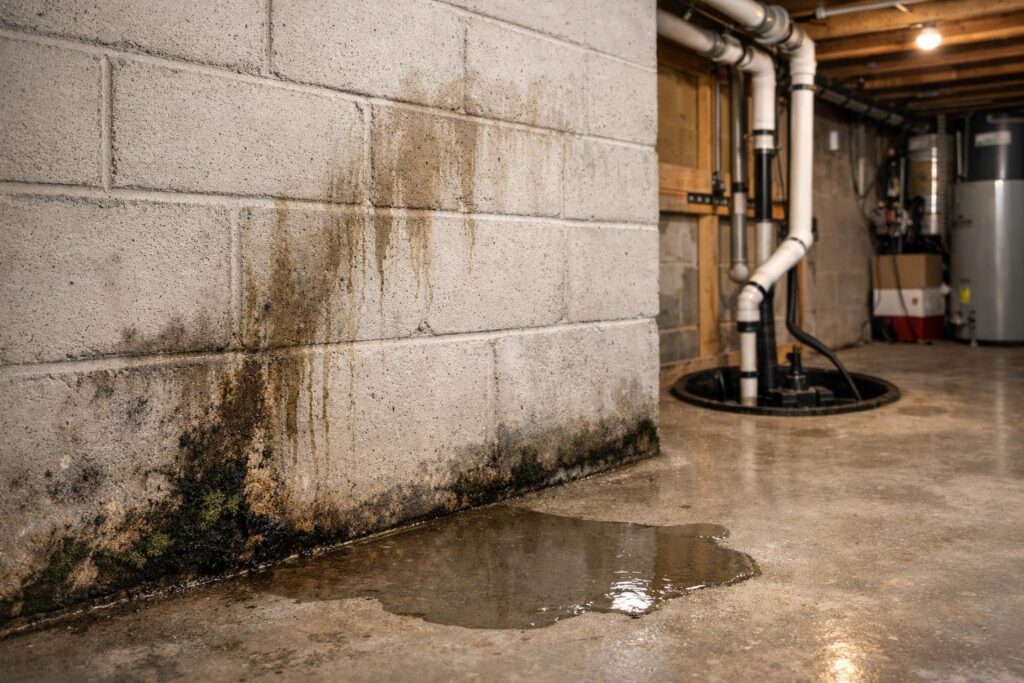
- Water appears along the cove joint — the seam where the basement floor meets the wall
- Multiple wet spots, not a single line — perimeter leaks distribute around the floor edge
- Worse during heavy rain or snowmelt — correlates with groundwater table rise
- Efflorescence (white powder) on lower walls — mineral deposits left by evaporating water
- Damp baseboards or rotting wall studs — long-term moisture damage on finished walls
- Musty smell from basement — persistent moisture creates mold-friendly conditions
- Sump pump runs constantly — perimeter drains delivering more water than expected
The 6 Most Common Causes of Perimeter Water Entry
1. Failed or Collapsed Weeping Tile
Original clay or concrete weeping tile from the 1960s–1980s eventually cracks, settles, or fills with sediment. Once flow capacity drops below incoming groundwater volume, water backs up and finds its way into the basement at the perimeter.
2. Missing or Degraded Exterior Membrane
Many Ontario homes built before 1990 received only a thin asphalt tar coating — if any waterproofing at all. After 35–50 years that coating dries out and cracks, letting water reach the concrete directly.
3. Clogged Drainage Stone
Without proper geotextile filter cloth, fine soil silts migrate into the drainage stone and reduce its permeability. Water that should flow freely to the weeping tile instead pools against the foundation.
4. Hydrostatic Pressure Spikes
During heavy multi-day rain events, the groundwater table rises faster than the drainage system can keep up. Pressure forces water through the cove joint where the floor slab meets the wall.
5. Failed or Undersized Sump Pump
A working perimeter drainage system depends on the sump pump to discharge collected water. If the pump fails, is undersized for the volume, or loses power during a storm, water backs up into the basement.
6. Bad Grading or Downspout Discharge
Soil sloping toward the foundation, or downspouts discharging within 6 feet of the wall, concentrate water at the perimeter and overwhelm any drainage system.
How Dryshield Diagnoses Perimeter Leaks
Every Dryshield consultation includes a comprehensive perimeter water assessment:
- Visual inspection of basement walls, floor, cove joint, and sump system
- Exterior assessment of grading, downspout discharge, window wells, and access points
- Moisture mapping using calibrated meters to identify wet zones
- Foundation crack survey to determine if crack injection is also needed
- Sump pump test for capacity, switch function, and discharge capacity
- Written report with photos, findings, and recommended solution
How to Fix a Wet Basement Perimeter (Permanent Solutions)
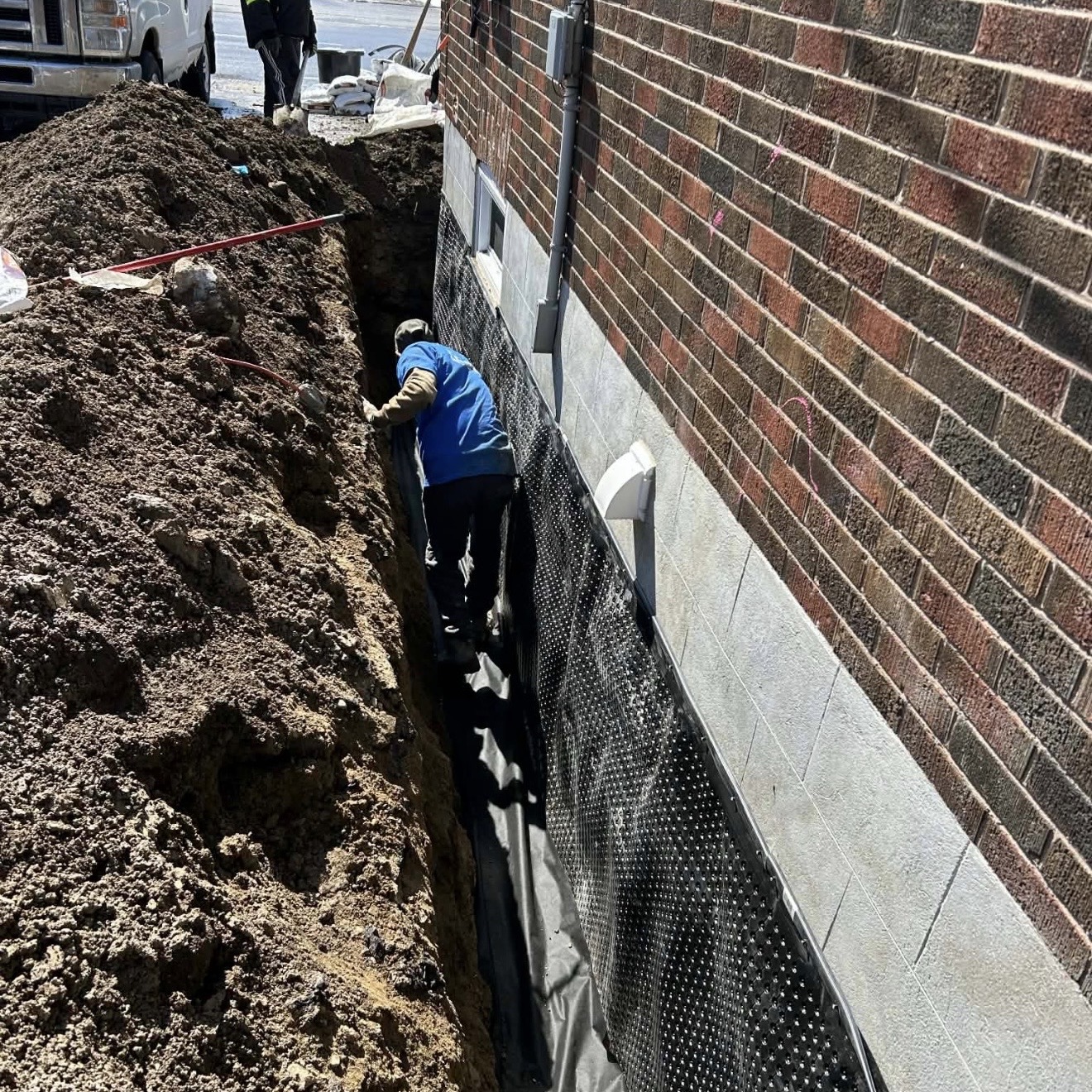
There are two permanent solutions for water entering at the basement perimeter: exterior excavation waterproofing (removes soil down to the footing and installs new membrane, dimple board, and weeping tile from outside) or interior perimeter weeping tile (saw-cut the basement floor, install new pipe and stone, tie to a sump pit). Both carry Dryshield’s lifetime transferable warranty.
For a detailed comparison and decision framework, read Exterior vs Interior Perimeter Waterproofing.
Read our complete Perimeter Water Solutions guide for the full breakdown of how each method addresses these failure modes.
What Does It Cost to Fix?
A complete perimeter water solution in Ontario typically costs:
| Solution | Cost Range | Timeline |
|---|---|---|
| Interior perimeter weeping tile (full) | $13,500–$22,500 | 3–5 days |
| Exterior perimeter waterproofing (full) | $15,000–$37,500 | 5–10 days |
| Sump pump replacement only | $1,500–$3,500 | 1 day |
| Crack injection only (per crack) | $600–$1,500 | Same day |
Frequently Asked Questions
Will a sump pump alone stop perimeter leaks?
Only if water is already reaching the sump pit. If your weeping tile is clogged or collapsed, water can’t reach the sump — it backs up at the perimeter instead. A sump pump is a critical component of a perimeter water solution, not a substitute for one.
Can I just paint waterproof sealer on the inside?
Interior waterproof coatings (sealers and crystalline products) can slow surface moisture but don’t address hydrostatic pressure. Water still reaches the foundation; it just finds the next weakest point. Sealers may be useful as a supplement to a perimeter water solution, but never as a replacement.
How long does the repair take?
Interior perimeter weeping tile installation takes 3–5 days for a typical home. Full exterior excavation takes 5–10 days depending on foundation depth and soil conditions.
Will the repair disrupt my landscaping?
Interior weeping tile is non-disruptive to landscaping. Exterior excavation does require removing soil and plants in the work zone, but Dryshield protects existing landscaping where possible and restores the soil grade.
Is this covered by insurance?
Most policies don’t cover preventative waterproofing, but damage from a failed drainage system may be covered. Dryshield provides written documentation suitable for insurance claims and real-estate disclosure.
What is the lifetime warranty?
Dryshield’s perimeter water solutions are backed by a lifetime transferable warranty against water entry. The warranty stays with the home through ownership changes — a significant resale value.
Continue Reading: Perimeter Water Solutions Cluster
- → Perimeter Water Solutions Ontario — Master Guide
- → Do I Need a Perimeter Water Solution? (2026 Homeowner Guide)
- → Exterior vs Interior Perimeter Waterproofing: Complete Comparison
- → Wet Basement Around the Perimeter — Why It Happens & How to Fix It
- → Cottage Perimeter Water Damage — Lake-Side Foundation Drainage
- → Perimeter Waterproofing Cost in Grey County, Dufferin & Wellington (2026)
About the Author
Jason Carillo is Operations Manager at Dryshield Basement Waterproofing. He has overseen more than 25+ years of perimeter water solution installations across Ontario over 25+ years of experience. WSIB compliant. OBC Section 9.13 specialist.
Need a Perimeter Water Solution Estimate?
Dryshield offers free in-home assessments across Ontario. Lifetime transferable warranty on every installation.