 The Do’s and Don’ts of Interior Waterproofing
It becomes imperative to waterproof your house for longevity and healthy integrity. Without interior waterproofing, the structure may give up – thanks to water and foundation leakage.
Dryshield Basement Waterproofing - The #1 Name in Waterproofing Solutions


Completed over 300,000 Linear Feetof Basement Waterproofing
Lifetime Transferrable Warranty






Basement waterproofing is one of the most important steps to protect your home from a leaking basement. If you've ever walked into your basement and smelled a damp, musty odour, or have seen water seepage creeping up the foundation walls, you know the feeling that comes with it. A wet basement isn't just an inconvenience, it's a warning sign that one of your biggest investments may already have a leaking basement.
That's where Dryshield Waterproofing Toronto comes in. For decades, we've been the trusted name for homeowners throughout Ontario, delivering proven solutions that keep basements dry, safe, and protected year-round.
Whether it's foundation crack repair, interior drainage systems, sump pump installation, or full exterior basement waterproofing, our team is dedicated to protecting your home for the long term.
Exterior & Interior Basement Waterproofing
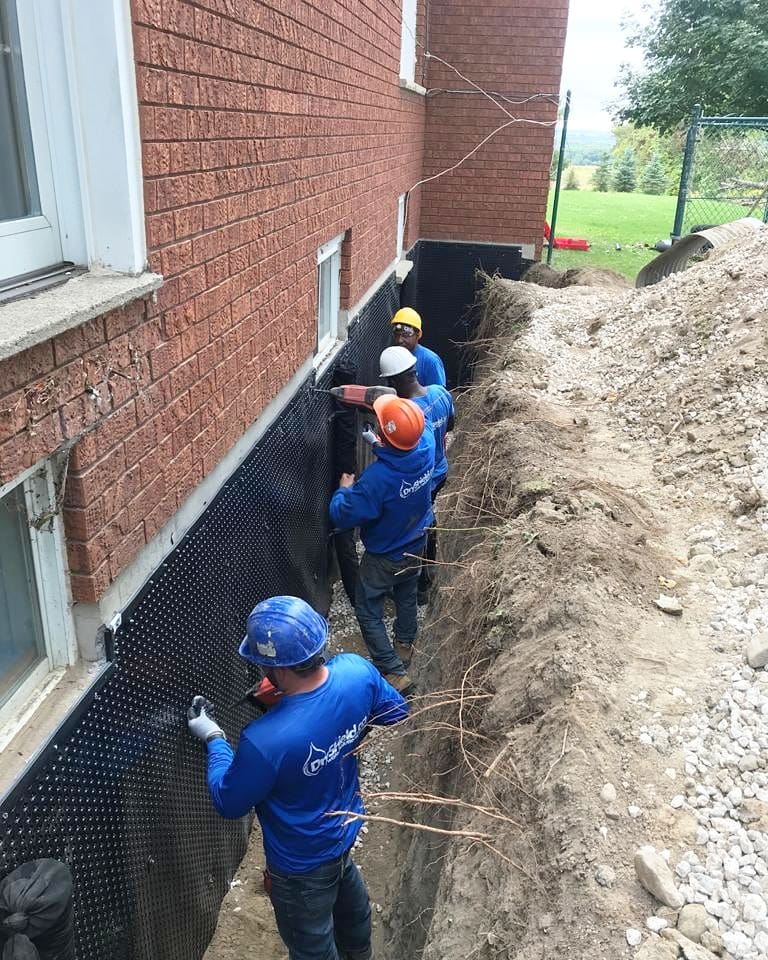
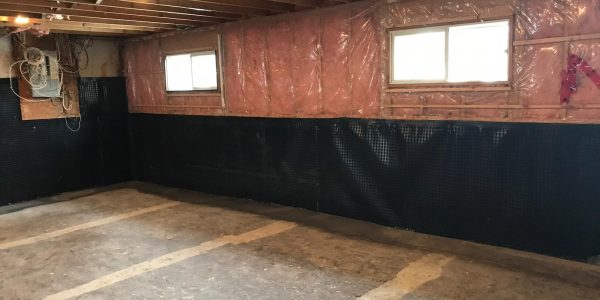
Dryshield Water Solutions Corp. https://www.dryshield.ca specializes in installing exterior waterproofing drainage systems designed to completely address foundation seepage issues. ---------------------- Hi, and welcome to Dryshield Basement Waterproofing' video on external waterproofing, and internal drainage systems. I'm going to walk you through how drainage systems function on existing foundations. The ground is excavated for installation of the foundation. Footings are poured, and foundation walls are installed. The floor is then installed on top of the footings. Originally, weeping tiles are installed at the bottom side of the footings. Typically, a damp-proof spray is applied, not a waterproof membrane, Excavated soil is then backfilled, however it is not as dense as the soil that was not excavated. When it rains or snow melts, water will find the excavated angle and travel back towards the bottom of the foundation. This is why weeping tiles are installed at the bottom side of the footings. Once the weepers clog, the water will begin to build on the outside of the foundation, causing hydrostatic pressure. Once the pressure builds, water will enter at the floor-wall joint, either from underneath or overtop of the footing. Over the past few decades , our research has allowed us to incorporate the highest level of waterproofing technologies and procedures to date. Let us show you how the external procedure is installed. The soil around the foundation is excavated. The weeping tiles are removed and the walls are cleaned. Small holes are drilled into the bottom blocks to remove any moisture in the wall. The walls and footings are coated by hand with the highest quality rubberized urethane. Polysheeting is applied, on top of the urethane, and dimple board is installed with steel brackets and a finishing strip. New weeping tiles, with a geotextile filter cloth and installed and connected to proper drainage. Three-quarter inch clear gravel is installed on top of the weepers to a minimum of one-foot depth. A geomembrane filter cloth is installed on top of the gravel. This will prevent the soil from clogging the system. Soil is then backfilled, and graded away from the foundation. With this installation, Dryshield provides a full, 25-year transferrable warranty on all external waterproofing. Depending on the situation, a more cost-effective approach can be done form the inside. The latest technologies allow for proper, internal drainage systems. The key to water seepage is drainage - regardless if done from inside or out. Our internal process involves exposing the foundation to the concrete, and in some cases, the removal of drywall studs, insulation and flooring. The conrete is then broken, from 12-14 inches from the foundation wall. A trench is dug to expose the inside of the bottom footing. Weeping tiles are then installed, and graded towards the sump-pump. Three-quarter inch, clear gravel is intalled over the weepers. A waterproof membrance is then installed over the weeping tile, extending to the top of the foundation wall. New concrete is poured over the system, flushed with the existing slab. Our team at Dryshield would like ot thank you for taking the time to watch our video. For more information, please continue reading our website (http://www.waterproofingservice.com), or call use today at 1800-277-5411.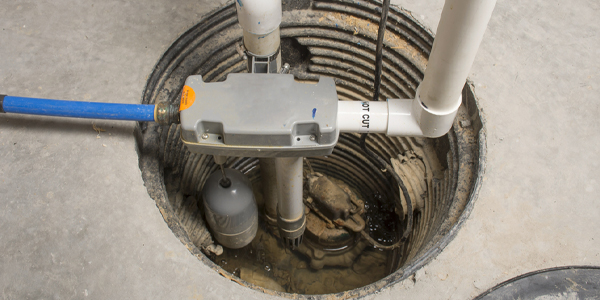
Sump Pump Basin and Sump Pump Installation: The purpose of a sump pump is to help drain water away from a foundation. The sump pump basin allows the water to collect, then the sump pump discharges the water out either
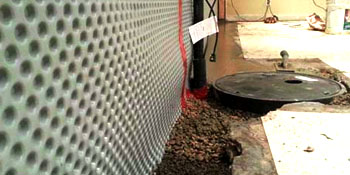
Let a wet basement trouble you no more! Living in a damp or wet basement is a serious health hazard and poses a grave danger to your home’s structural integrity. Moisture infusing through the walls and floors is a common problem
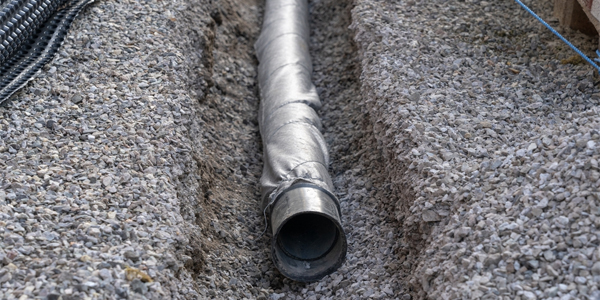
Water-related damage? French drain installations by DryShield are the best. Don’t allow problems with water to damage your land. The installation of French drains is handled with unmatched skill and dependability by DryShield Water Solutions. Using years of expertise and cutting-edge methods, our qualified experts create and install a unique French drain system that efficiently redirects water and protects your investment.
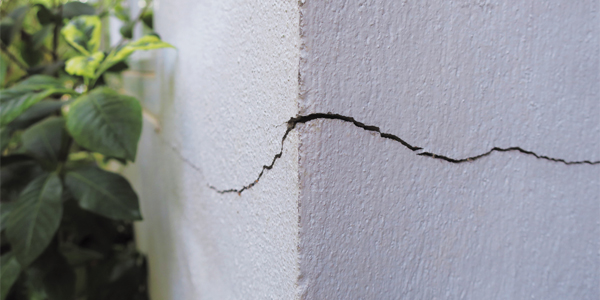
Do you have uneven concrete slabs? Is it a trip hazard? Perhaps you are afraid it is going to get worse and need replacement? Uneven or sunken concrete can cause you, or visitors to your house, to trip and fall. Not to mention how irritating it can be to have to constantly watch your step or stumble. These hazards can lead to minor, and sometimes, major injury. Concrete is a great versatile material.
Our signature exterior basement waterproofing services are designed to stop water at the source, preventing it from ever touching your foundation walls.
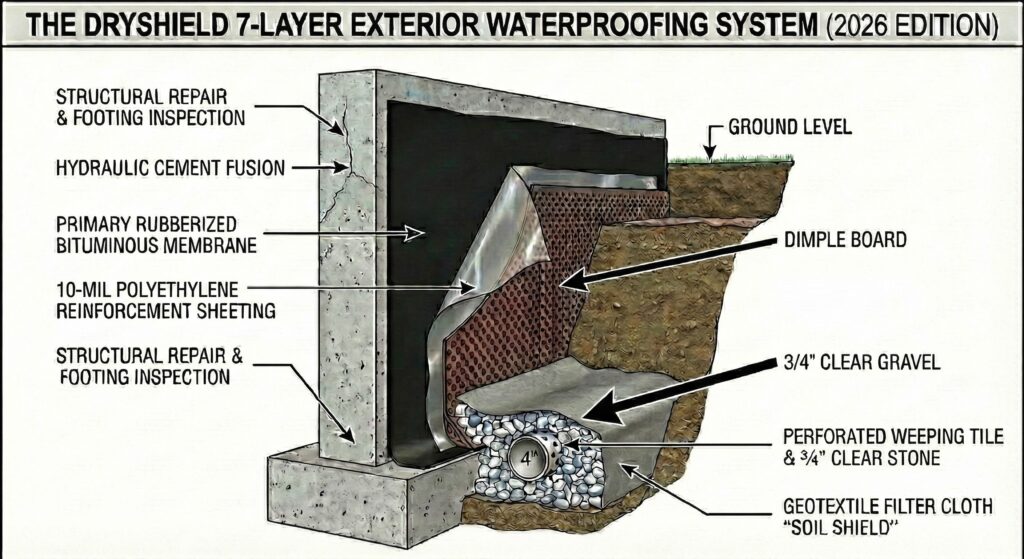
Layer 1: Structural Repair & Footing Inspection The foundation is excavated to the footing. We chiseled out all visible cracks to ensure a clean, deep bond for the repair material.
Layer 2: Hydraulic Cement Fusion Every vertical and horizontal crack is filled with expanding hydraulic cement. Unlike standard mortar, this material expands as it cures to “weld” the crack shut and eliminate water seepage.
Layer 3: Primary Rubberized Bituminous Membrane A thick, seamless coat of elastomeric liquid rubber is hand-applied to the entire wall. This layer remains flexible even in freezing Ontario temperatures, bridging future hairline cracks as the house settles.
Layer 4: 10-Mil Polyethylene Reinforcement Sheeting In place of standard mesh, we embed a heavy-duty 6-mil poly sheeting directly into the first wet coat of the membrane. This creates a puncture-resistant “sandwich” that prevents the rubber from thinning or tearing over time.
Layer 5: Dimpled High-Density Air-Gap Membrane We install a commercial-grade dimpled board (like Delta-MS or Platon). The dimples face the wall, creating an intentional air gap. This relieves hydrostatic pressure, allowing any moisture to fall by gravity directly to the drainage system.
Layer 6: Perforated Weeping Tile & 3/4″ River Stone A new 4-inch perforated drainage pipe is laid along the footing. We surround this pipe with a deep bed of 3/4″ clean-crushed river stone to ensure a massive capacity for water collection.
Layer 7: Geotextile Filter Cloth “Soil Shield” To ensure your system never clogs, we install a Non-Woven Geotextile Filter Cloth directly on top of the river stone drainage bed. This acting as a fine filter that allows water through but blocks silt, clay, and soil particles from entering your weeping tiles.
If outside excavation isn’t an option for your property, we offer high-performance interior basement waterproofing systems that manage water pressure from beneath the floor slab.”
In the waterproofing industry, many contractors offer a “Standard 5-Layer” system to keep their costs low. While this may pass a basic inspection, it often fails in the face of Ontario’s extreme freeze-thaw cycles and heavy clay soils.
At Dryshield, we don’t believe in “standard”—we believe in permanent. Here is how our 7-layer system outperforms the competition:
| Feature | Standard 5-Layer System | DryShield 7-Layer Advantage |
| Puncture Protection | Minimal. Drainage board sits directly against the rubberized membrane. | Superior. 10-mil Poly Sheeting acts as a shield, preventing backfill from damaging the rubberized membrane. |
| Clog Prevention | Weeping tiles are often left exposed to silt. | Guaranteed. Geotextile Filter Cloth filters out fine soil before it ever reaches your pipes. |
| Crack Stability | Reliance on a single membrane coat. | Enhanced. Triple-threat protection with Rubberized Urethan, Poly sheeting and Dimple Boad. |
| Hydrostatic Pressure | Basic air-gap board only. | Advanced. Combined Air-Gap + Geotextile drainage ensures water is always moving away from the wall. |
Before waterproofing from the outside if you have a poured foundation and you see a crack in the wall, we maybe able to resolve a foundation leak with a professional foundation crack repair using our hydrophobic polyurethane injection system.
The two “missing” layers in a 5-layer system are usually the Poly Sheeting and the Filter Cloth. Without these:
A+ rated with the Better Business Bureau
Ready to start budgeting? Use our interactive 2026 basement waterproofing cost estimator to get an instant idea of your project requirements.
Published December 19, 2025
Jason Cirillo
2026 Cost Highlights:
Average Interior Cost: $70–$120/ft.
Average Exterior Cost: $150–$250/ft.
Top Rebate: Up to $3,400 available in Toronto for 2026.
Best Value: Internal drainage systems remain the most popular 2026 choice for finished basements.
Is a damp basement or a foundation crack causing you stress as we head into 2026? At DryShield, we know that the first step to any home improvement project is understanding the investment.
As we move into 2026, material costs and labor rates in the Greater Toronto Area have shifted. This guide provides an honest, transparent breakdown of what you can expect to pay for professional waterproofing this year.
Need a precise number? Skip the reading and use our Interactive 2026 Cost Calculator to get a quote for your specific home size.
If you are looking for a quick estimate, here is the current market rate for the most common basement protection services in Ontario.
| Service Category | 2026 Price Range (Est.) | Best Solution For… |
| Interior Waterproofing | $70 – $120 per ft. | Finished/Unfinished basements; Year-round fix. |
| Exterior Waterproofing | $150 – $250+ per ft. | Maximum protection; Stops water before it hits walls. |
| Foundation Crack Repair | $600 – $1,000 per crack | Poured concrete walls with localized leaks. |
| Sump Pump Installation | $800 – $2,800 | High water tables & flood prevention. |
| Backwater Valve | $1,500 – $2,500 | Preventing sewage backup during heavy storms. |
 Deep Dive: What Are You Paying For?
Cost: $70 – $120 per linear foot.
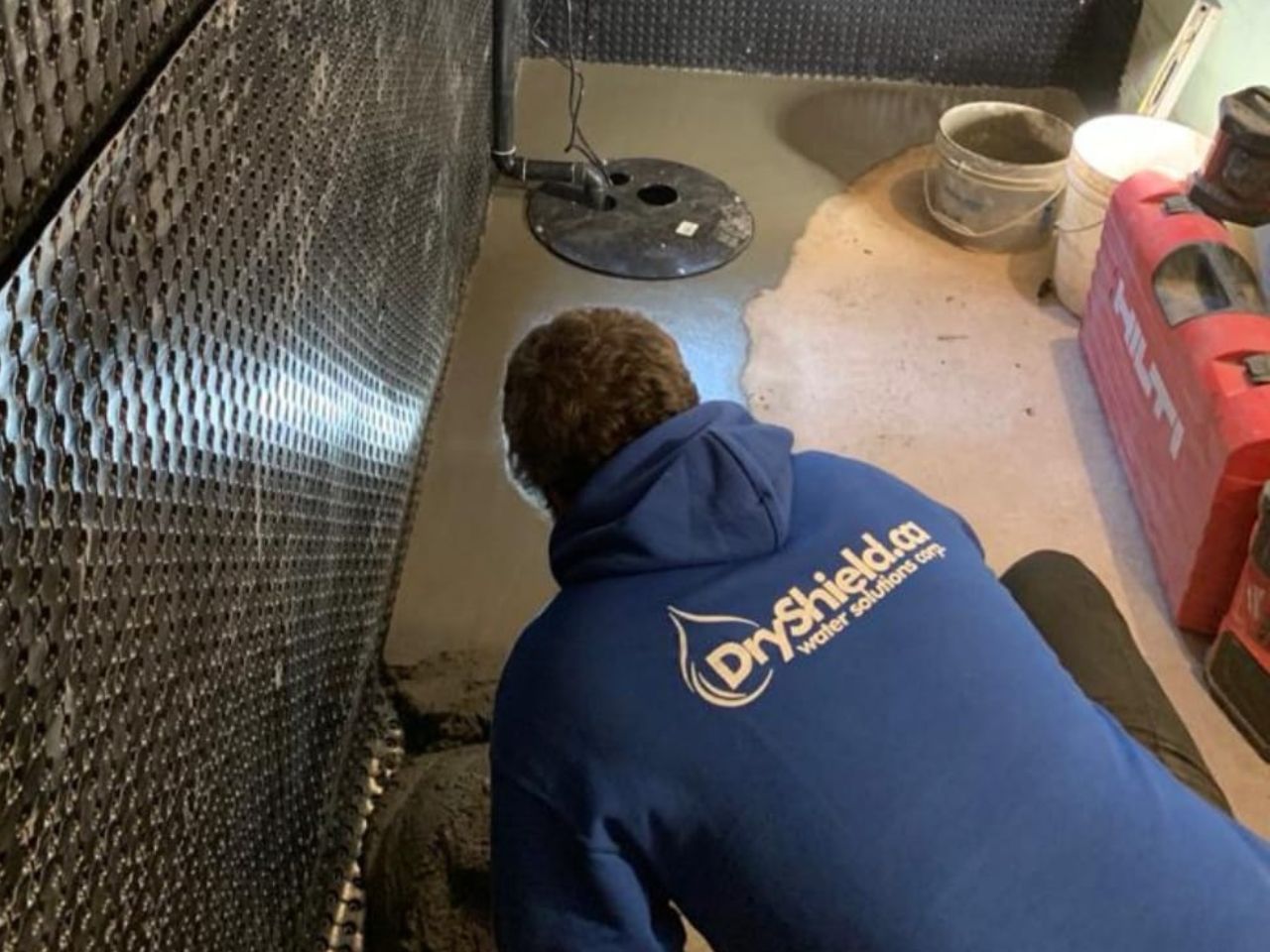
This is a highly effective “internal drainage system.” We create a trench along the perimeter of your basement floor, install a weeping tile, and cover the wall with a drainage membrane.
Pro Tip: This is the best option for 2026 if you have expensive landscaping or decks outside that you don’t want to disturb.
Cost: $150 – $250+ per linear foot.
The “Gold Standard” of protection. We excavate down to the footing, repair the masonry, and apply a multi-stage waterproof coating and dimpled membrane.
Why the price range? Costs depend heavily on the depth of your foundation (e.g., a 6ft vs. 9ft dig) and whether we can use machines or must dig by hand.
Cost: $600 – $1,000 per crack.
Using high-pressure polyurethane or epoxy resins, we seal cracks from the inside. This is a permanent fix for structural gaps that allow seepage.
In 2026, we are moving beyond basic pumps. DryShield now offers Smart Sump Pump Systems with Wi-Fi connectivity. These systems send an immediate alert to your smartphone if:
There is a power outage.
The pump is struggling with high water volume.
The backup battery is low. Investing in smart monitoring can save you thousands in potential flooring and drywall damage.
Every home in the GTA is different. Here is what our Project Managers look for during your free inspection:
Soil Composition: Heavy clay (common in Markham and Stouffville) holds more water and requires more robust drainage.
Accessibility: If our crews have to work in a tight alleyway between Toronto “semi-detached” homes, labor costs may increase.
Window Wells: If water is coming in through windows, you may need a window well drain tied into your weeping tile.
If you notice any of these signs, your foundation is likely already under stress from hydrostatic pressure:
Efflorescence: A white, chalky mineral residue on your walls.
Cove Joint Seepage: Water appearing specifically where the floor meets the wall.
Musty Odors: A persistent damp smell that doesn’t go away with a dehumidifier.
Hairline Cracks: Small vertical or stair-step cracks in your concrete or blocks.
Peeling Paint: Bubbling or flaking paint near the base of your walls.
Many cities in the GTA offer subsidies to help homeowners protect their property from flooding. In 2026, you may be eligible for:
City of Toronto: Up to $3,400 for backwater valves and sump pumps.
Region of Peel & Halton: Various grants for flood-proofing and downspout disconnection.
DryShield Advantage: We assist you with the necessary documentation to ensure you qualify for these rebates.
Is basement waterproofing worth the cost?
Absolutely. Beyond preventing mold and structural rot, a dry basement can increase your home’s resale value by up to 10% and significantly lowers insurance premiums.
How long does a typical project take?
Most interior projects are completed in 2 to 4 days. Exterior projects usually take 1 to 2 weeks, depending on weather conditions.
Does Dryshield offer a warranty?
Yes. We provide a fully transferable lifetime warranty on our waterproofing systems, giving you and future buyers total peace of mind.
Don’t wait for the spring thaw to find out your basement isn’t ready. Get a head start on your 2026 home maintenance.
Not sure where to start? Visit our Complete Guide to Basement Waterproofing to see all your options.
Call us at 1-800-277-5411 or Click here to book an appointment now
2025/12/14 at 10:16 am
Jason Cirillo
involves sealing or stabilizing cracks in foundation walls to prevent water intrusion, basement leaks, and long-term structural damage. Common foundation crack repair methods include epoxy injection, polyurethane crack injection, exterior sealing, and structural reinforcement. The correct repair depends on the crack type, location, and whether the crack is actively leaking.
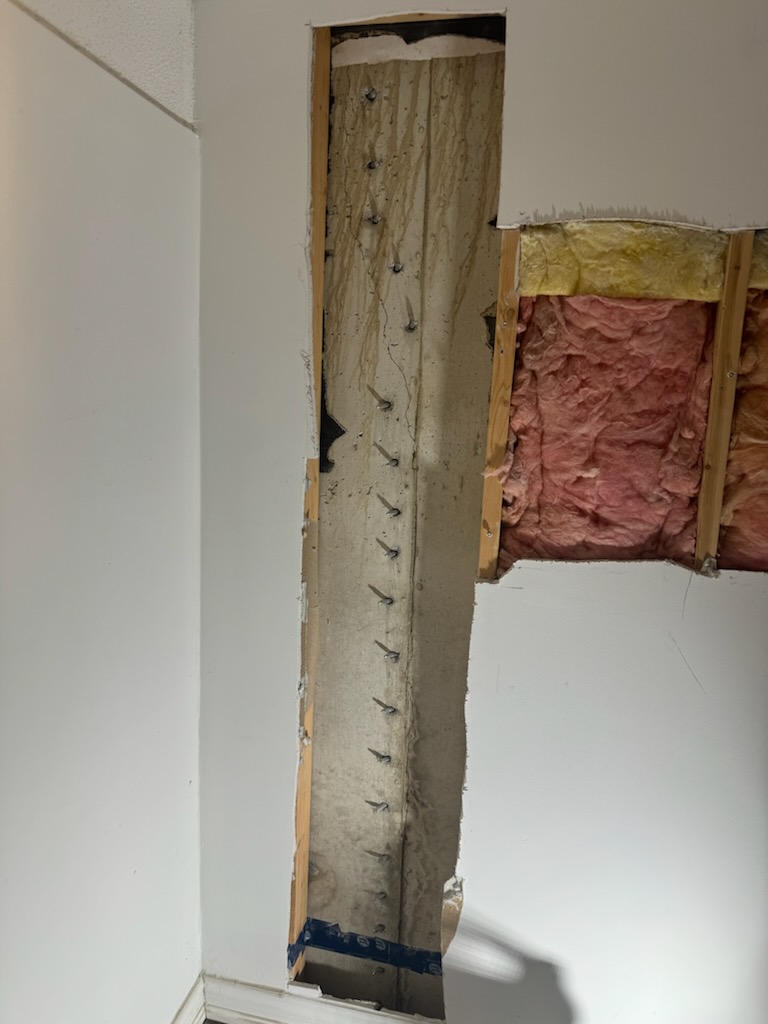
Foundation cracks are one of the most common issues homeowners encounter in basements. While some cracks are minor, others allow water infiltration, contribute to ongoing basement moisture problems, and can worsen over time if not properly repaired.
For professional foundation crack repair, Dryshield provides proven solutions designed to stop leaks and protect your foundation long term.
Each crack is evaluated based on its cause, severity, and impact on the foundation to ensure the repair method addresses the root problem—not just the visible symptom.
Foundation cracks form when stress exceeds what concrete or masonry can withstand. Common causes include:
Understanding why a foundation crack formed is essential before choosing the correct repair approach.
Different crack types require different foundation crack repair solutions.
Vertical cracks are common in poured concrete foundations and often result from shrinkage or minor settlement. While they may not always be structural, vertical cracks frequently allow water seepage and should be sealed to prevent basement leaks.
Horizontal cracks are more serious and may indicate excessive soil pressure against the foundation wall. These cracks often require structural reinforcement in addition to waterproofing.
Stair-step cracks typically occur in block foundations and follow mortar joints. They can allow water infiltration and may signal foundation movement.
Hairline cracks may appear harmless but can widen over time. Early foundation crack repair helps prevent future moisture problems and damage.
The appropriate foundation crack repair method depends on whether the crack is active, leaking, or structural.
Crack injection is one of the most effective solutions for repairing leaking foundation cracks.
Depending on the crack type and severity, professional foundation crack repair may involve epoxy or polyurethane injection, exterior sealing, or structural reinforcement.
In cases of recurring or severe water penetration, exterior sealing may be required. This involves accessing the foundation wall from the outside and applying waterproof membranes to prevent water from reaching the crack.
Horizontal cracks or cracks associated with wall movement may require carbon fiber straps or steel reinforcement to stabilize the foundation.
When cracks are linked to movement or stress, broader concrete crack repair may be necessary to ensure long-term stability.
Homeowners should consider professional inspection if they notice:
Ignoring foundation cracks can lead to ongoing water damage and more extensive repairs.
Foundation crack repair focuses on sealing specific points of water entry, while basement waterproofing addresses overall water management around the foundation.
In many cases:
If foundation cracks are allowing groundwater into the basement, a complete basement waterproofing solution may be recommended alongside crack repair.
The cost of foundation crack repair varies based on:
Addressing cracks early is typically far more cost-effective than repairing long-term water damage or structural deterioration.
DIY crack repair products often fail because they do not address hydrostatic pressure, movement, or water conditions behind the foundation wall. Professional foundation crack repair ensures:
Dryshield uses proven repair techniques designed for Canadian soil conditions and seasonal climate changes.
Homes in Toronto and the Greater Toronto Area commonly experience foundation cracks due to clay soils, aging foundations, and seasonal moisture fluctuations. Early inspection and repair help prevent basement flooding and long-term damage.
Dryshield provides professional foundation crack repair services throughout Toronto and surrounding areas, with solutions tailored to local conditions.
If you notice foundation cracks, water seepage, or basement moisture, scheduling an inspection early can help prevent further damage and costly repairs.
What is the best method for foundation crack repair?
The best method depends on the crack type and whether it is leaking. Epoxy or polyurethane crack injection is commonly used for non-structural cracks, while structural cracks may require reinforcement or exterior repair.
Can foundation cracks cause basement leaks?
Yes. Foundation cracks are one of the most common sources of basement water intrusion, especially during heavy rain or snowmelt.
Are foundation cracks always structural?
No. Many foundation cracks are non-structural, but they can still allow water entry and should be repaired to prevent future problems.
How long does foundation crack repair last?
When properly repaired using professional methods, foundation crack repairs can last for decades.
Should I repair foundation cracks from the inside or outside?
Interior crack injection is effective for many leaking cracks. Exterior repair may be recommended if water pressure or soil conditions are contributing to the problem.
When should I call a professional for foundation crack repair?
If a crack is leaking, widening, or associated with wall movement, a professional inspection is recommended.
Foundation crack repair is a critical part of maintaining a dry, stable basement. Whether the issue is a small vertical crack or a more serious structural concern, timely repair helps protect your foundation and prevent water damage.
If you’re dealing with leaking or widening cracks, professional foundation crack repair can help prevent long-term damage and basement water issues.
Water damage can silently ruin a home. Even small leaks or damp spots in basements can lead to bigger problems over time. Many homeowners in Toronto wait until they see visible damage before taking action.
Unfortunately, this often leads to costly repairs and unnecessary stress. Preventive waterproofing is a step that can stop water from causing damage before it starts. Acting early protects the foundation, walls, and interiors, saving time and money in the long run.
Let’s see the importance of preventive waterproofing:
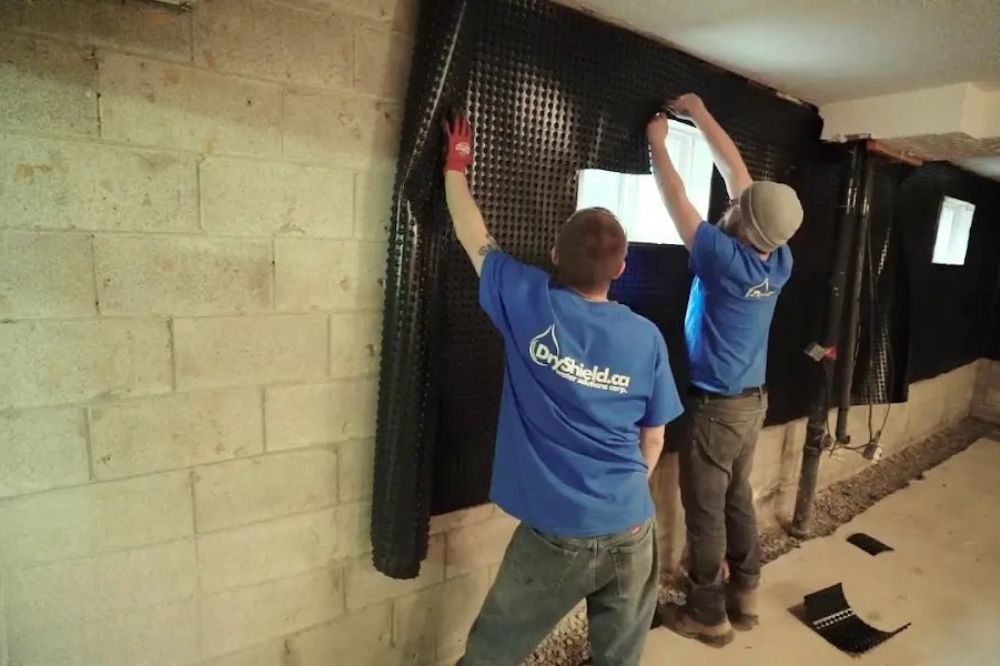
Preventive waterproofing is not just about keeping a basement dry. It is about protecting the structure of your home and avoiding future headaches. Here are nine important reasons why waiting can be costly:
Water can slowly seep into cracks in the foundation. If ignored, these cracks may widen, weakening the home’s structure. Early waterproofing seals these cracks and prevents serious foundation issues. For Toronto homeowners, professional basement waterproofing ensures water cannot penetrate the foundation. This is often the most critical step in keeping a home safe and stable.
Moisture can cause walls to become damp, leading to stains and peeling paint. Over time, this can weaken the walls and affect the overall structure. Waterproofing the walls ensures they remain dry, preventing dampness and preserving the home’s appearance.
Excess moisture in basements creates an ideal environment for mould and mildew growth. These fungi can cause health problems and damage the interior of the home. Preventive waterproofing reduces moisture levels, making it less conducive for mould and mildew to thrive.
Basements often store valuable items like furniture, electronics, and personal belongings. Water damage can ruin these possessions, leading to costly replacements. Waterproofing the basement protects these items by keeping the area dry and safe.
A home with water damage loses value over time. Buyers are less likely to purchase a property with visible damp issues. Early waterproofing helps maintain the home’s good condition and preserve its market value. Professional basement crack repair ensures even minor cracks are sealed before they cause bigger problems.
Waiting until water damage is visible often leads to more extensive and expensive repairs. Preventive waterproofing is a cost-effective solution that addresses potential issues early, saving money on future repairs and preserving the home’s condition.
Moisture in basements can lead to musty odours and poor indoor air quality. Waterproofing the basement reduces moisture levels, improving air quality and creating a healthier living environment for the home’s occupants.
Water can slowly erode materials such as concrete, wood, and plaster. Preventive waterproofing protects these materials, making the home last longer and reducing maintenance over time.
Toronto’s climate often brings heavy rainfall and snowmelt. Homes without waterproofing are at higher risk of flooding during these periods. By addressing potential entry points early, homeowners avoid the stress and cost of future wet basement repair. Waterproofing acts as a long-term solution, rather than a temporary patch.
It is best to act before water becomes a problem. Homeowners should watch for early warning signs such as damp walls, small cracks in the foundation, water stains, or musty odours. Addressing these issues early reduces repair costs and protects the home. A professional assessment can provide a detailed plan for waterproofing and ensure the correct measures are taken.
Toronto homes face specific water challenges due to heavy rainfall and clay soil. Preventive waterproofing provides:
Professional services also include solutions like drainage installation, basement crack repair, and wet basement repair. These measures ensure that water problems do not recur and your home remains safe.
Water damage can happen to any home, and it usually starts small before becoming a big problem. Preventive waterproofing protects the foundation, walls, and interiors from serious damage. It reduces the risk of dampness, mould, and expensive repairs.
For homeowners looking for reliable solutions, Dryshield Waterproofing Toronto offers services designed to keep your home dry and safe. From basement waterproofing to crack repairs and wet basement solutions, investing in these preventive measures now ensures long-term safety and peace of mind. Contact us today to know more about our services. We’re here to help you!
A basement is a crucial component of any home. It supports the structure above, stores valuable items, and can even be used as extra living space. But because it sits below ground level, it is always at risk of water damage. Rainwater, melting snow, and groundwater pressure can all push moisture through cracks or weak spots in the foundation. Over time, this can lead to leaks, dampness, and severe damage.
The best way to prevent these problems is through basement waterproofing. This process prevents water from entering, protects the structure, and helps extend the home’s lifespan.
In this guide, we will walk through the step-by-step process of professional basement waterproofing, explaining what happens at each stage so you know what to expect.
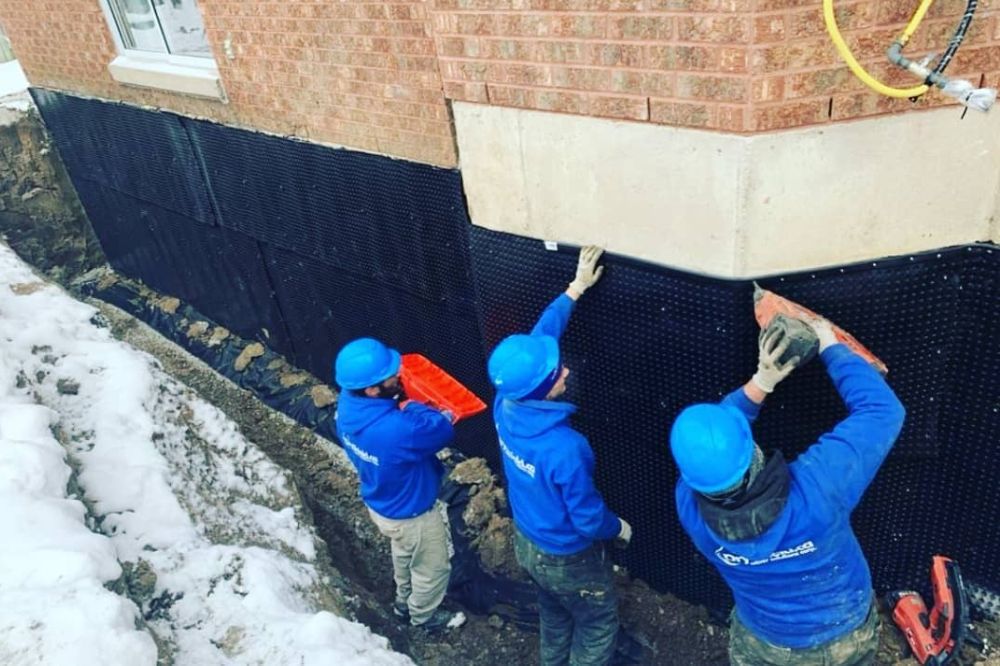
The first stage is a complete inspection. Professionals inspect the inside and outside of the basement to determine the source of the water.
Indoors, they look for cracks, damp patches, peeling paint, or mould growth. Outdoors, they examine the slope of the soil, drainage conditions, and the state of the foundation walls.
Without a careful inspection, the cause of the water problem may be missed, making it harder to fix.
Cracks in the foundation are one of the most common reasons water enters a basement. Even tiny cracks can allow water under pressure to seep into the structure.
Professionals often use epoxy or polyurethane injections to seal these cracks. This not only blocks water but also strengthens the wall.
For homeowners facing leaks, basement crack repair is a key step. By addressing the primary entry points for water, the basement becomes significantly safer from damage.
The next stage is applying waterproof coatings or sealants to the inside of the basement walls and floors. These coatings act as a barrier against minor leaks and moisture.
Interior sealants are especially useful when outside excavation is not possible. They help control dampness and provide an extra layer of protection. However, they are usually paired with other methods for long-lasting results.
In basements where water seeps through the floor or wall joints, an interior drainage system is often the most effective solution. Contractors place perforated pipes beneath the floor slab to collect the water.
The pipes direct the water into a sump pit, where a pump removes it from the basement. This ensures water never gathers on the floor.
This system is common in areas where the water table rises during heavy rainfall, and it plays a crucial role in wet basement repair.
Exterior waterproofing is a more permanent solution. It involves digging up the soil around the basement walls to expose the foundation.
Once exposed, the walls are cleaned, cracks are sealed, and a waterproof membrane is applied. Drainage pipes are also installed at the bottom to redirect water away from the home.
This process is more labour-intensive but highly effective, as it prevents water from reaching the basement walls altogether.
A sump pump provides additional protection for homes that frequently experience water problems.
The pump is located in a pit where water from the drainage system collects. As soon as the water level rises, the pump switches on and pushes the water outside through a discharge pipe.
This ensures the basement stays dry, even during storms or snowmelt. Having a sump pump gives homeowners confidence that water will not cause sudden flooding.
Even the best waterproofing system requires effective drainage to function properly. If the ground around the home slopes towards the foundation, water will collect and increase pressure against the basement walls.
Contractors often regrade the soil so that it slopes away from the house. They may also extend downspouts or add extra drains.
By improving drainage, the overall waterproofing system becomes stronger and more reliable.
The last step is to test the full waterproofing system. Contractors ensure the sump pump is working, the coatings are holding, and the drains are flowing correctly.
Homeowners are often provided with maintenance tips as well. These include regularly checking pumps, cleaning gutters, and inspecting for new cracks. Regular upkeep ensures the basement stays dry for years to come.
A basement that stays dry is crucial for both the structural integrity and the value of a home. The step-by-step process of waterproofing includes inspection, crack repair, interior protection, drainage systems, sump pumps, exterior sealing, soil grading, and final checks. Together, these steps protect the foundation and reduce the risk of costly repairs.
When water problems are ignored, they tend to get worse over time. Taking action early ensures that the structure stays safe and the living space remains usable.
For complete solutions and reliable service, homeowners in Toronto can turn to Dryshield Waterproofing Toronto, a trusted name in keeping basements dry and secure. If you notice water seepage or would like an expert opinion, you can contact us to arrange a comprehensive basement inspection.
Water is one of the most common causes of damage in homes, especially in areas like Toronto that get a lot of rain and snow. You might not see it at first, but when water finds its way into your home—through the basement, the walls, or tiny cracks in the foundation—it can create serious issues. Over time, this can lead to mould, wood rot, peeling paint, and worst of all, structural damage.
A lot of homeowners wait until they notice leaks or damp patches before doing anything. By that time, the damage might already be done. That’s where waterproofing comes in. It’s one of the best ways to keep your home strong and safe. It helps prevent water from entering in the first place, which can save you money and stress later on.
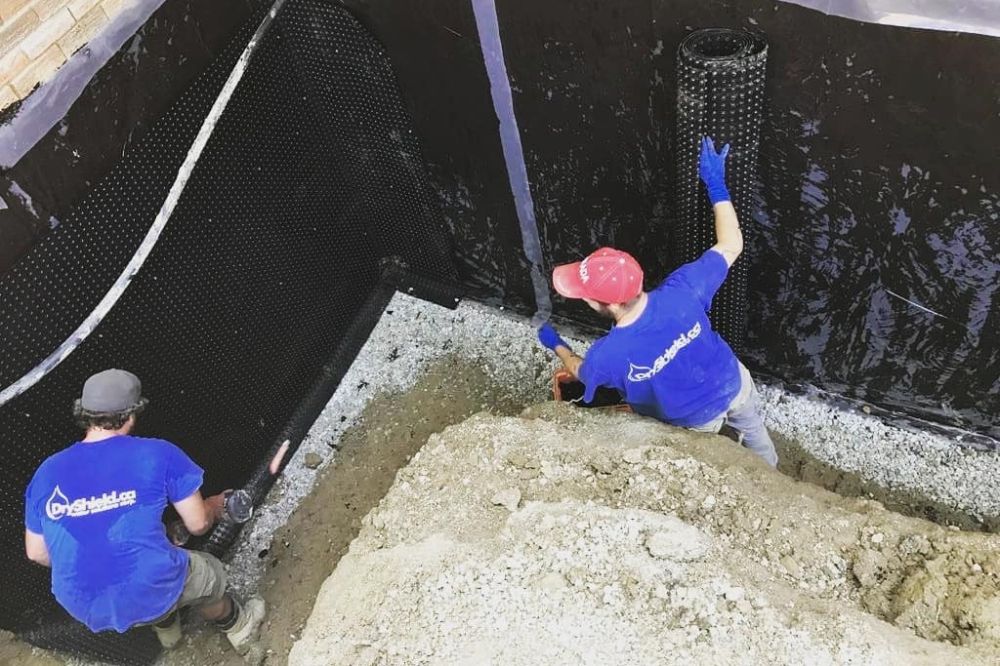
If you’re a homeowner looking to avoid long-term damage, waterproofing services are a smart investment. Below, we break down how waterproofing protects your home from the inside out.
Table of Contents
How Waterproofing Protects Your Home from Structural Damage
How Waterproofing Protects Your Home from Structural Damage
The foundation is what your whole home sits on. If it’s not kept dry, water can seep in from the soil and slowly weaken the structure. Over time, the pressure from wet soil and freezing temperatures can cause cracks. These cracks let in even more water, which only makes things worse.
Waterproofing stops this cycle before it starts. Whether it’s with exterior sealants, drainage systems, or internal waterproof membranes, the goal is to keep moisture away from the foundation.
Small cracks in concrete or brick might not look like a big deal. But water can get in, freeze during cold weather, and make the crack grow. The more it expands, the more the structure weakens.
Waterproofing fills these cracks with special materials that block water from entering. This simple step can prevent larger problems and more expensive repairs in the future.
Basements are often the first place water enters. It might come through windows, floor joints, or small wall gaps. Once inside, the water can cause stains, musty smells, and damage to your floors or stored items.
Waterproofing adds a protective layer on the inside or outside of your basement walls. It might also include a drainage system that sends water away from the home. Either way, the goal is to keep your basement dry and safe for everyday use.
Mould loves damp places. It can grow in basements, behind walls, or under floors. Not only does mould damage the materials in your home, but it can also affect your health—especially if someone has allergies or breathing problems.
Waterproofing prevents the damp conditions that mould needs to grow. When the space stays dry, mould can’t survive. This protects your home and everyone living in it.
When water collects around the outside of your home, it can wash away the soil. This is called erosion. Over time, erosion can affect how your house sits on its foundation. If the soil moves, the foundation might shift or sink.
Good waterproofing plans include ways to direct water away from the house—like sloping the ground, adding gutters, or installing drainage pipes. This helps keep the soil strong and stable.
The materials that hold your house up—like wood beams or steel supports—can wear down if they stay wet. Wood can rot, and steel can rust. This puts the strength of your home at risk.
By keeping these areas dry, waterproofing protects the parts of your house that carry weight. That means fewer repairs and a safer home overall.
Have you ever seen peeling paint or bubbling wallpaper? That’s often a sign of water behind the walls. While it might seem like just a cosmetic issue, it could mean there’s serious moisture hiding in the structure.
Waterproofing tackles the root of the problem—stopping water from entering in the first place. It’s much better than covering up the damage with paint or repairs that won’t last.
A home that stays dry will last longer. Cracks, mould, rot, and sinking foundations can all shorten the life of a home. Waterproofing helps avoid those problems and keeps the structure strong for many years.
This is especially helpful if you ever want to sell your home. Buyers like knowing a house is dry and strong. That’s why protecting foundations is not just about safety—it’s also about protecting your investment.
In Toronto, the weather can change quickly. There’s snow in winter, heavy rain in spring, and the ground can stay damp for weeks. These conditions make homes more likely to get water damage.
Waterproofing prepares your home to handle all kinds of weather. It gives you peace of mind, knowing that rain and snow won’t slowly wear away at your home’s structure.
Water might seem small, but over time, it can do a lot of harm. From cracked foundations to mouldy basements, the damage builds slowly and can be costly to fix. That’s why waterproofing is so important. It keeps water out, keeps your structure strong, and gives you fewer things to worry about.
Whether you’ve seen signs of moisture or you just want to prevent future problems, waterproofing is a smart move for any homeowner in Toronto.Dryshield Waterproofing Toronto offers expert solutions that match the local climate and building styles. Their team understands what Toronto homes need to stay dry, strong, and safe. Waterproofing isn’t just a repair—it’s a long-term solution for your home’s future.
Water in a basement can damage the foundation, weaken walls, and lead to mould growth. These problems can lower your home’s value and cost thousands of dollars to fix.
Interior basement waterproofing is a way to protect the inside of the basement from water getting in. It uses barriers, drainage systems, and pumps to keep water out and direct it away from your home.
If you are looking for reliable basement waterproofing in Toronto, understanding what this process involves and how much it might cost will help you make informed decisions. The right approach depends on the size of the basement, the severity of the water problem, and the chosen method.
Table of Contents
This covers the main steps and considerations before beginning any work.
A qualified contractor will start by inspecting the basement for signs of water intrusion. This can include visible cracks, damp patches on walls, pooling water on the floor, peeling paint, or musty odours. The inspection may also extend outside to check the slope of the ground, gutter placement, and downspout discharge points.
Water can seep in through foundation cracks, floor joints, window wells, or pipe openings. Finding the exact entry points is essential because the solution must address the root cause, not just the symptoms. In some cases, water may seep up from under the floor due to high groundwater levels.
There are several methods used in waterproofing Toronto homes from the inside:
The right choice depends on the source of the leak, the severity of the problem, and the homeowner’s budget.
When water problems are frequent or severe, installing a sump pump with a full interior drainage system is often the best long-term solution. The drainage pipe collects water before it can spread, and the pump expels it outside, away from the foundation. Backup pumps or battery-operated systems can provide extra protection during power outages.
Interior waterproofing can be messy. The contractor may need to move furniture, remove baseboards, and break parts of the concrete floor. Dust and noise are normal during the installation, so some homeowners choose to stay elsewhere until the work is complete. Depending on the size of the basement, the job can take from one day to a full week.
Once the system is in place, the crew restores the floor and walls. In unfinished basements, this may mean simply smoothing and sealing the concrete. In finished basements, new drywall, flooring, and trim may be needed to bring the space back to its original condition.
While most systems require little upkeep, regular checks are important. Sump pumps should be tested a few times a year, especially before heavy rain seasons. Some companies offer annual maintenance services to keep the system in top shape.
This section explains how to plan and allocate funds for the project.
The interior basement waterproofing cost in Toronto varies widely. Minor crack repairs may cost between $500 and $1,000, while full drainage systems can range from $3,000 to $15,000 or more, depending on the basement size and complexity.
Reach out to at least three companies for detailed estimates. Ask for itemised breakdowns so you can compare not just the price but also the quality of materials, warranty terms, and included services.
It’s not uncommon for contractors to uncover hidden issues once the work begins, such as deeper cracks, damaged footings, or corroded pipes. Setting aside an extra 10–15% of your budget for these surprises is a smart move.
Waterproofing may feel expensive, but it prevents structural damage, mould remediation costs, and repeated cosmetic repairs. Over time, this can save thousands of dollars. It can also protect personal items stored in the basement.
A reputable waterproofing company in Toronto will offer a warranty for its work. Longer warranties often reflect greater confidence in the quality of materials and installation. Make sure you understand what the warranty covers and any conditions for keeping it valid.
Some companies offer financing, making it easier to handle larger projects without paying the full amount upfront.
Tools like the Dryshield cost calculator help estimate costs based on your basement’s size and condition. This can set realistic expectations before hiring a contractor.
After the inside basement waterproofing is complete, there are several habits and maintenance steps that can help keep your basement dry:
If you notice any signs of water returning, schedule wet basement repair in Toronto promptly. Early repairs can prevent more serious damage.
Interior basement waterproofing is a practical solution for keeping water out of a home’s lower level. It involves a detailed inspection, choosing the right repair method, and installing systems to manage water effectively. Costs vary based on the size of the basement, problem severity, and chosen solution.
By setting a budget, comparing quotes, and planning for unexpected repairs, homeowners can protect their property from long-term damage. This is an investment in both the home’s structure and its market value.For homeowners who want professional service, expert advice, and durable results, Dryshield Waterproofing Toronto is a trusted choice for keeping basements dry and safe.
A dry basement is essential for keeping a home safe, stable, and comfortable. In Toronto, heavy rainfall, melting snow, and seasonal temperature changes can push moisture into the ground around a property. Over time, this can place pressure on the basement walls and floor, leading to cracks, leaks, and potential foundation issues.
Water intrusion in a basement is not just inconvenient — it can cause damage to the building structure, reduce property value, and even create health concerns due to mould growth. Taking steps to prevent it is far more cost-effective than dealing with major repairs after the fact.
If you are looking for options to protect your home, basement waterproofing is a proven way to stop water infiltration and keep your foundation in good condition.
There is no single waterproofing method that works for every property. A professional contractor will inspect your basement to find the source of the water problem and then recommend the right approach. In Toronto, these are the most common methods used to keep basements dry.
An interior drainage system is installed along the inside perimeter of the basement floor. Perforated pipes collect any water that enters and direct it to a sump pump. The sump pump then expels the water outside, away from the house. This method is relatively quick to install and works well for managing water that has already penetrated the foundation. However, it does not prevent moisture from touching the outside walls.
Foundation waterproofing from the outside prevents water from entering in the first place. This involves excavation around the foundation, cleaning and repairing the exterior walls, and applying a waterproof membrane. Drainage boards may be added to direct water toward a footing drain. This method provides long-term protection but is more labour-intensive and typically costs more.
If the main issue is a visible crack in a poured concrete wall, a crack injection may be the right fix. This method uses epoxy or polyurethane materials injected directly into the crack. The material expands to fill the gap and block water from entering. Crack injection can be a quick and targeted repair, but if water is entering from other points or the crack is a sign of larger structural movement, additional waterproofing may be needed.
A sump pump is installed in a small pit (sump basin) at the lowest part of the basement floor. As water collects in the pit, the pump activates and pushes it outside through a discharge pipe. Sump pumps are especially important in neighbourhoods prone to flooding or where the water table is high. Adding a battery backup pump can provide extra protection during power outages caused by storms.
Sometimes, preventing water issues starts outside the basement. Improving grading so that the ground slopes away from the home can make a big difference. Extending downspouts so rainwater is discharged at least two metres from the foundation and keeping gutters clear of debris will also reduce the amount of water pooling near basement walls.
Basement waterproofing costs in Toronto can vary significantly based on the method used, the size of the basement, and the extent of repair work required.
Typical price ranges include:
You can use an online basement waterproofing cost calculator to estimate your potential expenses before contacting contractors.
When choosing between options, remember that Toronto basement waterproofing should be seen as a long-term investment in your home’s durability. Cheaper work may not last and can lead to higher costs later.
The choice between interior and exterior solutions depends on the source of the problem and the homeowner’s goals.
For more information, you can explore interior vs exterior basement waterproofing Toronto comparisons to see which option fits your property’s needs.
Even with the best intentions, homeowners sometimes make decisions that reduce the effectiveness of their waterproofing efforts. Here are the most common mistakes to avoid:
Ignoring a small leak or damp spot might seem harmless, but over time, water will make its way deeper into the structure. Early repairs are always less expensive than dealing with major damage later.
Paint-on waterproof coatings can help with mild dampness, but won’t stop water that’s under pressure. Unless the source is addressed, the problem will recur.
If the land slopes toward your home, or if gutters and downspouts are blocked, water will collect near your foundation. This creates constant pressure against the basement walls.
Water problems differ from home to home. Crack injection might work for one property but be useless for another with groundwater seeping up through the floor.
A low quote may look good, but it often means fewer steps are taken or cheaper materials are used. Always check a contractor’s references and track record before hiring.
Systems like sump pumps need regular testing, and drains need cleaning. Neglecting maintenance can mean your system fails when you need it most.
Getting a professional inspection can save you thousands in the long run. In many cases, the Toronto basement leak repair cost is far less when the issue is found early.
Basement waterproofing protects against water intrusion, preserves the structural integrity of your home, and prevents expensive future repairs. The right solution will depend on where the water is coming from and the condition of your property.
Whether it’s interior drainage, exterior waterproofing, or a combination of methods, investing in proper protection is essential for Toronto homeowners. For expert inspection and tailored solutions, Dryshield Waterproofing Toronto provides services designed to keep basements dry year-round.
A foundation crack can start small but quickly grow into a bigger problem. Even a small crack can let water into your basement, stain the walls, and weaken the structure. Many homeowners repair the crack and assume the problem is solved. The reality is that this is only half the battle.
To keep water away for the long term, it’s best to combine crack repair with a complete basement waterproofing in Toronto. Crack repair stops water from entering at that specific point. Waterproofing protects the entire foundation, ensuring water cannot penetrate.
This approach works especially well in Toronto, where weather patterns can bring heavy rain in spring, rapid snowmelt, and deep freezes in winter. The soil expands and contracts, putting stress on foundation walls. By using both methods together, you’re addressing the visible crack and the hidden causes of future leaks.
Repairing a crack is an important first step, but it doesn’t prevent water from entering through other weak points in the future. The soil around your home retains moisture, which, during wet seasons, exerts pressure against your basement walls. If there’s no protection in place, new cracks can form over time.
Adding foundation waterproofing in Toronto after repairing a crack creates a barrier that protects the entire perimeter. This helps prevent water from accumulating against the walls and reduces the pressure that causes cracks in the first place.
How Foundation Crack Repair and Waterproofing Work Together
Here are nine key ways these two services complement each other to keep your home dry and safe.
Foundation crack repair is the first action taken when water is entering through a visible gap. Specialists inject epoxy or polyurethane into the crack, filling the space and bonding the concrete back together. This method stops water from seeping through that crack immediately, preventing further damage to drywall, insulation, or flooring in finished basements.
While the repair targets one problem area, waterproofing extends protection around the full perimeter of the home. It ensures water is redirected away from the foundation through drains, membranes, or coatings. This all-around shield makes it harder for future cracks to form, even during periods of heavy rainfall or snowmelt.
Some cracks are easy to spot, but others may be underground or behind finished basement walls. By adding waterproofing, you protect the entire surface, including areas you cannot easily inspect. This helps prevent unseen damage from turning into a major leak later.
Water in the surrounding soil can push forcefully against foundation walls, a problem known as hydrostatic pressure. Crack repair alone doesn’t reduce this force. A waterproofing system—either exterior or interior—helps channel water away from the home, reducing strain on the walls and lowering the chances of new cracks forming.
Even a small leak can lead to damp conditions that encourage mould growth. Repairing the crack stops moisture from that specific entry point, but waterproofing in Toronto keeps the surrounding conditions dry. This makes your basement safer to use and reduces musty odours that often come with persistent dampness.
In cold climates, water inside a crack can freeze, expand, and make the damage worse. When spring arrives, melting snow can push even more water against your foundation. Crack repair seals the existing opening, while waterproofing prevents water from reaching it in the first place. This combined solution provides year-round protection.
Long-term exposure to moisture weakens concrete and mortar. Over the years, this can compromise the structural stability of your home. Crack repair fixes the immediate weakness, while waterproofing prevents further erosion. Together, they help extend the life of your foundation significantly.
A dry basement is far more functional than a damp one. Whether you use the space for storage, a workshop, or a living area, combining crack repair and waterproofing ensures that it stays comfortable and dry. Many homeowners looking into foundation waterproofing cost find that while it’s an investment, it offers excellent value compared to repairing repeated water damage.
Although doing both crack repair and waterproofing at the same time may seem like a bigger expense now, it can save money over the long term. Repeated water intrusion often damages flooring, furniture, drywall, and even electrical systems. Preventing these problems now avoids paying for them later.
If you see any of these signs, it’s time to get an inspection:
A foundation waterproofing expert can identify where water is getting in and recommend the right combination of repairs and protection.
Not every contractor offers both services together. Choose a waterproofing company in Toronto that has proven experience in both crack repair and foundation waterproofing. Ask for a detailed inspection, a clear written quote, and a warranty on the work. This ensures that you’re getting a complete solution, not just a quick fix.
The sooner you address a foundation crack, the less likely you’ll face major damage. Waiting can lead to more cracks, additional water entry points, and higher repair bills. A combined approach allows you to stop the problem now and prevent it from returning.
Foundation crack repair and waterproofing work best as a team. One addresses the immediate leak, while the other keeps water from reaching the foundation at all. This dual solution protects your home from structural issues, keeps your basement dry, and helps maintain property value.For homeowners in Toronto, investing in both services is a smart move. The climate and soil conditions make foundations more vulnerable to water pressure, so it’s worth choosing a company that can handle both the repair and the long-term protection. Dryshield Waterproofing Toronto offers exactly that—expert repair, complete waterproofing, and a commitment to keeping your home safe for years to come.
A wet basement is more than just an inconvenience — it’s a sign that your home’s defences against water are failing. Over time, moisture can seep through cracks, weaken your foundation, and damage walls, flooring, and stored belongings. In a city like Toronto, seasonal rain, melting snow, and fluctuating temperatures make this a common challenge for homeowners.
One of the most effective ways to protect your property is through basement waterproofing. This service works by preventing water from entering your home in the first place, helping you avoid structural damage and mould growth. The key is knowing where the water is coming from and applying the right solutions.
If water is already entering your home, you may have a basement leak. Addressing this early will save you from costly repairs down the road. In this guide, we’ll walk through the most effective methods for preventing and fixing water problems so you can keep your basement dry all year.
Every successful repair starts with an accurate diagnosis. Water can enter through cracks in walls or floors, gaps around windows, faulty seals, or even from under the basement slab due to groundwater pressure. Sometimes the source is obvious, such as visible water along a wall after heavy rain. Other times, the leak is hidden, and the only signs are a musty smell or dampness on stored items.
If you suspect you have a leaky basement, an inspection is the first step. Professionals use tools like moisture meters and thermal imaging to find the exact entry point. By identifying the cause before making repairs, you ensure the fix lasts instead of masking the problem temporarily.
Exterior waterproofing creates a barrier that prevents water from reaching your basement walls. This process involves excavating around your foundation, applying a waterproof coating or membrane, and adding a drainage system to channel water away.
It’s especially important in Toronto, where melting snow in spring can saturate the soil and create intense water pressure against your foundation. By blocking moisture at the source, you reduce the risk of a leaking basement during heavy rain or thaw cycles. While this is often the most labour-intensive solution, it can provide decades of protection when done correctly.
When digging outside isn’t practical, interior waterproofing is an effective alternative. It involves sealing walls with waterproof coatings, adding a vapour barrier, and installing drainage channels that guide water to a sump pump.
This method works well for controlling water that’s already inside and is especially helpful for homes in dense urban areas where exterior access is limited. Even if you only have a small basement, waterproofing in Toronto can provide valuable protection.
Simple outdoor adjustments can make a big difference. Poor grading allows water to collect near your foundation, increasing the risk of seepage. Regrading the soil so it slopes away from your home will help keep water at bay.
Extending downspouts to direct water farther away also reduces pressure on your basement walls. These small improvements work best when paired with other waterproofing solutions.
Small cracks may seem harmless at first, but over time, they can let in enough water to damage flooring, walls, and furniture. Basement leak repair often uses epoxy or polyurethane injections, which expand to fill the crack and seal it against future water intrusion.
If you’re hiring a waterproofing company for this work, they can also inspect vulnerable areas such as wall joints, floor seams, and utility openings. Sealing these weak points can prevent a minor seepage problem from turning into a major flood.
Drain tile systems, also known as weeping tiles, channel groundwater away from your foundation. They can be installed inside or outside your basement and are typically buried in gravel to aid drainage.
Older systems may clog or deteriorate over time, so upgrading to modern materials can improve performance. A well-maintained drain tile system works silently in the background, reducing the chance of water problems.
A sump pump is one of the most reliable defences against basement flooding. Installed in a pit at the lowest point of the basement, it collects water and pumps it away from your home through a discharge pipe.
For homes in low-lying areas or neighbourhoods with a high water table, a sump pump is essential. To ensure uninterrupted operation during a storm, many homeowners add a backup battery system. Without it, you could face a basement water leak repair job after a power outage during heavy rain.
Waterproofing isn’t a one-time job. Regular maintenance keeps your defences strong and effective. At least twice a year — ideally in spring and fall — check your basement for damp spots, test your sump pump, and clear debris from gutters and drains.
Pay close attention after storms, as heavy rainfall can reveal weaknesses that aren’t visible in dry weather. Early detection of a problem allows you to fix it before it leads to major damage and expense.
No single method works for every home. In many cases, the best protection comes from combining several of these strategies. For example, exterior waterproofing stops most water from entering, while a sump pump handles any that gets through.
A full approach like this addresses both prevention and active control, reducing the risk of future water damage. It also helps maintain your home’s value by keeping the structure sound and interiors dry.
A wet basement isn’t something you can ignore. Left untreated, it can lead to structural weakening, mould growth, and a drop in property value. By identifying the source of moisture and applying proven solutions such as waterproofing, sump pumps, drainage improvements, and regular inspections, you can keep your home dry and secure for years.
If you’re ready to protect your home and want professional help, Dryshield Waterproofing Toronto provides expert assessments and long-lasting solutions tailored to your property’s needs.
Water in your basement is not just a minor problem. It can weaken your home’s structure, cause mould, and make the space unusable. In a city like Toronto, where heavy rains and seasonal snowmelt are common, preventing water intrusion is essential for protecting your property.
That’s where Basement Waterproofing in Toronto comes in. Done properly, it helps keep your foundation solid and your basement dry. But the key to success is hiring the right contractor.
With so many companies offering waterproofing services, making the right choice can feel overwhelming. If you choose the wrong contractor, you may face repeat leaks, poor workmanship, or costly repairs later.
This guide will walk you through 7 essential tips for choosing a basement waterproofing contractor, so you can make a smart decision and protect your home for years to come.
Waterproofing is about more than sealing a few cracks. It’s about identifying the source of water problems and using the correct methods to stop them for the long term. The right professional will not only repair the damage but will also put preventive measures in place.
When looking at your options, remember that price isn’t the only factor. A lower bid might look good at first, but if it leads to more repairs later, you’ll spend more in the long run. Comparing solutions and costs using tools like a basement waterproofing cost calculator can help you spot fair pricing.
The longer a contractor has been working in basement waterproofing, the better they understand the challenges that can come up. Ask how long they have been in the business and what kinds of projects they have handled. Contractors familiar with Toronto’s climate and soil conditions can often find and solve problems faster.
A strong track record means they have dealt with a range of situations, from simple cracks to full foundation sealing.
Example: A contractor who has dealt with high water tables in certain Toronto neighbourhoods might suggest a sump pump system, while one familiar with older brick foundations might prioritise exterior sealing and drainage correction.
A legitimate contractor should hold the proper licenses to work in Ontario and be fully insured. Licensing ensures they meet the legal and technical requirements to perform waterproofing safely and effectively. Insurance—both general liability and workers’ compensation—protects you financially if accidents happen on your property.
If a contractor can’t provide proof of these, it’s a red flag. Without coverage, you could be responsible for damages or injuries that occur during the project.
Waterproofing is not a one-method-fits-all job. Some basements require exterior excavation and sealing, while others may benefit more from interior drainage channels or vapour barriers.
A trustworthy contractor will:
For example, an interior drain tile system might be less invasive and more affordable, but may not address outside water pressure on foundation walls. Exterior methods, on the other hand, can provide more complete long-term protection.
A professional will visit your home, inspect the basement, and give you a written estimate. This should include the cause of the problem, the proposed solution, labour and material costs, and an expected completion date.
Avoid contractors who give a quote without an inspection. Every basement is unique, so pricing should reflect the specific work required.
If water is already entering your home, you may need basement leak repair right away. This type of work should be clearly detailed in your estimate, so there are no surprises later.
Customer reviews can reveal a lot about a company’s reliability and quality of work. Look for repeated mentions of punctuality, professionalism, and long-lasting results.
Also, ask for references you can contact directly. Speaking to past customers gives you insight into what it’s like to work with the contractor and whether the waterproofing work has held up over time.
If your home has more significant water problems, you might also need wet basement repair in addition to waterproofing. Companies with a broader range of services can often handle everything at once.
A strong warranty is more than a selling point; it’s a sign the contractor believes in their work. Check how long the warranty lasts, what it covers, and whether it includes both labour and materials.
Some warranties can be transferred to a new homeowner if you sell your property. This can increase the home’s value, making it an attractive feature for buyers.
Water issues often involve more than one cause. Cracks in the foundation, poor drainage, or even issues with grading can contribute to the problem. Choosing a contractor who offers a full range of services, including basement water prevention, ensures they can address every issue without you having to hire multiple companies.
This makes the process more efficient and can lead to better long-term results.
Even with professional waterproofing, preventive maintenance can keep your basement dry for decades:
These steps, combined with expert work, can reduce the chances of water damage and extend the life of your waterproofing system.
Choosing the right basement waterproofing contractor isn’t just about fixing a current leak—it’s about protecting your home’s structure and value for years to come. The best contractors will explain their process, be transparent about costs, and provide warranties that give you peace of mind.
By following these seven tips, you can find a professional who will do the job right the first time. If you want trusted expertise for basement waterproofing in Toronto, Dryshield Waterproofing Toronto has the experience and skills to keep your home dry and safe.
Water leaks aren’t always immediately apparent. A small crack in the basement wall or slight dampness in the corner may not seem serious. However, over time, these minor issues can develop into significant structural problems.
In a city like Toronto, where homes face heavy rainfall, snowmelt, and rapid temperature changes, waterproofing isn’t a luxury—it’s a necessary part of home maintenance. A well-sealed home not only prevents flooding but also protects the structure from long-term damage.
When water enters through foundation walls, it can lead to mould, rot, or even foundation weakening. That’s why more homeowners are turning to waterproofing services to stop the damage before it starts.
Modern waterproofing uses a mix of physical barriers, drainage systems, and sealing materials. These techniques are designed to block water at entry points and safely direct it away from your home. Let’s take a closer look at how each method works to keep your house dry, safe, and sound.
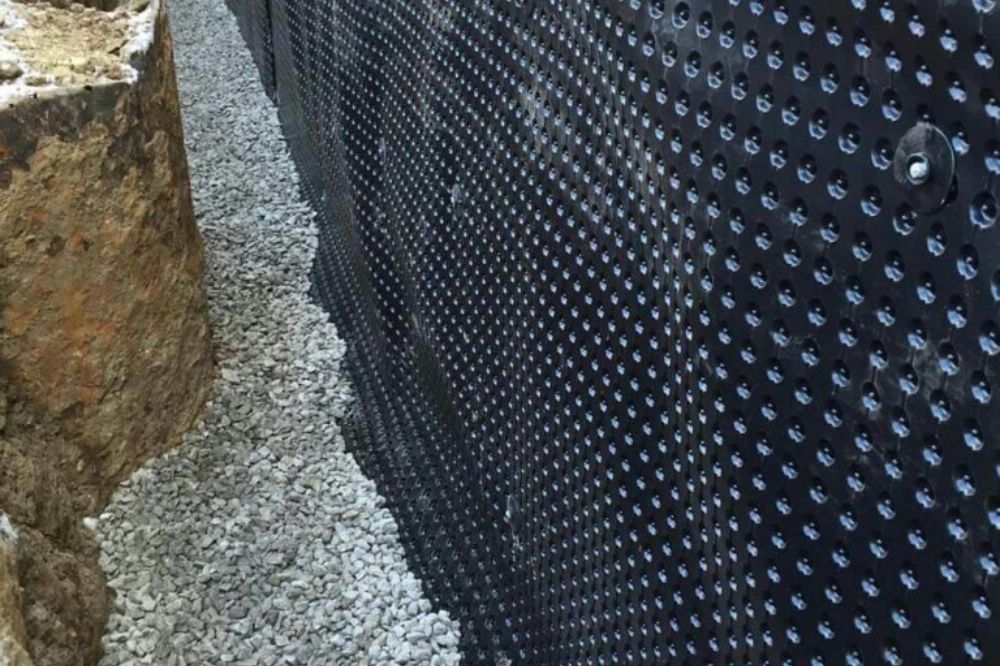
This is one of the most reliable ways to prevent water from entering. The process involves digging around the home’s foundation to expose the walls. Workers then apply a waterproof membrane and install a drainage pipe at the bottom.
This system prevents water from contacting the wall and directs it to a safe drainage point, such as a storm drain or sump pump. It’s beneficial in areas with poor soil drainage or sloped yards.
If water finds a way inside, an interior drainage system helps manage it. A shallow trench is dug around the inside perimeter of the basement. A pipe is placed in the trench to collect water and carry it to a sump pump.
This method doesn’t stop water from entering but makes sure it doesn’t build up or damage your walls and floors. It’s also quicker to install than exterior systems and can be done without digging up your yard.
Small cracks in concrete foundations are a significant cause of water leaks. These are common in older homes or those with soils that are prone to shifting. Professionals use polyurethane or epoxy to seal the cracks from the inside.
These materials expand and bond with the concrete, sealing the crack even if it shifts slightly over time. It’s a cost-effective solution for non-structural leaks and can be done quickly with little mess.
A vapour barrier is usually a plastic or foil sheet installed behind walls or under floors. Its job is to stop water vapour from entering the structure. This is important in basements, where humidity levels tend to be higher.
Without a vapour barrier, moisture can get trapped in insulation, causing mold or even wood rot. Adding this simple layer can significantly improve indoor air quality and comfort.
These devices are installed in a pit at the lowest part of the basement. When water collects in the pit, the pump turns on and pushes it out through a pipe that leads away from your home.
Sump pumps are essential in flood-prone areas or homes built on clay-rich soil. Many homeowners pair them with a battery backup to keep them running during power outages.
A French drain is a gravel-filled trench with a perforated pipe that redirects surface and groundwater away from the house. It’s often installed outside the foundation wall or near problem areas in the yard.
By lowering water pressure against basement walls, French drains reduce the risk of leaks and dampness inside the house.
Sometimes the shape of the yard causes water to flow toward the house. Regrading the land so it slopes away from the home helps direct water away.
Adding soil near the foundation, adjusting landscaping, and installing gutters or downspouts are all part of this approach.
Basement windows often sit below ground level, making them vulnerable to water pooling. Adding a small drain inside the window well helps move rainwater away. A clear plastic cover can also keep water and debris out.
These minor upgrades protect both the windows and the surrounding wall from leaks.
Need help figuring out which method is best for your home? Don’t wait until a small leak turns into a big problem. Contact us to speak with a specialist in waterproofing in Toronto.
Waterproofing isn’t about one quick fix. It’s a full system of methods that work together to stop leaks, control moisture, and protect your home from future damage. Each technique—from sump pumps to crack injections—targets a specific point where water can get in.
In Toronto, where the weather can change quickly, homeowners need a reliable waterproofing solution. Dryshield Waterproofing Toronto offers tested solutions tailored to local needs. Whether you’re dealing with basement moisture or planning preventive upgrades, choosing expert help ensures long-term results.
The Do’s and Don’ts of Interior WaterproofingIt becomes imperative to waterproof your house for longevity and healthy integrity. Without interior waterproofing, the structure may give up – thanks to water and foundation leakage.
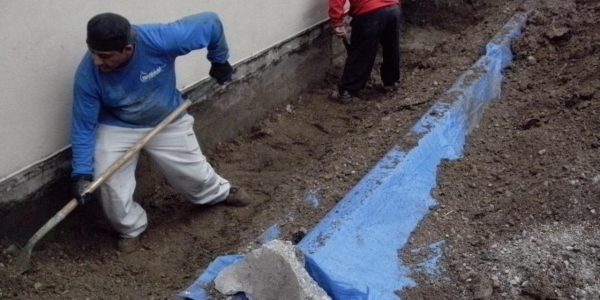 Solutions to Fix Wet and Leaky Basement
Basement leakages have been a common problem with most of the building structures. And the best solution for this problem is by fixing the underlying issue.
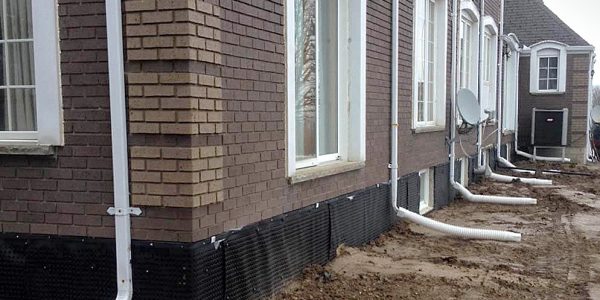 Common Causes of Wet Basements
Wet basement aren’t an uncommon scenario. Nearly, every family with a basement might have faced this problem at some point in time in their life
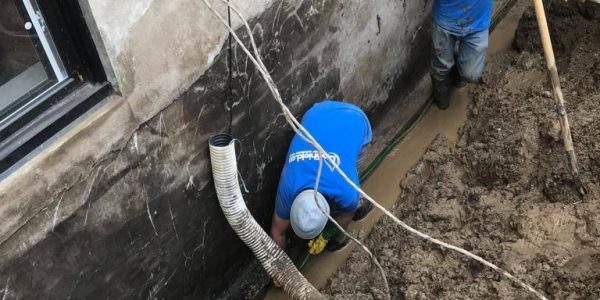 Causes of Water Leakage in Basement
Basement leakage is a common occurrence nowadays. However, the occurrence should not be left unaddressed


