Completed over 300,000 Linear Feetof Basement Waterproofing
Lifetime Transferrable Warranty
Say Goodbye To Wet Basements For Good
Basement waterproofing is one of the most important steps to protect your home from a leaking basement. If you've ever walked into your basement and smelled a damp, musty odour, or have seen water seepage creeping up the foundation walls, you know the feeling that comes with it. A wet basement isn't just an inconvenience, it's a warning sign that one of your biggest investments may already have a leaking basement.
That's where Dryshield Waterproofing Toronto comes in. For decades, we've been the trusted name for homeowners throughout Ontario, delivering proven solutions that keep basements dry, safe, and protected year-round.
Whether it's foundation crack repair, interior drainage systems, sump pump installation, or full exterior basement waterproofing, our team is dedicated to protecting your home for the long term.
Exterior & Interior Basement Waterproofing
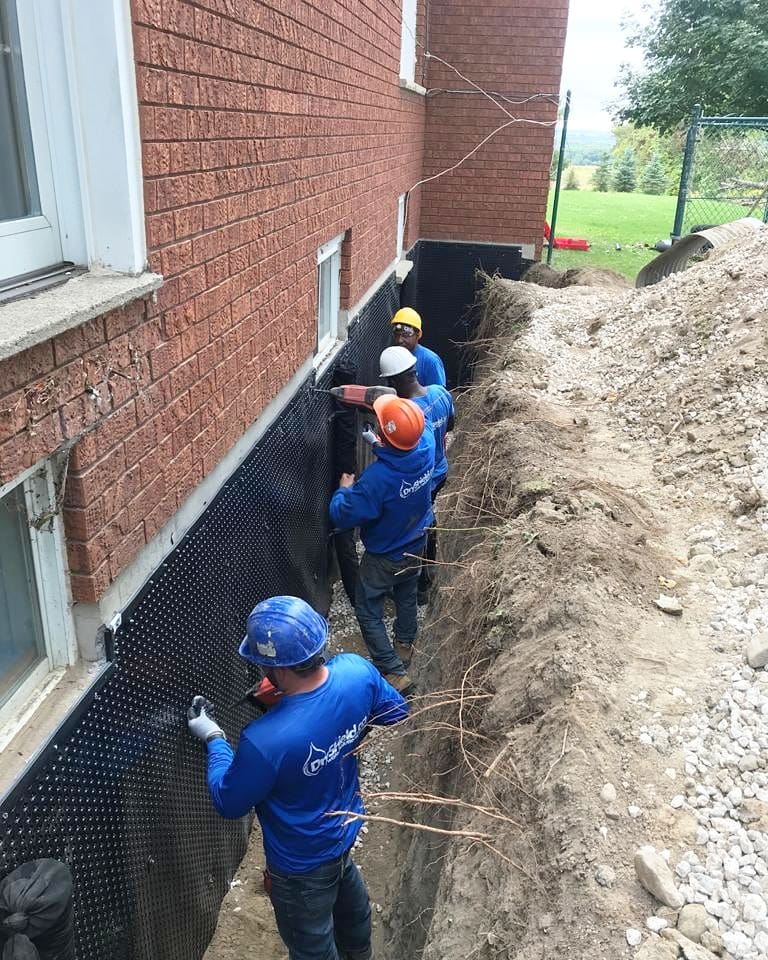
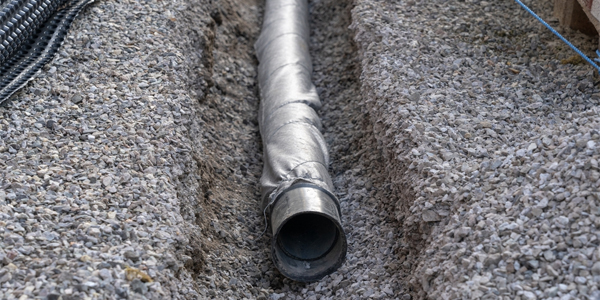
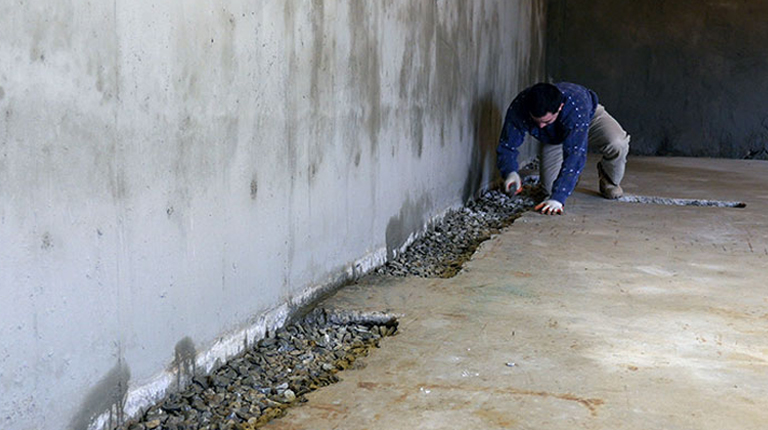
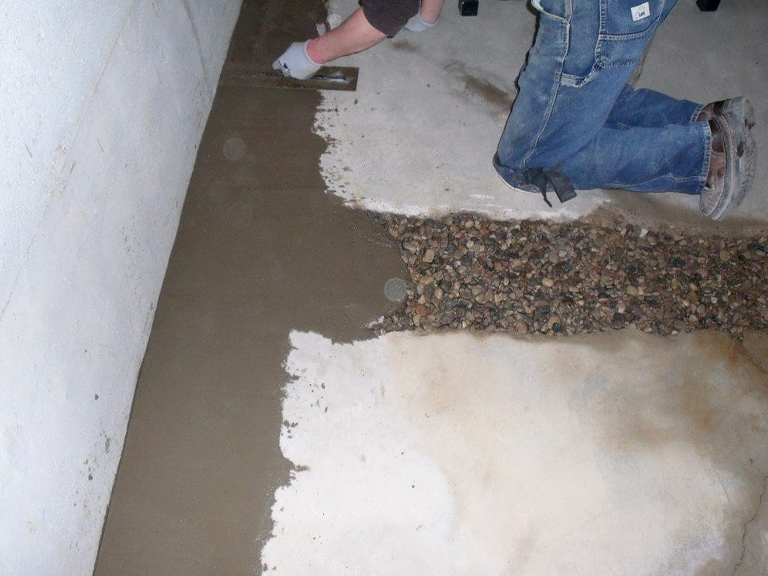
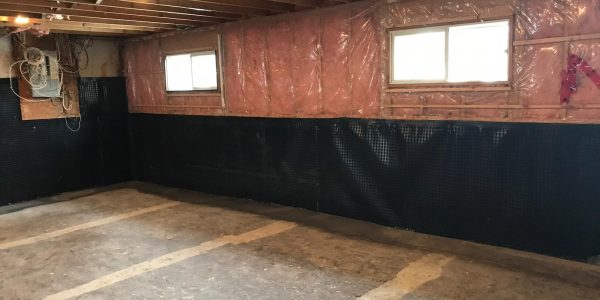
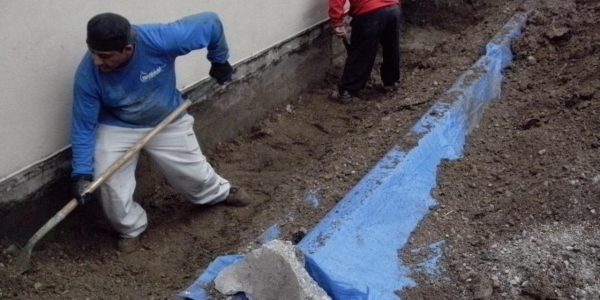
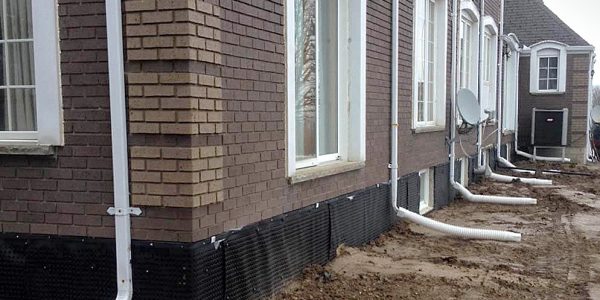
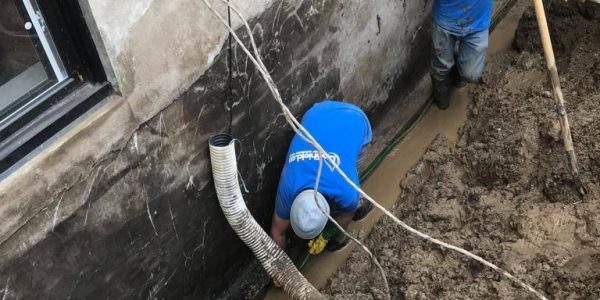
Dryshield Water Solutions Corp. https://www.dryshield.ca specializes in installing exterior waterproofing drainage systems designed to completely address foundation seepage issues. ---------------------- Hi, and welcome to Dryshield Basement Waterproofing' video on external waterproofing, and internal drainage systems. I'm going to walk you through how drainage systems function on existing foundations. The ground is excavated for installation of the foundation. Footings are poured, and foundation walls are installed. The floor is then installed on top of the footings. Originally, weeping tiles are installed at the bottom side of the footings. Typically, a damp-proof spray is applied, not a waterproof membrane, Excavated soil is then backfilled, however it is not as dense as the soil that was not excavated. When it rains or snow melts, water will find the excavated angle and travel back towards the bottom of the foundation. This is why weeping tiles are installed at the bottom side of the footings. Once the weepers clog, the water will begin to build on the outside of the foundation, causing hydrostatic pressure. Once the pressure builds, water will enter at the floor-wall joint, either from underneath or overtop of the footing. Over the past few decades , our research has allowed us to incorporate the highest level of waterproofing technologies and procedures to date. Let us show you how the external procedure is installed. The soil around the foundation is excavated. The weeping tiles are removed and the walls are cleaned. Small holes are drilled into the bottom blocks to remove any moisture in the wall. The walls and footings are coated by hand with the highest quality rubberized urethane. Polysheeting is applied, on top of the urethane, and dimple board is installed with steel brackets and a finishing strip. New weeping tiles, with a geotextile filter cloth and installed and connected to proper drainage. Three-quarter inch clear gravel is installed on top of the weepers to a minimum of one-foot depth. A geomembrane filter cloth is installed on top of the gravel. This will prevent the soil from clogging the system. Soil is then backfilled, and graded away from the foundation. With this installation, Dryshield provides a full, 25-year transferrable warranty on all external waterproofing. Depending on the situation, a more cost-effective approach can be done form the inside. The latest technologies allow for proper, internal drainage systems. The key to water seepage is drainage - regardless if done from inside or out. Our internal process involves exposing the foundation to the concrete, and in some cases, the removal of drywall studs, insulation and flooring. The conrete is then broken, from 12-14 inches from the foundation wall. A trench is dug to expose the inside of the bottom footing. Weeping tiles are then installed, and graded towards the sump-pump. Three-quarter inch, clear gravel is intalled over the weepers. A waterproof membrance is then installed over the weeping tile, extending to the top of the foundation wall. New concrete is poured over the system, flushed with the existing slab. Our team at Dryshield would like ot thank you for taking the time to watch our video. For more information, please continue reading our website (http://www.waterproofingservice.com), or call use today at 1800-277-5411.
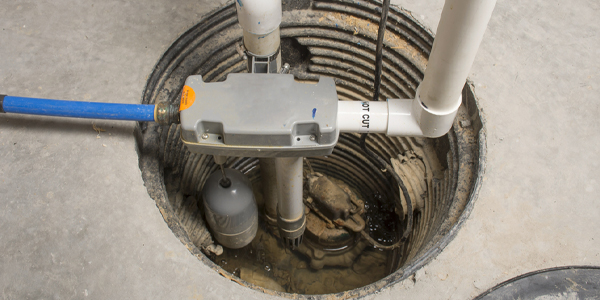
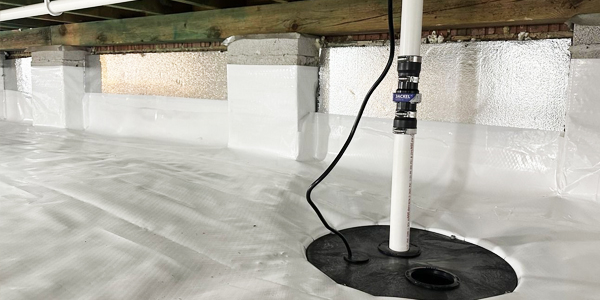
Sump Pump Basin and Sump Pump Installation: The purpose of a sump pump is to help drain water away from a foundation. The sump pump basin allows the water to collect, then the sump pump discharges the water out either
Let a wet basement trouble you no more! Living in a damp or wet basement is a serious health hazard and poses a grave danger to your home’s structural integrity. Moisture infusing through the walls and floors is a common problem
Water-related damage? French drain installations by DryShield are the best. Don’t allow problems with water to damage your land. The installation of French drains is handled with unmatched skill and dependability by DryShield Water Solutions. Using years of expertise and cutting-edge methods, our qualified experts create and install a unique French drain system that efficiently redirects water and protects your investment.
Do you have uneven concrete slabs? Is it a trip hazard? Perhaps you are afraid it is going to get worse and need replacement? Uneven or sunken concrete can cause you, or visitors to your house, to trip and fall. Not to mention how irritating it can be to have to constantly watch your step or stumble. These hazards can lead to minor, and sometimes, major injury. Concrete is a great versatile material.
Keeping your basement dry is key to protecting your home’s foundation. An external basement waterproofing system is designed to stop water from leaking through your foundation walls. But weather, soil pressure, and everyday wear can reduce its effectiveness over time. Regular maintenance is essential to avoid leaks, dampness, and costly repairs. In Toronto, where rain and freezing temperatures are typical, proper care of your waterproofing system is critical.
A crucial step is knowing how to maintain your waterproofing properly. If you want to learn more or need professional help, consider contacting a company that offers basement waterproofing services. These experts can provide inspections, repairs, and advice tailored to your home’s needs.
Table of Contents
Expert Tips for Maintaining Your External Basement Waterproofing System
Tips for Maintaining Your External Basement Waterproofing System
Key Takeaways
Tips for Maintaining Your External Basement Waterproofing System
Following these tips will help protect your basement from water damage and keep your foundation safe.
1. Keep Gutters and Downspouts Clear
Water should flow freely through gutters and downspouts and away from your home. Blocked gutters cause water to spill near your foundation, potentially leading to leaks. Clean your gutters at least twice a year to remove leaves, dirt, and debris. In areas with dense tree cover, more frequent cleaning may be necessary. Ensure that downspouts extend at least 5 feet from the foundation to prevent water from accumulating near your basement walls. This simple step can reduce the risk of water pooling near your home’s foundation.
2. Inspect the Foundation Walls Regularly
Check your foundation walls for cracks, holes, or damaged waterproof coatings. Small cracks can allow water to enter, especially during heavy rain or freeze-thaw cycles. If you see peeling or bubbling on the exterior coating, it may need repair. Fixing damage early helps maintain the effectiveness of the waterproofing. Use a flashlight to check hard-to-see areas, and consider inspecting after storms or heavy rainfall for signs of seepage.
3. Maintain Proper Soil Grading
The ground around your house should slope away from the foundation. This slope helps direct rainwater away from your basement walls. Aim for about a 2-inch drop per foot over at least 5 feet around your home. If the soil is flat or slopes toward your house, water can pool near your foundation, increasing the risk of leaks. Over time, soil can settle or wash away, so check the grading annually and add soil if needed to maintain the slope.
4. Avoid Planting Near the Foundation
Plants and trees near your foundation can cause problems. Roots may push against walls or damage waterproofing membranes. Keep plants at least 3 feet away from the foundation. Also, avoid using heavy mulch near the walls, as it can retain moisture and slow down the drying process. Consider planting grass or low-maintenance ground cover that drains well and does not hold excess moisture near your home.
5. Check and Service Your Drainage Systems
Many homes have drainage systems, such as French drains or sump pumps, to remove water near the foundation. Ensure these systems are clear and functioning correctly. Test sump pumps regularly by pouring water into the pit and ensuring the pump activates. Clean filters or grates to prevent clogs. If you notice unusual noises or water backing up, have a professional inspect the system. Proper drainage is essential for maintaining a dry basement and preventing water damage.
6. Monitor Basement Moisture Levels
Use a hygrometer to check the humidity in your basement. High moisture levels encourage mould growth and can weaken walls. Ventilate your basement thoroughly, use a dehumidifier if necessary, and repair leaks promptly to maintain low moisture levels. Pay attention to any musty smells or damp spots, which can signal hidden moisture problems. Maintaining humidity control also protects your belongings and enhances indoor air quality.
7. Inspect and Repair Exterior Waterproofing Coatings
Waterproof coatings on foundation walls can wear out over time. Inspect the coating regularly for any signs of cracks, peeling, or damage. If you notice any issues, reapply or repair the coating to maintain a strong barrier against water. A professional application ensures the coating adheres well and provides adequate protection. Do not delay repairs, as water can penetrate quickly through damaged coatings.
8. Schedule Professional Inspections
Have a professional inspect your basement waterproofing every few years. Experts can identify problems that are easy to overlook and recommend repairs before the damage worsens. Regular inspections help extend the life of your waterproofing system. Professionals also have tools to assess drainage and moisture that are not always visible to homeowners. This proactive approach can save you money and stress in the long run.
Following these expert tips will help keep your external basement waterproofing system effective. If you want further advice or professional help, many Toronto homeowners trust expert companies that specialize in basement waterproofing.
Key Takeaways
Taking care of your external basement waterproofing system is crucial for protecting your home’s foundation and maintaining a dry basement. Regular inspections, gutter cleaning, soil grading, and professional checks all help your system last longer and function more efficiently. These simple steps prevent water damage and save money on repairs.
For homeowners in Toronto, professional help can make all the difference. Dryshield Waterproofing Toronto offers expert inspection, maintenance, and repair services for basement waterproofing systems. Their team understands local conditions and can help keep your home protected from water damage.
Caring for your waterproofing system now means fewer problems in the future. Use these tips to keep your basement dry and your home safe.
When it comes to protecting your home, many people forget about the basement. But did you know that a small leak today can lead to serious problems tomorrow? Water damage doesn’t just stay in the basement—it can move through your home and cause mould, bad smells, and even hurt the strength of your walls. That’s why basement waterproofing is so important. It helps keep your home safe, clean, and dry.
If you live in Toronto, acting fast is even more important because the weather can change quickly, causing heavy rains or melting snow. This guide will help you spot the warning signs early so you can fix them before they become expensive problems.
Why Basement Waterproofing Matters
Basement waterproofing protects your home from water getting inside where it shouldn’t be. It keeps the walls dry, stops mould from growing, and protects your family’s health. Waterproofing also keeps your home’s value high, which is very important if you ever want to sell. A wet basement is a big red flag for buyers! Now, look at the clear signs showing you need to waterproof your basement immediately.
1. Visible Cracks in the Walls or Floor
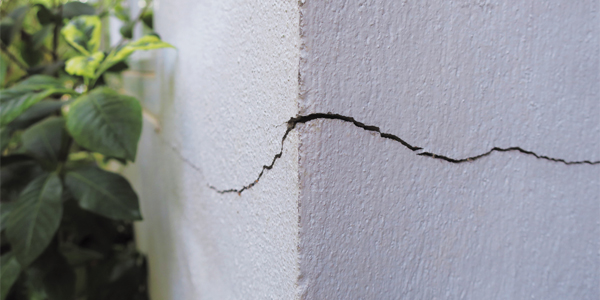
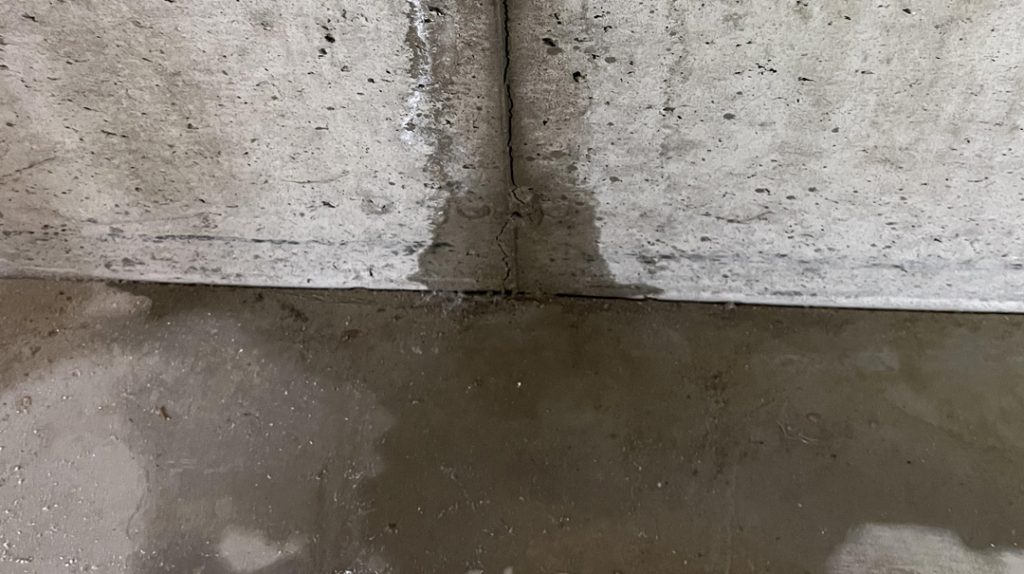
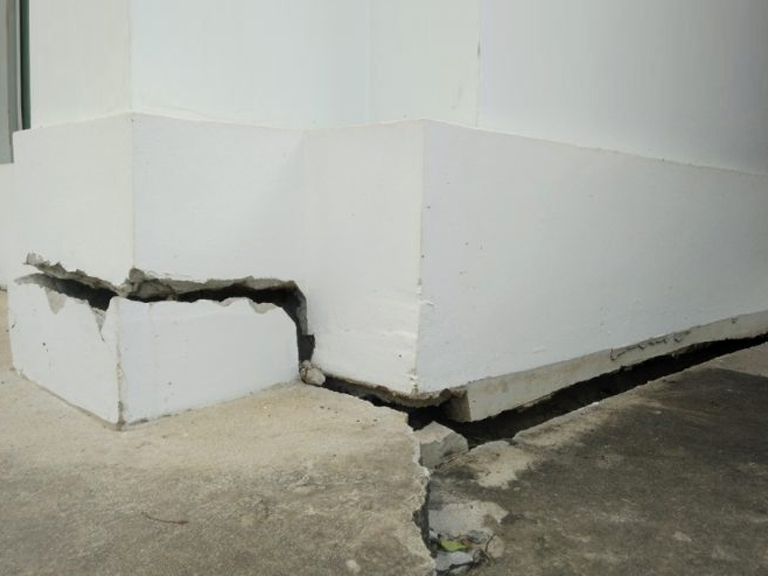
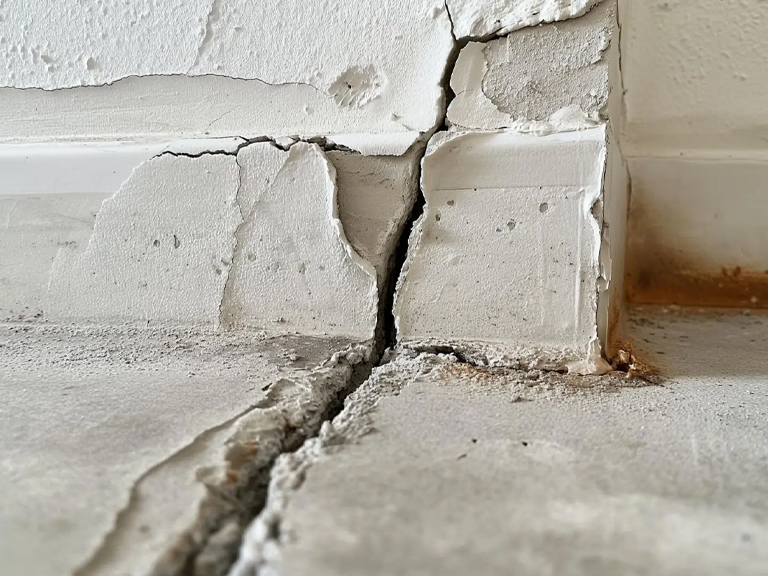
If you see cracks in your basement walls or floor, it’s a big warning sign. Water can sneak through even the tiniest crack. Over time, these cracks get bigger and allow even more water to enter. It’s not just about the water—cracks can also weaken the structure of your home. Sometimes, small cracks are caused by your house settling. But deep or wide cracks usually mean there are serious water problems nearby. Don’t ignore them. It’s better to fix them early before they become a costly headache.
2. Damp or Musty Smell
Does your basement smell musty or earthy, even if you can’t see any water? That smell usually means there’s moisture hiding somewhere. Mould and mildew thrive in damp spaces; they are hard to remove once they start growing. A musty smell can affect the air quality in your whole house, making it hard for people with allergies or asthma to breathe easily. So, if you notice this smell, it’s time to look into waterproofing.
3. Water Stains on Walls or Floor
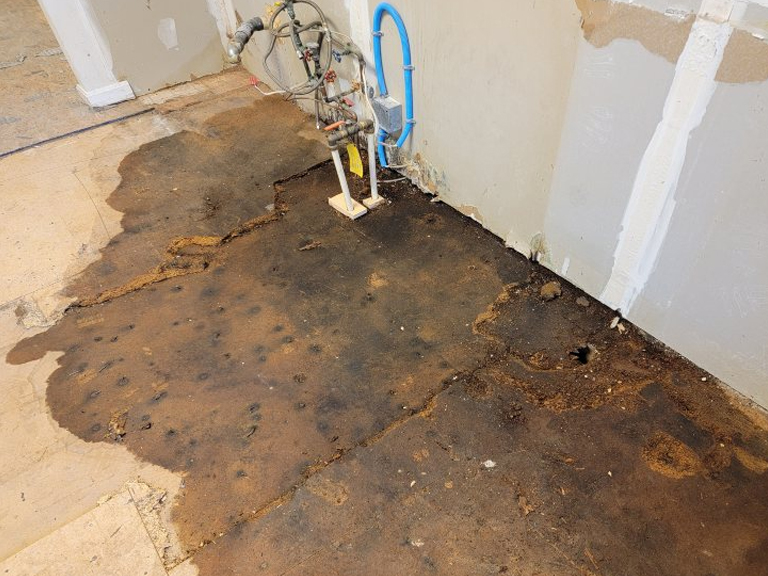
Water leaves behind stains that are usually brown, yellow, or grey. Water has already entered if you see these stains on your basement walls or floor. Even if the area looks dry now, the stain shows that water has been there before and can return. Stains are not just ugly—they signify a bigger problem. Ignoring them could lead to serious damage over time, including crumbling walls or floors.
4. Peeling Paint or Wallpaper
When moisture gets behind paint or wallpaper, it causes bubbling, peeling, or blistering. If you notice this happening in your basement, don’t just repaint it! Peeling paint is often the first sign of too much moisture in the air or on the walls. Painting over the problem without waterproofing will only hide it for a short time. The water will still be there, causing even more damage underneath.
5. Efflorescence (White, Chalky Substance)
Have you ever seen a white, powdery or chalky material on your basement walls? This is called efflorescence. It happens when water moves through concrete or brick and leaves behind minerals on the surface. Efflorescence is a clear sign that water is moving through your walls. Even if your basement doesn’t feel wet, moisture is present. This is your chance to act before more serious damage occurs.
6. Mould Growth
Mould loves moist, dark places like basements. Sometimes, you can see it as black, green, or white patches on walls or floors. Other times, you can’t see it but can smell it. Mould is not only bad for your home but also your health. It can cause coughing, headaches, and breathing problems, especially for children and elderly people. If you find mould in your basement, you need waterproofing fast.
7. Pools of Water or Puddles
This is the most obvious sign! If you see puddles of water on the basement floor, your home has a serious water problem. It may come through cracks, gaps around windows, or even from the floor. Even small puddles should not be ignored. Over time, they can lead to big problems like a completely flooded basement, ruined furniture, and expensive repairs.
8. Sinking or Uneven Floors
If you feel your basement floor is uneven or notice that it’s sinking in some spots, water could weaken the foundation. Water erodes soil beneath your home, causing the ground to shift. An uneven floor is dangerous because it can lead to bigger foundation problems that cost money. It’s much cheaper and safer to waterproof your basement before it gets worse.
Why You Should Act Fast
Water problems in your basement won’t fix themselves. They get worse over time. What starts as a small leak can grow into major water damage, costing you thousands of dollars in repairs. Water can also lower your home’s value and make selling harder. Plus, living in a home with dampness and mould can be dangerous to your family’s health. Toronto’s weather brings heavy rainfalls, snowstorms, and melting snow—all of which can easily lead to basement leaks. So, if you notice any of these signs, act now before it’s too late.
Conclusion
Protecting your home starts with recognising the early signs of trouble. Don’t ignore the warning signs like cracks, smells, mould, or water stains. Taking quick action can save you a lot of stress, money, and future headaches. If you notice these problems, it’s time to get professional help. Trust Dryshield Waterproofing Toronto to keep your basement dry, safe, and protected for years.
A wet or damp basement can lead to serious issues like mold growth, structural damage, and decreased property value. Basement waterproofing is the key to keeping your home safe, dry, and free from costly repairs. In this guide, we’ll explore the causes of basement moisture, the benefits of waterproofing, and the best solutions to keep your basement dry year-round.
Why Is Basement Waterproofing Important?
Water intrusion in your basement can result from heavy rain, poor drainage, cracks in the foundation, or high groundwater levels. Without proper waterproofing, you risk:
Mold and mildew growth, leading to health issues
Weakened foundation and structural damage
Musty odors and poor air quality
Damage to stored belongings and furniture
By taking preventive measures, you can protect your home and save money on future repairs.
Signs You Need Basement Waterproofing
If you notice any of the following signs, it’s time to consider waterproofing:
Water stains or damp spots on walls and floors
Cracks in the foundation or basement walls
Musty or moldy smells
Peeling paint or efflorescence (white, chalky residue)
Foundation Waterproofing Membranes – A long-term solution to block water from entering your basement walls.
Proper Gutter & Downspout Maintenance – Ensures water is directed away from your home.
Grading & Landscaping Adjustments – Prevents water pooling near the foundation.
3. Crack Repair & Foundation Protection
Epoxy or Polyurethane Injections – Seals cracks in walls and floors to prevent leaks.
Drain Tile Installation – Helps manage excess groundwater before it reaches your foundation.
Protect Your Home with Professional Waterproofing
While some DIY waterproofing solutions can help, hiring a professional waterproofing service ensures long-term protection. Experts can assess your basement, recommend the right solutions, and provide warranties for peace of mind.
Don’t wait until water damage becomes a costly problem! Contact us today for a free inspection and expert basement waterproofing solutions.
Basement cracks are a common concern for homeowners, particularly in regions like Toronto where fluctuating weather conditions can lead to significant stress on foundation walls. Cracks in your basement walls or floors are not just cosmetic issues; they can lead to serious structural problems and water intrusion if left unaddressed.
What Causes Basement Cracks?
Basement cracks can develop due to a variety of reasons, including:
Hydrostatic Pressure: Excess water in the soil around your home can put pressure on foundation walls, causing them to crack.
Soil Movement: Expanding and contracting soil due to changes in moisture levels can lead to cracks over time.
Poor Construction Practices: Improper curing of concrete or lack of reinforcement can result in weak spots that eventually crack.
Natural Settling: As a house settles over time, minor cracks can appear in the foundation.
Why Basement Crack Repair is Essential
Water Leaks: Cracks provide an entry point for water, leading to moisture buildup and potential flooding.
Mold Growth: Persistent dampness can create the perfect environment for mold and mildew.
At DryShield Water Solutions, we use advanced techniques and materials to repair basement cracks effectively. Our process typically includes:
Inspection: A thorough assessment to identify the cause and extent of the damage.
Cleaning: Preparing the area by removing debris and loose material.
Injection Repair: Using high-quality epoxy or polyurethane injections to fill the cracks and create a waterproof seal.
Follow-Up: Ensuring the repair is durable and providing recommendations to prevent future issues.
Why Choose DryShield for Basement Crack Repair?
With years of experience and a reputation for excellence, DryShield Water Solutions is your trusted partner for basement crack repair in Toronto. We use state-of-the-art equipment and proven methods to deliver long-lasting results. Whether it’s a small hairline crack or a larger structural issue, our team is equipped to handle it all.
If you’ve ever dealt with a flooded basement, you know how devastating water damage can be. A sump pump is one of the most effective tools to prevent this issue, providing homeowners with peace of mind during heavy rains or melting snow. This blog dives into the essentials of sump pump installation, its benefits, and why every homeowner should consider it.
What is a Sump Pump?
It works by collecting water in a sump pit and pumping it away from your home’s foundation to a safe location, like a storm drain or dry well.
The Sump Pump Installation Process
Assessment and Planning
A professional evaluates the area prone to water accumulation and selects the best spot for the sump pit.
Factors like basement layout and water table levels are considered.
Digging the Sump Pit
A hole is dug to house the sump pump, typically at the basement’s lowest point.
A liner is installed to prevent clogging and maintain efficiency.
Pump Installation
The sump pump is placed in the pit, connected to a discharge pipe, and secured to prevent movement during operation.
Testing the System
The system is tested to ensure proper water removal, verifying that the discharge pipe directs water away effectively.
Benefits of Sump Pump Installation
Flood Prevention Sump pumps quickly remove water during heavy rains or plumbing mishaps, reducing the risk of basement flooding.
Foundation Protection Excess water can weaken your home’s foundation.
Improved Air Quality By keeping the basement dry, a sump pump helps reduce the risk of mold and mildew, which can impact indoor air quality.
Types of Sump Pumps
Submersible Sump Pumps
Installed underwater in the sump pit, they are quieter and ideal for finished basements.
Pedestal Sump Pumps
Positioned above the sump pit, these are easier to maintain and suitable for smaller spaces.
Battery-Backup Sump Pumps
Operates during power outages, providing an additional layer of protection.
Signs You Need a Sump Pump
Your basement frequently experiences dampness or pooling water.
Your home has a history of basement flooding.
Why Choose DryShield Water Solutions for Sump Pump Installation?
At DryShield Water Solutions, we understand the critical role a sump pump plays in protecting your home. Here’s why you should trust us:
Expertise: Our technicians have years of experience in sump pump installation and maintenance.
Top-Quality Products: We use reliable, high-performance sump pumps to ensure long-lasting protection.
Conclusion
A sump pump is a small investment that can save you from the massive costs and headaches associated with water damage. Whether you’re building a new home or upgrading your current basement, sump pump installation is a step toward better protection and peace of mind.
Contact DryShield Water Solutions today to schedule a consultation and safeguard your home from flooding with a professionally installed sump pump.
One of the best ways to shield your house against structural degradation, mould growth, and water damage is to Basement waterproofing.However, when homeowners begin to explore waterproofing solutions, one of the most common questions is: “How much does it cost?”
At DryShield Water Solutions, we’re committed to helping homeowners make informed decisions. The price of basement waterproofing usually varies from $500 to $15,000 and more, depending on the method selected, the extent of the issue, and other variables. Let’s break down what goes into these costs and what you can expect.
Interior Waterproofing: Water that has already reached your basement is dealt with using inside techniques. This covers fixes including installing sump pumps, injecting cracks, and installing drainage systems inside buildings. Costs for interior waterproofing typically range from $1,000 to $10,000.
Exterior Waterproofing: This method often involves excavation, installing external drainage systems, and applying waterproof membranes. While highly effective, it is also more expensive, with costs ranging from $8,000 to $15,000.
Severity of the Issue
Minor issues, such as a single crack or small leak, may cost as little as $500 to $1,500 to repair.
More extensive problems, like widespread foundation damage or recurring water intrusion, can push the price closer to $15,000.
Size and Layout of the Basement Complex layouts may also add to the time and effort required for waterproofing.
Additional Repairs If your basement has mold, structural damage, or foundation cracks, these issues will need to be repaired first. Depending on how bad the damage is, this extra work could cost anywhere from $500 to $5,000.
Quality of Materials It may cost more up front, but waterproofing membranes and drainage systems of higher quality usually offer better and longer-lasting security.
Is Basement Waterproofing Worth the Cost?
Investing in basement waterproofing might seem costly, but it’s a decision that pays off in the long run. Here’s why:
Prevents Costly Damage: Repairing extensive water damage or a compromised foundation can cost far more than waterproofing.
Protects Your Health: Waterproofing eliminates the conditions that allow mold and mildew to thrive, which can pose health risks.
Increases Home Value: A dry, secure basement makes your home more appealing to buyers and can boost its resale value.
Provides Peace of Mind: With a waterproofed basement, you won’t have to worry about heavy rains or melting snow causing flooding.
Why Choose DryShield Water Solutions?
At DryShield Water Solutions, we’re proud to be one of the leading basement waterproofing companies in Toronto and the surrounding areas. Here’s what sets us apart:
Experienced Professionals: Our team has years of expertise in both interior and exterior waterproofing methods.
Customized Solutions: That’s why we assess your basement’s specific needs and recommend the most effective and cost-efficient solutions.
High-Quality Materials: We use durable, long-lasting materials to ensure your basement stays dry for years to come.
Transparent Pricing: No hidden fees, no surprises—just clear, upfront estimates.
How to Get Started
If you see signs of water getting into your basement, like damp walls, mould growth, or a musty smell, you need to do something. Contact DryShield for a free consultation.
Conclusion
Putting in a sealed basement is an investment in the safety and longevity of your house. While costs can vary from $500 to $15,000 and more, addressing water issues early can save you from more significant expenses down the line. With DryShield Water Solutions, you’ll receive top-quality service and customized solutions that keep your home dry and secure.
Don’t wait for water damage to worsen—schedule your free estimate with DryShield today and protect your basement for years to come!
If your home has a crawlspace, you may be overlooking a vital component that could significantly improve your home’s comfort, structural integrity, and even your energy bills. Crawlspace encapsulation, a service provided by DryShield Water Solutions, involves sealing and insulating the crawlspace to protect it from moisture, pests, and temperature fluctuations. In this post, we’ll explore why crawlspace encapsulation is a smart investment for homeowners and how it can positively impact your home’s overall environment.
What Is Crawlspace Encapsulation?
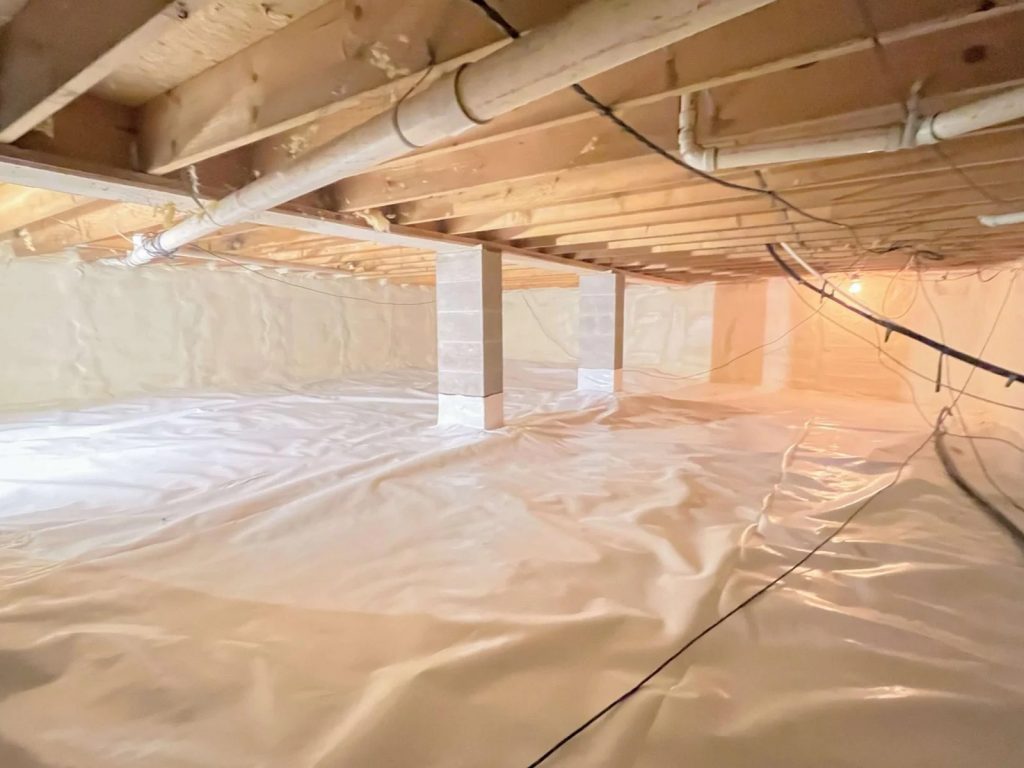
Crawlspace encapsulation is the process of sealing off the crawlspace under your home from outside elements. This involves installing a durable moisture barrier over the floor, walls, and sometimes the ceiling of the crawlspace, along with additional insulation as needed. The aim is to control the environment in the crawlspace, minimizing the entry of moisture, pests, and outside air.
Why Should You Consider Crawlspace Encapsulation?
Reduces Moisture and Mold
Encapsulation significantly reduces moisture buildup, preventing the growth of mold and mildew and protecting the integrity of your home’s foundation.
Improves Indoor Air Quality
Air in your crawlspace can seep into your living spaces, affecting indoor air quality. By sealing the crawlspace, you reduce the risk of allergens, mold spores, and toxins entering your home, creating a healthier environment for your family.
Boosts Energy Efficiency
Crawlspace encapsulation helps regulate temperatures, reducing the strain on heating and cooling systems. This improved insulation can lead to lower energy bills, especially during extreme weather months.
Prevents Pest Infestations
By sealing off access points and removing damp conditions, encapsulation helps keep these unwanted guests out, reducing pest control expenses and damage.
Increases Home Value
Encapsulated crawlspaces are an attractive feature for potential buyers, as they signify a well-maintained home with enhanced air quality and energy efficiency. This proactive measure can add value and appeal if you decide to sell your home.
Basement leaks can be a homeowner’s worst nightmare, leading to structural damage, mold growth, and costly repairs if not addressed promptly. In this guide, we’ll explore the common causes of basement leaks, effective repair techniques, and preventative measures to keep your basement dry and safe. Whether you’re dealing with minor seepage or a major leak, understanding the ins and outs of basement leak repair can save you time, money, and stress.
Identifying the Causes of Basement Leaks
The first step in basement leak repair is identifying the root cause of the problem. Common causes include:
Poor Drainage: Improperly directed downspouts and gutters can cause water to pool around your foundation.
Foundation Cracks: Cracks in your foundation can allow water to seep into your basement.
Hydrostatic Pressure: When the soil around your home becomes saturated, it exerts pressure on your foundation walls, leading to leaks.
Failed Waterproofing: Over time, the waterproofing materials used in your basement can degrade, leading to leaks.
DIY Basement Leak Repair: What You Can Do Yourself
For minor leaks, there are several DIY solutions you can try before calling a professional:
Seal Cracks with Hydraulic Cement: This type of cement expands as it cures, making it ideal for sealing small cracks in your basement walls.
Apply Waterproof Coatings: Use waterproof paint or sealants to coat your basement walls and floors, creating a barrier against moisture.
Install a Sump Pump: If your basement is prone to flooding, a sump pump can help remove water and prevent damage.
When to Call a Professional
While DIY solutions can be effective for minor leaks, some situations require professional intervention:
Extensive Foundation Cracks: Large or numerous cracks may indicate a serious structural issue that needs professional repair.
Persistent Water Issues: If water continues to seep into your basement despite your best efforts, it’s time to call a professional.
Mold and Mildew: If you notice mold or mildew in your basement, professional remediation is necessary to ensure your home’s safety and air quality.
Professional Basement Leak Repair Techniques
Professionals use a variety of techniques to repair basement leaks, including:
Exterior Waterproofing: This involves excavating around the foundation and applying a waterproof membrane to the exterior walls.
Interior Drainage Systems: Interior systems like French drains can help manage water that enters your basement.
Foundation Crack Injection: Professionals can inject epoxy or polyurethane foam into foundation cracks to seal them and prevent further leaks.
Preventative Measures to Keep Your Basement Dry
Preventing basement leaks is often easier and less expensive than repairing them. Here are some tips to keep your basement dry:
Maintain Gutters and Downspouts: Regularly clean and inspect your gutters and downspouts to ensure they direct water away from your foundation.
Grade Your Yard Properly: Ensure the soil around your home slopes away from the foundation to prevent water from pooling.
Install a Dehumidifier: Keeping your basement’s humidity levels low can help prevent condensation and mold growth.
Conclusion
Basement leaks can cause significant damage if not addressed promptly. By understanding the common causes and employing effective repair and prevention techniques, you can keep your basement dry and your home safe. Whether you’re tackling a minor leak yourself or calling in professionals for major repairs, taking action early can save you from costly and stressful repairs down the line.
When it comes to protecting your home from water damage, external waterproofing is your first line of defense. From preventing basement flooding to preserving the structural integrity of your property, external waterproofing is a critical investment in the longevity of your home.
At DryShield Water Solutions, we understand the importance of keeping your home dry and secure. In this guide, we’ll take you through everything you need to know about external waterproofing, from how it works to why it’s essential for your home.
What is External Waterproofing?
External waterproofing, also known as exterior waterproofing, involves applying waterproofing materials and techniques to the outside of your home’s foundation walls. By doing this, you can stop water damage from leaking into your crawl space or basement.
External waterproofing typically involves several key steps:
Surface Preparation: The exterior walls of your home are thoroughly cleaned and inspected for any cracks or damage.
Application of Waterproofing Membrane: A waterproofing membrane, such as a liquid rubber or bituminous coating, is applied to the exterior walls. This forms a barrier that prevents water from penetrating the foundation.
Installation of Drainage System: A drainage system, such as weeping tiles or French drains, is installed around the perimeter of your home to redirect water away from the foundation.
Backfilling: The area around the foundation is backfilled with gravel to promote proper drainage.
Landscaping: Landscaping features, such as grading and sloping, are adjusted to further direct water away from the foundation.
Why is External Waterproofing Important?
External waterproofing offers several important benefits:
Prevents Basement Flooding: By creating a waterproof barrier around your foundation, external waterproofing prevents water from seeping into your basement or crawl space, reducing the risk of flooding.
Protects Against Structural Damage: Water can weaken the structural integrity of your home over time. External waterproofing helps preserve the strength and stability of your foundation walls.
Prevents Mold and Mildew Growth: Moisture in your basement or crawl space can lead to mold and mildew growth, which can pose health risks to you and your family. External waterproofing keeps your home dry and mold-free.
Why Choose DryShield Water Solutions?
At DryShield Water Solutions, we have years of experience in providing high-quality external waterproofing services. Here’s why you should choose us:
Expertise: Our team of experienced professionals understands the unique waterproofing needs of homes in Toronto.
Quality Materials: We use only the highest quality waterproofing materials and techniques to ensure long-lasting protection for your home.
Customer Satisfaction: We take pride in our excellent customer service and work closely with our clients to ensure their complete satisfaction.
Conclusion
External waterproofing is a crucial investment in the protection and longevity of your home. With DryShield Water Solutions, you can trust that your home will be in good hands. Contact us today to learn more about our external waterproofing services and schedule a consultation.
A leaking basement can be a thorn in the flesh if you don’t do something about it. If you have been experiencing such a problem you need to think twice about it. Proper waterproofing is what will save you from such a menace. Dryshield could help you get the job done in the best way possible. You must first know the steps involved in the process of basement waterproofing before you commence the process. Here is how to waterproof the basement from the inside.
Clean the area
Cleaning the area is very important. You have to do it before doing anything else. This cleaning helps to remove existing coatings on the wall or floor. Removing these coatings is required to help waterproofing products work efficiently. You will also be required to wash the walls using a scrub brush and warm water as well. This will help get all the dirt and dust off the walls before you can continue with the waterproofing process. A wire brush will also be necessary in removing old paint. When doing all these remember to put on protective gear so that you’re protected from the paint. Bleach can also be used in case of mold. But for efficient results when it comes to mould removal Scarborough, Dryshield is the best choice for you. They will do it to your satisfaction.
Plug existing holes
Plugging holes is what you will do after you have done cleaning. You will have to use hydraulic cement. This cement will help in sealing cracks thereby preventing water from through the cracks. Working with the best expert in Mississauga crack repair will be the ideal thing for you if you live in Mississauga. That expert is none other than Dry shield. You will like everything they will do in your basement. It is always the best thing to work with an expert in matters like this. An expert will guarantee you better results that will save you a great deal. No need of taking shortcuts and later incur serious expenses you had not planned for.
Fill cracks
You will now go ahead and target small cracks. Make sure you properly fill all of them. A crack filler will come to your aid in this process. This step is very important as well and should be treated with the seriousness it deserves. These cracks will remind you of the best experts to handle crack repair near Mississauga. So if you are a resident of Mississauga you must already be thinking about who it could be. A simple answer to your thought is Dryshield. This company has all it takes to deal with all issues about basements.
Seal all openings
After you have sealed the cracks you will proceed to seal all the openings. In this case, the openings refer to the doors, windows as well as window wells. For that, you will have to use an elastic sealant that is both waterproof and flexible. That one will guarantee you an easy time while doing this job. Do not think you can do all these by yourself when Dryshield is waiting for your call.
Lastly, apply a waterproof coating
This is the last step that comes after you have done other things including sealing cracks and holes. Here, you will now apply a waterproof coating, preferably a strong one that will protect the basement surfaces against water seepage. If it is a good product it will also protect the basement surfaces against hydrostatic pressure in the best way possible. Once you properly apply at least two coats, you can be sure that your basement will be waterproof. For the best type of waterproof coating, you can seek advice from Dry shield. They probably know what you need for your basement.
After knowing how to waterproof the basement from the inside, knowing the types of basement waterproofing is important. The following are the types of basement waterproofing.
Interior waterproofing
This is the most common and recommended type of basement waterproofing. Once it is done properly, you can count on it for many years. Its effectiveness is on another level. This effectiveness will also depend on whom you hire for the job. A basement waterproofing expert will give you exactly what you deserve. For instance, Dry shield is the most qualified for waterproofing Toronto. If you are a Toronto resident then already know whom to reach out to.
Exterior waterproofing
This waterproofing is done from the exterior of a house. It is also effective but the cost is what can put you off. It is a bit expensive compared to interior waterproofing. It requires a lot of work to be done on the foundation walls. One shortcoming of this method is that it can be compromised by clogging exterior drain tiles. Although if the waterproofing is done by an expert, it can take some time before you realize clogging. You can achieve the best basement waterproofing Barrie if you decide to make it happen.
Paint and drylock
This is where the basement walls are painted and drylock is applied as well. It is an easy thing that you can even do yourself. Although it’s an easy process, it is not very suitable or reliable when it comes to efficient basement waterproofing. Painting alone cannot prevent water from finding its way into your basement. This means that proper waterproofing will still have to be done. Cracks can be hard to deal with as far as painting is concerned. For the best crack repair near Mississauga, Dryshield is at your disposal. Make good use of them and you will be impressed.
Conclusion
With all the steps of waterproofing a basement from the inside at your fingertips, you can now understand every step when an expert does it for you. Especially if it’s Dry shield doing it for you, you will get to see the steps one after the other. You now have everything you deserve to know as far as waterproofing your basement from the inside is concerned. If you are in Ontario you already know that Dryshield is one of the most reliable basement waterproofing experts. Please contact us at https://www.dryshield.ca/contact/ or call now: Toll Free 1.800.277.5411
Have you experienced any foundation cracks in your house? Of course, your house is not the first one to be in such a state. It is something that happens to various homeowners from time to time. Whether it is bad for your house or not is a matter that still has you thinking. Perhaps there must be a foundation crack in your house that has caused you sleepless nights. Worry not because you’re about to know what it means to experience foundation cracks.
Are foundation cracks bad for your house? Yes, most foundation cracks do not mean well for your house. A crack in house foundation could signal an underlying problem with your foundation. Once you experience a cracked foundation you should seek foundation crack repair. You should invite an expert to have a look at it. The earlier you take action the better. Some foundation cracks like hairline cracks are not always bad as you think.
Have you bothered to know the types of cracks in foundation? You should have an idea even as you are focused on what foundation cracks to be concerned about. The following are the types of foundation cracks you should know.
Horizontal cracks
This is one of the cracks that should worry you the most whenever you see them on your basement foundation. Such a crack is mostly caused by pressure emanating from unbalanced soil and hydrostatic water. The pressure presses against the foundation wall thereby causing it to have cracks. These cracks occur in horizontal lines. With the seriousness of these cracks, you have to plan on how to fix foundation cracks as soon as you notice them. You better look for a foundation crack repair expert that will save your house from further danger.
Vertical cracks
These cracks are vertical. Even though they are the opposite of horizontal foundation cracks, they don’t pose a serious threat like horizontal ones. They cannot cause serious harm to the structure of your foundation compared to horizontal cracks. Vertical cracks are a common thing in poured foundations. These cracks can be a result of the process of natural concrete curing. These cracks can be subjected to epoxy foundation crack repair and they will be a thing of the past. Don’t you want to try that and see how it goes?
Foundation slab cracks
These cracks are almost a norm when it comes to poured concrete slabs. Slab settlement, concrete curing, and frost heave are the most common causes of these cracks. These cracks are always something you can ignore but if they are large enough, action needs to be taken. Proper action should be taken as far as a cracked foundation repair is concerned.
Diagonal cracks
These are other types of cracks that do not have serious effects on the structure of the foundation. Settlement and natural curing of concrete are the two major causes of these cracks. Epoxy foundation crack repair is always the solution to these cracks. The cost of repairing these cracks is not high especially if you are doing it yourself. If you get yourself a foundation crack repair kit you will be good to go. Get it as quickly as possible and enjoy repairing these diagonal cracks on your foundation.
Non-structural foundation crack
This type of crack has no serious worry as far as the structure of your foundation is concerned. Although if no action is taken, it can worsen over time. Do you want to later get into trouble over something you would have taken control of long ago? When you see this crack in foundation wall deal with it as soon as possible.
Stair step cracks
These are the type of cracks that occur along mortar joints. They can be a big threat to your basement foundation. They are usually caused by basement settlement. Problems associated with moisture outside your basement can also cause these cracks to come into existence. Once you see a crack in foundation wall taking the shape of a staircase it will be this kind of crack. Immediately after seeing this, start putting into place plans for a basement crack repair to avoid suffering serious problems later.
Hairline cracks
Hairline cracks are usually not very serious. They are always a result of the settling and drying of new foundations. Normally, they appear within one year. These cracks are something you can work on so easily. They can be considered normal foundation cracks. Inviting an expert is not a bad idea either. Just to be sure it has been done to the very best level, calling an expert would be the best choice. Make sure it’s done once and for all.
Structural crack
Just from the name itself, this type of crack is a serious threat to the structure of your foundation. Soil shrinkage is one of the causes of these cracks. If you avoid a basement foundation crack repair in this scenario, be prepared for serious trouble. Do not take any chances with the safety of your houses. Act as quickly as possible.
Wet non-structural crack
When foundation shrinkage occurs, be sure to meet a wet non-structural crack. The foundation shrinkage is always a result of water evaporating from concrete. This type of crack doesn’t take long to appear after the concrete is poured. It will not take you long before you ponder how to fix a crack in a foundation.
Shrinkage cracks
When poured concrete starts to dry and lose moisture, shrinkage cracks will appear. These cracks are common in new homes, especially within the first year of existence. As early as one year you could be thinking of foundation crack repair. Just the same as vertical foundation cracks, these cracks are not a threat to the structure of your foundation. However, this should not make you hesitate to repair these cracks. It is always a good thing to have your house being in the best shape ever. Dryshield can help you achieve that especially if it’s a foundation crack repair Edmonton.
ConclusionKnowing that you should be concerned whenever you see a crack in foundation will help you treat every crack with seriousness. You should think of how to fix a crack in a foundation as soon as you notice it. If you leave a crack to continue widening, you’ll later regret why you did so. You’ll even regret why you didn’t learn the art of fixing foundation cracks from the outside. Don’t be such a kind of homeowner when there are experts like Dryshield around you. Dryshield will serve you best and at a fair foundation crack repair cost. What are you waiting for? Call Dryshield today to get a free, no obligation quote. Call Now: Toll Free 1.800.277.5411
At this point, you must have probably noticed a foundation crack in your house. That is why you need to have some information as far as a cracked foundation is concerned. There are some things you’ve not known for a while regarding cracks in foundation. They are facts that you have been missing out on. The top 5 facts about foundation cracks are as follows:
Repairing a foundation crack can be expensive
Fixing foundation cracks can be more expensive than you think. You may have to prepare yourself with a good amount of money. The more severity of the cracks or damage the more you will spend to have the problem sorted. The materials required as well as the expert you choose for the work will matter a lot. The cost and amount of the materials will play part in determining how much you will spend for the foundation crack repair.
Going for a more expensive expert will mean the total expense will be high enough. When figuring out how to fix foundation cracks you need to be cautious enough if you need to spend less. A smart homeowner could opt for epoxy foundation crack repair and do it themselves if they have the skills.
Overwatering cannot lead to cracks in your foundation
If you thought overwatering can cause cracks in your foundation you better think again about that. You could be in the group of a few homeowners who think overwatering can cause damage. Thinking that overwatering is opening the door for a cracked foundation repair is wrong. Overwatering your landscape can be of importance to your foundation.
The more you water your landscape the more the soil becomes resistant to run-offs. This resistance will put the ground under no pressure hence it will not rise. Since the ground will not rise, weak areas of your foundation will not crack. Crack in foundation repair could be history to you. You will even not bother to know how to repair foundation cracks.
Just filling in the cracks cannot solve the cracking problem
Filling in the cracks alone is not the solution to your cracked foundation. Yes, you will have to fill in the cracks but before that, an evaluation has to be done. You have to find out the problem under your foundation that is causing the cracks to emerge. You have to cure the underlying problem before filling in the cracks. The help of an expert is what you will need at this point. Luck enough for foundation crack repair Edmonton, Dryshieldwill be there for you.
Cracks can appear on any foundation
Some people believe that a foundation made from concrete blocks is prone to cracks compared to one made from poured concrete. This is false because a crack can appear on a foundation of any kind. What matters is the factors that usually lead to cracked foundations. The reinforcement done on the foundation wall is a critical factor as far as a healthy foundation is concerned. You should keep in mind that all the foundation cracks to be concerned about can appear on any foundation.
Foundation cracks are common
Among the most common foundation problems, foundation cracks cannot miss in that list. If you didn’t know now you know. There is a high likelihood of experiencing cracks in foundation where the soil is bad. A crack in house foundation can also lead to other problems like the downward movement of the foundation. If you do not get a crack repair kit and fix the cracks, you could be calling this problem.
Another thing you should never forget is knowing the types of basement foundations. At least knowing basement foundations will not leave you clueless whenever you think of basement crack repair. Perhaps it will make you decide which kind of foundation you will be going for. What will remain is to master fixing foundation cracks from the outside. The following are the three types of basement foundations you should make yourself familiar with.
Full basement foundations
These are the types of foundations that cover the perimeter of the house or building. When it comes to full basement foundations, the whole basement floor is usually submerged on a level plane. These foundations are of two types: finished which is insulated and unfinished which is not insulated. Full basement foundations are the most expensive compared to the others. Even if it is expensive does not make you forget the issue of cracks in foundation.
Daylight basement foundations
This type of basement is usually not fully submerged. One side of the basement is usually aboveground. For anyone who needs a walkout basement, this is the right foundation to go for. One of the benefits of this type of basement is that it allows natural light to get in. it is also not prone to mold like the case of full basement foundations. Like any other foundation, seeing a crack in foundation wall here will not be a new thing. It will just be the normal foundation cracks any foundation can have.
Crawl space foundations
Technically, they are not considered basements. These foundations fall in between standard foundations and basement foundations. When it comes to depth, they are shallow than basements but deeper compared to standard foundations. They are the most economical type of basement foundation. If you choose this one, it will save you some coins. Even if later you will have to deal with a cracked foundation you would have already had a sigh of relief when constructing. You will also be comforted by the fact that cracked foundations are not a strange thing. So you will peacefully seek cracked foundation repair.
Conclusion
The facts about foundation cracks will help you a great deal as you deal with the cracks on your foundation. Having every information at your fingertips regarding cracked foundations is a good thing as far as dealing with them is concerned. These facts will help you know how best to react whenever you notice vertical foundation cracks, horizontal foundation cracks, or any type of crack.
It becomes imperative to waterproof your house for longevity and healthy integrity. Without interior waterproofing, the structure may give up – thanks to water and foundation leakage.
Basement leakages have been a common problem with most of the building structures. And the best solution for this problem is by fixing the underlying issue.