Basement Waterproofing Ajax — Why Local Homes Get Wet
Ajax was not built the way most towns were. It went up in deliberate phases - a 1940s munitions community by the lake, decades of suburban expansion, then new subdivisions on former farmland north of Taunton - and each phase sits on different ground and ages differently. Tell us roughly where and when your house was built and we can usually predict how it leaks.
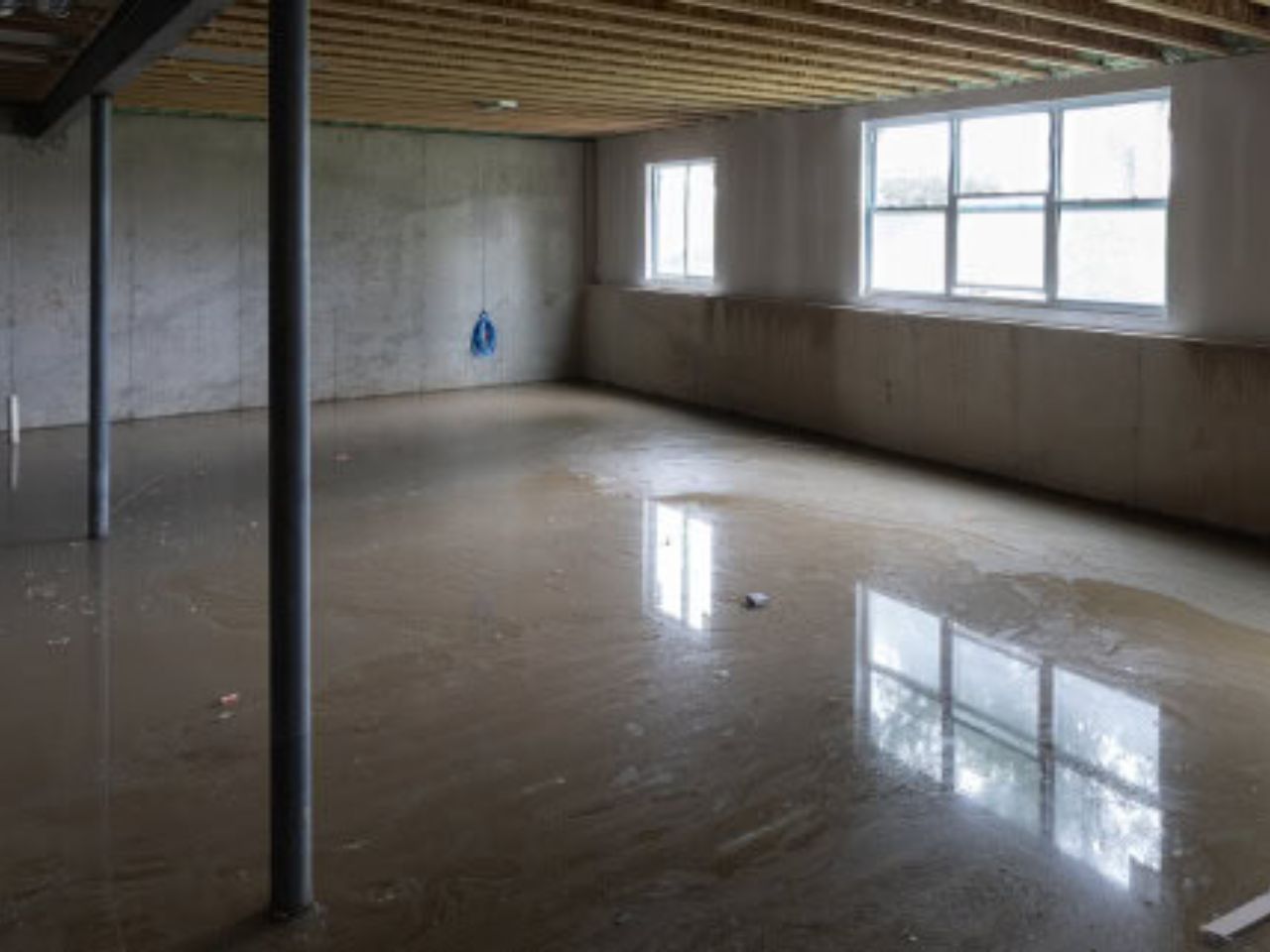
What every part of Ajax shares is difficult water: dense clay left by glacial Lake Iroquois, the lake sitting at the bottom of the slope, and two creek systems cutting through town. That combination puts Ajax among the wetter-basement municipalities in Durham Region.
Heavy Lake Iroquois clay
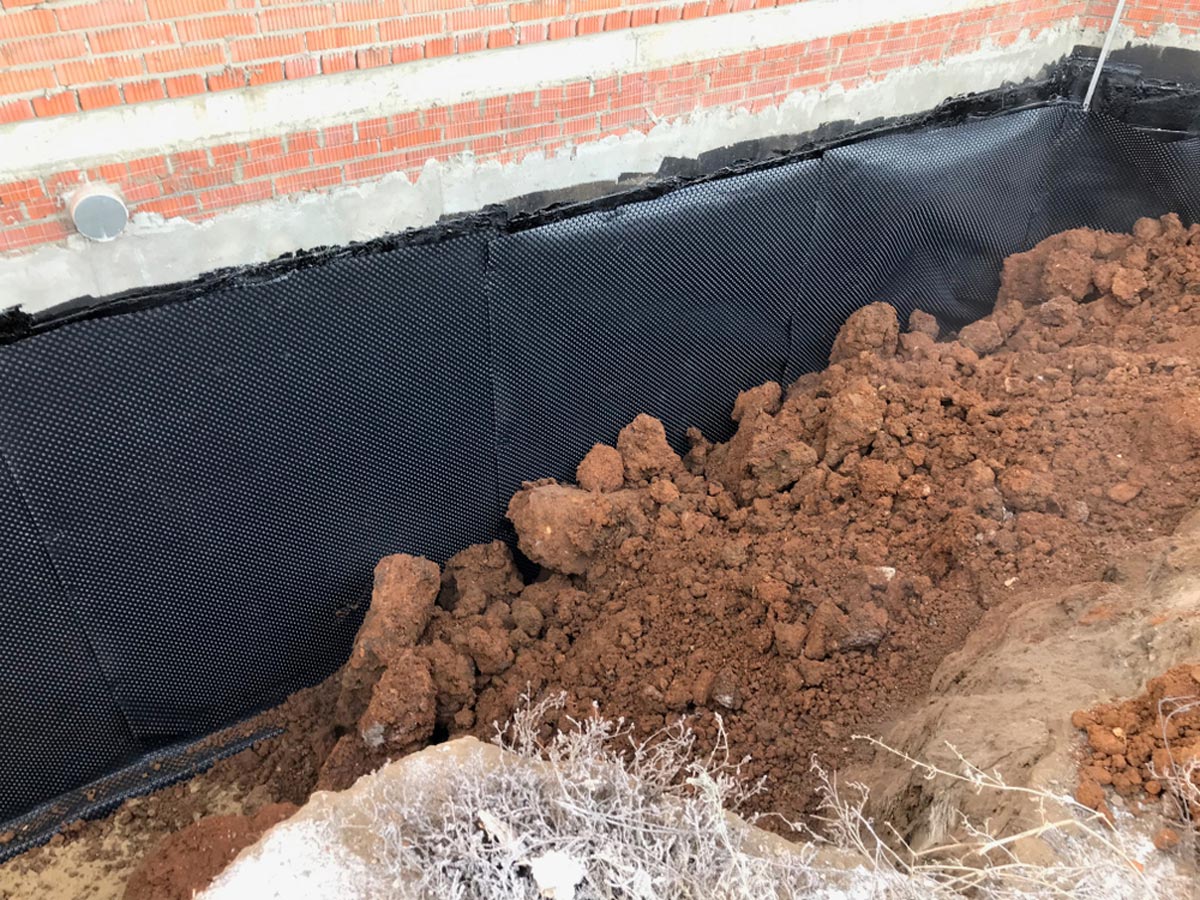
Most of Ajax sits on the flat clay plain left when glacial Lake Iroquois drained. Clay barely lets water through, so after a storm or the spring melt the ground around your foundation stays saturated for days, holding water against the walls and forcing it up through the floor-wall joint.
100-plus freeze-thaw cycles a winter
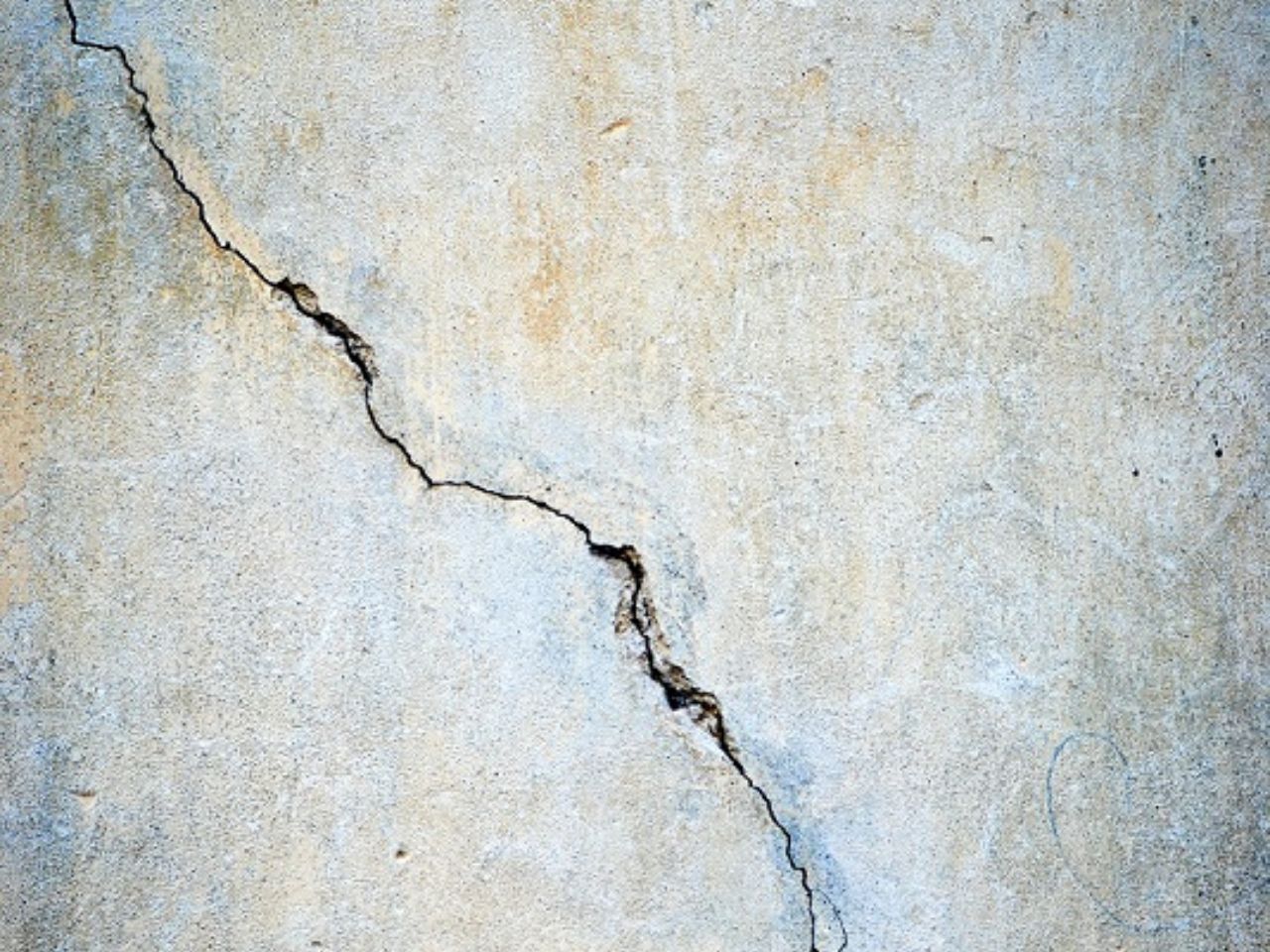
Ajax runs through more than a hundred freeze-thaw swings each winter. Every cycle expands the water sitting in a hairline crack and levers it a little wider - which is why a crack that barely wept last year can flood this spring, and why March and April are our busiest injection weeks.
The Duffins and Carruthers creek watersheds
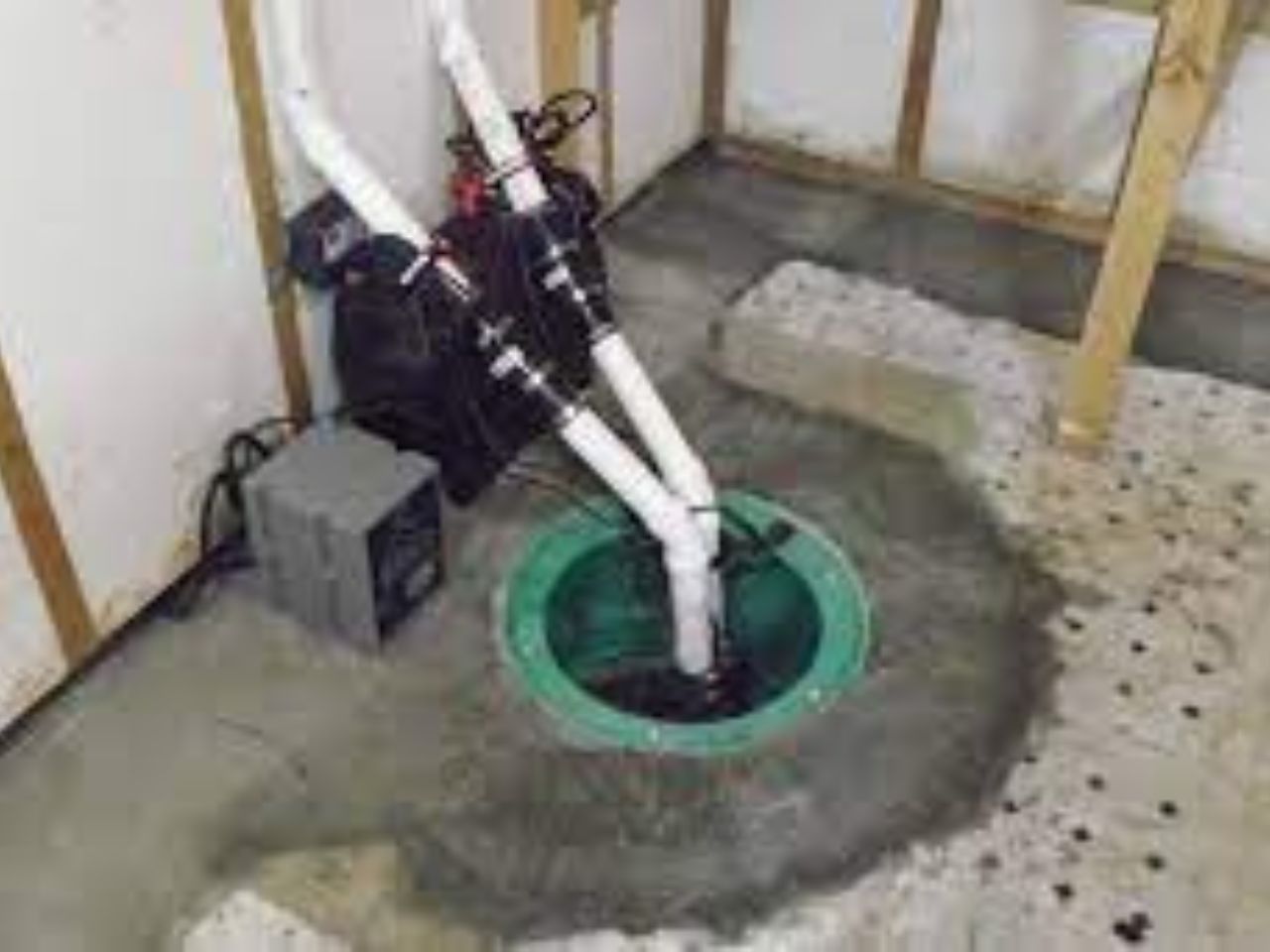
Ajax is bracketed by Duffins Creek on the west and Carruthers Creek on the east, with smaller tributaries feeding both. Homes anywhere near those corridors sit on higher, slower-draining ground and take on storm runoff that overwhelms older footing drains.
Aging foundations in the old war-town core
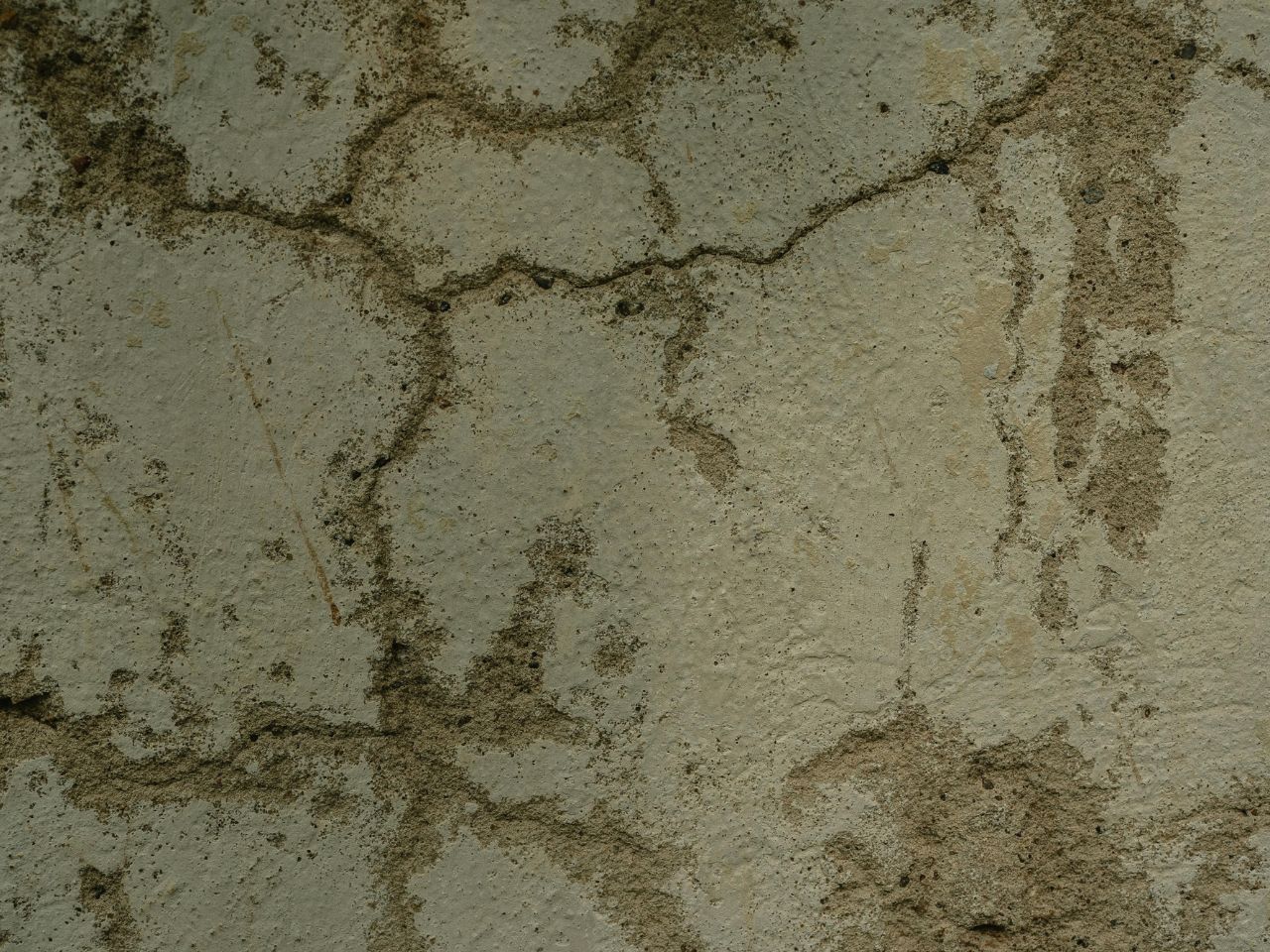
The original 1940s and 50s housing in South and Central Ajax - the streets named for HMS Ajax sailors - was built fast and close to the lake. Those block and early-poured foundations have gone porous and their footing drains are long spent, so they tend to weep along whole walls rather than at a single crack.
Settlement in the new north
The subdivisions north of Taunton and toward Highway 407 - Audley, Nottingham and the newer pockets - were built in the last fifteen years on re-graded farmland. As that backfill settles and pulls away from the wall, shrinkage cracks open and water finds them, often while the home is still inside its builder warranty.
Foundation Crack Injection in Ajax — $750 to $1,000 per crack
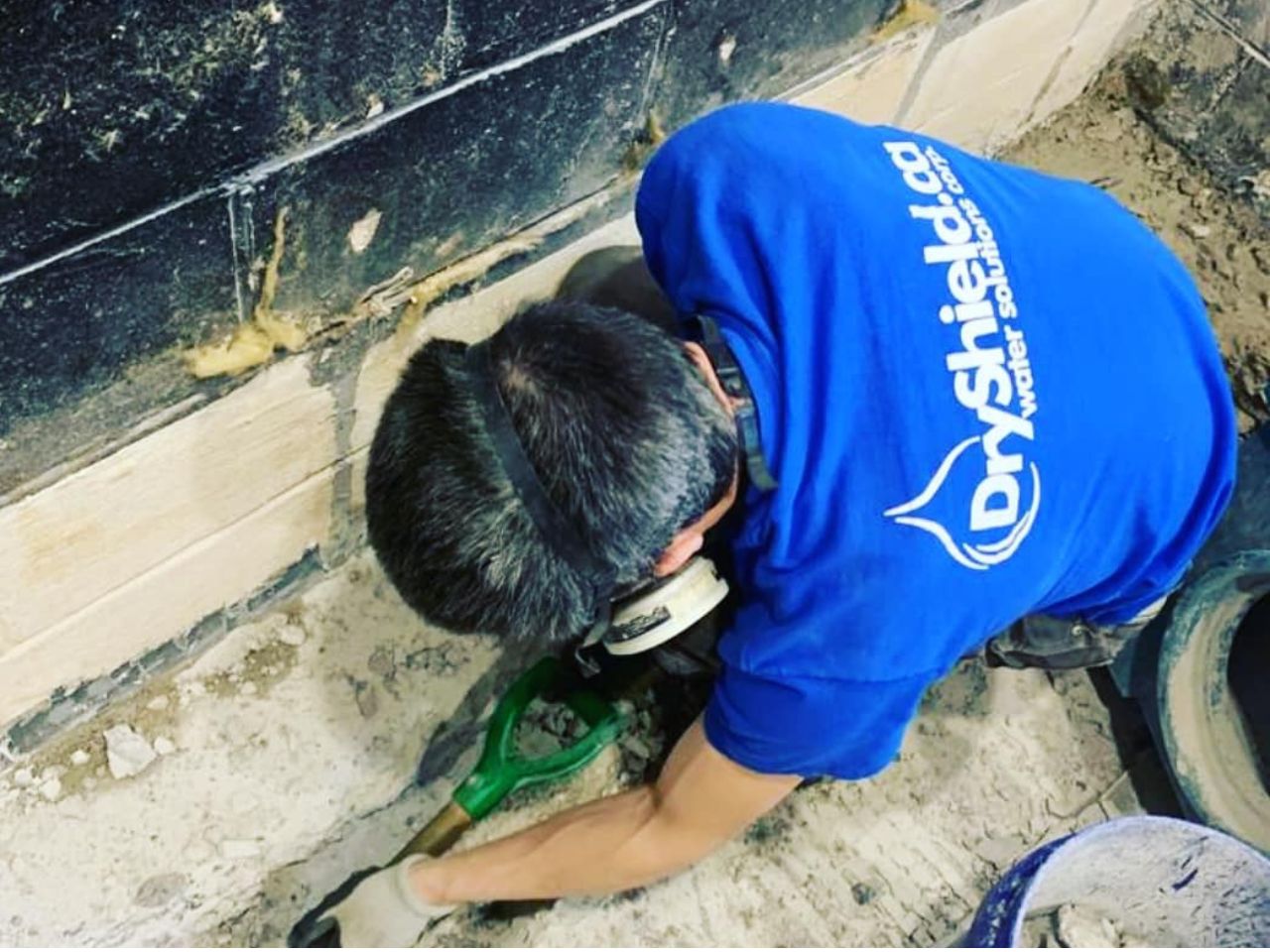
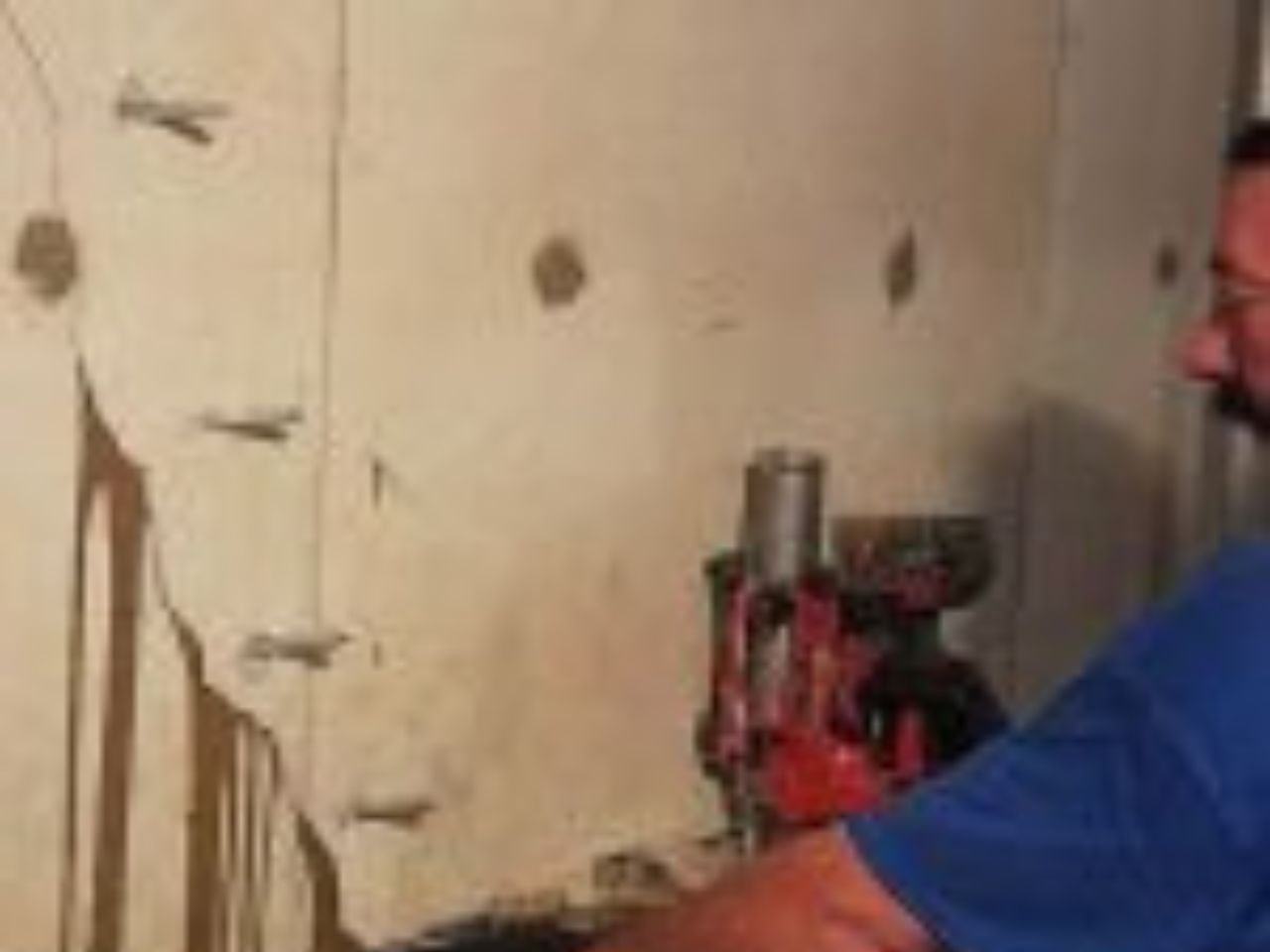
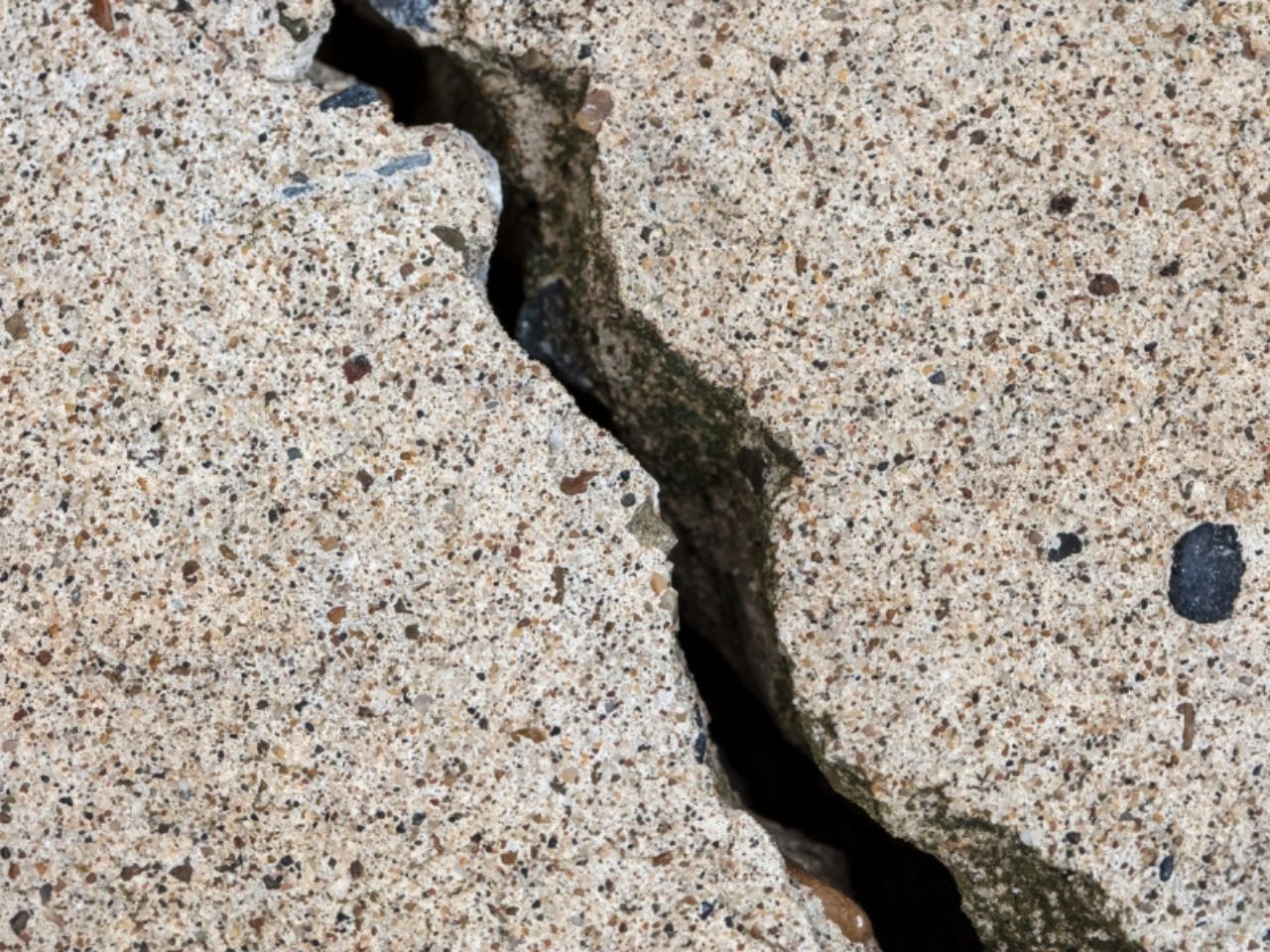
For a single leaking crack in a poured-concrete Ajax foundation, crack injection is the fastest, most cost-effective permanent fix. We inject polyurethane through the full thickness of the wall; it bonds chemically and stays flexible, so it moves with the clay and the freeze-thaw instead of re-cracking. Most cracks are sealed in under two hours with no damage to a finished basement.
The cracks we treat most in Ajax are the vertical and diagonal shrinkage and settlement cracks common in poured foundations - the new-north builds especially. For active structural cracks we switch to epoxy. Either way the repair is backed by the lifetime transferable warranty.