Basement Waterproofing Pickering — Why Local Homes Get Wet
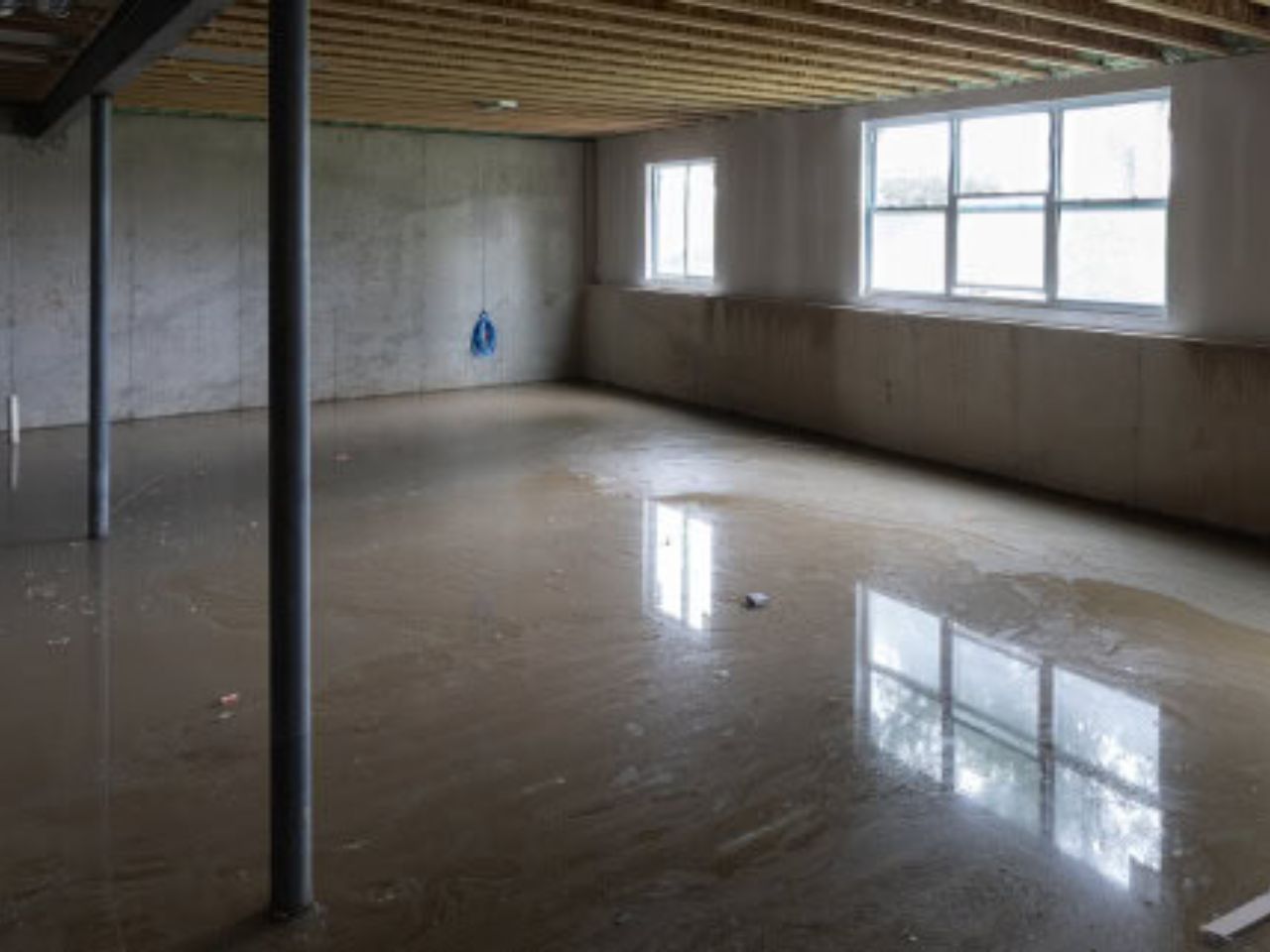
What soaks a Pickering basement depends entirely on where the house sits. The old lakefront and the new north are built on different ground, in different decades, and they fail in completely different ways - so the first thing we do is work out which Pickering you are in.
Across both, the ingredients are tough: a water table tied to Lake Ontario and Frenchman's Bay, two flood-regulated creeks, dense clay, and a brutal freeze-thaw cycle. Together they make Pickering one of the wetter-basement cities in Durham Region.
A water table tied to the lake and the bay
South of the 401, groundwater is shallow and stays that way - Frenchman's Bay acts like a reservoir holding the local water table up. Homes in Bay Ridges and West Shore never really get a dry season, so any storm pushes water straight through the floor-wall joint.
The Duffins and Petticoat creek flood plains
Both creeks are flood-regulated because they rise fast and high. Properties along the Duffins corridor (Brock Ridge, Village East) and Petticoat Creek (Rosebank, Rougemount) take on runoff that overwhelms older footing drains during heavy rain.
100-plus freeze-thaw cycles a winter
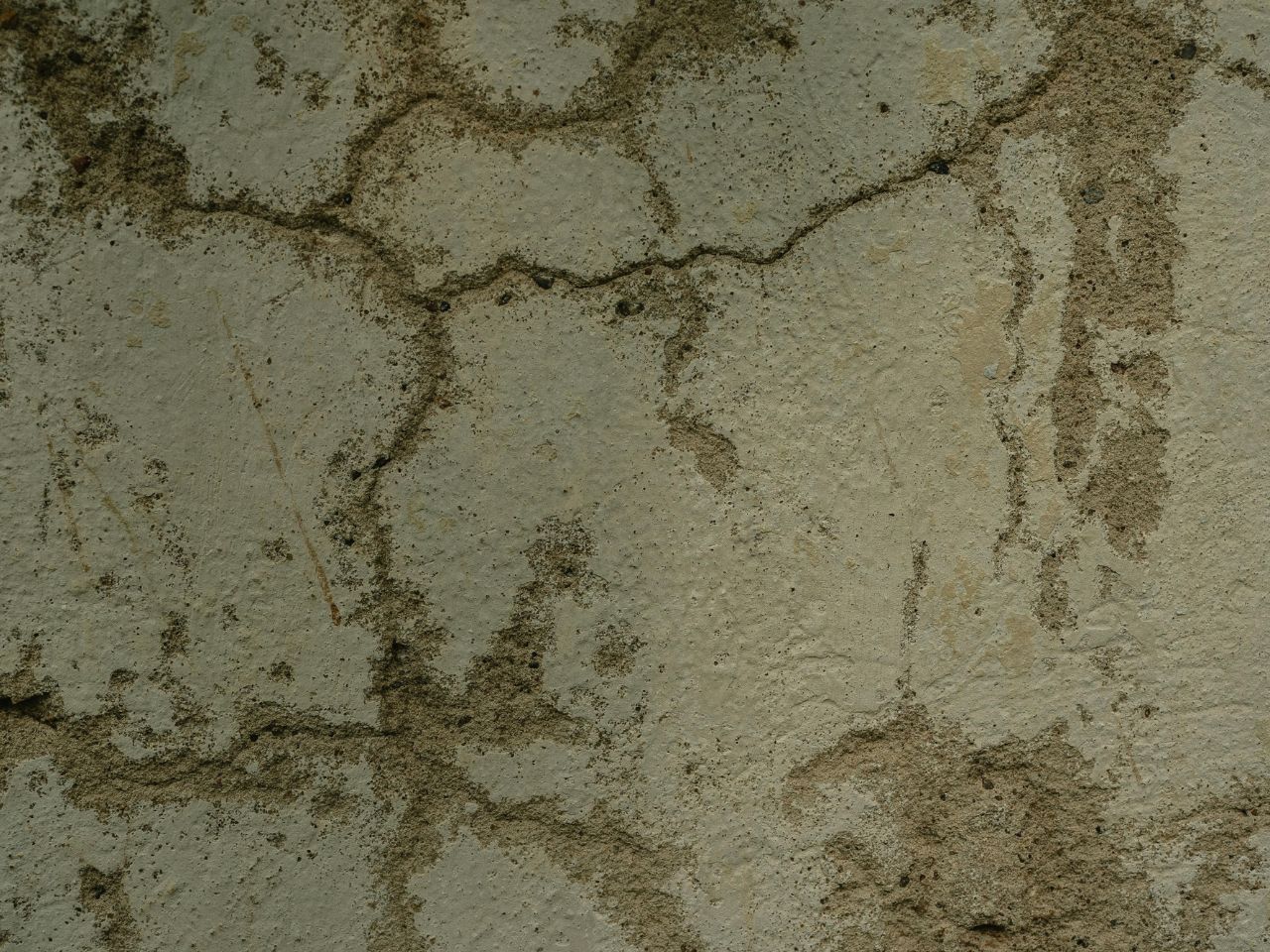
Pickering runs through more than a hundred freeze-thaw swings each winter. On the old lakefront they widen tired cracks in brittle mid-century concrete; in Seaton they work on fresh shrinkage cracks before the house has finished settling. Either way, March and April are our busiest injection weeks.
Old lakefront foundations - Bay Ridges, West Shore, Fairport Beach
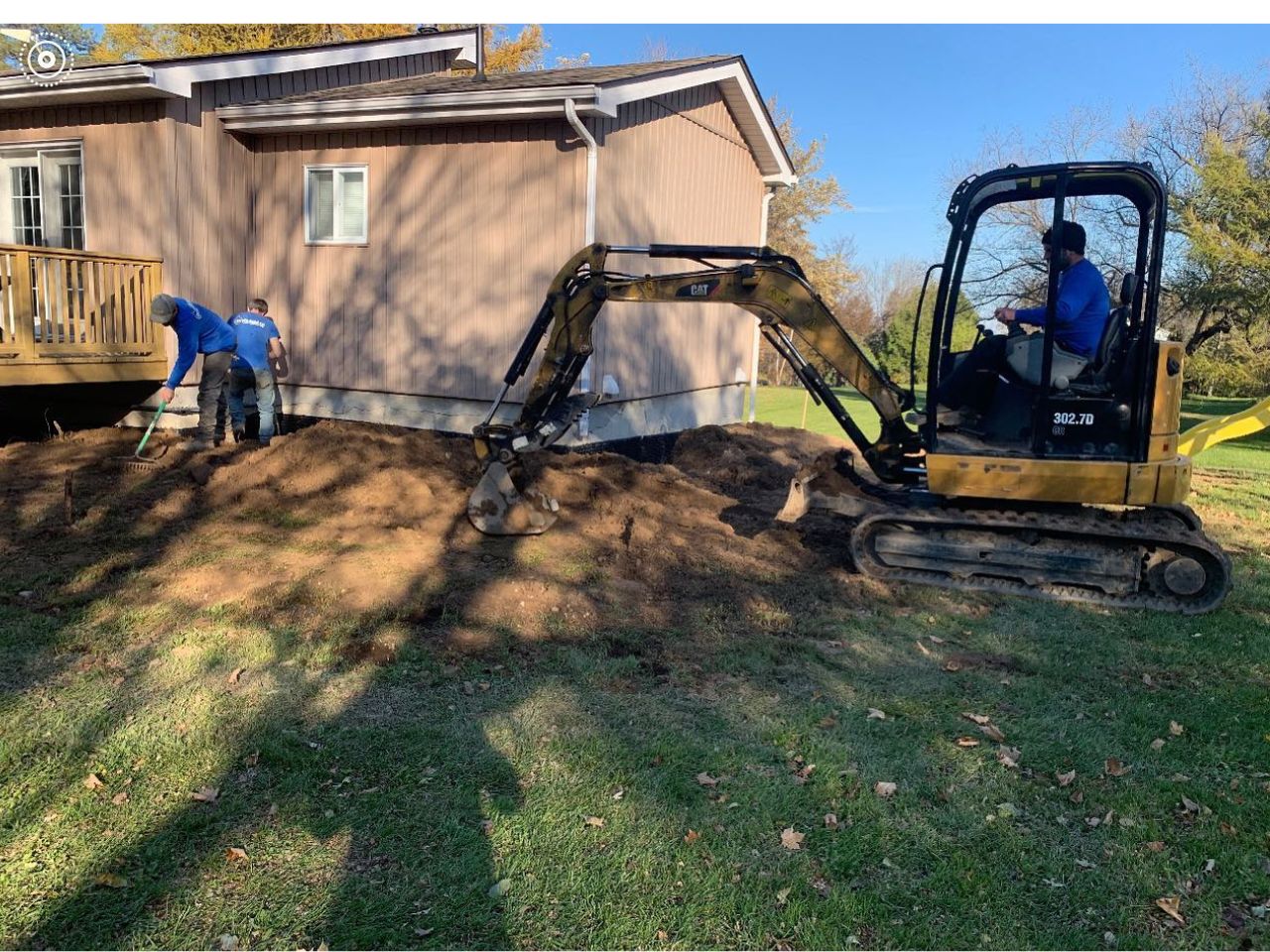
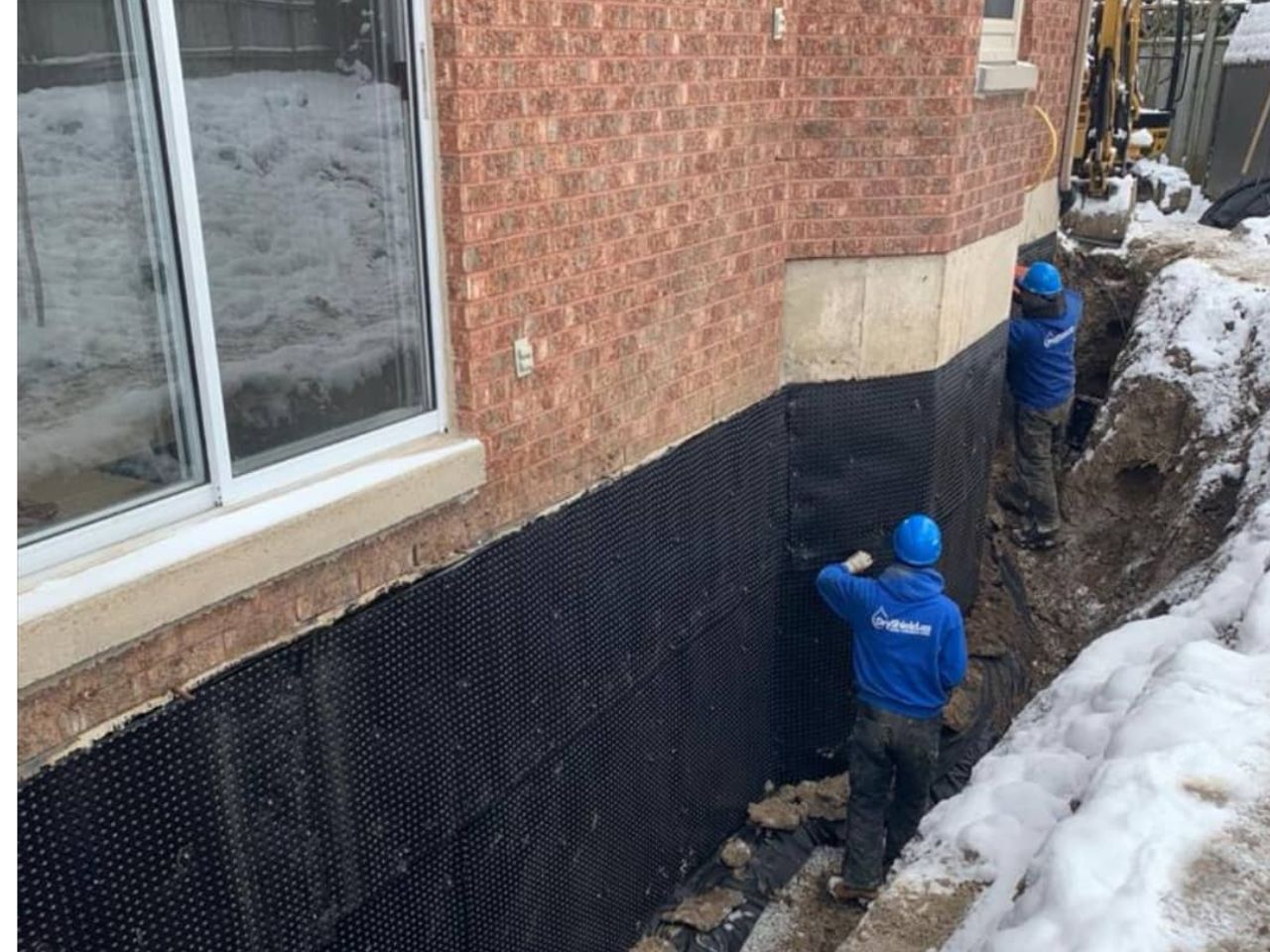
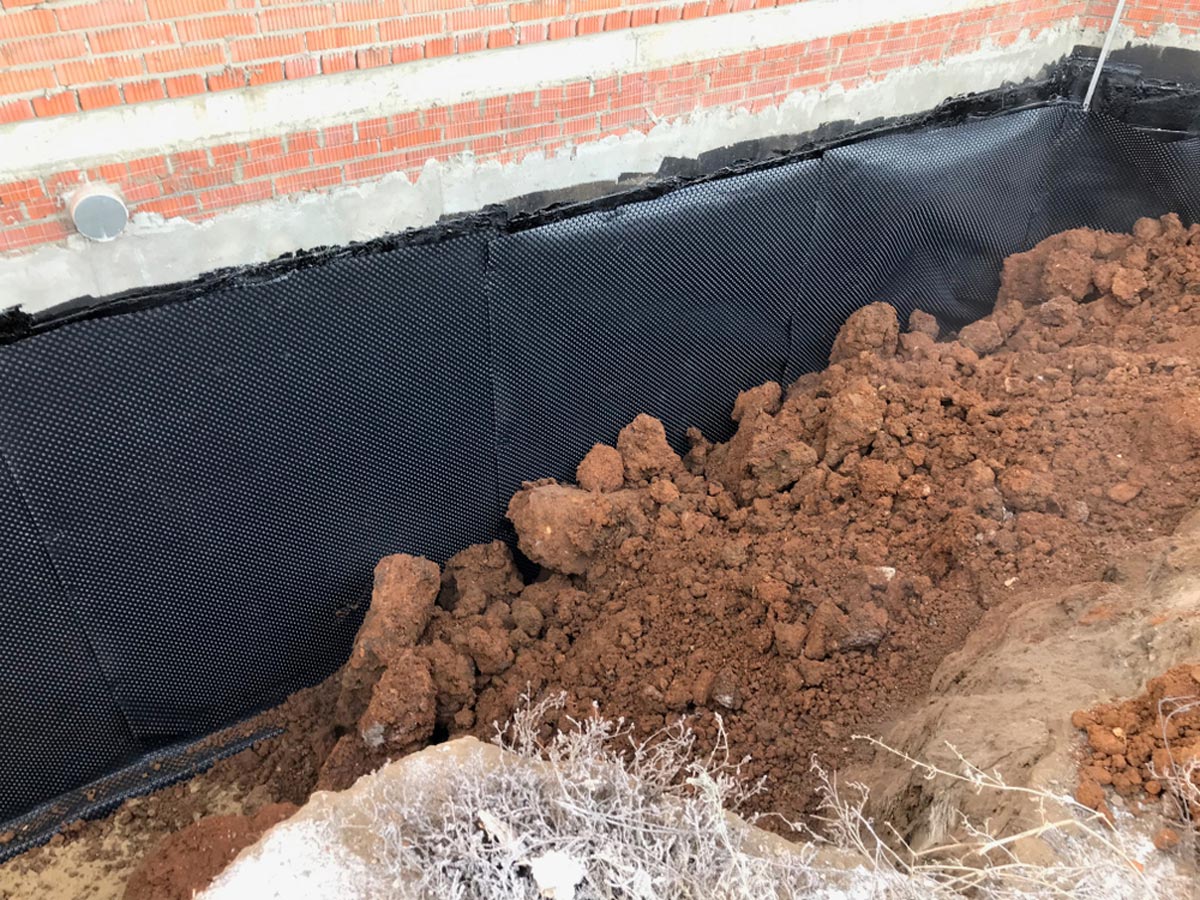
Much of south Pickering went up in the 1950s and 60s on low, filled land by the lake. Those half-century-old block foundations have porous walls and tired mortar joints, so they weep along the cove joint every spring rather than at a single crack - usually a job for exterior excavation or a full interior system.
Settling new builds - Seaton and Duffin Heights
Seaton is one of the largest master-planned communities in the country, and like every fast build-out it sits on re-compacted clay. As that backfill settles over the first five to ten years it pulls away from the wall and opens hairline shrinkage cracks - often while the home is still under builder warranty.
Foundation Crack Injection in Pickering — $750 to $1,000 per crack
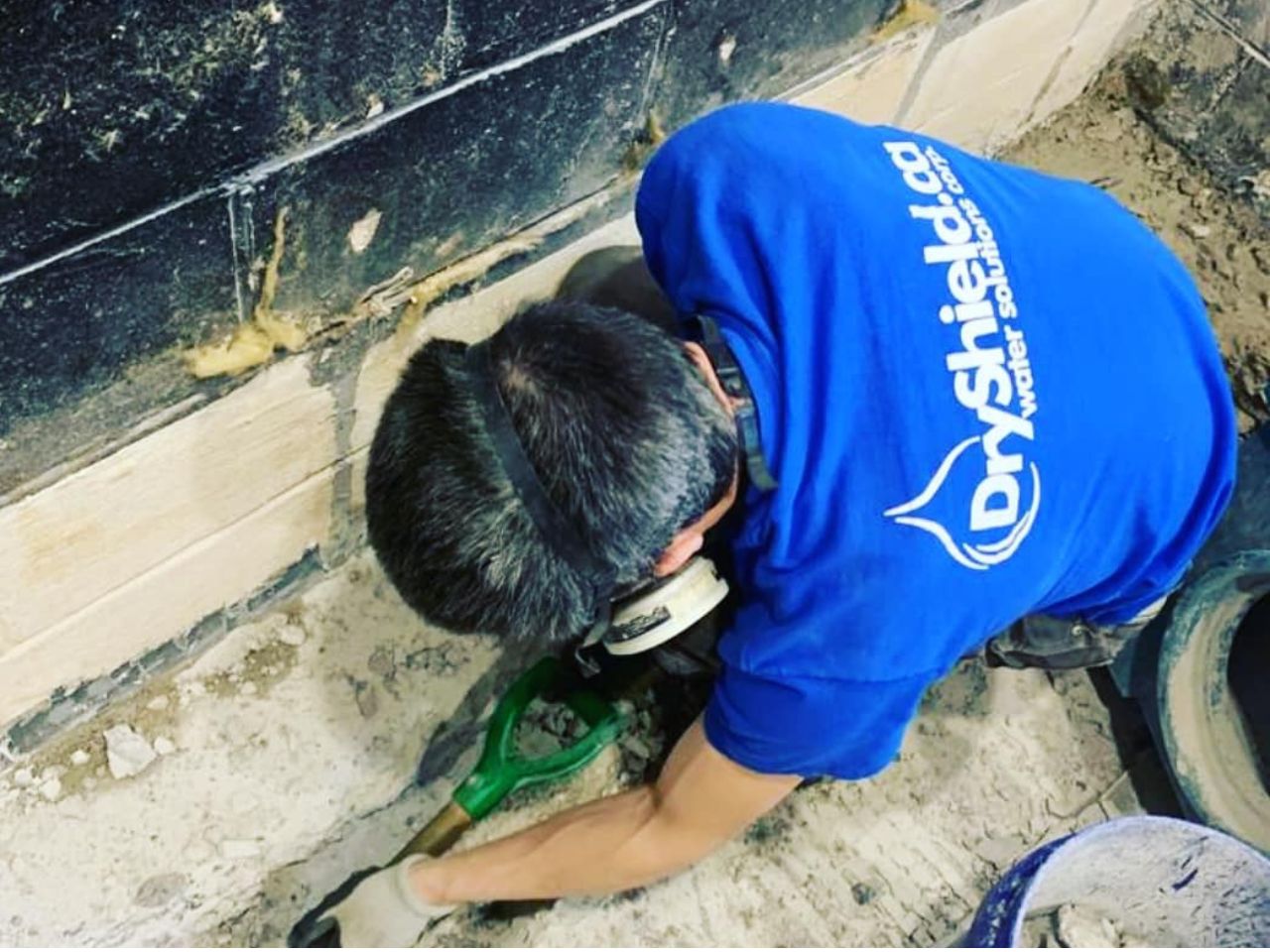
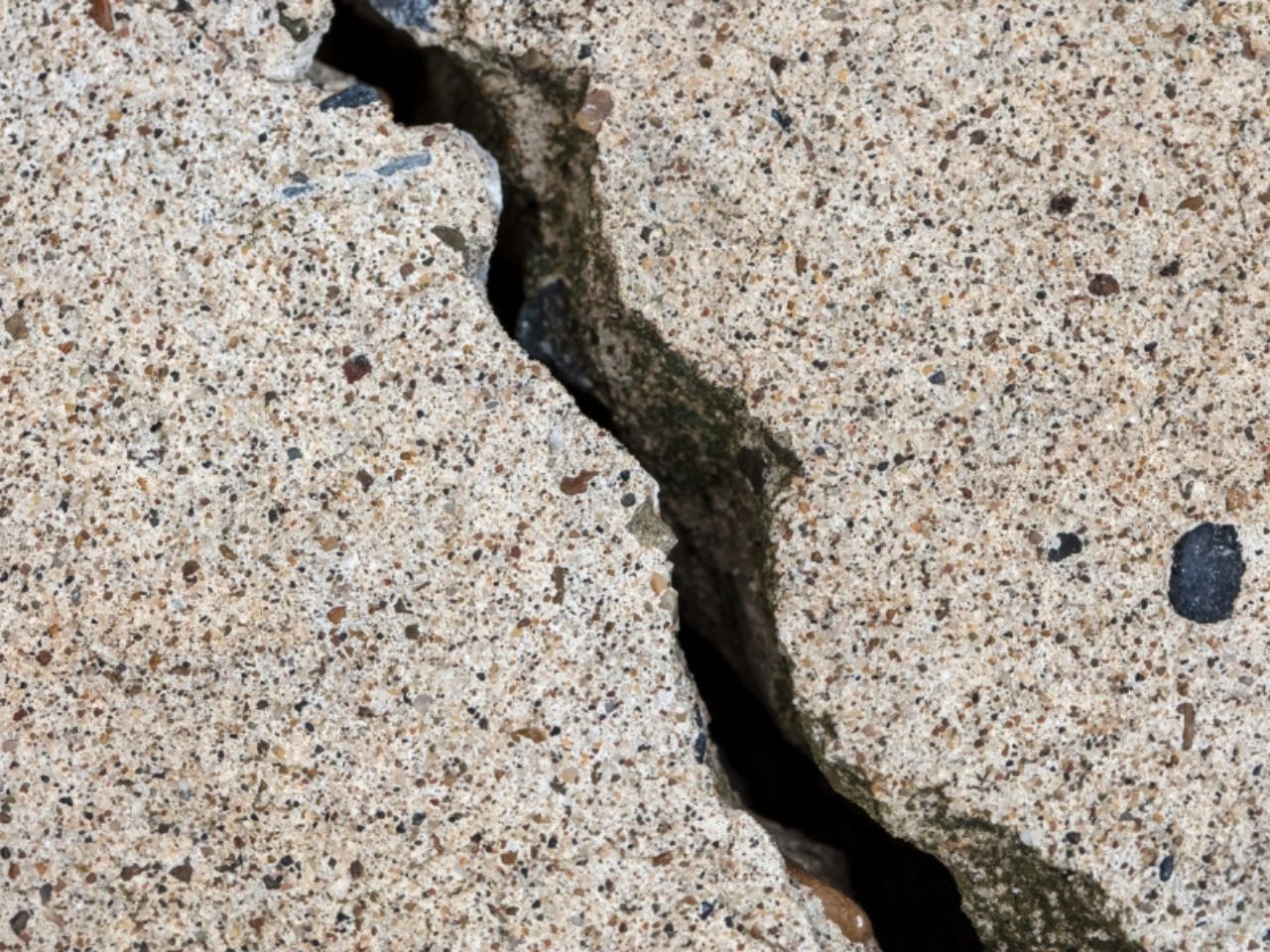
For a single leaking crack in a poured Pickering foundation - the Seaton and Duffin Heights builds especially - crack injection is the fastest permanent fix. We inject polyurethane through the full wall; it bonds chemically and stays flexible, so it moves with the clay and freeze-thaw instead of re-cracking. Most cracks are sealed in under two hours with no damage to a finished basement.
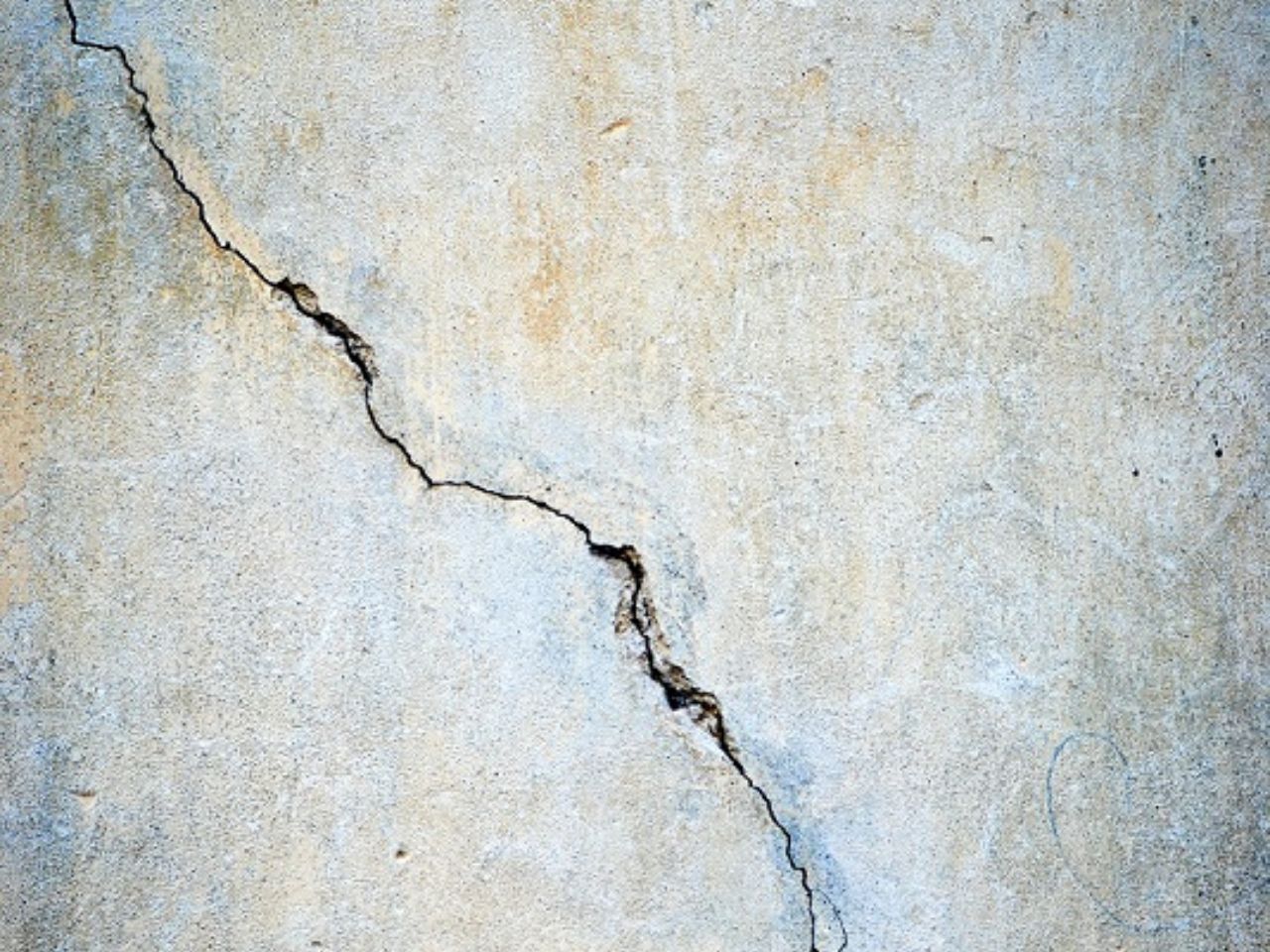
The cracks we see most in Pickering are vertical and diagonal shrinkage and settlement cracks in poured concrete. For active structural cracks we switch to epoxy. Either way it is backed by the lifetime transferable warranty.