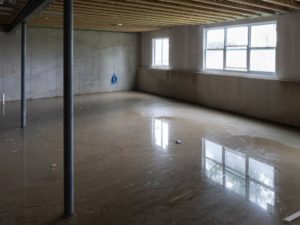
Your sump pump is the last line of defence between a storm and a flooded basement. When it fails — and most do within a decade — you often find out the hard way. This guide explains why sump pumps fail, the warning signs that yours is on borrowed time, when to repair versus replace, and how battery backup protects you when the power goes out. Get a free quote or call 1-800-277-5411.
Quick answer: A sump pump has failed when it no longer clears water from the pit. The usual causes are a stuck float switch, a clogged intake or discharge line, a burned-out motor, or a power outage during a storm. Most pumps last 7–10 years. DryShield repairs or replaces failed pumps and installs battery backups across the GTA, Southern Ontario, cottage country and Vancouver.
Why homeowners trust DryShield: 25+ years of basement waterproofing • transferable lifetime warranty • $5M liability coverage, fully insured • 8-time HomeStars “Best of” winner • eligible contractor for City of Toronto, Peel & Halton basement-flooding subsidies.
Why sump pumps fail
Sump pumps are mechanical workhorses installed in a wet, dirty pit and asked to switch on and off thousands of times a year. In much of the Greater Toronto Area, heavy clay soil holds water against the foundation and keeps the water table high, so pumps here tend to run far more than the intermittent duty they are designed for. That accelerates wear. The table below maps what you observe to the likely cause and how we fix it.
| What you notice | Likely cause | DryShield fix |
|---|---|---|
| Pump is silent, water sitting in pit | No power, tripped breaker, or failed float switch | Restore power / replace float switch or pump |
| Pump hums but no water moves | Clogged or seized impeller, jammed check valve | Clear or replace impeller; replace check valve |
| Pump runs constantly | Stuck float, failed check valve, or undersized pump | Re-seat float / upsize pump to match water table |
| Grinding, rattling or gurgling noise | Worn bearings or debris in the impeller | Replace pump; add sealed lid to keep debris out |
| Rust or reddish gel on pump and float | Iron bacteria (ochre) — common in Ontario water tables | Clean and seal the pit; schedule more frequent service |
| Flooded during a storm | Power outage with no backup, or pump overwhelmed | Replace pump and add battery or water-powered backup |
Warning signs it is time to replace
Replace your pump proactively — before a storm — if any of these apply, especially on a unit older than seven years:
- Age: it is 7–10 years old or older.
- Constant running or rapid on-off cycling.
- Noise: grinding, rattling or gurgling.
- Excessive vibration — often a damaged or clogged impeller.
- Oil sheen on the water — a sign the motor seal is failing.
- Visible rust or iron-bacteria build-up.
- It has already struggled or failed in a recent heavy rain.
Repair or replace?
A newer pump with a simple fault is worth repairing. An older pump, or one whose motor or seal has failed, should be replaced — the cost of a flooded finished basement dwarfs the cost of a new pump.
| Your situation | Recommended action |
|---|---|
| Pump under ~5 years, stuck float or clogged line | Repair |
| Pump 5–7 years, minor fault, otherwise sound | Repair, but budget for replacement soon |
| Pump over 7–10 years | Replace |
| Failed motor, seal leak, or seized impeller | Replace |
| Pump has already allowed a flood | Replace and add backup |
| No battery backup in a flood-prone area | Add a backup system |
Sump pump and backup options
Choosing the right configuration matters more than the brand on the box. The comparison below covers the systems DryShield installs.
| Type | How it works | Best for | Limitation |
|---|---|---|---|
| Primary (submersible) | Sits in the pit; quiet, high capacity | Most finished basements | Needs mains power |
| Pedestal | Motor sits above the pit | Narrow pits, lower budget | Louder, lower capacity |
| Battery backup (DC) | Runs automatically when main pump loses power or falls behind | Power-outage protection during storms | Runtime limited by battery capacity |
| Water-powered backup | Uses municipal water pressure, no battery | Homes on city water wanting no battery to maintain | Not suitable on well water; uses water |
Why storms and power outages are the real risk
Most basement floods do not happen because a pump wore out on a dry day — they happen during storms, when two things fail together: the water table spikes and the grid goes down. A standard pump with no backup is defenceless in an outage. A battery backup typically delivers several hours of active pumping — sized for a normal storm, not an indefinite outage — which is usually enough to carry a home through the worst of it. Test the backup battery annually; it should never read below 12 volts, and cold basements shorten battery life.
Local conditions across our service area
Where you live changes how hard your pump works:
- Toronto & the GTA (Mississauga, Brampton, Markham, Vaughan, Hamilton, Durham): heavy clay soil and high water tables keep pumps running; summer storms bring outages.
- Cottage country (Muskoka, Haliburton): spring thaw and remote properties make reliable, backed-up pumping essential, often in seasonally occupied homes.
- Vancouver, BC: prolonged rainfall means sustained pump duty through the wet season.
DryShield is an eligible contractor for the City of Toronto, Peel and Halton basement-flooding subsidy programs, which in some cases help offset sump pump and backwater valve work. We will tell you what applies to your address during your free assessment.
Our process
- Free on-site assessment — we inspect the pit, pump, discharge line and your water-entry history.
- Written recommendation and quote — repair or replace, with backup options explained.
- Installation — many pump replacements are completed in a single visit.
- Test and hand-off — we confirm switching, pumping and backup operation, and register your transferable lifetime warranty.
What drives the cost
The figures below are DryShield installed pricing for 2026. Your exact quote is free; final cost depends on pit condition, discharge line and the options you choose. Many homeowners also qualify for municipal rebates (see note).
| Work | Typical installed range | Notes |
|---|---|---|
| Full sump pump + pit installation | $2,000–$3,000 | New pump and pit, discharge line and check valve, professional install |
| Add a battery backup system | $1,000–$2,500 | Second DC pump, battery and float; varies with capacity |
| Add a water-powered backup | $1,100–$2,000* | City water only; no battery to maintain |
| High-water alarm | $50–$150* | Optional add-on |
| Permit / inspection (where required) | $50–$500* | Set by your municipality and scope |
DryShield installed pricing for the first two items, current October 2026. *Typical Ontario market range, confirmed at your free quote. Excludes major exterior excavation or drainage repair, which are quoted separately.
Rebates: The City of Toronto Basement Flooding Protection Subsidy covers up to 80% of a qualifying sump pump, to a maximum of $1,750 (confirm current program terms with the City). DryShield is an eligible contractor for the Toronto, Peel and Halton programs.
| Cost factor | Why it matters |
|---|---|
| Pump type and capacity | Higher-capacity and premium pumps cost more but last longer under heavy duty |
| Backup system | Adding a battery or water-powered backup increases parts and labour |
| Pit and discharge condition | A failed check valve, frozen line or undersized pit adds work |
| Sealed lid / radon or iron-bacteria mitigation | Sealed systems cost more but reduce debris and odour |
| Subsidy eligibility | Toronto, Peel or Halton programs may offset part of the cost |
Because every pit is different, DryShield gives a free written quote rather than a one-size figure. Call 1-800-277-5411 to book.
DIY sump pump maintenance checklist
You can prevent most failures with a few minutes every season:
- Every 1–3 months: pour a bucket of water into the pit and confirm the pump switches on, pumps out and shuts off.
- Quarterly: clear debris from the intake screen and lift the float to check it moves freely.
- Quarterly: check the discharge line outside for blockage or ice.
- Annually (before spring): test the backup battery voltage — replace if below 12 volts.
- Annually: inspect for rust, oil sheen and iron-bacteria gel; book a professional service if present.
Related DryShield resources
- Sump pump installation
- How to install a sump pump: complete guide
- Interior waterproofing: weeping tile & sump systems
- The 2026 Wet Basement & Basement Leak Master Guide
- Basement waterproofing overview
Sump pump FAQ
Why did my sump pump suddenly stop working?
The most common reasons a sump pump stops working are a stuck or jammed float switch, a clogged intake screen or discharge line, a tripped breaker or unplugged unit, or a burned-out motor. If the pump is silent with water in the pit, check the power and float first. If it hums but does not pump, the impeller is likely clogged or seized — book a DryShield inspection.
How long do sump pumps last?
Most residential sump pumps last about 7 to 10 years. Pumps that run constantly — common in GTA homes on high clay water tables — wear out faster because they are built for intermittent, not continuous, use. If your pump is past seven years old, plan for replacement before the next heavy-rain season rather than waiting for a failure during a storm.
What are the warning signs my sump pump needs replacing?
Replace your pump if you notice: it is more than 7 to 10 years old, it runs constantly or cycles on and off rapidly, it makes grinding, rattling or gurgling noises, it vibrates excessively, you see rust or an oil sheen on the water, or it has visibly struggled in recent storms. Any one of these on an older unit is reason to replace it proactively.
Why does my sump pump run constantly?
Constant running usually means water is entering the pit faster than the pump can clear it, a stuck float is holding the switch on, the check valve has failed and water flows back into the pit, or the pump is undersized for your water table. Constant operation drastically shortens pump life, so it should be diagnosed quickly rather than ignored.
Should I repair or replace my sump pump?
Repair a newer pump (under about five years old) with a simple fault like a stuck float or clogged line. Replace a pump that is over seven years old, has a failed motor or seal, or has already flooded a basement. Because a failed pump means water damage, DryShield usually recommends replacement for older units rather than repeated repairs.
What is a battery backup sump pump and do I need one?
A battery backup is a second DC-powered pump that runs automatically when the main pump loses power or cannot keep up. Because most basement floods happen during storms — exactly when the power goes out — a backup is the single most effective protection for a finished basement. DryShield installs battery and water-powered backups across its service area.
How long will a battery backup run during a power outage?
A battery backup typically runs for several hours of active pumping, depending on battery capacity and how much water is coming in. It is sized for a typical storm, not an indefinite outage — a prolonged outage can exhaust the battery. Check the battery voltage at least once a year; it should never read below 12 volts, and batteries weaken faster in cold basements.
Why did my sump pump fail during a storm?
Storms cause two failures at once: the water table spikes, forcing the pump to run non-stop, and the grid often goes down, cutting power to a standard pump. A pump with no battery backup is defenceless in a power outage. This is why DryShield pairs pump replacement with a backup system in flood-prone GTA and cottage-country areas.
How often should a sump pump be serviced?
Test your sump pump every 1 to 3 months by pouring a bucket of water into the pit and confirming it switches on, pumps out and shuts off. Clean the intake screen, check the discharge line for ice or debris, and test the backup battery annually before spring. Regular checks catch most failures before they become floods.
What makes sump pumps clog?
Pumps clog from dirt and debris entering through a loose lid, from a seized impeller, and from iron bacteria — a reddish, gel-like ochre that builds up in many Ontario wells and water tables and coats the pump and float. Iron-bacteria clogging is a known regional issue and usually calls for more frequent cleaning or a sealed pit.
How much does sump pump replacement cost?
A full DryShield sump pump and pit installation typically runs $2,000 to $3,000, and adding a battery backup system runs $1,000 to $2,500. Final cost depends on the pit condition, the discharge line, and whether you add a backup. Many Toronto-area homeowners also qualify for a municipal rebate. Book a free on-site assessment and written quote: call 1-800-277-5411.
Does sump pump work qualify for a basement-flooding subsidy?
In several municipalities it can. DryShield is an eligible contractor for the City of Toronto, Peel and Halton basement-flooding protection subsidy programs, which in some cases help offset sump pump and backwater valve work. Eligibility and amounts are set by each municipality — ask during your free assessment and we will tell you what applies to your address.
Worried about your sump pump before the next storm?
Book a free, no-obligation on-site assessment. We will test your pump, recommend repair or replacement, and explain backup options — backed by our transferable lifetime warranty and $5M insurance. Call 1-800-277-5411 or request a free quote.
Prepared by the DryShield Water Solutions technical team. Last reviewed October 2026. General technical guidance on sump pump operation and maintenance; your home should be assessed on site before any work.