By Dryshield Basement Waterproofing · 25+ years of cottage waterproofing experience · Updated 2026
On this page
- Why a cottage needs a different sump setup
- The components an unoccupied cottage needs
- Pump types compared
- Sizing a sump for high water tables
- Keeping the discharge line from freezing
- Troubleshooting: what the symptoms mean
- Spring-opening checklist
- Frequently asked questions
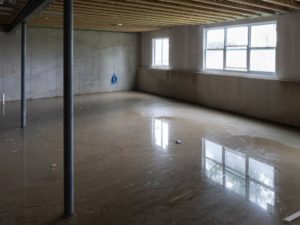
In a year-round home, you’d hear a sump pump struggling or notice a damp floor within a day. At a cottage that sits empty for weeks at a time, a failed pump can flood the basement for the entire stretch before anyone returns. That’s why a seasonal property needs a sump setup built for being left alone — redundancy, alarms, and freeze protection — not just a pump in a hole.
Key Takeaways
- A seasonal cottage sump should always include a battery backup, because storm-driven power outages are common and there’s no one home to reset anything.
- A water alarm or Wi-Fi monitor turns a silent, weeks-long flood into a phone notification.
- A frozen or improperly sloped discharge line is the most common reason a cottage sump “fails” in winter.
- High water tables near lakes and rivers mean cottage sumps run harder than city pumps and wear out sooner.
- Check the pump, float, backup battery, and alarm every spring opening before you rely on it for the melt.
Why do seasonal cottages need a different sump pump setup?
Three realities drive it. First, nobody’s watching — a primary pump that burns out or loses power can let the pit overflow for weeks. Second, cottage country gets the power outages: summer storms and winter ice take down rural lines regularly, and a sump with no battery backup is useless during exactly the storm that’s flooding your basement. Third, lakeside and riverside lots — Muskoka, Georgian Bay, the Saugeen and Beaver valleys — sit on high water tables, so cottage sumps cycle more often and wear faster than a typical city pump. A setup that’s fine for an occupied suburban home is under-built for an empty cottage on the water.
What sump pump components does an unoccupied cottage need?
| Component | What it does | Why it matters when you’re away |
|---|---|---|
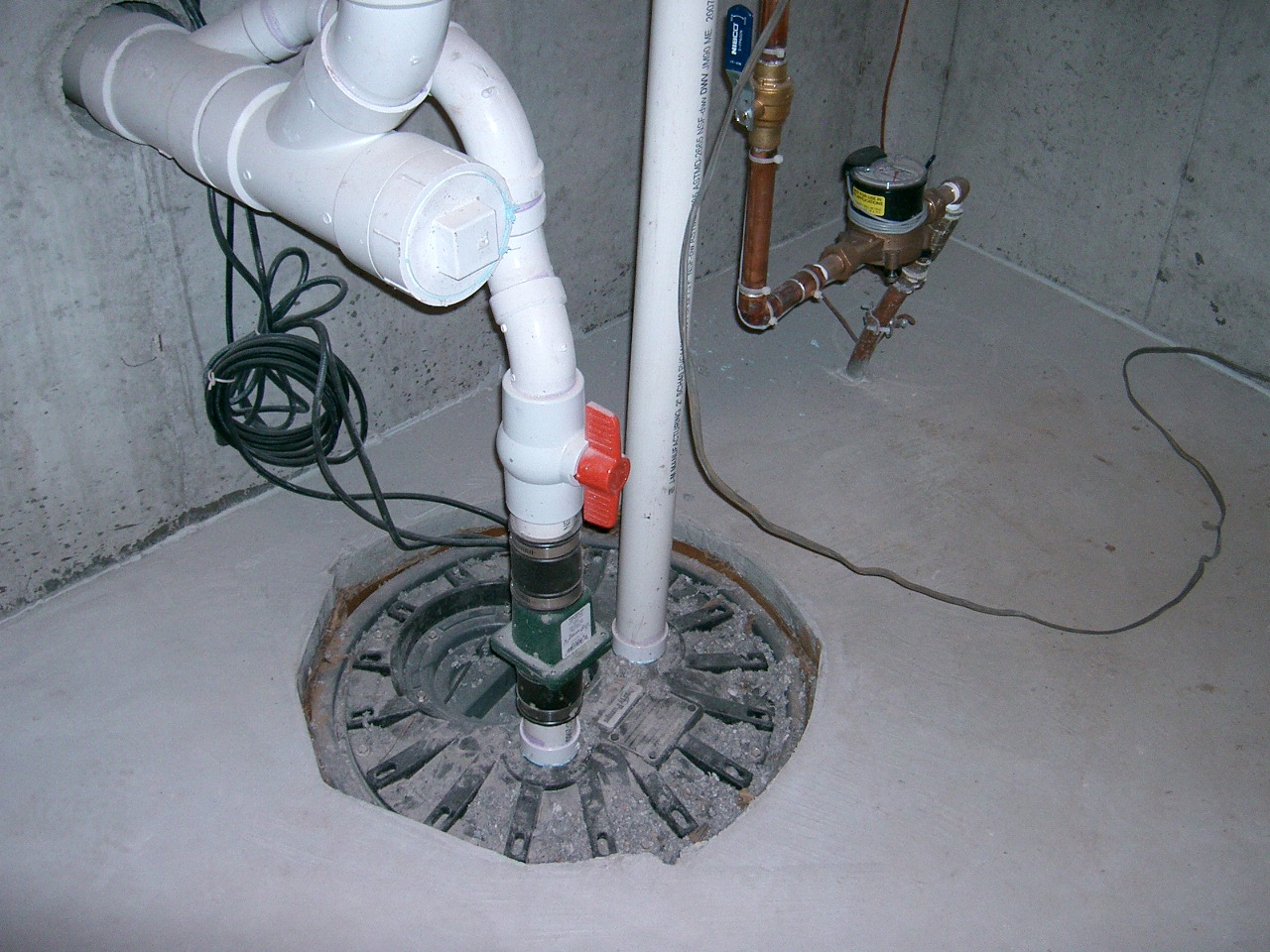
| Primary pump | Pumps water out of the pit under normal conditions | The workhorse — but a single point of failure on its own |
| Battery backup pump | Takes over when power fails or the primary can’t keep up | Covers the storm outages common in cottage country |
| Water alarm / Wi-Fi monitor | Alerts you (locally or to your phone) if water rises or the pump fails | Turns a weeks-long silent flood into a notification |
| Check valve | Stops pumped water from draining back into the pit | Prevents the pump short-cycling itself to an early death |
| Freeze-protected discharge line | Sloped, insulated, or buried below frost so it can’t freeze solid | A frozen line backs the whole system up in winter |
| Sealed pit lid | Covers the pit to cut humidity, radon, and debris | Keeps the off-season basement drier and the float clean |
Pump types compared
| Type | How it works | Best for |
|---|---|---|
| Submersible | Sits inside the pit with a sealed motor underwater | Most cottage basements — quieter and handles debris well |
| Pedestal | Motor mounted above the pit on a shaft | Narrow pits and easy servicing, but louder |
| Battery backup (DC) | A second pump that runs off a battery when power is out | Essential for any unoccupied cottage |
| Water-powered backup | Uses municipal water pressure to drive a backup | Rarely an option at well-fed cottages — battery backup is the norm |
Sizing a sump for high water tables
Cottage sumps are usually under-sized rather than over-sized. The right pump is matched to two things: how fast water enters the pit (inflow) and how high it has to push the water to the discharge point (head height). For the high water tables common near lakes and rivers, a 1/3 to 1/2 horsepower submersible is typical, with higher-volume or deep-discharge lots needing 1/2 horsepower or more and a larger pit so the pump isn’t short-cycling. If your pump runs almost constantly during the melt, it’s a sign the pump or pit is undersized for the inflow — worth assessing before it wears out mid-season.
How do you keep a cottage sump pump from freezing in winter?
The pump in the pit rarely freezes — the problem is almost always the discharge line. If the line runs above grade or pitches uphill, water sitting in it freezes solid, and the next time the pump runs it has nowhere to send the water, so the pit overflows. Protect it by sloping the line continuously downhill so it self-drains, burying the outdoor section below the frost line where possible, and using a freeze-relief or air-gap fitting that lets the pump still discharge if the end of the line ices up. For a fully winterized cottage with the water shut off, confirm there’s no groundwater path that will quietly fill the pit while the pump is off.
Troubleshooting: what the symptoms mean
| Symptom | Likely cause | What to do |
|---|---|---|
| Won’t turn on | Stuck float, tripped breaker, or a dead pump | Free the float, check the breaker and outlet, then test or replace the pump |
| Runs constantly | High water table, stuck float, undersized pump, or missing check valve | Add or replace the check valve, check the float, and assess pump/pit sizing |
| Short-cycles on and off | Pit too small or a failed check valve letting water fall back | Replace the check valve and adjust the float range; a larger pit may be needed |
| Hums but won’t pump | Jammed impeller or a frozen/clogged discharge line | Cut power and clear the impeller; thaw or clear the discharge line |
| Runs but the water level doesn’t drop | Frozen or clogged discharge line, or a failed check valve | Clear or thaw the line and replace the check valve |
What should you check on your cottage sump pump at spring opening?
- Test the primary pump. Pour a bucket of water into the pit and confirm the float rises and the pump runs and shuts off cleanly.
- Free the float. After months idle, floats can stick — make sure it moves freely and isn’t caught on the pit wall or cord.
- Check the backup battery. Confirm it holds a charge and the backup pump actually engages; batteries lose capacity over a cold winter.
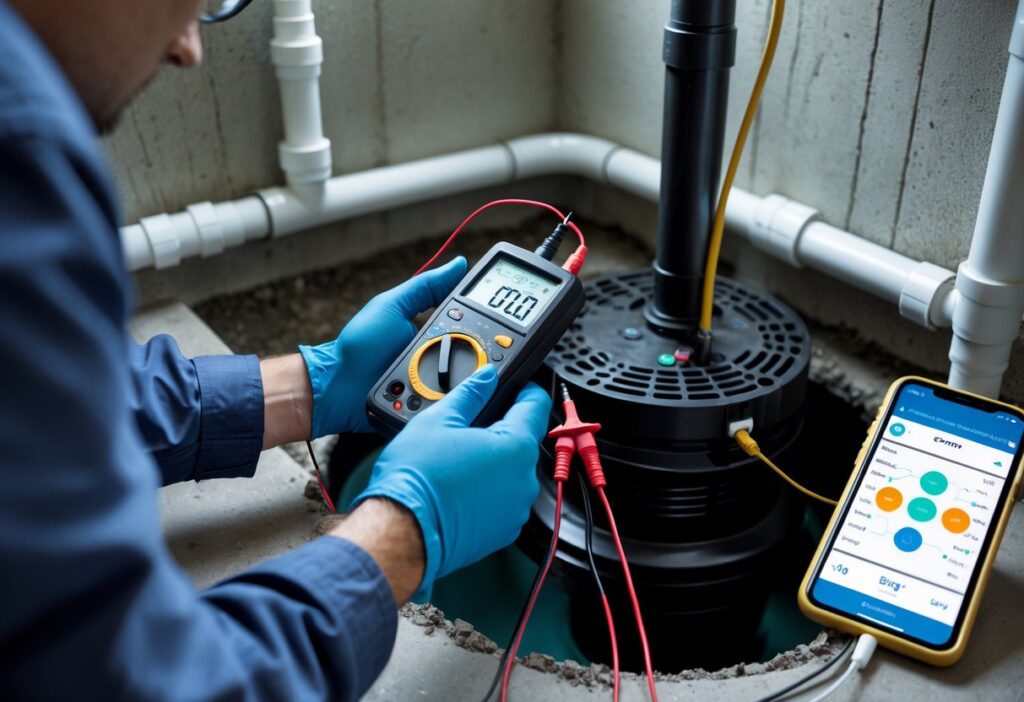
- Verify the alarm/monitor. Make sure the water alarm sounds and any Wi-Fi monitor is online and notifying.
- Clear the discharge line. Confirm it’s thawed, clear, and draining away from the foundation before the spring melt arrives.
Frequently Asked Questions
Do I really need a battery backup sump pump at my cottage?
For an unoccupied property, yes. The outages that knock out power in cottage country are usually the same storms flooding your basement, and there’s no one there to do anything about it. A battery backup is the single most valuable upgrade for a seasonal sump.
Will my cottage sump pump freeze in winter?
The pump itself usually won’t, but the discharge line can. A line that isn’t sloped to self-drain or that runs above the frost line will freeze solid and back the pit up. Proper sloping, burial below frost, and a freeze-relief fitting prevent it.
How can I monitor my cottage sump pump when I’m not there?
A Wi-Fi sump monitor or water-level sensor will notify your phone if the water rises or the pump loses power, as long as the cottage has internet or cellular coverage. A standalone battery water alarm is a simpler backup that sounds on-site.
Why does my cottage sump pump run constantly?
Usually a high water table feeding the pit, a float stuck in the on position, a missing check valve letting water drain back, or a pump that’s undersized for the inflow. Each is fixable; if the pump simply can’t keep up during the melt, it likely needs upsizing.
Submersible or pedestal — which is better for a cottage?
A submersible is the usual choice for cottage basements: it sits in the pit, runs quieter, and handles debris. A pedestal can make sense in a narrow pit or where easy servicing matters, but it’s louder and more exposed.
What size sump pump do I need for a cottage on a high water table?
Most high-water-table cottages are well served by a 1/3 to 1/2 horsepower submersible, with higher-volume lots needing 1/2 horsepower or more and a larger pit. The right size depends on inflow and how high the water must be pushed to discharge — an inspection sizes it properly.
How often should a cottage sump pump be replaced?
Most sump pumps last around 7 to 10 years, but cottage pumps on high water tables run more and can wear out sooner. If your pump is near that age, replacing it proactively is cheaper than discovering it failed over the winter.
Related guides
- Closing & opening your cottage: seasonal foundation protection
- Freeze-thaw foundation cracks in cottage country
- Cottage perimeter water damage
To plan or upgrade a system, our sump pump installation page covers options, and perimeter water solutions handle the drainage that feeds the pit. We install and service cottage sumps across Muskoka, Haliburton, Collingwood and Owen Sound.
Heading into the off-season? Book a free inspection and we’ll check your cottage sump, backup, and discharge line, and recommend any upgrades before you close up. Call 1-800-277-5411 or request a quote online.
Related reading: Crawl space encapsulation vs. vapour barrier — which do you need?