By Dryshield Basement Waterproofing · 25+ years of waterproofing experience in cottage country · Updated 2026
On this page
- Why seasonal cottages are uniquely at risk
- Key terms, defined
- The cottage foundation calendar: fall, winter, spring
- Closing up: the fall checklist
- What the winter freeze does to a foundation
- Risk and repair by foundation type
- Spring opening: what to check first
- Regional notes: Muskoka, Grey County, Georgian Bay
- Permanent protection & what it costs
- Frequently asked questions
A cottage that sits empty through a Canadian winter is exposed to problems a lived-in home simply isn’t. There’s no interior heat holding back the frost, no one to notice a running sump pump or a slow leak, and months of freeze-thaw working on the foundation before anyone opens the door in spring. By the time you arrive for the season, a small problem from October can be a flooded basement. The good news: a short, repeatable routine at close-up and open-up prevents the large majority of seasonal foundation damage — and where damage has already started, it’s almost always fixable from inside without excavation.
Why seasonal cottages are uniquely at risk
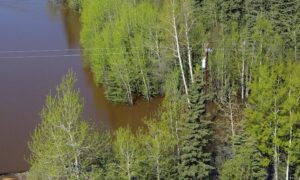
Three realities set a seasonal property apart from a year-round home. First, there’s no heat. Without interior warmth, the foundation walls and the soil against them freeze deeper and stay frozen longer, so freeze-thaw movement is more severe and more frequent. Second, there’s no one there. A sump pump that burns out, a discharge line that freezes, or a crack that begins to weep can flood a basement for weeks or months before anyone returns to find it. Third, cottage country ground sheds water toward foundations rather than away: the granite and thin soils of the Canadian Shield through Muskoka and Haliburton don’t absorb meltwater, and the clay loam over limestone through Grey County and the Georgian Bay shore holds it against the wall. Put those three together and the off-season — not the busy summer — is when most cottage foundation damage actually happens.
Key terms, defined
- Freeze-thaw cycle: the repeated freezing and thawing of water in soil and concrete. Water expands about 9% when it freezes, prying cracks wider each cycle.
- Hydrostatic pressure: the pressure of groundwater pushing against a foundation. It’s what forces water through cracks, cold joints, and porous block.
- Frost line: the depth to which ground freezes in winter — deeper in cottage country than in the city, which is why discharge lines and footings have to account for it.
- Weeping tile: the perforated drainage pipe around a foundation footing that collects groundwater and carries it to a sump or daylight outlet.
- Crack injection: filling a foundation crack with polyurethane or epoxy resin through the full wall thickness — a permanent, no-excavation repair.
The cottage foundation calendar
Think in three seasons. Fall (close-up): the goal is to get water away from the foundation and make sure anything that can freeze is drained or protected before you leave. Winter (away): the foundation is on its own; the work you did in fall is what protects it, because freeze-thaw is relentless and there’s no one to intervene. Spring (open-up): the goal is to catch any damage on day one — before the melt finishes and before you finish a basement over a problem you didn’t see.
Closing up: the fall checklist
Before you lock the door for the season, walk the outside and the basement with water in mind:
- Redirect roof water. Clean gutters and extend downspouts well away from the foundation — snow off a steep cottage roof concentrates a lot of meltwater right at the wall.
- Cover the window wells. Wells fill with leaves and snow and funnel meltwater straight to the foundation; covers keep them clear all winter.
- Protect the sump system. Clear the pit, confirm the discharge line is sloped and won’t freeze, and for an unoccupied cottage add a battery backup and water alarm. See our guide on sump pumps for seasonal cottages.
- Drain what can freeze as part of normal winterizing, and note any damp spots, efflorescence, or hairline cracks to address before they grow.
- Check grade and gaps. Make sure soil slopes away from the foundation and seal gaps where pipes or cables enter below grade.
- Seal open cracks now. Any crack that’s already there will be wider by spring — closing it before the freeze is the single highest-value fall task.
What the winter freeze does to a foundation
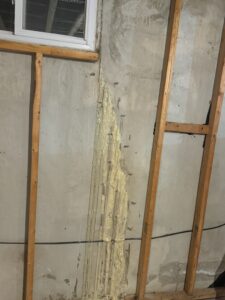
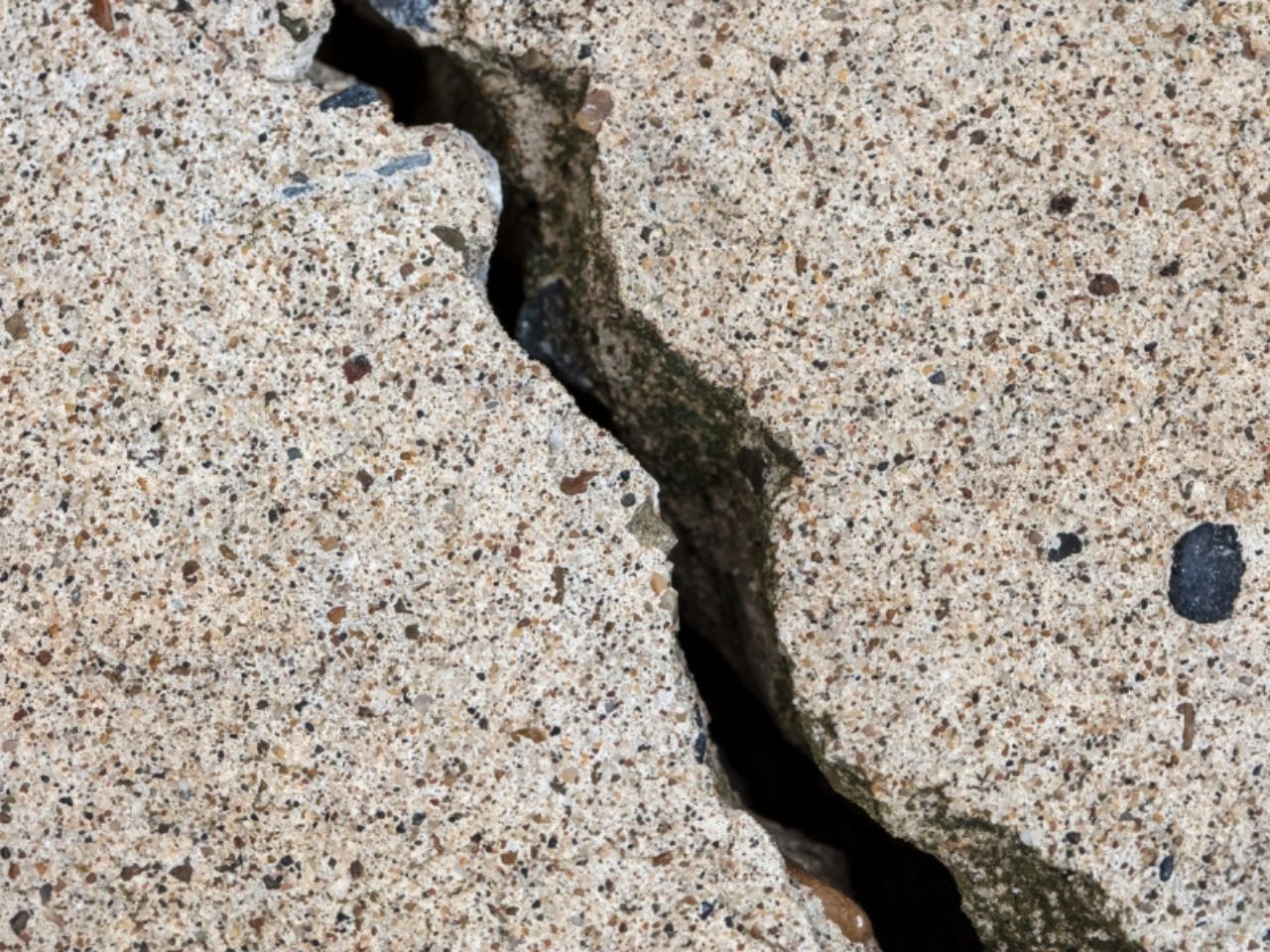
Water is the problem, and frost is what turns a small problem into a structural one. Any moisture sitting in a foundation crack, a cold joint, or the soil against the wall freezes and expands by roughly nine percent. Repeated through every thaw and refreeze across a long cottage-country winter, that expansion pries existing cracks wider and opens new ones. An unheated cottage gets the worst of it because the foundation never warms, so it cycles more often than a heated home’s. This is exactly why seasonal homes develop foundation cracks faster than city homes, and why a hairline crack you ignored in October can be an actively leaking crack in April. The permanent fix for an active or widening crack is polyurethane or epoxy crack injection; for the full decision of injection versus exterior waterproofing, see when crack injection works.
Risk and repair by foundation type
What freeze-thaw does — and how you fix it — depends on what your cottage is built on:
| Foundation type | Common at | Off-season risk | Typical fix |
|---|---|---|---|
| Poured concrete | Newer cottage builds and subdivisions | Shrinkage and settlement cracks that freeze-thaw widens; rod-hole leaks | Polyurethane or epoxy crack injection |
| Concrete block | Mid-century cottages and additions | Water through porous block and mortar joints; horizontal cracking under pressure | Interior drainage or exterior membrane; injection where appropriate |
| Fieldstone / rubble | Heritage cottages and old farmhouses | Naturally porous; mortar washout; movement | Interior drainage and parging; exterior membrane |
| Slab / crawl space | Many seasonal cottages | Ground moisture, mould, rot, frost heave | Crawl space encapsulation and drainage |
Spring opening: what to check first
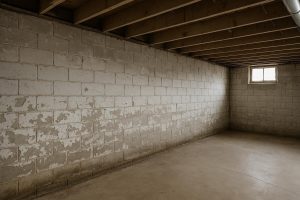
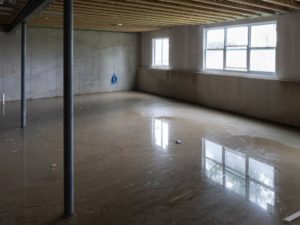
When you open the cottage, look before you flip switches. Go to the lowest point of the basement or crawl space first and check for standing water, a high-water line on the walls, or a musty smell that signals moisture got in over winter. Confirm the sump pump actually runs and the float isn’t stuck after months idle, and that the backup battery still holds a charge. Inspect the foundation walls and floor for new or widened cracks, fresh efflorescence (the white chalky residue that marks where water moved through concrete), and damp insulation. Catching these on day one is the difference between a quick injection repair and tearing out a finished basement later. If you arrive to standing water, the priority is finding the entry point, not just pumping it out.
Regional notes: Muskoka, Grey County & Georgian Bay
Cottage country isn’t one place, and the ground varies more than the buildings do. In Muskoka and the Haliburton Highlands — including Minden and Haliburton, foundations often sit on or near granite bedrock of the Canadian Shield; water runs across the rock and pools against foundations rather than soaking in, so drainage and where you put the water matter more than soil type. Across Grey County, Collingwood and the Georgian Bay shore, the ground is clay loam over limestone with a high, fast water table near the lake and rivers, plus some of Ontario’s heaviest lake-effect snow driving a violent spring melt. We waterproof throughout these regions — see our location pages for Muskoka, Haliburton, Minden, Collingwood, Owen Sound, and Markdale. For lakeside lots specifically, our breakdown of cottage perimeter water damage covers the drainage side in depth.
Permanent protection & what it costs
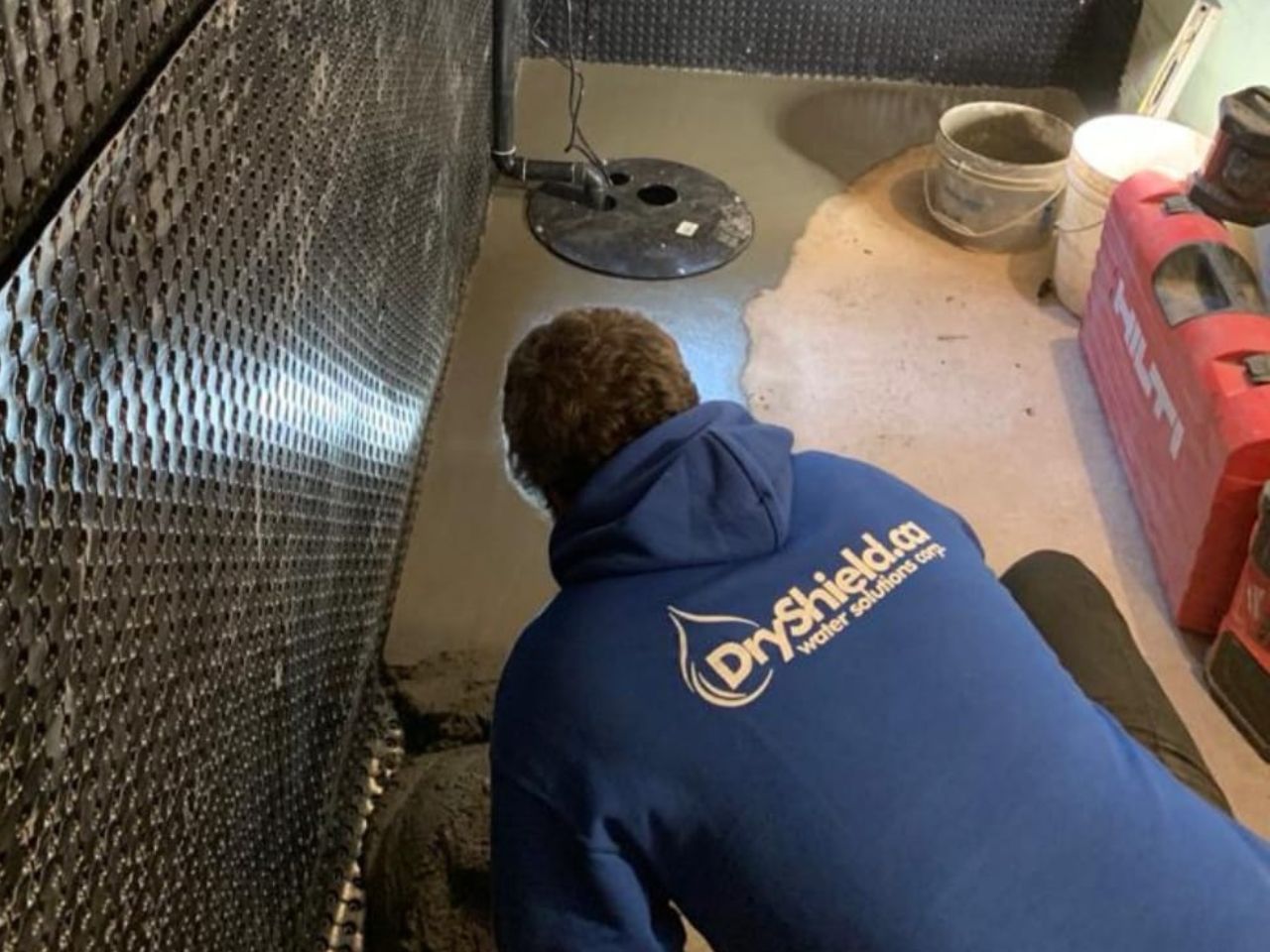
Closing and opening routines reduce risk, but a cottage you can’t monitor day to day is best protected by systems that work whether you’re there or not: drainage that moves water away (exterior grading, weeping tile, and a perimeter water solution), a reliable and monitored sump system, sealed foundation cracks, and — for cottages on crawl spaces — encapsulation (our Muskoka crawl space guide explains why). Typical investment ranges across cottage country:
| Solution | Typical range | Best for |
|---|---|---|
| Foundation crack injection | $650 – $1,000 per crack | Active or widening cracks in poured concrete |
| Sump pump with battery backup | $1,000 – $3,000 | Any unoccupied cottage |
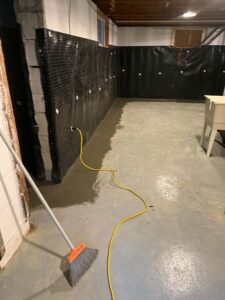
| Interior perimeter drainage | $90 – $200 per linear foot | High water tables, finished or rock-bound lots |
| Exterior waterproofing | $130 – $300 per linear foot | Older block and fieldstone foundations |
| Crawl space encapsulation | $4,000 – $25,000 | Cottages on damp crawl spaces |
Every cottage is different, so these are planning ranges — we provide an exact written quote after a free inspection.
DIY vs. a professional
Homeowner maintenance — gutters, downspouts, window-well covers, grading, testing the sump — is well worth doing yourself and prevents a lot of trouble. Structural crack repair, drainage systems, and anything involving an active leak are jobs for a waterproofing contractor: a hardware-store crack sealer applied over a moving, freeze-thaw crack typically fails by the next spring, while a proper injection is permanent and warrantied.
Warning signs to act on
Have the foundation looked at before the next freeze if you notice: a crack that has visibly widened year over year, water staining or a high-water line on the wall, efflorescence, a musty smell that returns each spring, a sump pump that runs constantly or not at all, or pooling against the foundation after rain. For permitting and shoreline work near water, your local conservation authority (find yours through Conservation Ontario) and the Ontario Building Code set the rules — we work within both.
Frequently Asked Questions
Should I leave my cottage sump pump on over winter?
Only if it can actually discharge. A sump that runs but pushes water into a frozen discharge line will overflow the pit. If you keep it on, make sure the line is sloped, insulated or buried below frost, and ideally add a battery backup and water alarm. If you fully winterize and shut water off, confirm there’s no groundwater path that will fill the pit while the pump is off.
Why does my cottage get foundation cracks when my city house doesn’t?
Because it’s unheated. Without interior heat, the soil and foundation freeze deeper and cycle through more freeze-thaw, which expands any trapped moisture and widens cracks. Seasonal homes simply take more frost punishment than heated, occupied homes.
I found a crack at spring opening — is it urgent?
A crack that’s actively leaking or has visibly widened should be sealed before the next freeze, because each winter makes it worse. Polyurethane injection stops active leaks and epoxy re-bonds dry structural cracks — both are quick, no-excavation repairs done from inside.
Can a foundation crack be injected in an unheated cottage in winter?
Interior crack injection can be done year-round in most cases, since the work is inside; we assess conditions case by case. Exterior excavation is scheduled once the ground has thawed.
My cottage is on granite — do the same rules apply?
The principles do, but the emphasis shifts. On Canadian Shield bedrock, water runs across the rock and collects against the foundation, so the priority is drainage and directing water away rather than soil management. Solutions are tailored to the lot.
How do I protect a crawl-space cottage over winter?
Encapsulation is the durable answer — a sealed vapour barrier and insulation stop ground moisture, mould, and rot in a space that’s otherwise damp all season. Make sure any crawl-space sump is protected from freezing the same way a basement sump is.
Is it worth waterproofing a cottage I only use a few months a year?
Often more so than a full-time home, because problems go undetected longer and a cottage is a major asset you can’t keep an eye on. Preventing one flooded season usually pays for the work.
Can you service cottages that are hard to access in the off-season?
Yes. We work throughout Muskoka, Haliburton, Grey County, Collingwood, Owen Sound and the surrounding cottage country. Interior crack injection and sump work can be done year-round; exterior excavation is scheduled once the ground thaws.
Related guides
- Sump pumps for seasonal & unoccupied cottages
- Cottage perimeter water damage
- Muskoka cottage crawl space encapsulation
Protect your cottage before the next freeze. Book a free inspection and we’ll assess the foundation, drainage, and sump setup across Muskoka, the Haliburton Highlands, Grey County and Georgian Bay, and flag anything to handle before you close up. Call 1-800-277-5411 or request a quote online.
Related reading: Crawl space encapsulation vs. vapour barrier — which do you need?