By Dryshield Basement Waterproofing · 25+ years of cottage waterproofing experience · Updated 2026
On this page
- What to do right now
- How the water got in over winter
- Finding the entry point
- Stopping it from happening again
- Frequently asked questions
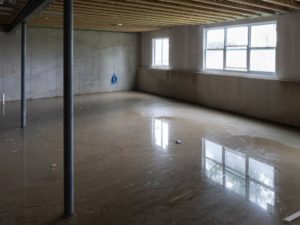
Opening the cottage to a flooded basement is one of the worst surprises in cottage ownership — and because the place sat empty all winter, the water may have been there for weeks. The damage is done, but what you do in the first hours decides how bad it gets and whether it happens again. The key thing to understand: a flood is a symptom. Pumping it out without finding the cause just resets the clock until the next melt.
What to do right now
- Stay safe. If water is near electrical outlets, the panel, or appliances, don’t wade in — shut off power to that area at the breaker first, or call an electrician if the panel itself is wet.
- Get the water out. Use a working sump pump, a wet/dry vac, or a portable pump. Note how high the water reached — the high-water line tells you and a contractor a lot.
- Dry the space fast. Mould can start within 24–48 hours. Open up, run fans and a dehumidifier, and remove soaked materials (carpet, drywall, insulation) that will hold moisture.
- Document everything. Photograph the water level, the damage, and your belongings before you clean up — your insurer will want it.
- Find the source. Once it’s drained, look for where the water entered, so the repair fixes the cause, not just the mess.
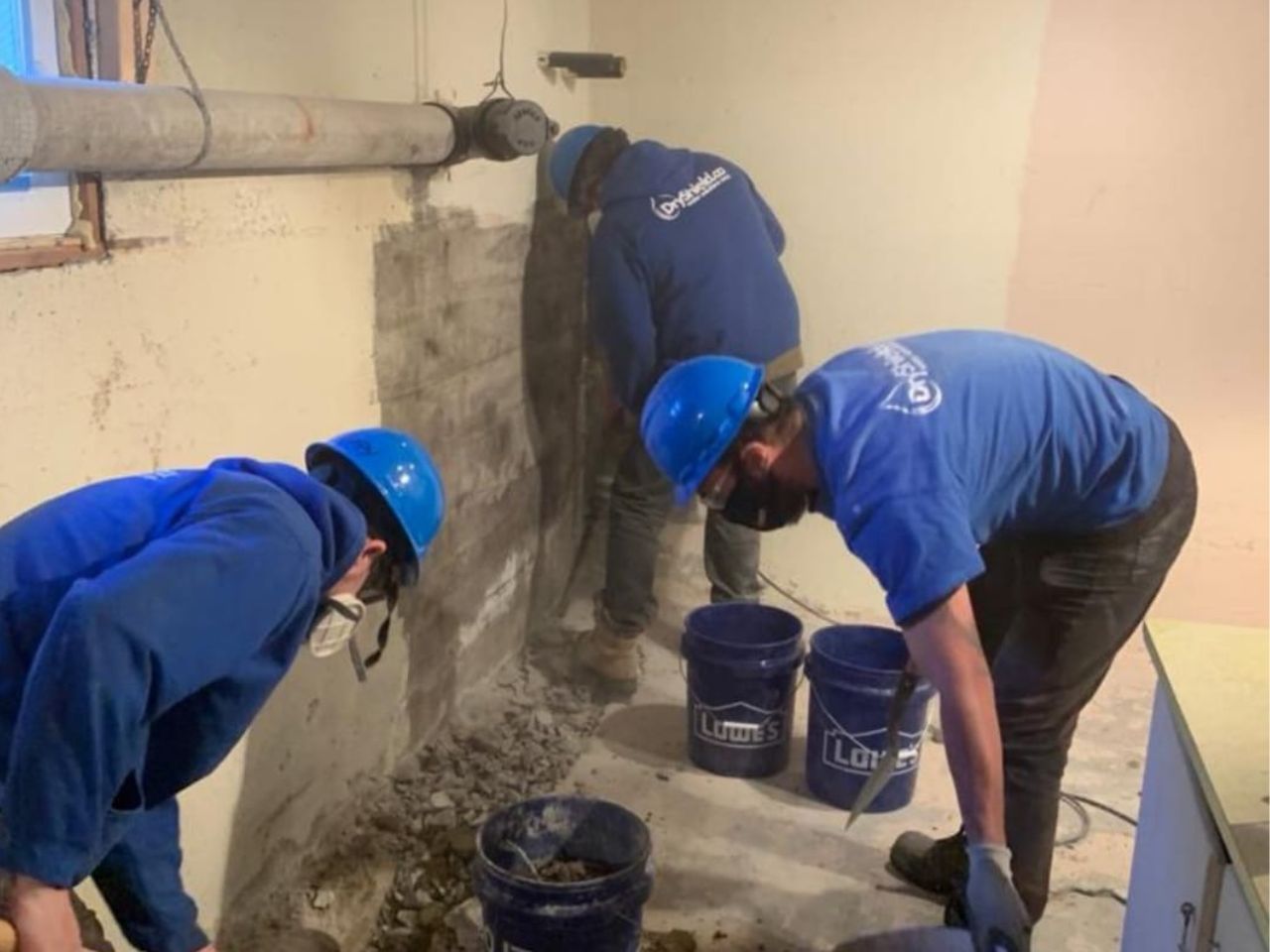
How the water got in over winter
An unoccupied cottage floods over the off-season for predictable reasons, and almost all of them trace back to water and frost the property couldn’t fend off while you were away. The spring melt is the usual trigger: cottage country’s heavy snow melts fast, the ground is still frozen so it can’t absorb the water, and all of it runs toward and against the foundation. A foundation crack that freeze-thaw widened over winter becomes an open door; a sump pump that lost power, seized, or pushed water into a frozen discharge line stops protecting the pit; and poor grading or a clogged window well funnels meltwater straight to the wall. Because no one was there, any one of these can run for weeks.
Finding the entry point
| Where the water came in | What you’ll see | The fix |
|---|---|---|
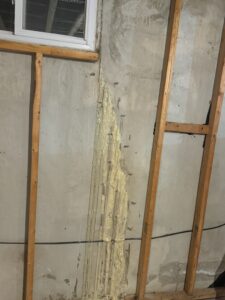
| Foundation crack | A wet streak or staining running down from a crack in the wall | Polyurethane or epoxy injection |
| Floor-to-wall joint | Water seeping in along the base of the wall, all around | Interior drainage and a sump |
| Failed sump pump | Water at the pit; pump that won’t run, or a frozen discharge line | Repair or replace; add battery backup |
| Window well | Water and debris pooled in the well, leaking at the window | Clear and cover the well; add a well drain |
| Over the top of the foundation | Staining high on the wall from surface flooding | Regrade and redirect surface water |
Often it’s more than one of these at once. A professional inspection traces the actual path the water took, which is what a lasting repair has to address.
Stopping it from happening again
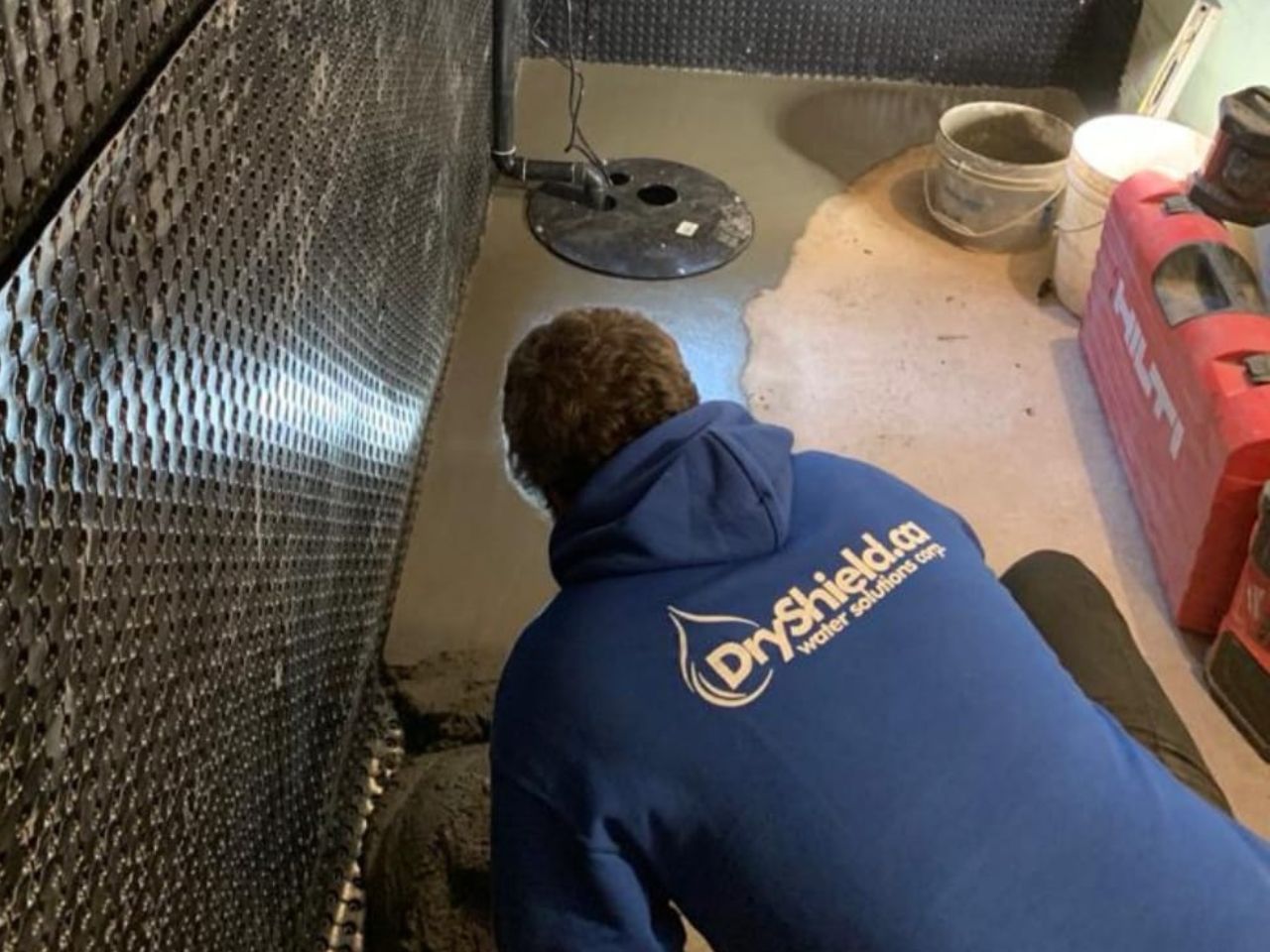
A one-time cleanup without a fix almost guarantees a repeat, because the conditions that caused it return every spring. The durable protection is the same system that protects any seasonal cottage: seal the foundation cracks that let water in, install or upgrade to a sump pump with battery backup and a water alarm so a failure isn’t discovered months later, and make sure a perimeter drainage system is carrying groundwater away from the foundation. For the full off-season routine, see our guide on protecting your cottage foundation through the seasons, and if the cause was a widened crack, freeze-thaw foundation cracks in cottage country explains why it happened.
Frequently Asked Questions
The basement already flooded — is it too late to fix the cause?
No. Once the water’s out and the space is dry, we can inspect, find the entry point, and repair it so it doesn’t recur. The flood actually makes the source easier to trace while the evidence is fresh.
Will my insurance cover a cottage flood?
It depends on your policy and the source of the water — overland flooding, sewer backup, and seepage are often handled differently. Document everything with photos before cleanup, and check your coverage. We’re not insurers, but a clear repair report helps your claim.
How fast does mould start after a cottage floods?
Mould can begin within 24 to 48 hours in a damp, closed space. Get the water out, ventilate, run a dehumidifier, and remove soaked porous materials quickly to limit it.
My sump pump was on but the basement still flooded — why?
Usually the discharge line froze, the power went out with no battery backup, the pump seized after sitting idle, or the inflow simply overwhelmed an undersized pump. Each is preventable with the right seasonal setup.
Can you come out to a cottage after a flood?
Yes — we inspect and repair flood sources throughout Muskoka, Haliburton, Minden, Grey County, Collingwood, Owen Sound and the surrounding cottage country.
Related guides
- Closing & opening your cottage: seasonal foundation protection
- Sump pumps for seasonal & unoccupied cottages
- Cottage perimeter water damage
Found water at the cottage? Book a free inspection and Dryshield Basement Waterproofing will trace the source and fix it across Muskoka, Haliburton, Grey County and Georgian Bay so it doesn’t flood again. Call 1-800-277-5411 or request a quote online.