
A sump pump only matters on the worst night of the year, when the power flickers and the rain does not stop. If yours hums but does not pump, runs nonstop, cycles on and off, or failed in the last storm, DryShield finds out why and fixes it: float switches, check valves, discharge lines, battery backups or the pump itself. We repair and service sump systems in homes across Toronto, the GTA and Southern Ontario. For a brand-new pit and pump, see our sump pump installation page.
Sump Pump Repair and Service
Sump pump repair fixes the part that failed: a stuck float switch, a failed check valve, a blocked or frozen discharge line, a tripped circuit or a worn motor. DryShield tests the pump with water in the pit, checks the power, float, valve and discharge, then repairs the failed part or quotes a replacement. Book a free estimate.
Book a free estimate or call 1.800.277.5411.

Rated 4.9 Starson Google (300+ reviews)
25+ years of experience
- Every repair starts with a water test in the pit, not a guess
- Float switch, check valve and discharge line repairs
- Battery backup pumps and high-water alarms added or repaired
- Repair-or-replace options in writing before any work starts
- 25+ years of experience in basement waterproofing

Call us now to book your free estimate 1.800.277.5411
What Our Customers Say
DryShield has a 4.9-star rating from 300+ Google reviews across the GTA and Ontario.


Our Sump Pump Repair Process:
- Call or book
Tell us what the pump is doing and when it started. We book a visit to test the system; anything that is not covered by the free estimate is explained before the visit. - Test the whole system
We run the pump with water in the pit and check the power supply, float switch, check valve, discharge line and any backup pump. - Written quote
You get the repair, or the repair-or-replace options, in writing before any work starts. - Repair
We replace the failed part or the pump, secure the discharge connections and refit the pit lid. - Re-test and walk-through
We water-test the system again, check that water leaves the discharge outside, and show you how to test it yourself each season.
Signs Your Sump Pump Needs Repair
Sump pump problems usually show up as a change in sound or rhythm before the basement gets wet. If you notice any of these, have the system checked before the next heavy rain or spring melt.
| Symptom | Likely cause | Next step |
|---|---|---|
| Pump hums but does not move water | Jammed impeller or failed motor | Repair visit; replace the pump if the motor is gone |
| Pump runs nonstop | Float stuck on, failed check valve or very high inflow (see sump pump keeps running) | Repair visit |
| Pump turns on and off every few seconds | Check valve letting water back into the pit, or the float set too tight | Replace the check valve or reset the float |
| Pump does not start when the pit is full | No power, tripped GFCI or failed float switch (see sump pump not working) | Check the breaker, then call us |
| Water spills back toward the house, or the line freezes | Discharge line blocked, too short or frozen | Clear, extend or reroute the discharge |
| Basement flooded during a power cut | No battery backup, or the backup failed (see sump pump failed and basement flooded) | Add or repair a battery backup |
| Loud grinding or rattling | Worn bearings or debris in the impeller | Repair visit |
Unplug the pump before you reach into the pit. If the basement is flooding now, call 1.800.277.5411.
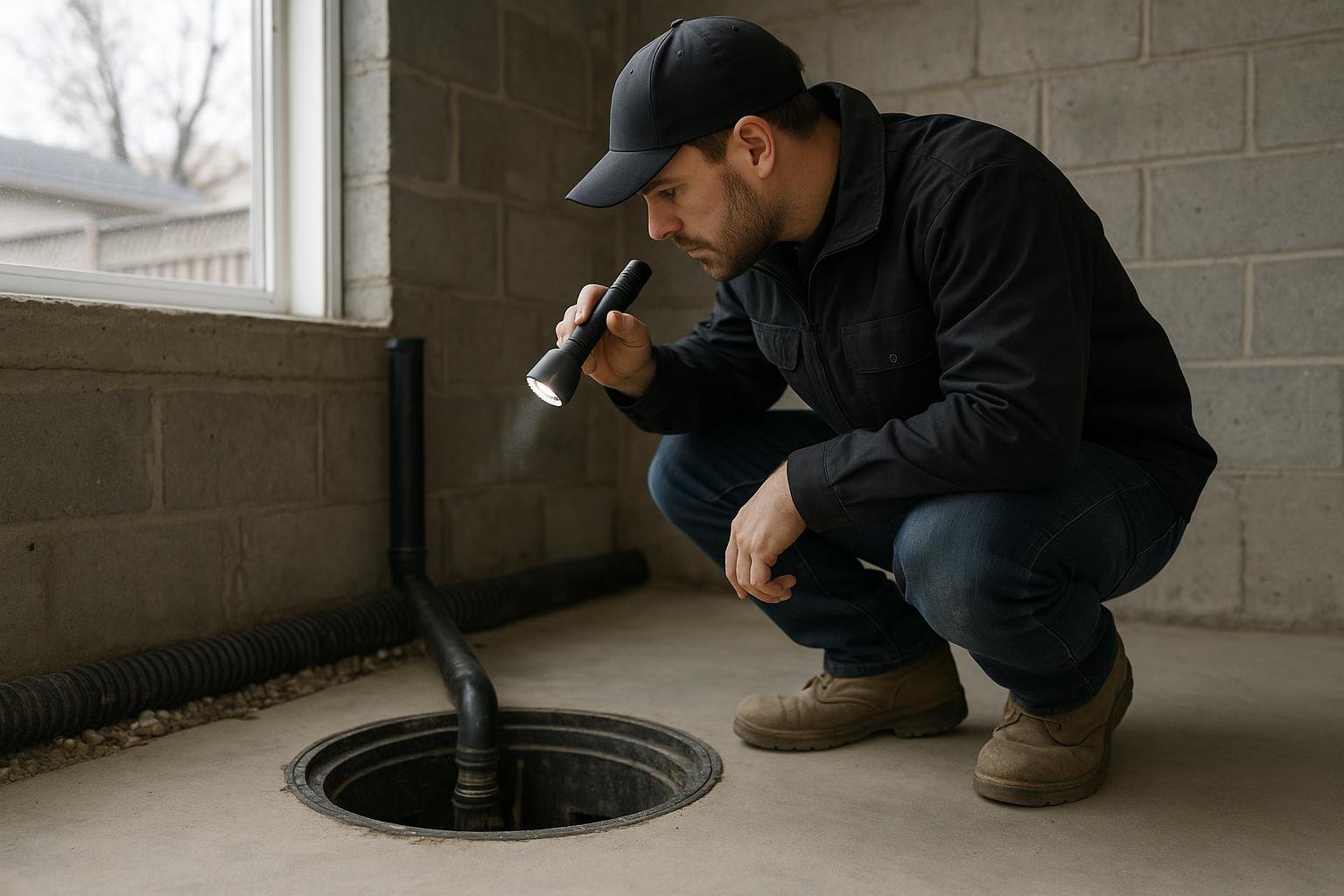
Sump Pump Repairs We Do
Most sump pump failures come down to one part. We find that part and fix it, and we only recommend a new pump when the pump itself is worn out.
Float switch, check valve and discharge repairs
We replace stuck or failed float switches, replace check valves that let water fall back into the pit, and clear, extend or reroute discharge lines that are blocked, frozen or emptying too close to the house.
Battery backup pumps and alarms
We add or repair a battery backup pump and a high-water alarm so the system keeps working, and warns you, when the power goes out in a storm.
Pump replacement
When the motor or impeller is worn out, we replace the pump and test it. If the pump cannot keep up with the water coming in, we look at the pit, the pump size and the drainage feeding it. For pump types, see our sump pump replacement guide.
Is your pump acting up? Call 1.800.277.5411 or request a free estimate.
Sump Pump Check Valve Repair
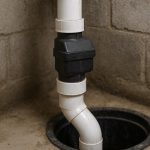
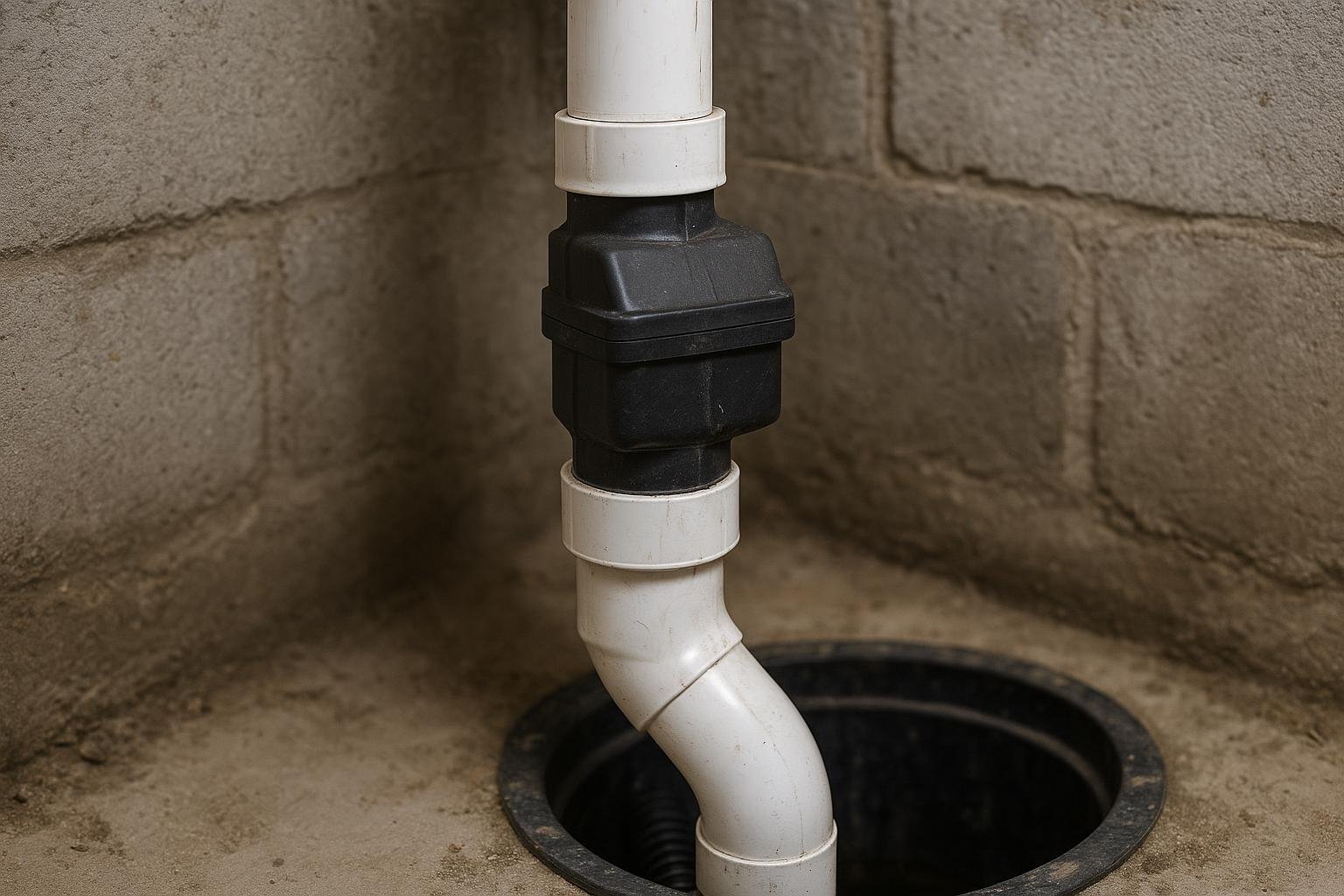
The check valve is a one-way valve on the discharge pipe, usually a short section with a hinged flap or spring inside. When it works, water that the pump has pushed up the pipe stays there when the pump shuts off. When it fails, that water falls straight back into the pit every time the pump stops. The pump then has to move the same water again, so it short-cycles, runs far more often than it should and wears out early.
Signs of a failed check valve include a loud thump or a rush of water back into the pit when the pump stops, a pump that turns on again seconds after it turns off, and a valve that leaks at its joints. Replacing a check valve is one of the most common sump pump repairs we do, and it can add years to a pump that is otherwise healthy.
Sump Pump Float Switch Repair
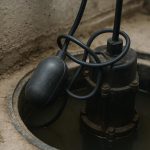
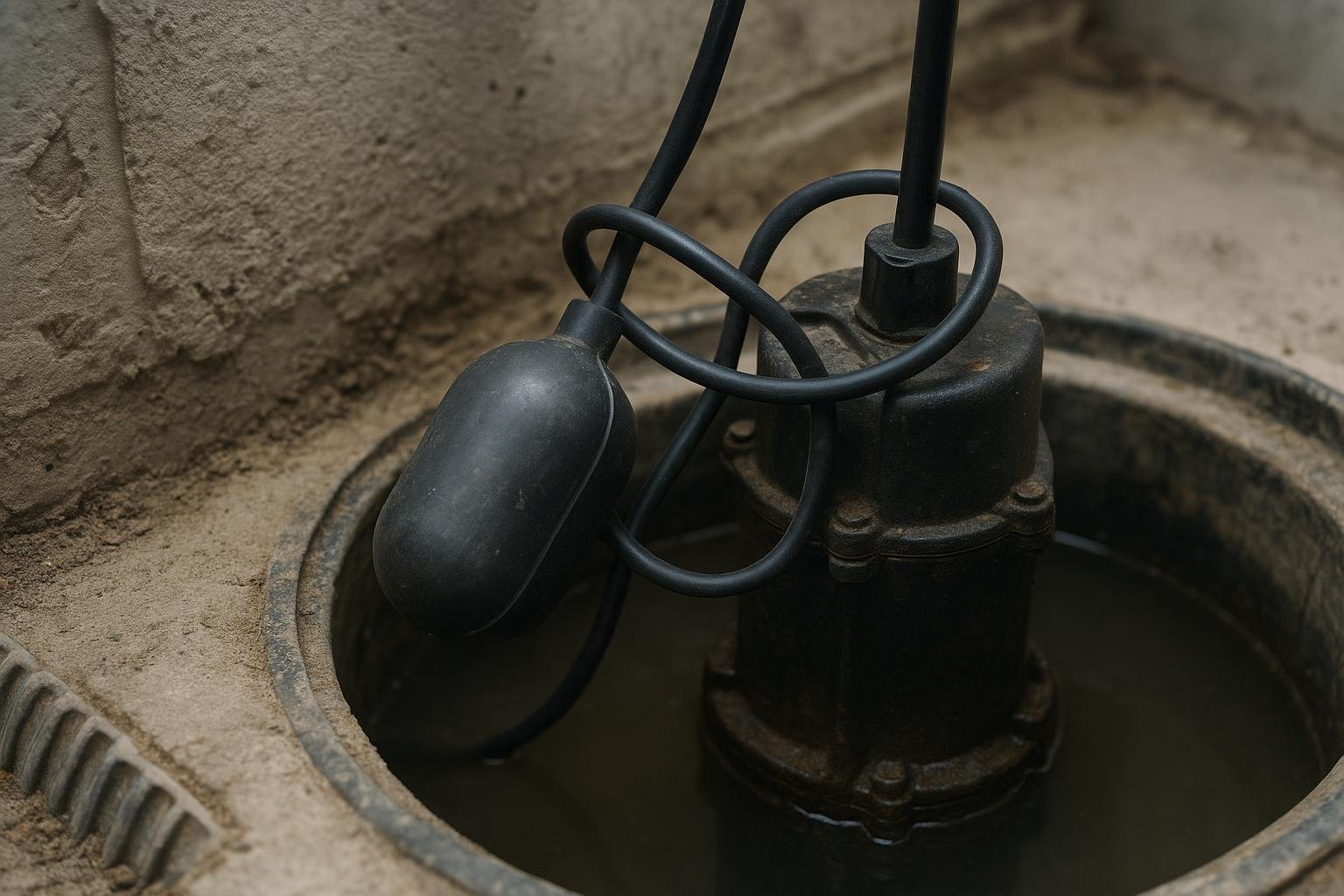
The float switch tells the pump when to start and stop. As water rises in the pit, the float rises with it and turns the pump on; as the pit empties, the float drops and turns it off. Floats can stick against the pit wall, tangle in the power cord or discharge pipe, get jammed by debris, or simply wear out after years of cycling.
A stuck float does damage either way. Stuck down, it keeps the pump off while the pit overflows. Stuck up, it runs the pump dry until the motor overheats or burns out. We free or replace the float, set it at the right height for your pit, and make sure nothing in the pit can catch it. If the pit is too small for the float to move freely, we explain the options.
Repair or Replace Your Sump Pump?
A repair is the right call more often than people expect, but a worn-out pump is not worth patching. This is how we think about it:
| Repair is usually enough when | Replacement usually makes sense when |
|---|---|
| A float switch or check valve has failed | The motor hums or has burned out |
| The pump is fairly new and has run reliably | The pump is near the end of its life (most good pumps last about 7 to 10 years) |
| The discharge line is blocked or frozen | The pump cannot keep up with inflow in storms |
| The backup battery is dead | You are adding a backup and the main pump is old |
For pump types and what goes into a replacement, see our sump pump replacement guide. For a new pit and pump, see sump pump installation.
Benefits of Professional Sump Pump Repair
- Finds the real cause instead of swapping parts until something works
- The whole system is tested with water before we leave
- Work is done to the Ontario Building Code and local discharge rules
- You get the repair and the options in writing first
Sump Pump Repair Cost
We do not publish repair prices because the cost depends on what failed and what the system needs. After we test the pump, you get the repair, or the repair-or-replace options, and the price in writing before any work starts.
What changes the cost: which part failed, whether the pump itself needs replacing, whether a battery backup or alarm is being added, and how the discharge line runs outside. A float or check valve repair is a smaller job than a new pump or a new backup system.
Why Homeowners Choose DryShield for Sump Pump Repairs
DryShield Basement Waterproofing is the operating name of Dryshield Water Solutions Corp., a licensed and insured Ontario company with 25+ years of experience in basement waterproofing. We are rated 4.9 stars on Google from 300+ reviews. Every repair is quoted in writing before work starts. Warranty coverage for a repair, a replacement part or a new pump depends on the work and the equipment, so we confirm it in your written quote before any work starts.
A sump pump is only one part of how water leaves your basement. If the pump runs constantly because the weeping tile is collapsed, or water is coming in through a crack, we will tell you and explain the fix, including weeping tile replacement, interior waterproofing and foundation crack injection.
Where your sump water should go
The discharge should empty onto a permeable surface such as a lawn or garden, at least two metres from the foundation (City of Toronto guidance), and away from neighbours and walkways, so it does not run straight back down to the weeping tile. In winter, a discharge line that freezes can back water up into the pit; a short, well-sloped line or a freeze-protected outlet helps.
How to keep a repaired pump working
Test the pump every season by pouring a bucket of water into the pit. Keep the pit lid on and the pit free of debris, keep the float clear of the cord and pipe, and check that the backup battery is charged. Our sump pump maintenance guide covers the full checklist.
Get Your Free Sump Pump Repair Estimate
Reviewed by Jason Carrillo, DryShield · 25+ years of experience · Call 1.800.277.5411
Sump Pump Repair: Frequently Asked Questions
Why did my sump pump stop working?
The most common causes are a stuck float switch, a tripped breaker or GFCI outlet, a blocked or frozen discharge line and a worn-out motor. Check that the pump has power and that the float moves freely, then call us if it still will not start.
Why does my sump pump run constantly?
Usually a float stuck in the on position, a failed check valve that lets water fall back into the pit, or very high groundwater after a storm or spring melt. A pump that never stops will wear out its motor, so have it checked soon.
Can a sump pump be repaired, or does it need replacing?
Float switches, check valves, discharge lines and battery backups can usually be repaired or replaced on their own. If the motor hums without pumping, or the pump is near the end of its life, replacing the pump is usually the better spend.
How long does a sump pump last?
Most good-quality sump pumps last about 7 to 10 years. Testing the pump every season, keeping the pit clean and fixing a bad check valve early all help it last.
What does a sump pump check valve do?
It is a one-way valve on the discharge pipe. It stops the water in the pipe from falling back into the pit each time the pump shuts off, so the pump does not have to move the same water twice.
How do I know if my float switch is bad?
Signs include a pump that will not start when the pit is full, a pump that will not shut off, or a float that is stuck against the pit wall or tangled in the cord. Lift the float gently with the pump plugged in; if the pump does not start, the switch or the pump needs attention.
Do I need a battery backup sump pump?
It is strongly recommended. The storms that flood basements often knock out power, which is exactly when the main pump stops. A battery backup and a high-water alarm keep the system working and warn you if the water rises.
How do I test my sump pump?
Slowly pour a bucket of water into the pit. The pump should start on its own, empty the pit and shut off. Then check outside that water is leaving the discharge pipe and flowing away from the house.
Where should my sump pump discharge?
Onto a permeable surface such as a lawn or garden, at least two metres from the foundation, and not toward a neighbour’s property, a walkway or the street. Water that is dumped next to the wall soaks back down to the weeping tile.
How much does sump pump repair cost?
It depends on what failed. A float switch or check valve is a smaller job than a new pump, a battery backup or a deeper pit. We test the system first and confirm the price in your written quote before any work starts.
Do you repair sump pumps you did not install?
Tell us the make and age of the pump when you book. We confirm what we can repair, and what coverage applies to the work, in your written quote.
Schedule a Sump Pump Repair
If your pump is acting up, get it checked before the next storm. Call 1.800.277.5411, email info@dryshield.ca, or request a free estimate using the form above.
Reviewed by Jason Carrillo, DryShield. Reviewed November 22, 2026. 25+ years of experience.


