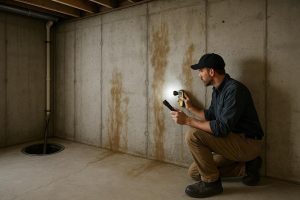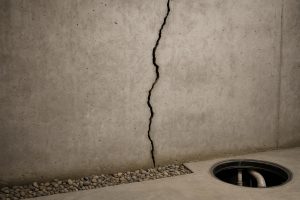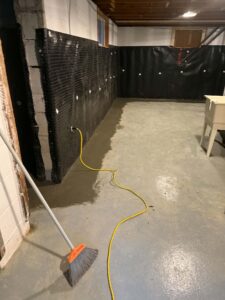
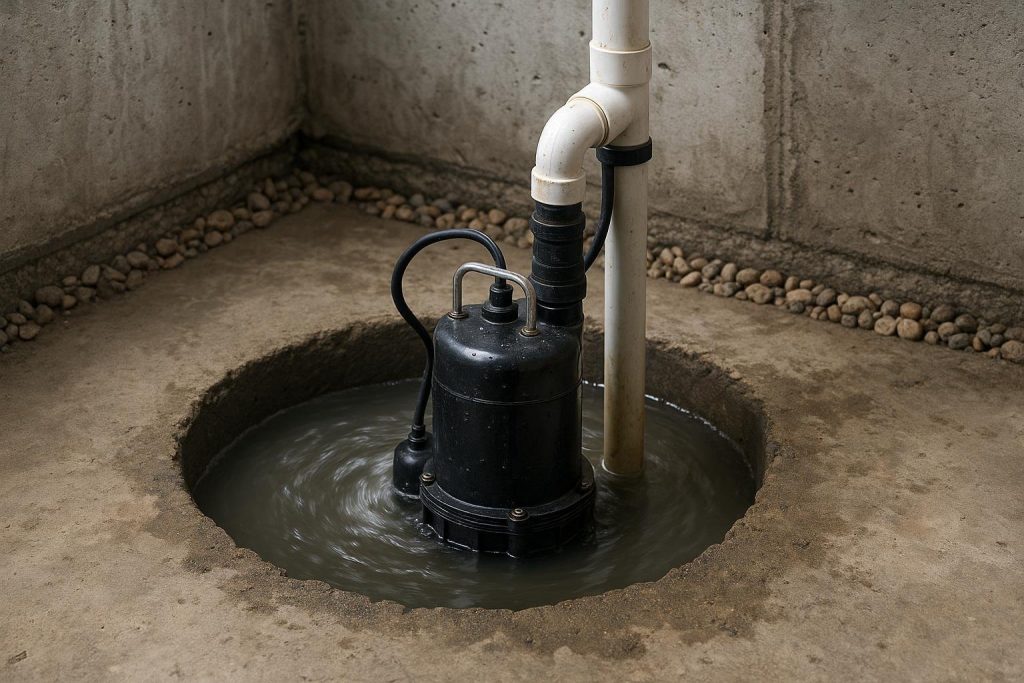
A sump pump keeps running when the float switch cannot reach its shutoff position, when groundwater inflow exceeds the pump’s capacity, or when the check valve has failed and discharged water is cycling back into the pit. Start by confirming the float moves freely and the discharge line is clear. If the pump runs continuously during dry weather, the cause is almost certainly a mechanical fault rather than a genuine water problem, and it needs attention before the motor burns out.
- A stuck or misaligned float switch is the single most common cause of a pump that will not shut off.
- A failed check valve lets discharged water fall back into the pit, creating a loop the pump can never win.
- Continuous running burns out the motor; most residential pumps are not rated for 24/7 operation.
- High groundwater from a failed or blocked weeping tile system can legitimately overwhelm a correctly working pump.
- A battery backup unit or secondary pump buys time while the root cause is diagnosed.
Confirm it’s actually this
A sump pump that keeps running will display one or more of these observable signs. The pump motor hums or cycles continuously even when no rain has fallen in the past 48 hours. The water level in the pit does not visibly drop despite the pump running, or it drops briefly and then rises again within seconds. The float arm or ball float sits at or above the activation mark but the pump never shuts off. The discharge pipe outside shows a steady trickle rather than the intermittent surge you would expect from a correctly cycling pump.
You may also notice the pump is unusually warm on the motor casing, or you hear a laboured hum rather than the clean whirring of a healthy unit. In some cases the pump short-cycles: it turns on, runs for five to fifteen seconds, shuts off, and immediately turns on again. That pattern almost always points to a check valve failure or a float set too close to the shutoff level.
Problems it gets confused with
A pump running during or immediately after a major rainstorm is not necessarily faulty; it may simply be handling a genuine surge of groundwater. Confusing normal high-demand operation with a fault leads homeowners to replace working equipment unnecessarily. A pump that runs briefly every hour during spring snowmelt is likely responding to a legitimately elevated water table rather than a mechanical problem.
A sump pump that is not working at all is a different problem: the motor may be seized, the float stuck in the off position, or power lost. If the pump has already failed and the basement has flooded, the priority shifts to water removal before diagnosis.
Causes, ranked
1. Stuck or misaligned float switch
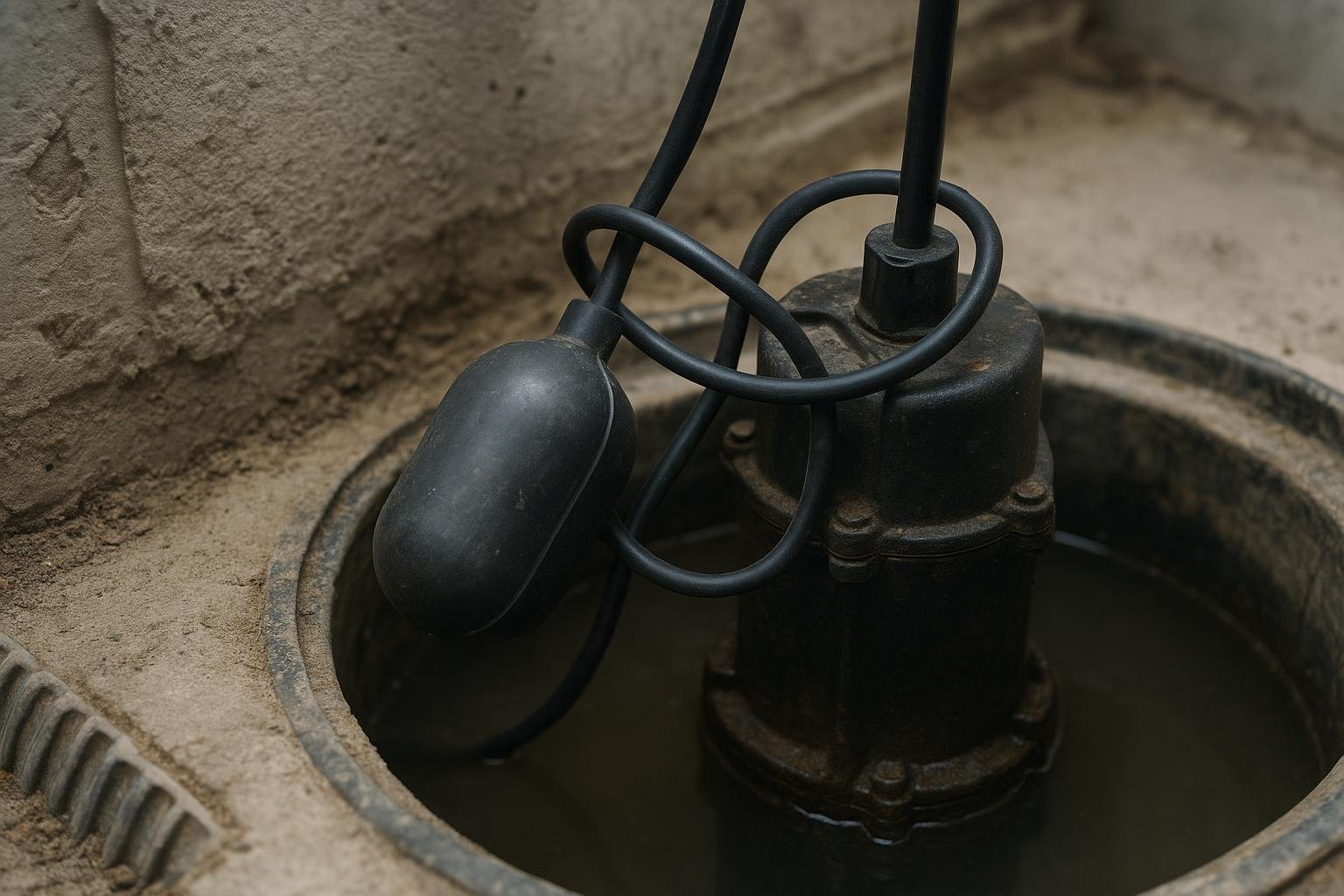
The float switch tells the pump when to turn on and off. If the float is tangled against the pump body, the pit wall, or the discharge pipe, it cannot rise to the shutoff position and the pump runs indefinitely. This is the most common cause and the easiest to fix. The telltale sign is that the pump stops immediately when you manually lift the float by hand. Floats can shift after a heavy inflow event stirs up debris in the pit.
2. Failed or missing check valve
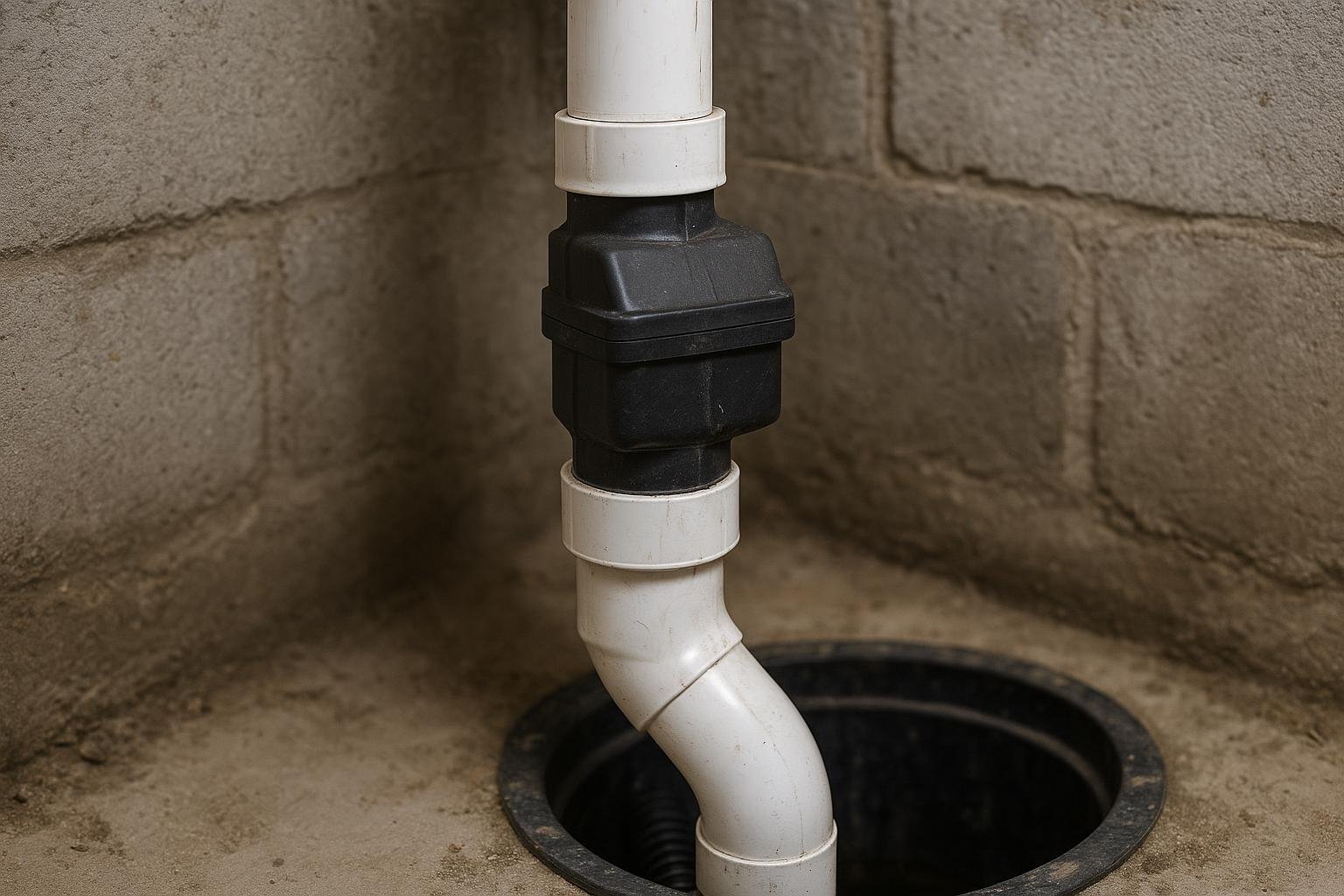
A check valve on the discharge line prevents water from draining back into the pit when the pump stops. If the valve fails open, every pump cycle pushes water up the pipe; when the pump stops, that water falls back and triggers the float again within seconds. The telltale sign is rapid short-cycling: the pump runs for a few seconds, stops, and immediately restarts. You may also hear a gurgling sound as water falls back down the pipe.
3. Undersized pump for the water volume
If the rate of groundwater entering the pit exceeds the pump’s rated flow capacity, the pump runs continuously because it is genuinely losing the battle. This becomes apparent after a weeping tile system partially fails or after a property change that redirects more water toward the foundation. The telltale sign is that the water level in the pit remains constant or rises slowly despite the pump running at full speed.
4. Blocked or frozen discharge line
If the discharge pipe is kinked, crushed, or frozen at the exterior outlet, water cannot leave the system and the pump runs against a closed head. In winter this is a significant risk when the pipe terminates at or below grade. The telltale sign is that the pump sounds normal but no water exits at the outdoor discharge point and the pit level does not drop. See the related guide on sump pump installation considerations.
5. High water table from failed weeping tile
When the perimeter weeping tile system is crushed, silted, or disconnected, groundwater that should be intercepted before reaching the foundation instead saturates the soil around the footing and flows directly into the pit. The pump may be working correctly but cannot keep up. The telltale sign is that the problem is worse in spring and after heavy rain, and you may also notice water along the basement perimeter or efflorescence on walls. A blocked weeping tile is a drainage system problem, not a pump problem.
6. Pump motor or impeller wear
An aging pump with a worn impeller moves less water per revolution than its rated capacity. The motor works harder and longer to achieve the same result, eventually running continuously as efficiency drops below the inflow rate. The telltale sign is that the problem has developed gradually over months, the pump sounds laboured, and the unit is more than seven to ten years old. Consult the sump pump failure and replacement guide for wear indicators.
Cause to solution table
| Cause | Telltale sign | Appropriate fix | Urgency |
|---|---|---|---|
| Stuck or misaligned float switch | Pump stops when float is lifted manually | Reposition float; secure away from pit wall and pump body | Act soon |
| Failed check valve | Rapid short-cycling; gurgling when pump stops | Replace check valve on discharge line | Act soon |
| Undersized pump | Pit level holds steady or rises despite pump running | Upgrade to higher-capacity pump; address drainage root cause | Act soon to Act now |
| Blocked or frozen discharge line | No water exits outdoor discharge point | Clear blockage; reposition or insulate exterior outlet | Act now |
| Failed weeping tile system | Perimeter seepage; problem worse after rain | Weeping tile inspection and replacement; interior or exterior drainage | Act soon |
| Worn pump motor or impeller | Gradual decline; pump older than 7-10 years; laboured sound | Replace pump unit | Act soon |
Use this table to match what you observe to the most likely cause before spending money on parts or labour. A float fix costs very little; a weeping tile replacement is a significant drainage project. Correctly identifying the cause first avoids replacing a working pump when the real problem is the drainage system feeding the pit.
What you can safely check yourself
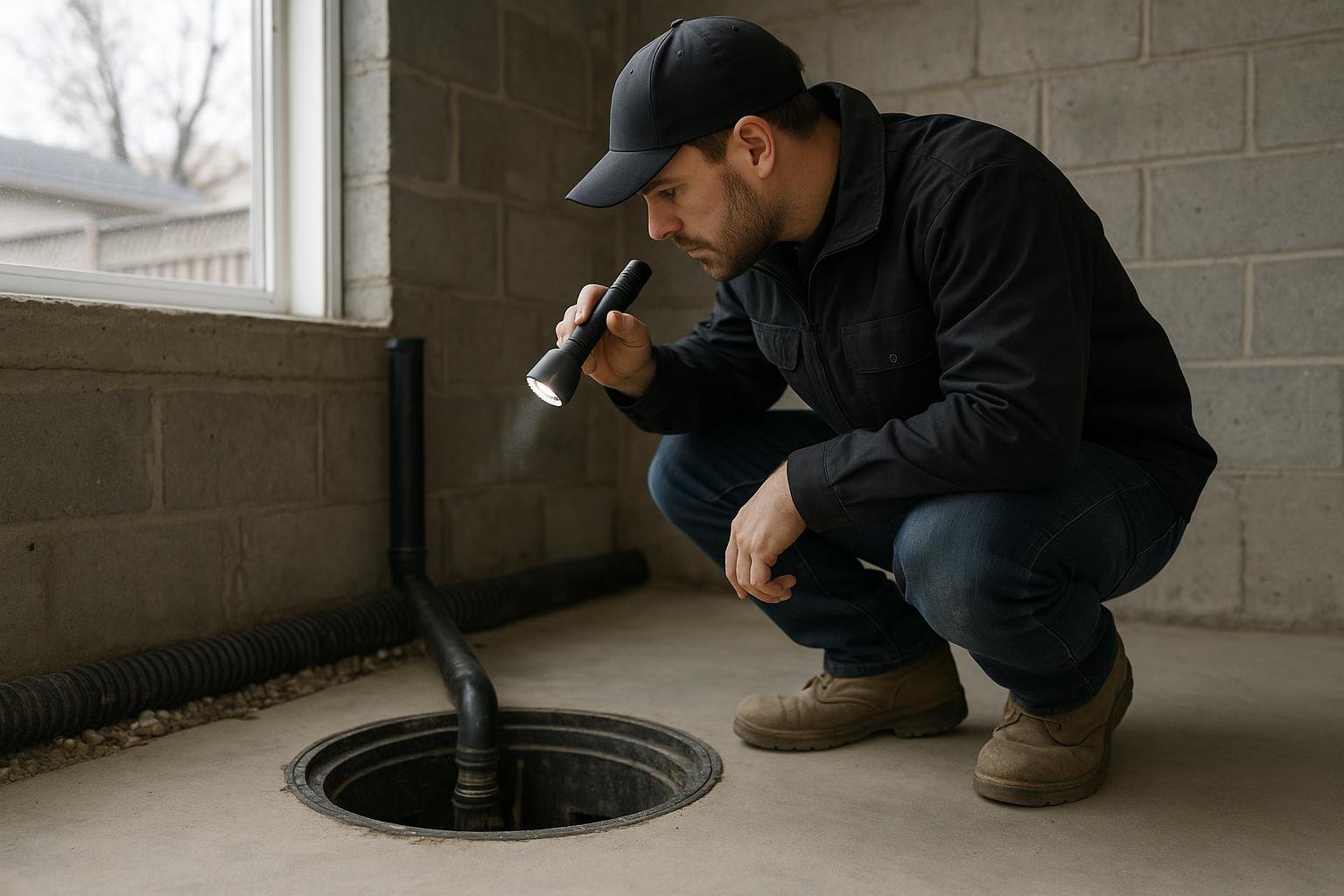
- Observe the float position. With the pump running, look into the pit. Is the float arm or ball sitting at or above the shutoff mark? If so, gently lift it by hand. If the pump stops, the float is stuck or misaligned.
- Check for obstructions around the float. The float must swing freely through its full arc. Remove any debris or pipe that is blocking its movement and reposition it away from the pit wall and pump body.
- Inspect the discharge line indoors. Trace the pipe from the pump to the wall. Look for kinks, loose fittings, or visible damage. A disconnected joint inside the basement means water is discharging onto the floor, not outside.
- Check the outdoor discharge point. Confirm water is exiting the pipe during a pump cycle. In winter, check for ice at the outlet.
- Listen for the check valve. When the pump stops, you should hear a brief click or thud as the check valve closes. Silence followed immediately by the pump restarting suggests the valve is missing or failed.
- Note the pump’s age. If the unit is more than seven years old and has been running heavily, document this for a technician.
What NOT to do
- Do not unplug the pump while water is actively entering the pit. Removing the only line of defence during a high-water event risks a flooded basement.
- Do not prop the float in the off position as a temporary fix. The pump will not activate if water rises, defeating its entire purpose.
- Do not ignore a burning smell or very hot motor casing. A motor running to thermal failure can trip the breaker or create a fire hazard. Disconnect power and call a professional.
- Do not assume a new pump alone will solve the problem if the root cause is a failed drainage system. The replacement pump will face the same overload.
- Do not attempt to clear a frozen discharge line with an open flame. Use warm water or a heat gun on a low setting, keeping it away from plastic fittings.
How a professional diagnoses it
A waterproofing technician begins by observing the pump through at least one full cycle to confirm whether it is short-cycling, running continuously, or running at an abnormally high duty cycle. They measure the water level in the pit before, during, and after a cycle to determine whether the pump is actually moving water or running against a blockage.
The technician then inspects the float switch type and tests its range of motion. The check valve is checked for back-flow, and the discharge line is traced to the exterior outlet and checked for blockage, freezing, or improper slope. If the pump appears to be working correctly but cannot keep up with inflow, the technician assesses the drainage system, which may involve a camera inspection of the weeping tile and an evaluation of whether the pump’s flow rate matches the site’s water volume. For context on sizing and installation, see the sump pump installation services page.
Temporary vs permanent fixes
| Situation | Temporary measure | Permanent fix |
|---|---|---|
| Float stuck against pit wall | Manually reposition float; monitor | Install a vertical or electronic float switch that cannot tangle |
| Failed check valve | None safe; replace promptly | Install a new spring-loaded or swing check valve rated for the pipe diameter |
| Frozen discharge line | Thaw with warm water; redirect discharge away from grade | Reposition outlet above grade; insulate exposed pipe; install freeze-proof outlet cap |
| Pump overwhelmed by inflow | Add a battery backup pump to handle overflow | Upgrade primary pump capacity; repair or replace weeping tile system |
| Worn motor or impeller | None; motor failure is imminent | Replace pump unit; consider a dual-pump setup with battery backup |
Temporary measures buy hours or days, not seasons. If the underlying cause is a drainage system failure, no pump adjustment will be a lasting solution. For a broader look at interior drainage options, see interior basement waterproofing solutions.
Frequently asked questions
Is it normal for a sump pump to run every few minutes?
Short-cycling every few minutes is not normal during dry weather. It almost always indicates a failed check valve allowing discharged water to fall back into the pit, or a float set too close to the shutoff level. During an active storm or spring snowmelt, more frequent cycling can be normal if the water table is genuinely high, but every-few-minutes cycling in dry conditions warrants investigation.
How long can a sump pump run continuously before it burns out?
This depends on the pump model and its thermal protection rating. Most residential submersible pumps are designed for intermittent duty, not continuous operation. Running non-stop for more than several hours stresses the motor windings and can cause overheating. Some units have thermal overload protection that shuts them down automatically; others do not. Treat continuous running beyond 12 to 24 hours as urgent.
Can a sump pump keep running because of a high water table?
Yes. If the water table around your foundation is genuinely elevated during spring snowmelt or after prolonged rain, the pump may run frequently and still be functioning correctly. The key distinction is whether the pit level is dropping (pump is winning) or holding steady and rising (pump is overwhelmed). Constant running in dry weather points to a mechanical fault, not a high water table.
What happens if I just let the sump pump keep running?
Continuous operation shortens motor life significantly. The pump may overheat, trip a thermal cutout, or fail entirely. If it fails during a rain event, the basement can flood. There is also a measurable increase in electricity consumption. A pump running non-stop is a symptom of an unresolved problem; ignoring it risks both equipment failure and water damage. See the related page on what to do if the pump fails and the basement floods.
Could a sump pump run continuously because of a plumbing leak?
Yes, though this is less common. A leaking water supply line, a slow drain leak, or a failed water softener brine line can drip water into the pit continuously, keeping the float activated. If the pump runs constantly during extended dry weather, check whether any plumbing near or above the pit could be contributing water. A plumber can confirm or rule this out.
How do I know if my weeping tile is causing the pump to run constantly?
Signs that a failed weeping tile is the root cause include: the pump runs heavily every time it rains regardless of storm intensity; you also notice weeping tile problems such as perimeter seepage or efflorescence on basement walls; and the problem has worsened over several years. A camera inspection of the weeping tile is the definitive diagnostic step.
Should I install a battery backup sump pump if mine keeps running?
A battery backup pump is a sensible safeguard but it does not fix the reason the primary pump keeps running. If the primary pump fails due to overwork, a backup unit provides protection while repairs are arranged. Install the backup for resilience, then address the underlying cause separately. The guide on battery backup and monitoring covers sizing and alarm options.
Can I replace the check valve myself?
Replacing a check valve is within the ability of a confident DIYer if the discharge pipe uses standard fittings and the valve is accessible. You will need to disconnect the pipe, install a new spring-loaded or swing check valve in the correct flow direction, and reconnect. Installing it backwards will make the problem worse. If the pipe is glued PVC or in a confined space, a plumber or waterproofing technician can complete the job quickly and correctly.
Does a sump pump running constantly affect my electricity bill?
A typical residential sump pump draws between 300 and 800 watts depending on horsepower. Running continuously at 500 watts adds roughly 12 kilowatt-hours per day. At Ontario’s time-of-use rates (which change periodically; verify current rates with your utility), this represents a meaningful daily cost that compounds quickly over weeks. Beyond cost, the continuous load accelerates motor wear.
When should I call a waterproofing professional rather than a plumber?
Call a waterproofing professional when the root cause appears to be the drainage system around the foundation rather than the pump or plumbing itself. Indicators include perimeter seepage, a pit that fills faster than the pump can empty it, or a history of wet walls. A plumber handles the mechanical pump and pipe components; a waterproofing contractor addresses the weeping tile, interior drainage channels, and hydrostatic pressure that determine how much water reaches the pit.
If your sump pump keeps running and you are not sure whether the cause is mechanical or a drainage system issue, a free assessment from DryShield can help you identify the right repair path before the motor fails or water reaches your floor. Book a free assessment or use the basement leak diagnostic tool to describe what you are seeing and get a clearer starting point.