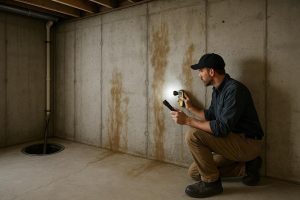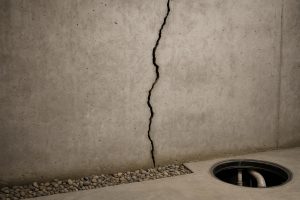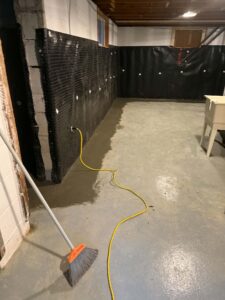
Sump pump maintenance is the set of routine inspections, cleaning tasks and functional tests that keep your pump ready to move water before it reaches your basement floor. A properly maintained sump pump is your primary mechanical defence against basement flooding, and neglecting it is one of the most common reasons pumps fail at the worst possible moment. This guide covers every maintenance task, how often to do it, what warning signs to watch for and when to call a professional.
Key takeaways
- Test your sump pump at least four times a year and always before spring thaw and major storm seasons.
- Clean the pit, inlet screen and discharge line annually to prevent clogs and motor strain.
- A battery backup or water-powered backup pump is essential protection during power outages.
- Most sump pumps have a service life of roughly 7 to 10 years; age is a key factor in replacement decisions.
- Maintenance does not replace waterproofing: a pump manages water that has already entered the drainage system, while waterproofing stops it at the wall.
Definitions & scope
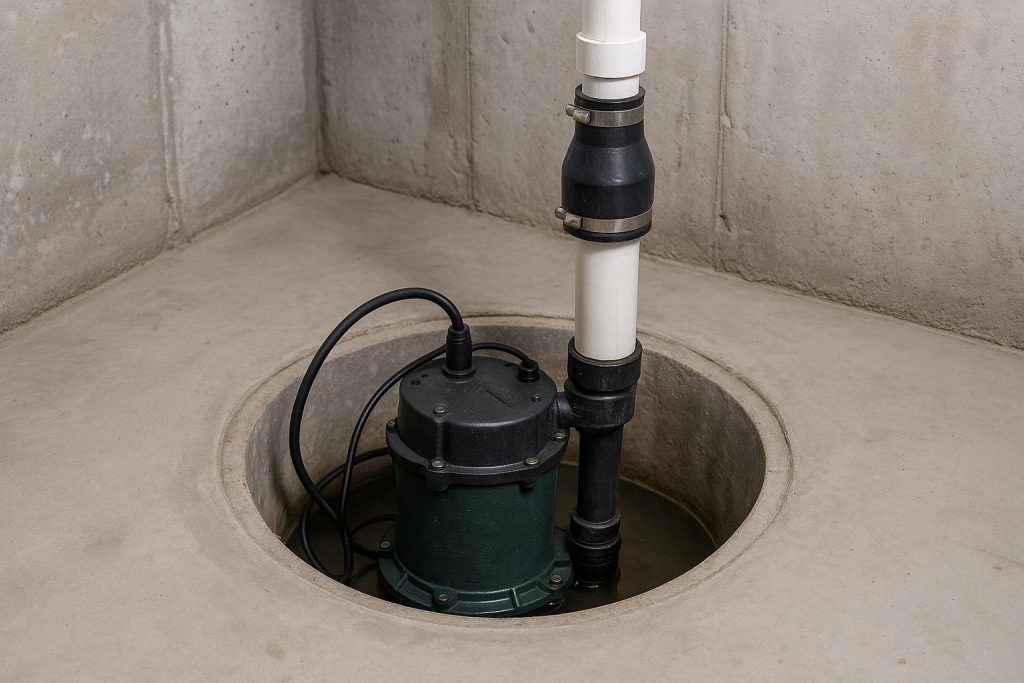
A sump pump is a submersible or pedestal electric pump installed in a pit (the sump basin) at the lowest point of a basement or crawl space. When groundwater or drainage water rises to a set level, a float switch activates the pump, which pushes water through a discharge pipe to a safe outlet away from the foundation.
Sump pump maintenance refers to all tasks that keep this system functioning reliably: inspecting mechanical and electrical components, cleaning debris from the pit and screen, testing the float switch and check valve, verifying the discharge path and confirming backup power is operational. It does not include foundation waterproofing, weeping tile repair or structural crack repair, which are separate but complementary systems. Understanding this scope matters because a well-maintained pump working inside a poorly waterproofed system is still a partial solution.
This guide applies to residential submersible and pedestal sump pumps in Ontario homes, including seasonal cottages where freeze-thaw cycles and spring snowmelt create intense, concentrated demand on the pump system.
Why this matters
Ontario’s climate creates predictable high-demand periods for sump pumps. Spring snowmelt, heavy summer thunderstorms and autumn rain events can saturate soil rapidly, raising the water table against foundation walls. In areas with clay-heavy soils common across the GTA, water drains slowly and hydrostatic pressure builds quickly. A pump that has sat idle through winter is asked to perform at full capacity the moment conditions change.
Power outages frequently coincide with the same storms that produce the heaviest rainfall. Without a functioning backup system, a primary pump failure during a storm can result in significant basement flooding within hours. Water damage to finished basements, mechanical systems, stored belongings and structural materials is costly and disruptive.
Beyond flooding, a neglected pump can run continuously without moving water (dry-running), overheat and burn out its motor. Debris accumulation in the pit can jam the float switch in the off position, meaning the pump never activates when needed. Algae and sediment buildup can clog the inlet screen and reduce flow capacity.
Routine maintenance is also relevant to home insurance. Some Ontario insurers require evidence of a functioning sump pump as a condition of sewer backup coverage. Verifying your policy terms is advisable; DryShield does not provide insurance advice. For context on what insurance typically covers, see our guide on home insurance and basement waterproofing in Ontario.
Your options
DIY routine maintenance
What it is: Homeowner-performed inspections and cleaning tasks carried out on a scheduled basis without professional involvement.
How it works: You pour water into the pit to trigger the float switch, inspect the discharge line for blockages, clean the inlet screen, check the check valve for backflow and listen for unusual motor sounds. Tasks take 20 to 40 minutes per session.
Best for: Pumps under five years old in good condition, homeowners comfortable with basic mechanical inspection and homes with accessible, well-lit pump pits.
Limitations: DIY inspection cannot assess internal motor wear, impeller condition or electrical connections inside the pump housing. It also cannot identify early-stage weeping tile failure that may be overloading the pump.
Annual professional inspection
What it is: A scheduled visit by a waterproofing or pump specialist who performs a comprehensive mechanical and electrical assessment of the entire sump system.
How it works: The technician tests pump output volume, checks amperage draw against the motor’s rated specification, inspects the check valve and discharge line, evaluates the pit liner for cracks and assesses whether the pump is appropriately sized for the pit and inflow rate.
Best for: Pumps five years or older, homes with a history of basement flooding, seasonal cottages that are unoccupied for extended periods and any system with a battery backup that requires load testing.
Limitations: Adds a service cost. Scheduling in spring (the busiest period) may require advance booking.
Battery backup system maintenance
What it is: Dedicated maintenance of the secondary pump and its power source, which operates independently of the main electrical supply.
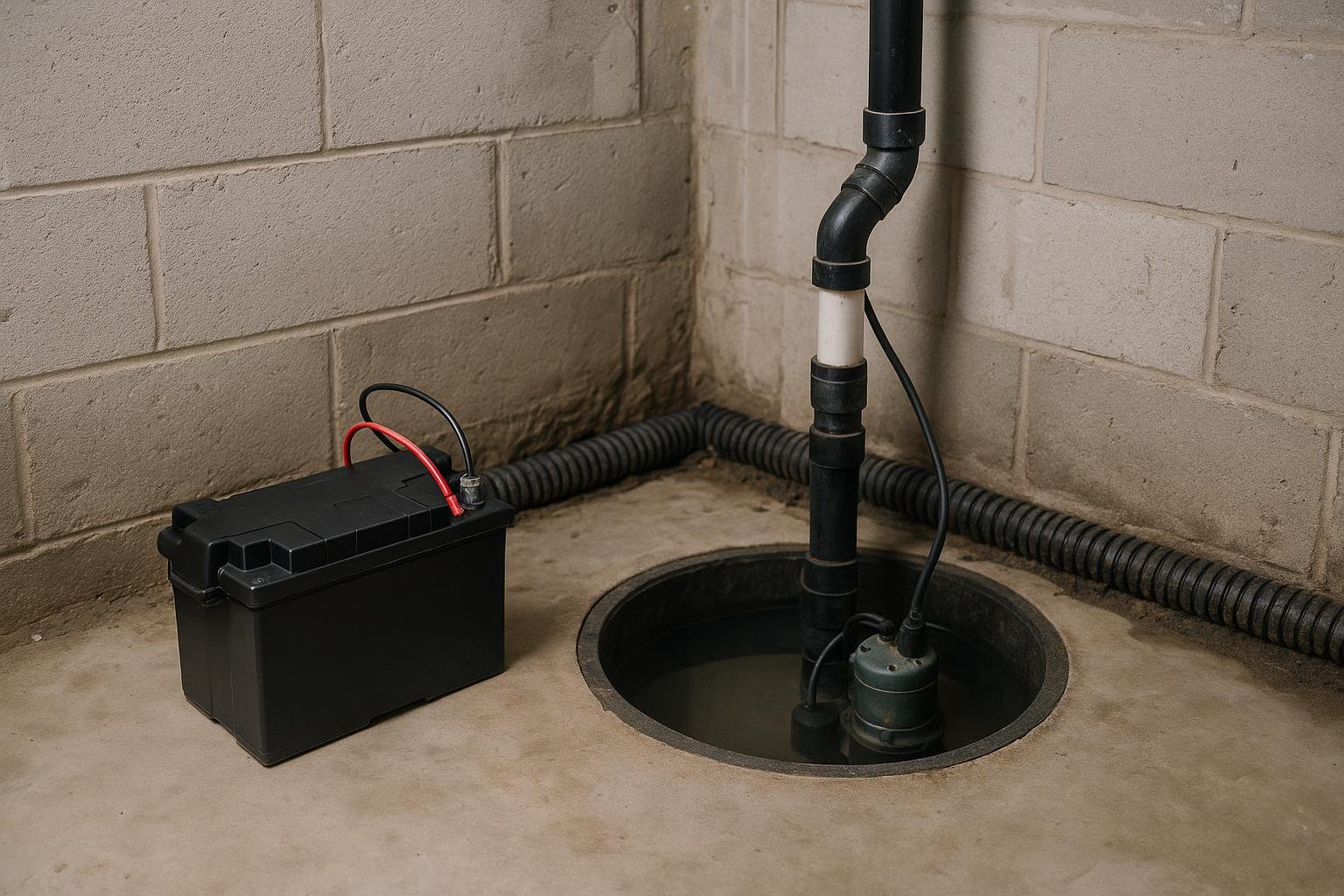
How it works: Sealed lead-acid or AGM batteries require periodic voltage testing and replacement on a manufacturer-specified schedule (typically every 3 to 5 years). The backup pump itself needs the same float switch and discharge testing as the primary unit. Monitoring systems with cellular or Wi-Fi alerts require firmware and connectivity checks.
Best for: Any home in an area prone to storm-related power outages, and all seasonal or unoccupied properties. See our detailed guide on sump pumps for seasonal and unoccupied cottages.
Limitations: Battery capacity degrades over time regardless of use. A battery that passes a basic voltage test may still lack the reserve capacity to run the pump through a prolonged outage. Load testing under simulated pump demand is more reliable than voltage testing alone.
Discharge line and check valve maintenance
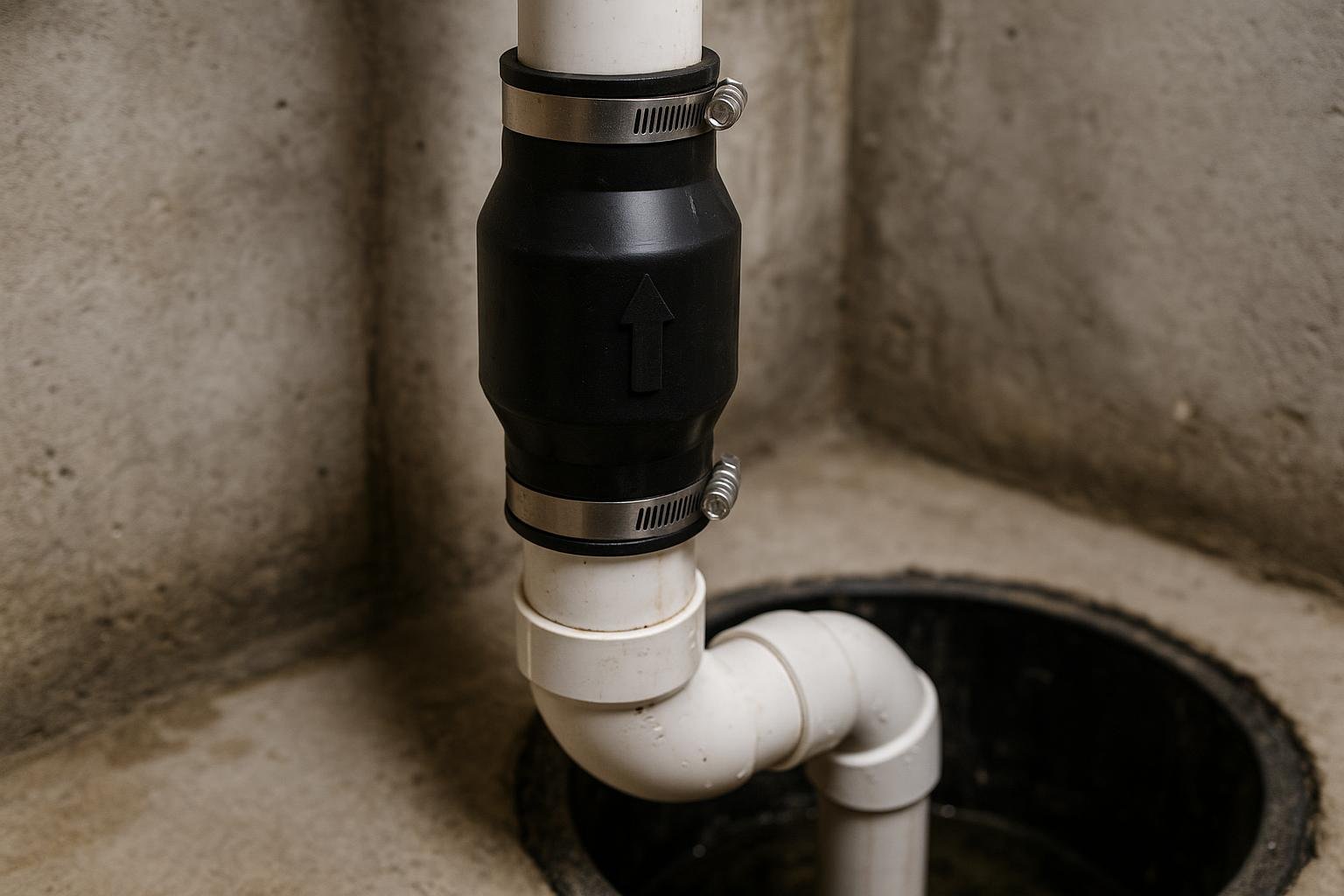
What it is: Inspection and clearing of the pipe that carries water from the pump to its outdoor outlet, and the one-way valve that prevents discharged water from flowing back into the pit.
How it works: The discharge line is traced from the pump to the exterior outlet. The outlet is checked for ice blockage in winter, debris nesting in spring and proper slope away from the foundation. The check valve is tested by listening for backflow after the pump cycles off; a functioning valve produces a brief water-drop sound, not a sustained gurgle.
Best for: All sump pump systems; this is not optional maintenance. A blocked discharge line causes the pump to run continuously against a closed system, overheating the motor.
Limitations: Discharge lines buried underground cannot be visually inspected without camera equipment. If the outlet location is unknown, a plumber or waterproofing contractor may be needed to trace it.
Pit and inlet screen cleaning
What it is: Physical removal of sediment, gravel, debris and biological growth from the sump basin and the pump’s inlet screen or filter.
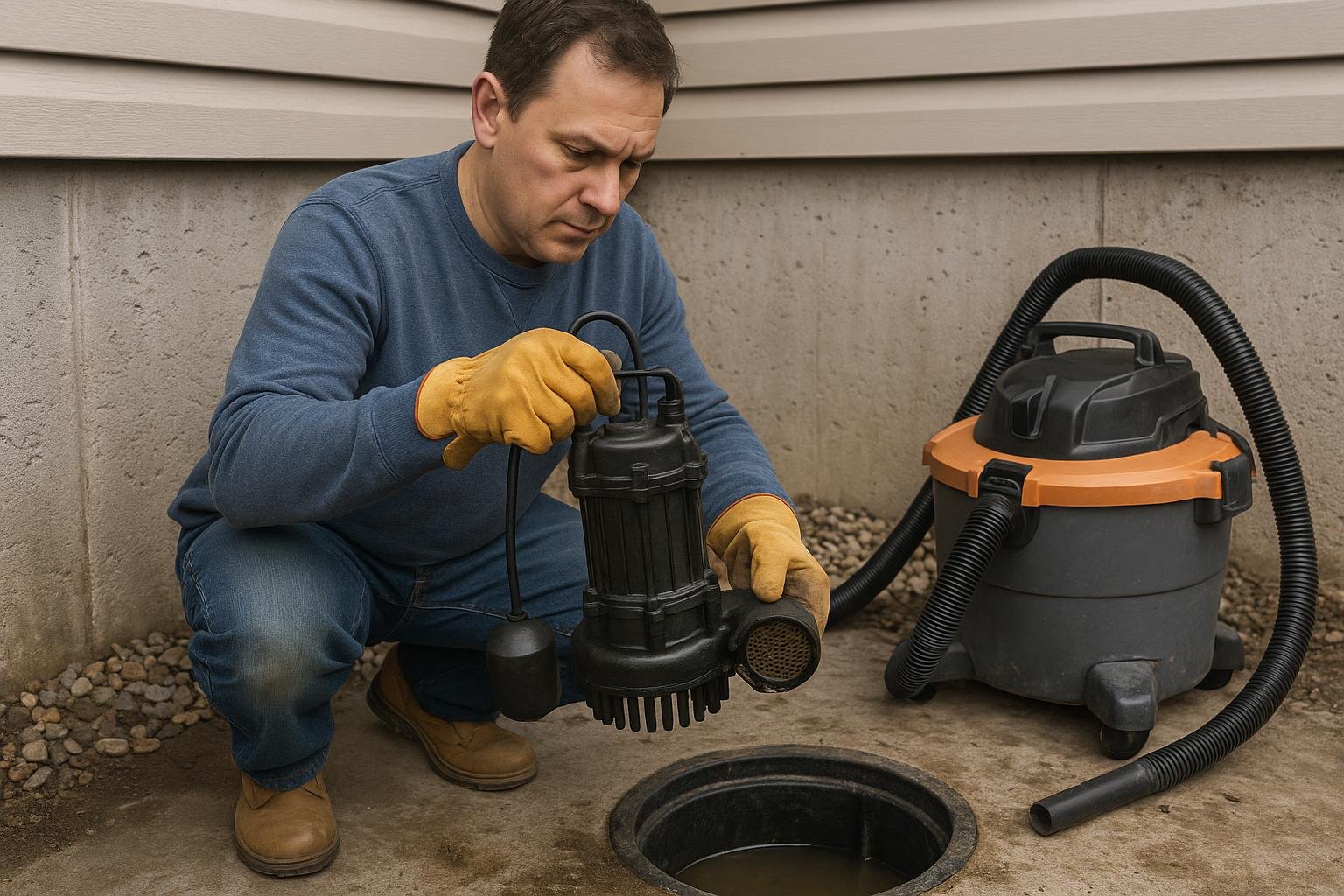
How it works: The pump is disconnected from power, lifted from the pit and the screen is rinsed with clean water. The pit is scooped or vacuumed clear of accumulated material. The pit liner is inspected for cracks that could allow soil infiltration.
Best for: Pits in older homes where the liner may be deteriorating, homes near construction activity and any system where the pump has been running more frequently than usual.
Limitations: In pits with active water inflow, cleaning must be timed carefully. Heavily silted pits may indicate that the weeping tile system is failing and sending fine particles into the basin, which is a separate repair issue.
Smart monitoring and sensor maintenance
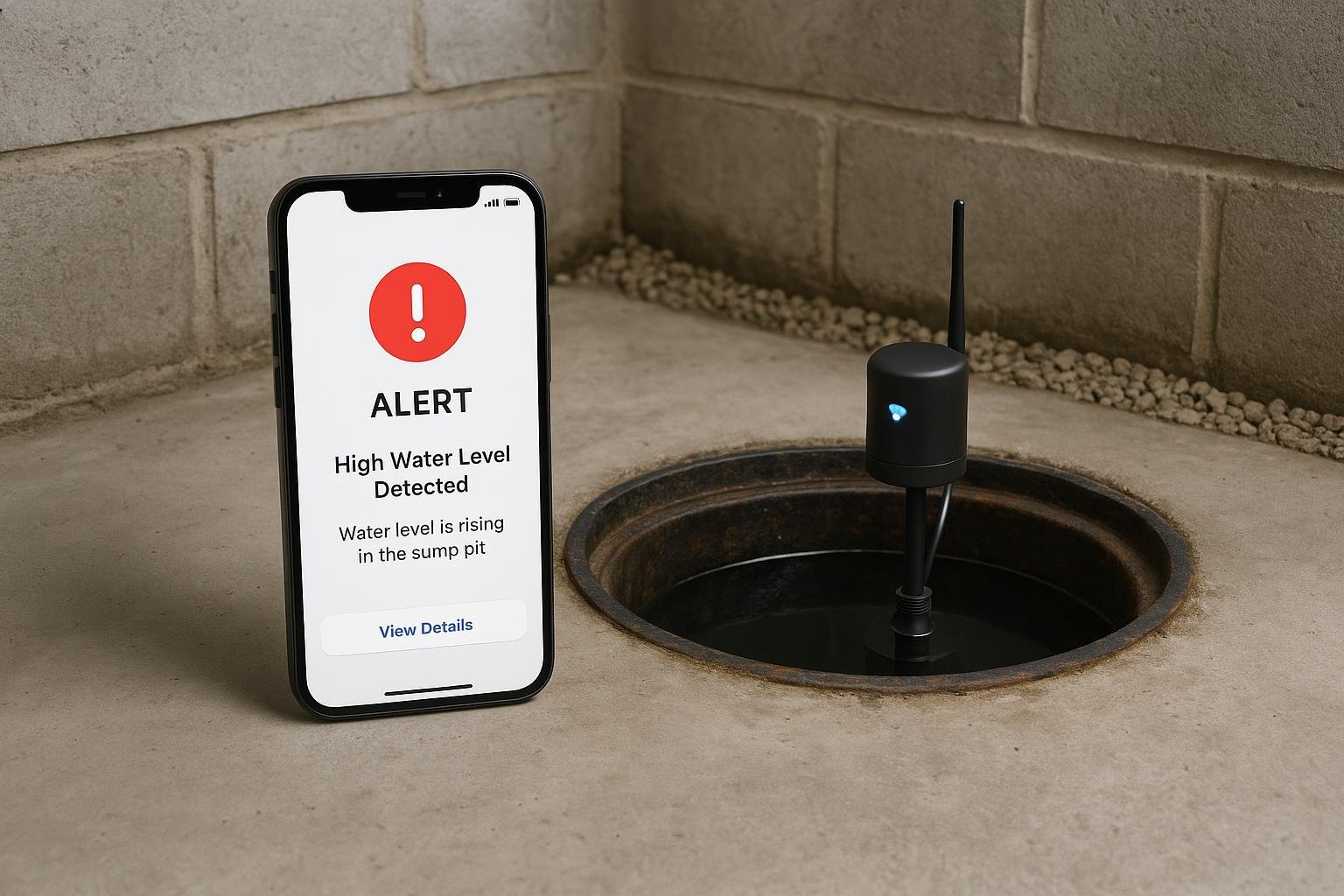
What it is: Maintenance of Wi-Fi or cellular connected sensors that monitor water level, pump run time, power status and temperature, sending alerts to a smartphone.
How it works: Sensors are tested by simulating a high-water condition. Alert routing is verified. Battery backup for the sensor unit itself is checked. For a detailed testing protocol, see our guide on how to test smart sump pump sensors.
Best for: Seasonal cottages, rental properties and any home where the owner travels frequently.
Limitations: Sensors require a reliable internet or cellular connection. A sensor that loses connectivity during a storm provides no alert value. Redundant notification methods (audible alarm plus remote alert) are more reliable than remote alert alone.
Options compared
| Maintenance type | Best for | Typical considerations | Durability / limitations |
|---|---|---|---|
| DIY routine maintenance | Newer pumps, capable homeowners | Low cost; requires time and basic comfort with mechanical tasks | Cannot assess internal wear; misses early motor degradation |
| Annual professional inspection | Pumps 5+ years old; flood-history homes | Service fee applies; provides amperage and output data | Most thorough assessment; scheduling demand peaks in spring |
| Battery backup maintenance | All homes; essential for cottages | Battery replacement every 3-5 years; load testing preferred | Capacity degrades silently; voltage test alone is insufficient |
| Discharge line and check valve | All sump systems; non-optional | Seasonal checks for ice or debris at outlet | Buried sections require camera inspection if blockage suspected |
| Pit and inlet screen cleaning | Older pits; high-sediment environments | Annual cleaning recommended; pump must be de-energised first | Heavy silt may signal weeping tile failure requiring separate repair |
| Smart monitoring | Unoccupied or seasonal properties | Requires reliable connectivity; sensor battery needs checking | Connectivity loss during storms reduces alert reliability |
No single maintenance type is sufficient on its own. DIY quarterly checks combined with an annual professional inspection form the most practical baseline for occupied homes. Battery backup maintenance and smart monitoring add meaningful protection for properties that are unoccupied for any period. Discharge line and pit cleaning are non-negotiable components of any maintenance plan, regardless of how new or capable the pump is.
How to choose
The right maintenance approach depends on your pump’s age, your property’s occupancy pattern and your local risk profile.
Choose DIY quarterly checks as your baseline if your pump is under five years old, you are comfortable lifting the pump for screen cleaning and your basement has no history of flooding. Supplement with a professional inspection every two to three years.
Choose annual professional inspection as a priority if your pump is five years old or older, you have experienced a near-miss or actual flood event, your pit accumulates heavy sediment or you are unsure whether the pump is correctly sized for your drainage system.
Choose battery backup maintenance as an immediate priority if your backup battery has not been load-tested in the past two years, your home is in an area with frequent storm-related power outages or your property is a seasonal cottage. If you do not yet have a backup system, consider whether your current setup is adequate before the next storm season.
Choose smart monitoring if you travel frequently, own a rental property or have a cottage that sits unoccupied for weeks at a time. Remote alerts allow you to respond before minor pump issues become major flooding events.
Consider full system evaluation if your pump runs more frequently than it used to, your basement has developed new dampness or your weeping tile system is of unknown age. Increased pump run time can indicate that the drainage system is working harder to compensate for a deteriorating waterproofing layer. In that case, maintenance alone is not the complete answer. See our overview of sump pump installation services and our guide on waterproofing a basement for context on the broader system.
Costs & timelines
DryShield does not publish fixed maintenance prices here because service costs vary by pump type, system complexity, geographic location and current market conditions. The following cost drivers are listed in order of typical impact on the final cost of a maintenance visit or repair.
| Rank | Cost driver | Why it matters |
|---|---|---|
| 1 | Battery backup replacement | AGM or sealed lead-acid batteries are the most common scheduled replacement cost; frequency depends on battery type and usage |
| 2 | Pump replacement vs. repair | A pump nearing end of service life may cost more to repair than replace; motor and impeller parts are not always available for older units |
| 3 | Check valve and discharge line repair | Replacing a failed check valve or repairing a cracked or blocked discharge line adds parts and labour |
| 4 | Professional inspection fee | Varies by provider and region; spring scheduling (peak demand) may carry a premium |
| 5 | Pit liner repair or replacement | A cracked or deteriorated pit liner allows soil infiltration and may require partial excavation to address properly |
| 6 | Smart sensor installation | One-time hardware cost plus any subscription for cellular monitoring; varies widely by product |
DIY maintenance tasks (testing, cleaning, visual inspection) carry no direct labour cost beyond your time. The largest unplanned expense is typically an emergency pump replacement after failure during a storm, which may also include water damage remediation costs. Planned replacement of an aging pump is almost always less expensive than emergency replacement plus flood cleanup. For broader context on waterproofing system costs, see our basement waterproofing cost guide.
Risks & common mistakes
Skipping the float switch test. The float switch is the most common point of failure. Debris can hold it in the off position so the pump never activates, or in the on position so the pump runs continuously and burns out. Testing by pouring water into the pit takes two minutes and should be done every season.
Ignoring the discharge outlet. In Ontario winters, the outdoor discharge outlet can freeze solid. A pump pushing water against a frozen pipe will either burn out its motor or force water back into the pit. Check the outlet in late autumn before freeze-up and again in early spring.
Assuming a running pump is a working pump. A pump that activates but is not moving water (due to a jammed impeller, blocked discharge or failed check valve) sounds normal but provides no protection. Confirm water is actually exiting the discharge outlet during a test cycle.
Neglecting the backup system. Many homeowners install a battery backup and never test it again. Batteries degrade silently. A backup battery that has not been load-tested may appear charged but lack the capacity to run the pump through a two-hour outage.
Undersized pit or pump. If a pump runs almost continuously during heavy rain, it may be undersized for the inflow rate, or the pit may be too small to provide adequate cycle time. Continuous short-cycling reduces motor life significantly. This is a design issue, not a maintenance issue, and requires professional assessment.
Pouring bleach into the pit routinely. While a dilute bleach solution is sometimes recommended for odour control, excessive or frequent use can degrade rubber seals and gaskets inside the pump. Follow the pump manufacturer’s guidance on cleaning agents.
Treating the pump as the only waterproofing layer. A sump pump is the last line of defence, not the first. If your foundation walls are cracking or your weeping tile is failing, the pump is compensating for a larger problem. See our guide on how to stop water seeping through foundation walls for context on addressing the source.
If your pump has already failed and your basement has flooded, see our emergency resource on what to do when your sump pump fails and your basement floods.
How the process works
A complete sump pump maintenance session follows these steps, whether performed by a homeowner or a professional technician.
- Disconnect power safely. Unplug the pump or switch off the dedicated circuit breaker before touching any component. Confirm the backup pump is also de-energised if it shares the pit.
- Inspect and clean the pit. Remove the pit cover. Check for debris, sediment and biological growth. Remove accumulated material with a wet-dry vacuum or scoop. Inspect the pit liner for cracks or soil infiltration around the edges.
- Clean the pump and inlet screen. Lift the pump from the pit. Rinse the inlet screen or filter under clean water. Check the impeller opening for gravel or debris. Inspect the pump housing for cracks or corrosion.
- Inspect the check valve and discharge line. Confirm the check valve is oriented correctly (arrow pointing away from the pump). Listen for backflow after a test cycle. Trace the discharge line to the outdoor outlet and confirm it is clear, properly sloped and free of ice or nesting material.
- Restore power and test the float switch. Reconnect power. Pour a bucket of water into the pit slowly until the float triggers the pump. Confirm the pump activates, moves water and shuts off cleanly when the float drops. Go outside and confirm water is exiting the discharge outlet.
- Test the backup system. With the primary pump disconnected from power, simulate a high-water condition to confirm the backup pump activates independently. For battery backups, check the battery charge indicator and, if possible, perform a load test.
- Document and schedule the next check. Note the date, any observations (unusual sounds, slow activation, sediment volume) and the next scheduled maintenance date. If the pump is approaching seven years of age, note it for replacement planning.
Frequently asked questions
How often should I perform sump pump maintenance?
A basic functional test (pour water into the pit, confirm the pump activates and discharges) should be done at least four times a year: before spring thaw, mid-summer, before autumn rains and before winter freeze-up. A full cleaning and inspection, including the pit, screen and discharge line, is appropriate annually. Pumps five years or older benefit from a professional inspection every one to two years.
How do I know if my sump pump float switch is working?
Pour water slowly into the pit until the float rises to its trigger point. The pump should activate automatically. If it does not, the float may be stuck against the pit wall, tangled in the power cord or mechanically failed. Reposition the float so it can move freely and retest. If the pump still does not activate, the switch itself may need replacement. A pump that runs continuously without shutting off is also a float switch problem, typically stuck in the on position.
What should I do if my sump pump is making unusual noises?
A grinding or rattling sound usually indicates debris in the impeller. A high-pitched whine can signal a failing motor bearing. Gurgling after the pump shuts off is often a check valve that is not sealing properly, allowing water to flow back. Each of these sounds warrants investigation before the next heavy rain event. Our guide on sump pump not working covers diagnostic steps for common failure symptoms.
How long does a sump pump typically last?
Most residential sump pumps have a manufacturer-rated service life of 7 to 10 years under normal operating conditions. Pumps in high-demand environments (frequent cycling, heavy sediment, hard water) may reach the end of useful life sooner. Age alone is a valid reason to plan replacement proactively rather than waiting for failure. For a detailed look at failure patterns and replacement timing, see our guide on sump pump failure and replacement.
Does my sump pump need a battery backup?
For most Ontario homes, a battery backup is strongly advisable. The storms that produce the heaviest rainfall are also the storms most likely to cause power outages. A primary pump without backup protection provides no defence during an outage. Seasonal cottages and unoccupied properties have an even stronger case for backup systems combined with remote monitoring, since no one is present to notice a failure.
Can I use my sump pump pit for other drainage?
The sump pit is designed to collect groundwater from the weeping tile or drainage system around the foundation. Routing laundry, floor drain or grey water into the sump pit is not appropriate and may violate local plumbing codes. It also overloads the pump with water volumes and temperatures it is not designed to handle. If your basement floor drain is backing up, that is a separate plumbing issue requiring its own diagnosis.
What is the difference between a submersible and a pedestal sump pump for maintenance purposes?
A submersible pump sits inside the pit with its motor sealed underwater. It is quieter and generally handles debris-laden water better, but the motor is less accessible for inspection. A pedestal pump has its motor mounted above the pit on a vertical shaft, making the motor easier to inspect and service but leaving it exposed to humidity. Both types require the same float switch, check valve and discharge line maintenance; the main difference is motor accessibility and noise level.
My pump runs very frequently even when it has not rained. What does that mean?
Frequent cycling without recent rainfall can indicate a high groundwater table in your area, a cracked pit liner allowing soil water to seep in, a failed check valve causing discharged water to flow back into the pit (making the pump cycle repeatedly), or a neighbour’s downspout or sump discharge directed toward your foundation. A check valve failure is the easiest to diagnose: listen for sustained gurgling after each pump cycle. If the cause is not obvious, a professional assessment of the full drainage system is warranted.
Should I be concerned about my sump pump during winter?
Yes, for two specific reasons. First, the outdoor discharge outlet can freeze, blocking the pipe and causing motor burnout or backflow. Ensure the outlet has a freeze-resistant cover or termination and is not buried under snow. Second, in Ontario cottage country, pumps in seasonally unoccupied properties must either be winterised properly or kept running with freeze protection. Our guide on closing and opening your cottage covers seasonal pump protection in detail.
When does sump pump maintenance stop being enough and waterproofing become necessary?
Maintenance keeps a functioning pump working reliably. It does not address the root causes of water entry: failed waterproofing membranes, cracked foundation walls, deteriorated weeping tile or inadequate grading. If your pump is running at capacity during every rain event, if you are seeing water stains on walls above the floor level or if you have active foundation cracks, the drainage system is compensating for a waterproofing failure. In those cases, maintenance is still important but must be paired with a waterproofing assessment. Our guide on waterproofing versus foundation repair can help clarify which type of work applies to your situation.
If you have questions about your sump pump system or want a professional assessment of your basement drainage, the DryShield team serves Toronto, the GTA and Ontario cottage country. Visit our sump pump installation and service page or contact us to discuss your situation.