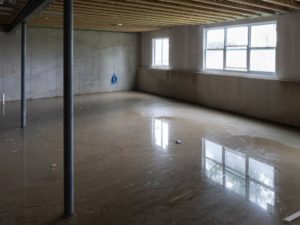
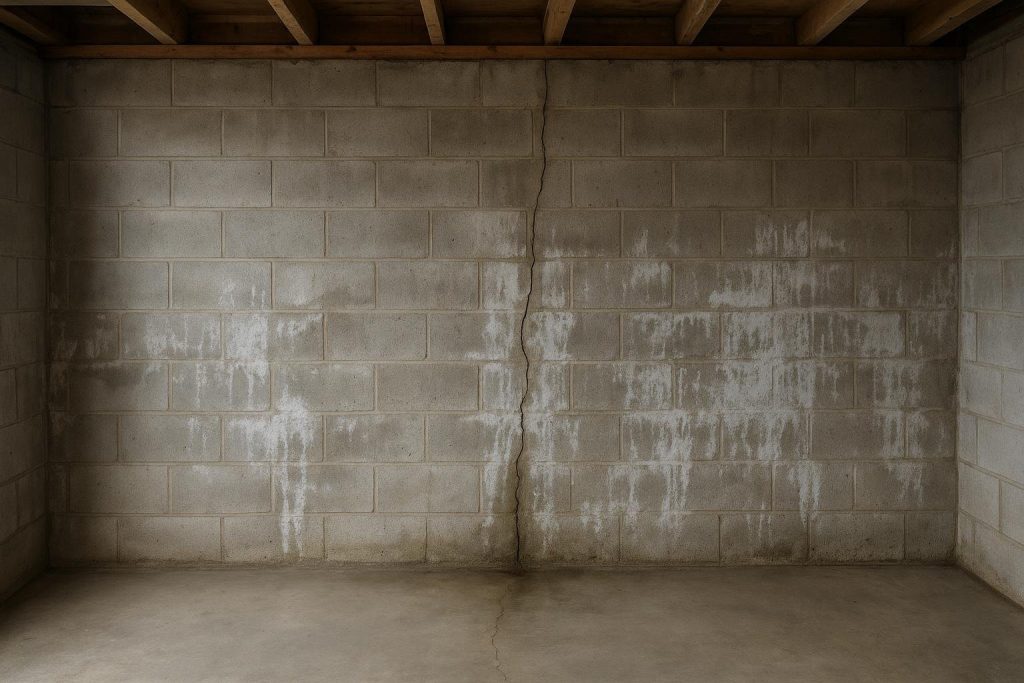
Basement leak repair Oakville homeowners need most often traces back to one root cause: hydrostatic pressure from Oakville’s heavy clay-rich soils pushing groundwater through foundation walls, floor joints, and aging weeping tile. Choosing the right repair method depends on where the water enters, how old the foundation is, and whether the original drainage system has silted up completely. This guide walks through every option, what each costs, and how to decide which approach fits your home.
Key Takeaways
- Oakville’s clay-heavy soil holds water against foundation walls, making hydrostatic pressure the most common driver of basement leaks in the area.
- A single foundation crack injected with polyurethane from the interior typically falls in the $600 to $900 range; full exterior waterproofing of an average detached home runs roughly $6,000 to $9,000.
- Interior weeping tile systems cost less and cause less disruption than exterior excavation, but exterior work addresses the source of water at the wall face.
- Spring thaw and heavy summer downpours are the two peak failure windows for Oakville foundations.
- A free on-site inspection is the only reliable way to confirm which method is right before committing to any repair.
Definitions and Scope
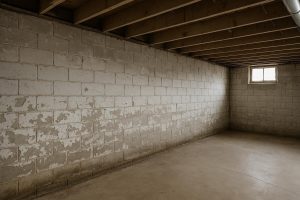
Basement leak repair covers any professional intervention that stops water from entering a below-grade living space through foundation walls, floor slabs, wall-floor joints, or window wells. In Oakville, the term typically applies to poured concrete foundations built from the 1960s onward, though some older homes in the Old Oakville and Bronte neighbourhoods have block foundations that behave differently under hydrostatic pressure.
The repair scope ranges from a single low-pressure polyurethane crack injection on a hairline wall crack, all the way to a full perimeter exterior waterproofing system with new weeping tile, a rubberised membrane, and a dimpled drainage board installed down to the footing. Somewhere in between sits interior weeping tile, sump pump installation, and parging repairs. Each method targets a specific failure mode, so correct diagnosis always comes before method selection.
Oakville sits within Halton Region, where municipal storm sewer capacity and lot grading standards are regulated under the Ontario Building Code. Any excavation deeper than 1.2 metres adjacent to a foundation requires a permit in most Halton municipalities, so confirm permit requirements with the Town of Oakville before exterior work begins.
Why This Matters for Oakville Homeowners
Oakville’s soil profile is dominated by Halton till, a dense, poorly draining clay-rich glacial deposit that sits just below the topsoil across most of the town. When rain falls or snow melts, that clay holds moisture against foundation walls for days or weeks rather than letting it drain away quickly. The result is sustained hydrostatic pressure, which is not just a surface dampness problem. It is a continuous lateral force pushing water through any crack, cold joint, or gap in the parging.
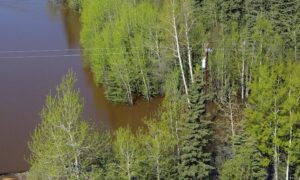
Spring thaw is the most dangerous window. Oakville typically sees significant snowpack through February and March, and when temperatures climb in April, the melt saturates the clay before the ground has fully thawed at depth. Water has nowhere to go except sideways, directly into foundation walls. Summer convective storms, which have become more intense across the western GTA in recent years, create a second peak failure window when large volumes of water hit the ground faster than storm drains can handle.
Older Oakville homes, particularly those built before 1980, commonly have original clay weeping tile that has fully silted up and no longer drains. When that system fails, the entire hydrostatic load transfers to the foundation wall itself.
Ignoring a slow seep is rarely safe. Water that enters through a wall crack carries dissolved minerals that deposit as white efflorescence on the concrete surface, and sustained moisture creates the conditions for mould growth within 24 to 48 hours of a saturation event. Structural concerns arise when horizontal cracks appear in block foundations or when vertical cracks in poured walls widen beyond 6 mm, signalling that the wall is deflecting under soil pressure. The Canada Mortgage and Housing Corporation recommends addressing any active basement moisture before it compromises insulation, framing, or finished materials.
Your Options for Basement Leak Repair in Oakville
Polyurethane Crack Injection
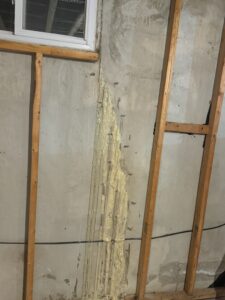
Low-pressure polyurethane injection is the fastest and least disruptive fix for an isolated vertical or diagonal crack in a poured concrete wall. A technician drills ports into the crack face at regular intervals, pastes surface caps over them, then injects expanding polyurethane foam under low pressure. The foam travels the full depth of the crack and cures flexible, which matters in Oakville because seasonal freeze-thaw cycles cause minor foundation movement every year. A flexible seal tolerates that movement without re-cracking.
This method works best for non-structural cracks up to about 6 mm wide. It does not address the underlying drainage problem if the weeping tile has failed, and it is not appropriate for horizontal cracks, which indicate lateral soil pressure and may require an engineer’s assessment. Cost typically falls in the $600 to $900 range per crack, depending on length and depth.
Epoxy Crack Injection
Epoxy injection is reserved for structural cracks where the two sides of the wall must be re-bonded into a single rigid unit. Epoxy cures much harder than polyurethane and restores compressive strength to the wall section. The trade-off is that epoxy is rigid, so it can re-crack if the foundation continues to move. A structural engineer should assess any crack before epoxy is specified, particularly in Oakville homes where differential settlement in clay soils is a known issue.
Interior Weeping Tile System
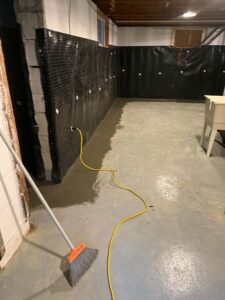
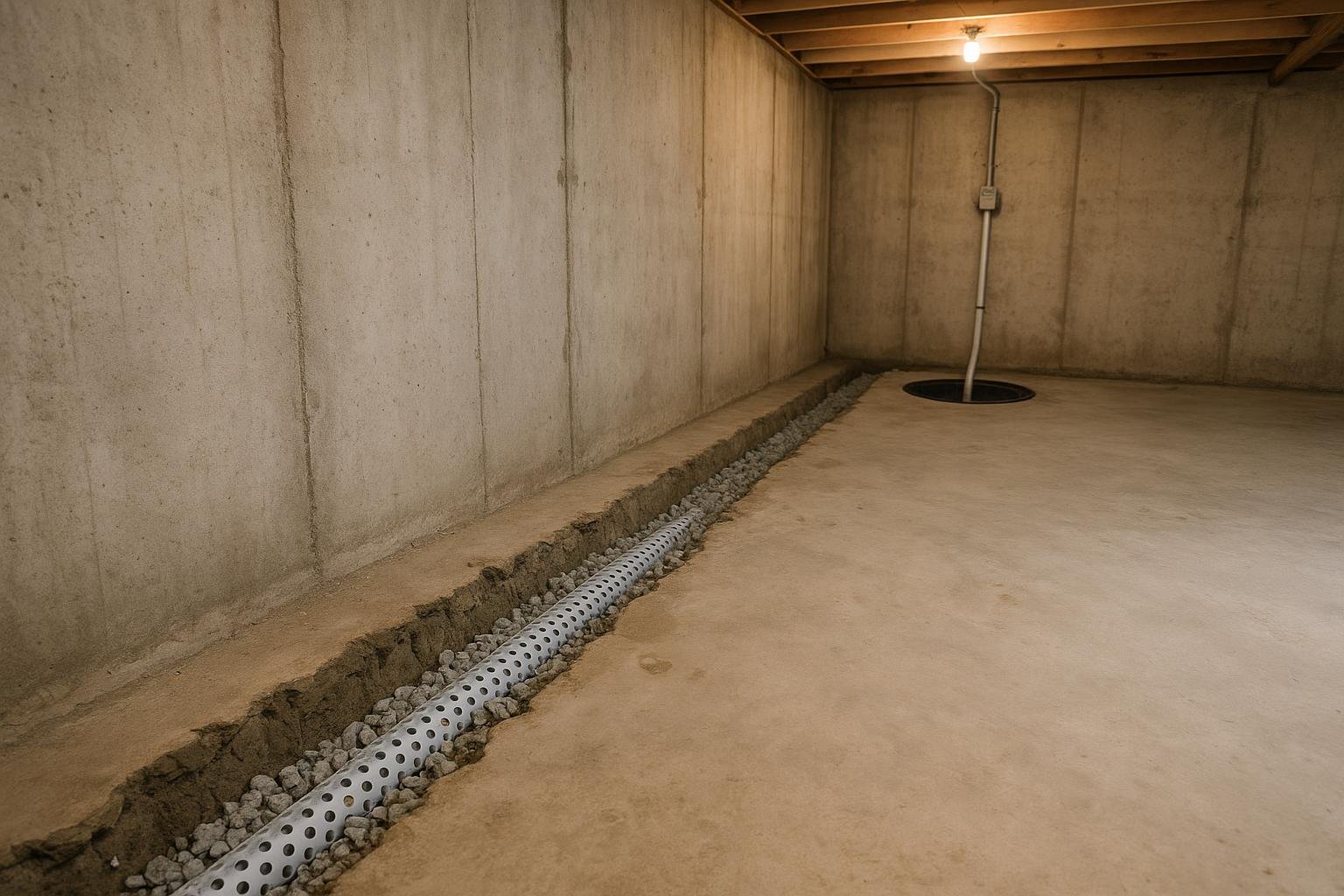
When basement leak repair Oakville homeowners require addresses water entering along the wall-floor joint or seeping through the lower portion of the wall, an interior weeping tile system is often the most practical solution. The process involves jackhammering a channel around the inside perimeter of the basement, installing a perforated drainage pipe bedded in clear stone, routing that pipe to a sump basin, and then re-pouring the concrete. A vapour barrier is applied up the wall face to direct any future seepage into the channel rather than onto the floor.
Interior systems do not stop water from entering the wall, but they intercept it before it reaches the living space and discharge it safely through the sump pump. This approach suits Oakville homes where exterior excavation is impractical due to finished landscaping, decks, or tight lot lines. It is also the lower-cost perimeter option compared to full exterior work.
Exterior Waterproofing
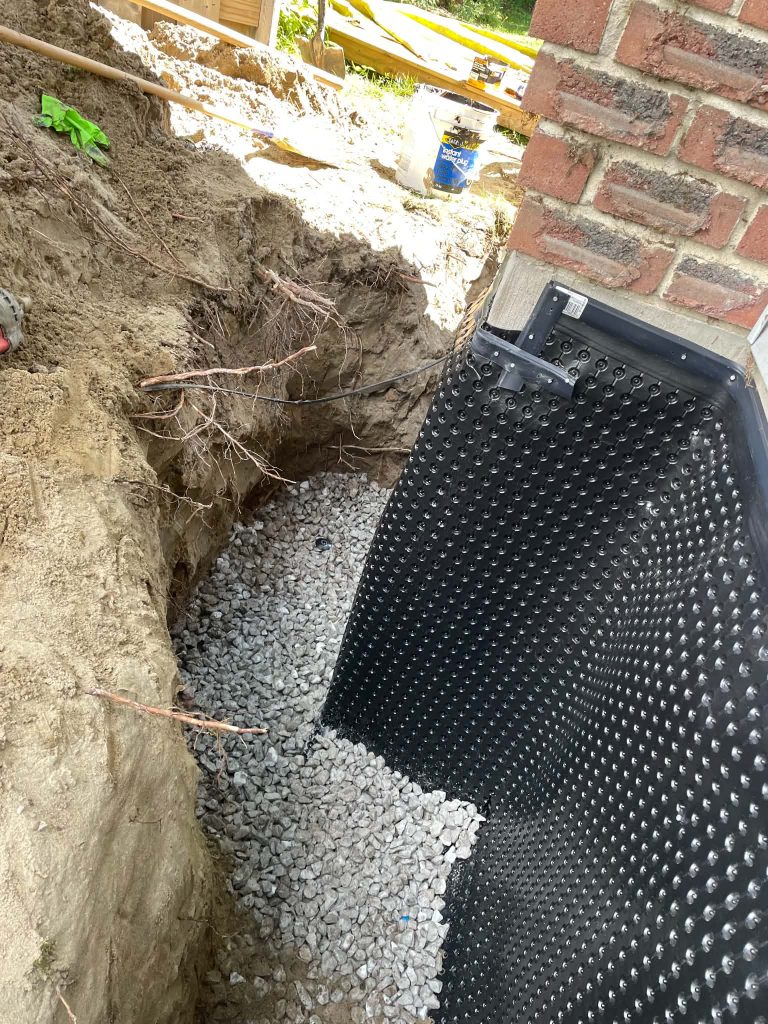
Exterior waterproofing is the most comprehensive repair available. The process requires excavating the soil away from the foundation wall down to the footing, cleaning and parging any voids in the concrete, applying a rubberised waterproofing membrane to the wall face, installing a dimpled drainage board to protect the membrane and channel water downward, laying new weeping tile in clear stone at the footing level, and then backfilling with corrected grade to direct surface water away from the house.
This approach addresses the source of the problem rather than managing water after it enters. For an average Oakville semi-detached or detached home, the investment typically runs $6,000 to $9,000 depending on linear footage, depth of excavation, and site access. Homes with mature trees, interlocking stone driveways, or finished gardens close to the foundation will sit toward the higher end of that range.
Sump Pump Installation or Replacement
A sump pump is not a waterproofing method on its own, but it is an essential component of any interior drainage system and a critical backup for homes in low-lying Oakville neighbourhoods near Sixteen Mile Creek or Bronte Creek. A properly sized submersible pump with a battery backup unit protects against power outages during the storms that most often cause flooding. Pump capacity should be matched to the volume of water the drainage system is expected to handle during a peak event.
Grade Correction and Window Well Drainage
Sometimes the fix is simpler than a full waterproofing system. Negative grade, where the soil slopes toward the foundation rather than away from it, can direct hundreds of litres of surface water against the wall during a single rainstorm. Correcting the grade and extending downspout extensions at least 1.8 metres from the foundation wall is a low-cost first step that reduces hydrostatic load on any subsequent repair. Blocked or undersized window wells are a separate but related issue that can be resolved with proper well covers and a gravel drainage bed at the base.
Options Compared
| Method | Best For | Typical Lifespan | Relative Cost | Disruption Level |
|---|---|---|---|---|
| Polyurethane crack injection | Isolated non-structural wall cracks | Long-term if crack is stable | Lowest ($600 to $900 per crack) | Minimal, interior access only |
| Epoxy crack injection | Structural cracks requiring re-bonding | Permanent if movement stops | Low to moderate | Minimal, interior access only |
| Interior weeping tile system | Perimeter seepage, failed original tile | 20 to 30 years with pump maintenance | Moderate | Moderate, jackhammer work indoors |
| Exterior waterproofing | Persistent wall seepage, failed membrane | 25 years or more | Highest ($6,000 to $9,000 typical) | High, full excavation required |
| Sump pump installation | Complement to drainage systems | 7 to 10 years per pump unit | Low to moderate | Low, pit excavation only |
| Grade correction | Surface water management | Ongoing with landscape maintenance | Lowest | Low |
Polyurethane injection is the right starting point when a single crack is the confirmed entry point and the surrounding drainage system is still functional. Interior weeping tile becomes the practical choice when multiple entry points exist or when the original weeping tile has silted up but exterior excavation is not feasible. Exterior waterproofing delivers the most complete solution for homes with persistent, widespread seepage, particularly in Oakville’s older subdivisions where the original drainage infrastructure is decades past its service life.
How to Choose the Right Repair
Start by identifying where the water actually enters. A single damp patch on a wall that appears only after heavy rain and corresponds to a visible crack is a strong indicator that crack injection will resolve the problem. Water appearing along the entire base of the wall after spring thaw, or seeping up through the floor slab, points to a failed perimeter drainage system that requires weeping tile work.
Choose polyurethane crack injection if the crack is vertical or diagonal, the wall is otherwise dry, and the entry point is clearly isolated to that crack.
Choose an interior weeping tile system if water enters along the wall-floor joint, if multiple sections of wall are damp, or if exterior excavation is blocked by a deck, driveway, or mature tree within 1.5 metres of the foundation.
Choose exterior waterproofing if the original membrane has failed, if the home has never been waterproofed, or if you want the most durable long-term solution and site access allows excavation. Basement leak repair Oakville projects in Glen Abbey or River Oaks, where lots are generally larger and access is less restricted, are often good candidates for exterior work.
Choose grade correction and downspout extensions first if the soil visibly slopes toward the house and no interior moisture has appeared yet. This is a preventive step, not a repair for an active leak.
No repair method should be selected without a physical inspection. Water can travel along rebar, through cold joints, or behind parging before it appears on the interior surface, making the visible entry point misleading without a proper moisture assessment.
Costs and Timelines
| Cost Driver | Why It Affects Price | Approximate Impact |
|---|---|---|
| Linear footage of foundation | More wall length means more membrane, drainage board, and weeping tile | Primary driver for perimeter systems |
| Depth of excavation | Deeper footings require more labour and equipment time | Significant for exterior work |
| Site access | Tight lots, decks, or landscaping increase excavation complexity | Can add 15 to 30% to exterior jobs |
| Number of cracks | Each crack injection is priced individually at $600 to $900 | Scales directly with crack count |
| Condition of existing weeping tile | Fully silted tile requires complete replacement rather than supplementing | Increases interior system cost |
| Sump pump specification | Battery backup and higher-capacity units cost more upfront | Moderate add-on cost |
All price ranges quoted here are approximate and based on typical completed jobs in the Oakville and western GTA area. The final figure for any home depends on a site inspection, because foundation depth, soil conditions, and access vary significantly even between neighbouring properties. A written scope with linear-foot pricing is the clearest way to compare quotes from different contractors.
Timeline for crack injection is typically one day or less. Interior weeping tile systems for an average Oakville basement take two to three days. Full exterior waterproofing of a detached home runs three to five days depending on excavation length and backfill conditions. When budgeting for basement leak repair Oakville homeowners should always request a written quote after a site inspection rather than relying on phone estimates alone.
Risks and Common Mistakes
| Symptom | Likely Cause | Correct Fix |
|---|---|---|
| Damp patch on wall after rain, visible crack nearby | Water tracking through a shrinkage crack | Polyurethane crack injection |
| Water along entire base of wall after thaw | Failed or silted weeping tile, hydrostatic pressure | Interior or exterior weeping tile replacement |
| Water seeping up through floor slab | High water table, no sub-slab drainage | Interior drainage system with sump pump |
| White chalky deposits on wall surface | Mineral-laden water evaporating through concrete (efflorescence) | Identify and seal the water entry point |
| Horizontal crack in block wall | Lateral soil pressure, possible structural deflection | Engineer assessment before any waterproofing |
The most common mistake Oakville homeowners make is applying hydraulic cement or a paint-on waterproofing product to the interior wall surface and assuming the problem is solved. These products can slow seepage temporarily, but they do not relieve hydrostatic pressure. Water will eventually find another path, often through the floor joint or an adjacent section of wall, and the delay means more moisture has been working against the foundation in the meantime.
A second frequent error is replacing a sump pump without addressing why the pit fills so quickly. If the original weeping tile is silted, the pump is working against a drainage system that no longer functions. The pump will run continuously during wet periods, shorten its own service life, and still allow water to back up if power is lost. Fixing the drainage system first reduces the load on the pump and makes the backup battery meaningful rather than essential.
Skipping the permit for exterior excavation is a third risk. Halton Region and the Town of Oakville have specific requirements for work near foundations, and unpermitted excavation can create complications at the time of resale.
How the Repair Process Works
- Free on-site inspection and moisture assessment. A technician examines the foundation walls, floor slab, window wells, and exterior grade. Moisture readings are taken at multiple points to distinguish active seepage from historic staining.
- Written scope with linear-foot pricing. Based on the inspection findings, a written proposal identifies the entry points, the recommended method, the materials specified, and the cost broken down by task.
- Preparation and protection. Interior contents near the work area are protected. For exterior jobs, landscaping and hardscaping near the excavation zone are documented before work begins.
- Core repair work. For crack injection, ports are drilled, pasted, and filled under low pressure. For exterior waterproofing, excavation proceeds to the footing, the wall is cleaned and parged, the membrane is applied, drainage board is installed, and new weeping tile is bedded in clear stone. For interior systems, the perimeter is jackhammered, drainage pipe is laid to the sump basin, and concrete is re-poured.
- Backfill and grade correction. Exterior excavations are backfilled in lifts and compacted. Grade is corrected to slope away from the foundation at the minimum slope recommended by the Ontario Building Code.
- Final inspection and documentation. The completed work is reviewed with the homeowner. Warranty documentation is provided, including the terms of DryShield’s lifetime transferable warranty where applicable.
Frequently Asked Questions
How do I know if my Oakville basement leak needs crack injection or full waterproofing?
If the leak is confined to a single visible crack and the rest of the wall is dry, crack injection is usually sufficient. If water appears along the wall-floor joint, across multiple wall sections, or through the floor slab, the drainage system has likely failed and a perimeter solution is needed. A physical inspection is the only reliable way to confirm which applies to your home.
How long does basement leak repair take in Oakville?
Crack injection typically takes a few hours to one day. An interior weeping tile system for an average Oakville basement takes two to three days. Full exterior waterproofing of a detached home generally runs three to five days, depending on the length of wall being excavated and site conditions.
Will the repair smell or create a lot of dust inside the house?
Polyurethane injection produces minimal odour and no significant dust. Interior weeping tile installation involves jackhammering the concrete floor perimeter, which creates concrete dust and noise for the duration of that phase. Proper dust barriers and ventilation reduce the impact on the rest of the home. Exterior work creates no interior disruption at all.
Does Oakville’s clay soil make exterior waterproofing harder?
Clay soil is heavier and stickier than sandy soil, which slows excavation slightly and requires more care during backfill to avoid trapping water pockets against the new membrane. Experienced crews account for this in their scheduling. The clay also means the new weeping tile and drainage board are doing important work, because water will not drain through the surrounding soil quickly on its own.
Is a sump pump enough on its own to stop a wet basement?
A sump pump manages water that has already entered the drainage system. It does not stop water from entering the wall or floor, and it provides no protection if the pump fails during a power outage without a battery backup. A pump works best as part of a complete interior drainage system, not as a standalone fix for an active leak.
What is the difference between polyurethane and epoxy crack injection?
Polyurethane cures flexible and is used for non-structural cracks where seasonal foundation movement is expected. Epoxy cures rigid and re-bonds the two sides of a structural crack to restore wall strength. Using epoxy on a moving crack will cause it to re-crack at the repair boundary. A technician should assess the crack type before selecting the material. For more detail, see the comparison of when crack injection is the right choice versus full waterproofing.
How much does basement leak repair cost in Oakville?
A single crack injection typically costs $600 to $900. Full exterior waterproofing of an average Oakville detached home runs roughly $6,000 to $9,000 depending on linear footage, excavation depth, and site access. Interior weeping tile systems generally fall below the exterior cost. All figures depend on a site inspection, and a written quote is the only reliable basis for budgeting.
Will fixing my basement leak increase my home’s resale value?
A documented, warranted waterproofing repair removes a disclosure obligation and gives buyers confidence in the foundation. Homes with active leaks or visible efflorescence typically attract lower offers or conditional clauses. A transferable lifetime warranty is a tangible asset that passes to the next owner and can support a stronger asking price in Oakville’s competitive real estate market.
Does the Town of Oakville require a permit for exterior waterproofing?
Excavation adjacent to a foundation that exceeds 1.2 metres in depth typically requires a building permit under the Ontario Building Code and Halton Region bylaws. Your contractor should confirm permit requirements before work begins. Unpermitted excavation can create complications at resale and may void some warranty protections.
What should I do immediately when I notice a basement leak?
Move any stored items away from the wet area to prevent mould contact. Place a dehumidifier in the space if you have one. Do not apply hydraulic cement or waterproofing paint as a permanent fix. Document the location and extent of the moisture with photos, note whether it appeared after rain or thaw, and arrange an inspection as soon as possible. Early action limits the damage to insulation, framing, and finishes.
Basement leak repair Oakville homeowners can rely on starts with a free on-site inspection. The DryShield Team offers a written assessment with no obligation. Visit the Oakville basement waterproofing and foundation crack repair page to learn more about the full range of services available in your area, or use the basement leak repair services page to request your inspection today. For a broader look at what drives waterproofing costs across southern Ontario, the basement waterproofing cost guide provides a useful reference before your appointment.