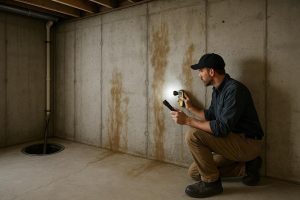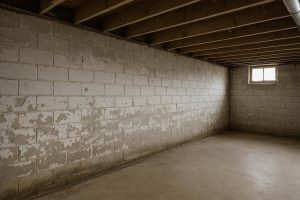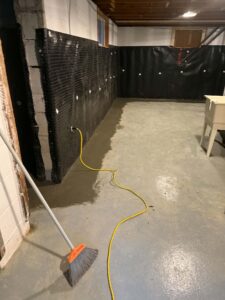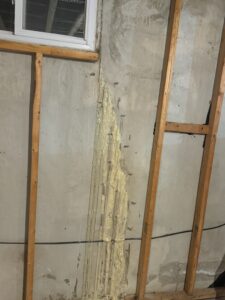
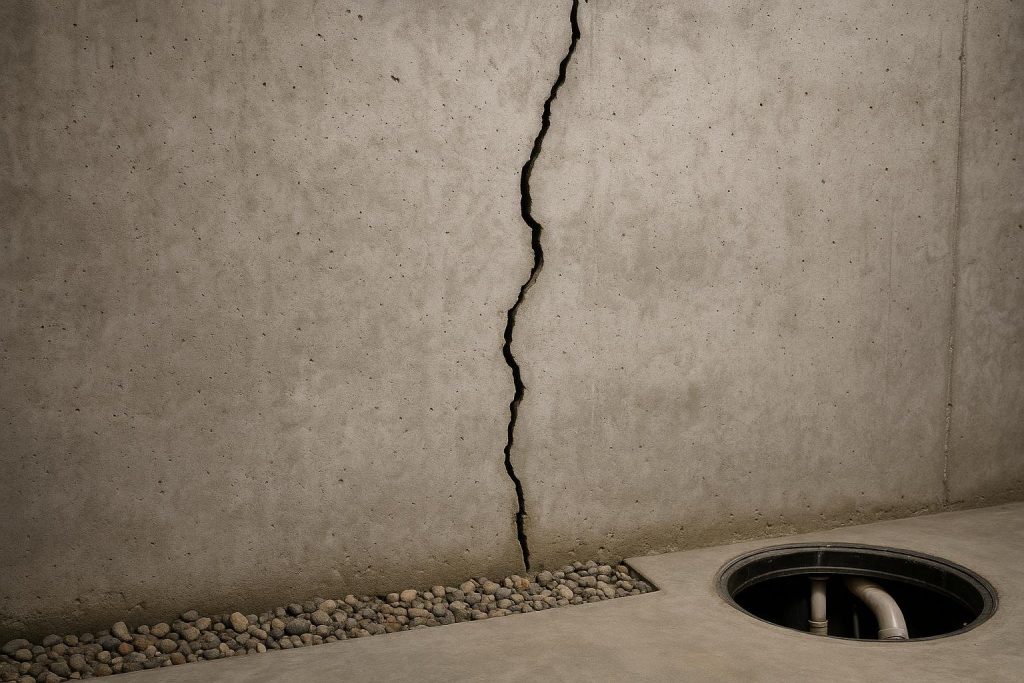
Whether your foundation crack is serious depends on its orientation, width, location and whether it is actively changing. Most hairline shrinkage cracks in poured concrete are cosmetic, but horizontal cracks, stair-step cracks in block foundations, and any crack that is widening over time can signal structural risk that requires prompt professional assessment. Understanding the difference protects both your home and your budget.
Key takeaways
- Crack orientation is the single most important first indicator: horizontal cracks carry the highest structural concern, while vertical and diagonal cracks vary widely in severity.
- Width matters but is not the only factor: a crack wider than 6 mm (roughly a quarter-inch) warrants professional evaluation regardless of direction.
- Active movement, water infiltration, or displacement between crack edges all elevate urgency.
- Many Ontario homes experience normal concrete shrinkage cracks within the first few years after construction; these are typically narrow, vertical and dry.
- A professional inspection is the only reliable way to confirm whether a crack is cosmetic or structural.
What’s happening: how foundation cracks form
Concrete is strong in compression but relatively weak in tension. As a foundation wall cures, dries and responds to soil pressure and temperature swings, tensile stress builds and cracks form. Ontario’s climate amplifies this: freeze-thaw cycles through autumn and winter expand water trapped in concrete pores, widening existing cracks and initiating new ones. Clay-heavy soils common across the GTA and surrounding regions swell when wet and shrink when dry, applying lateral and vertical loads that concrete must resist year-round.
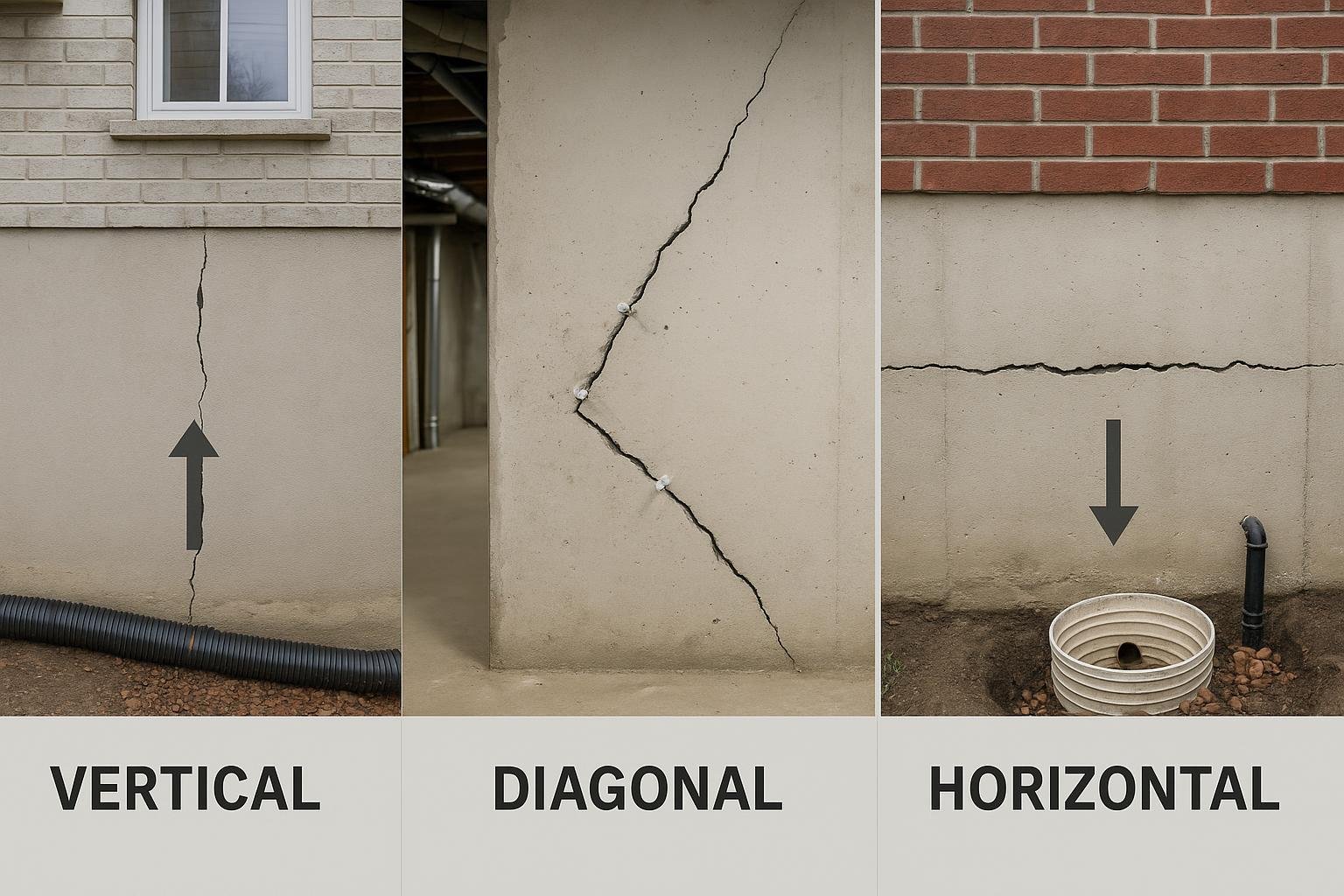
The pattern a crack follows reflects the force that caused it. Vertical cracks running straight up and down a poured-concrete wall are most often the result of concrete shrinkage during curing or minor differential settlement. They are common and frequently benign, though they can still allow water infiltration. Diagonal cracks, especially those running at roughly 45 degrees from a corner, often indicate differential settlement where one part of the foundation has moved more than another. Stair-step cracks in concrete block or brick foundations follow the mortar joints and can indicate settlement or lateral soil pressure.
Horizontal cracks are the pattern that raises the most concern. They typically form when lateral soil pressure exceeds the wall’s bending resistance. In Ontario, saturated clay soils and frost-heave loads can generate significant lateral force, particularly against basement walls that lack adequate drainage. A horizontal crack accompanied by inward bowing is a sign that the wall may be losing structural integrity.
For a detailed breakdown of each crack pattern, see the DryShield guide on types of foundation cracks and what each one means.
Background: what makes Ontario foundations vulnerable
Most homes built across Toronto, the GTA and Ontario cottage country before the 1980s used poured concrete or concrete block foundations. Poured concrete walls develop shrinkage cracks predictably; block walls are more susceptible to lateral pressure because mortar joints are weaker than the blocks themselves. Homes built on expansive clay soils, near watercourses or on filled land face higher hydrostatic and lateral pressure than those on well-drained sandy or gravelly ground.
The Ontario Building Code sets minimum standards for foundation design and drainage, but older homes predate modern requirements. Weeping tile systems installed decades ago can collapse or become blocked with silt and roots, removing the drainage relief that keeps soil pressure manageable. When drainage fails, hydrostatic pressure builds against the wall and existing cracks widen or new ones form.
Freeze-thaw cycling is a particular concern in Ontario cottage country, where seasonal homes may sit unheated through winter. Water that enters a crack during autumn can freeze, expand and widen the crack before spring. This mechanism is explained in more detail in the DryShield guide on freeze-thaw foundation cracks in cottage country.
Understanding your foundation material and soil type is useful context before any repair decision. The guide on why poured concrete cracks differently than cinder block covers the underlying science.
Why it matters for homeowners
A crack that appears minor today can become a significant structural or water problem if left unmonitored. Water infiltration through even a hairline crack introduces moisture that promotes mold growth, degrades insulation and can damage stored belongings. Over time, repeated wetting and drying cycles erode the concrete around the crack, making it wider and harder to seal. If the crack is in a wall already under lateral pressure, each freeze-thaw cycle can incrementally worsen the structural condition.
From a real estate perspective, foundation cracks discovered during a home inspection require disclosure in Ontario and can affect sale negotiations. Addressing a crack before listing, with documented repair, is generally preferable to leaving it for a buyer’s inspector to flag. The DryShield guide on what to do when a foundation crack is found during a home inspection covers this scenario in detail.
There is also a meaningful difference between a crack that is stable and one that is actively widening. A crack that grows over weeks or months indicates ongoing movement, which changes the repair approach entirely. Monitoring a crack with a pencil mark and date, or with a crack monitor gauge, is a simple first step any homeowner can take. If the crack is widening, do not delay professional assessment. The DryShield problem page on a foundation crack getting wider explains monitoring and next steps.
For homeowners trying to determine whether a crack crosses the line into structural territory, the guide on how to tell if a foundation crack is structural provides a detailed framework, including when a structural engineer’s opinion is warranted.
What to do about it
Start by documenting the crack: photograph it with a ruler or coin for scale, note the date, and mark the ends with a pencil. Check again in two to four weeks. If the crack has not changed, is dry and is narrower than about 3 mm, it may be a stable shrinkage crack that can be monitored and sealed at a convenient time. If it is wet, widening, displaced or horizontal, arrange a professional inspection promptly.
For narrow, non-structural vertical cracks in poured concrete walls that are allowing water entry, polyurethane crack injection is a common repair method. The injected resin expands to fill the crack and bonds to the concrete, stopping water infiltration. The DryShield guide on whether crack injection works explains the method and its limitations. For cracks with a structural component, injection alone is not sufficient and a broader repair plan is needed.
If you are unsure where to start, the foundation crack diagnosis tool on the DryShield site can help you characterize what you are seeing before booking an inspection. Repair costs vary depending on crack length, access, method and whether structural remediation is involved; the DryShield foundation crack sealing cost guide explains the main cost drivers without quoting prices that may not reflect current market conditions.
Frequently asked questions
What width of foundation crack should I be concerned about?
As a general guideline, cracks wider than 6 mm (about a quarter-inch) warrant professional evaluation regardless of direction. Narrower cracks can still be serious if they are horizontal, actively widening or accompanied by wall displacement. Width alone is not a complete assessment.
Are vertical foundation cracks always safe to ignore?
No. Vertical cracks are often the result of normal concrete shrinkage and are frequently stable, but they can still allow water infiltration and should be monitored. A vertical crack that is widening, wet or longer than a metre deserves professional attention even if it is not structural.
Can I repair a foundation crack myself?
DIY crack injection kits are available for narrow, non-structural vertical cracks in poured concrete. Their effectiveness depends on correct preparation and injection technique. For any crack that may have a structural component, professional assessment is strongly recommended before attempting repair. The DryShield guide on DIY kits versus professional crack injection compares both approaches.
Does home insurance cover foundation crack repair in Ontario?
Standard home insurance policies in Ontario generally do not cover gradual foundation cracking or water seepage resulting from long-term conditions. Coverage for sudden, accidental damage may apply in specific circumstances. The DryShield guide on home insurance and foundation cracks in Ontario outlines what policies typically cover and what they exclude.
How do I tell if a bowing wall is related to a crack I can see?
A horizontal crack near the mid-height of a basement wall that is accompanied by inward bowing is a strong indicator that lateral soil pressure is deforming the wall. This is one of the more urgent foundation conditions. The DryShield problem page on bowing basement foundation walls describes the causes and urgency in detail.
If you have spotted a crack and are not sure what you are looking at, the DryShield team serves Toronto, the GTA and Ontario cottage country and can assess foundation cracks and recommend the appropriate repair approach. Contact DryShield to arrange an inspection, or use the basement leak diagnostic tool to start narrowing down the cause before you call.