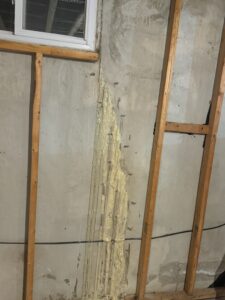
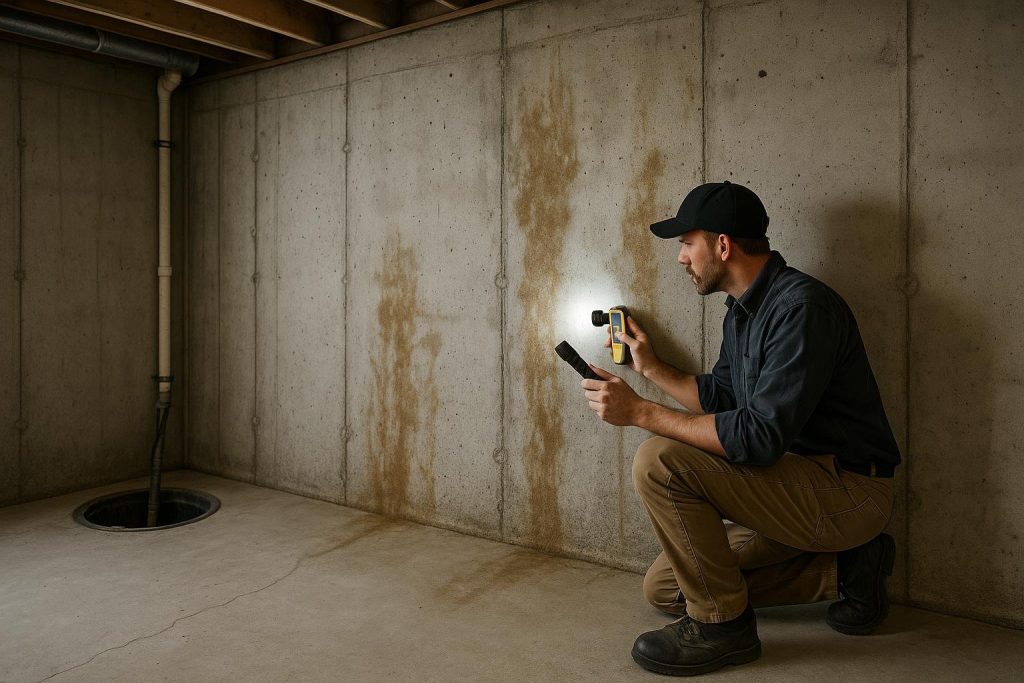
A buying a house with a wet basement checklist gives buyers and their realtors a structured way to evaluate moisture risk before making one of the largest financial decisions of their lives. Water in a basement can range from a minor cosmetic issue fixed with a single crack injection to a serious structural problem requiring full exterior excavation and weeping tile replacement. Knowing which situation you are facing before you sign protects your offer price, your renovation budget, and your long-term peace of mind.
Key takeaways
- Wet basements have many causes; the repair cost and urgency vary widely depending on the source.
- A home inspection is a starting point, not a final diagnosis. A waterproofing specialist assessment adds important detail.
- Cosmetic masking of moisture problems is common. Knowing what to look for helps you see past fresh paint and new drywall.
- Some issues, such as a failed sump pump or a single hairline crack, are straightforward to fix. Others, such as a bowing foundation wall or collapsed weeping tile, are major undertakings.
- Negotiating a price reduction or a repair credit before closing is far easier than pursuing a seller after the fact.
What’s happening
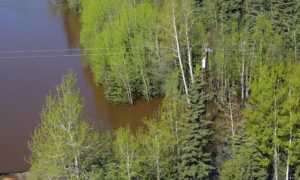
Basement moisture is one of the most common defects found during home purchases in Ontario. The province’s clay-heavy soils, freeze-thaw cycling, and aging housing stock create conditions where water infiltration is widespread. Buyers frequently encounter basements that show signs of past or active leaking, and sellers are not always forthcoming about the history.
Water enters basements through several distinct pathways, and identifying the correct one is essential before estimating repair scope:
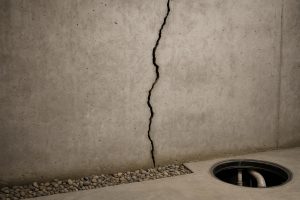
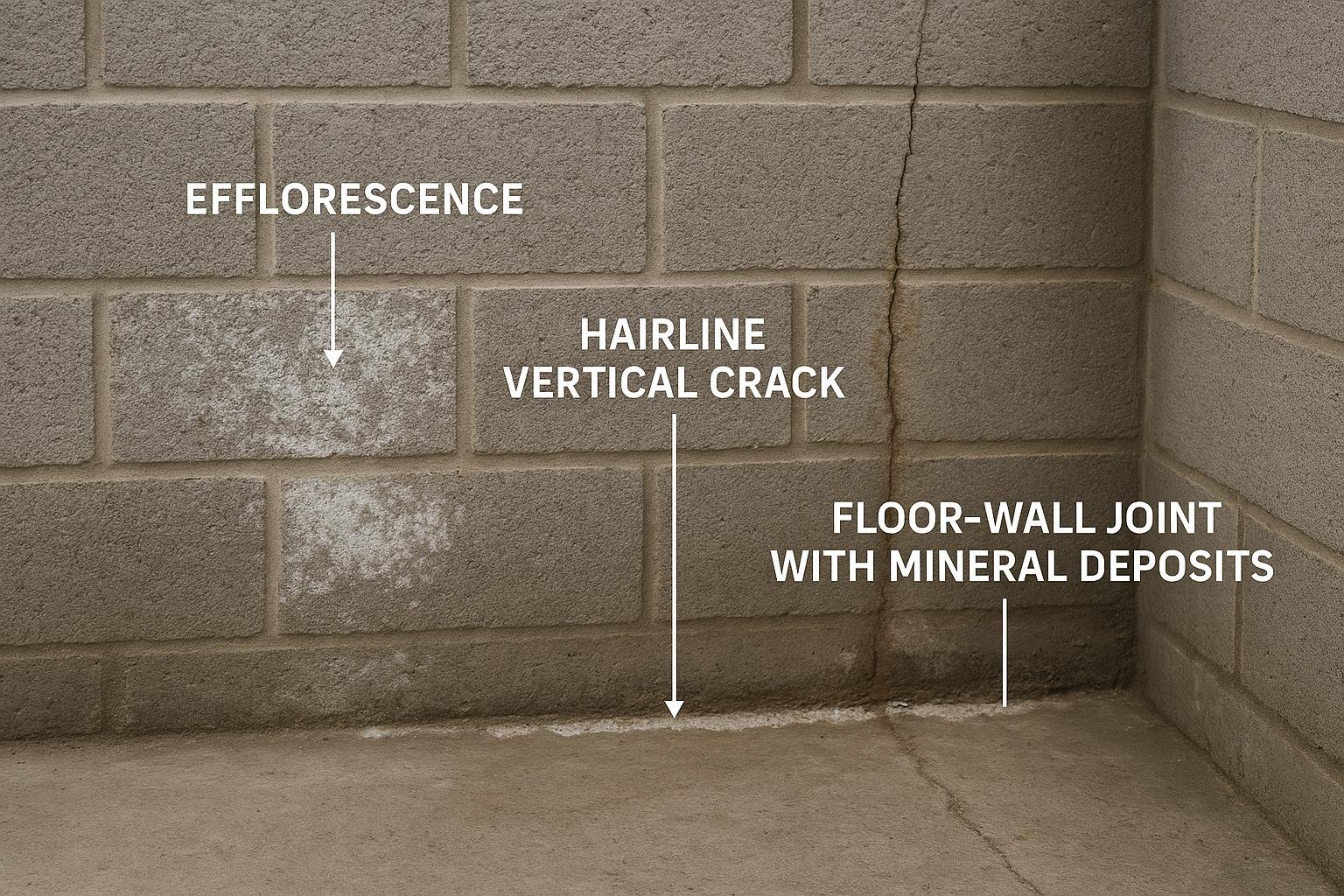
- Foundation wall cracks: Poured concrete walls develop vertical shrinkage cracks and, more seriously, horizontal or diagonal cracks under lateral soil pressure. Each crack type carries different structural implications. The types of foundation cracks guide explains what each pattern means.
- Failed or absent weeping tile: Perimeter drainage tile installed around the footing can collapse, clog with roots or silt, or simply be absent in older homes. When it fails, groundwater has no managed exit and builds hydrostatic pressure against the wall.
- Sump pump failure or absence: A sump pit without a working pump, or a home with no sump system at all, is a significant risk factor in areas with high water tables.
- Window well flooding: Poorly drained window wells channel surface water directly against the foundation at wall openings. The guide on fixing window well flooding covers the repair options.
- Floor seepage: Water rising through floor cracks or the floor-wall joint typically indicates hydrostatic pressure from below, a different problem than wall leakage.
- Condensation: Not all moisture is infiltration. Warm humid air condensing on cool concrete walls can mimic a leak. A dehumidifier test over several days can help distinguish the two, though a professional assessment is more reliable.
Ontario’s Real Estate and Business Brokers Act and standard OREA seller disclosure forms require sellers to disclose known material defects, but disclosure depends on what the seller knows and chooses to report. Buyers should not rely on disclosure alone.
Background
Basement waterproofing methods have evolved considerably. Homes built before the 1980s often relied on tar-based dampproofing rather than true waterproofing membranes, and their clay tile weeping systems have had decades to deteriorate. Homes from the 1980s through early 2000s introduced plastic drainage board and perforated pipe, but installation quality varied. Newer construction uses rubberized membrane systems and engineered drainage composites, though even these can fail if backfill is done improperly or if the sump system is undersized.
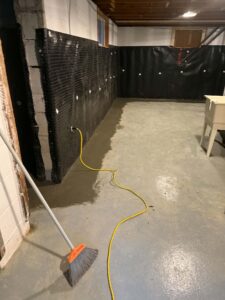
When a seller has already attempted repairs, the quality of that work matters as much as the fact that it was done. A hydraulic cement patch over a crack is a temporary measure, not a permanent seal. Interior drain tile systems installed without addressing the exterior source manage water rather than stop it. Understanding what was done, by whom, and whether any warranty transfers is part of due diligence. DryShield offers a lifetime transferable warranty on qualifying work, which is a meaningful asset in a real estate transaction.
The foundation crack found during home inspection guide outlines the steps a buyer should take when a crack appears on an inspection report.
Why it matters for buyers and realtors
A wet basement affects a transaction in at least four ways.
Purchase price and negotiation leverage. A documented moisture problem gives buyers a concrete basis to request a price reduction or a repair credit. Without documentation, the negotiation is subjective. Getting a written assessment from a waterproofing contractor before finalizing an offer converts a vague concern into a quantified number. The basement leaking repair costs guide and the waterproofing cost calculator can help frame the conversation, though actual quotes depend on site conditions.
Home insurance implications. Insurers in Ontario increasingly ask about prior water damage and existing waterproofing systems when underwriting policies. A home with a history of basement flooding may face higher premiums or coverage exclusions. The home insurance and basement waterproofing guide covers this in detail.
Resale value. Buyers who purchase a home with a wet basement and then invest in a proper fix may recover a portion of that cost at resale, particularly if the repair comes with a transferable warranty. The basement waterproofing home value ROI guide discusses the evidence on this question.
Structural risk. Not all wet basements are structurally benign. A bowing foundation wall or a crack that is actively widening can indicate lateral soil pressure that, if left unaddressed, may compromise the structural integrity of the home. These situations warrant a structural engineer’s opinion in addition to a waterproofing assessment.
What to do about it
Use the checklist below during your showing, home inspection, and pre-close due diligence period.
During the showing
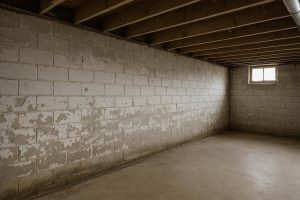
- Check for fresh paint on basement walls, particularly on lower sections. New paint in an otherwise dated basement can indicate recent masking of stains or efflorescence.
- Look for white chalky deposits (efflorescence) on concrete walls. These mineral deposits are left behind when water moves through concrete and evaporates.
- Inspect the sump pit. Is there a pump? Does it appear functional? Is there a battery backup? Check the sump pump not working guide for what a healthy system looks like.
- Look at the floor-wall joint and any visible wall cracks. Note their orientation, width, and whether they appear stained or patched.
- Check window wells for standing water, debris, or inadequate drainage gravel.
- Smell for musty odors, which can indicate mold growth behind finished walls or under flooring.
During and after the home inspection
- Ask the inspector specifically about moisture readings on basement walls and floors.
- Request any available records of past water damage, insurance claims, or waterproofing work from the seller.
- If the inspector flags moisture, arrange a separate assessment by a waterproofing specialist before your condition expires.
Before closing
- Obtain a written scope and cost estimate for any required repairs.
- Confirm whether any existing warranty on prior waterproofing work is transferable to you as the new owner.
- Use the estimate to negotiate a price adjustment or holdback, or require the seller to complete the work with a licensed contractor before closing.
- If structural concerns exist, engage a licensed structural engineer for an independent opinion before proceeding.
Frequently asked questions
Should I walk away from a house with a wet basement?
Not necessarily. The decision depends on the cause, the repair scope, and whether the price reflects the condition. A single hairline crack repaired with polyurethane injection is a minor fix. A failing perimeter drainage system requiring full excavation is a major project. Get a written assessment so you can make an informed decision rather than an emotional one.
Can a seller hide basement water problems?
Fresh paint, new drywall, and dehumidifiers can temporarily conceal moisture signs. A moisture meter used by a qualified inspector can detect elevated readings behind finished surfaces. Visiting the property during or shortly after heavy rain can also reveal active leaks that are invisible in dry conditions.
What is the difference between dampproofing and waterproofing?
Dampproofing is a basic coating applied to the exterior of a foundation wall to resist soil moisture under normal conditions. It is not designed to withstand hydrostatic pressure. Waterproofing involves a fully bonded membrane, drainage board, and a managed drainage system, and is intended to keep the wall dry even when water is actively pressing against it. Many older Ontario homes have only dampproofing.
Does a wet basement always mean mold?
Not always, but moisture creates the conditions mold needs to grow. If a basement has been wet repeatedly or for an extended period, mold behind finished walls or under flooring is a real possibility. A mold assessment may be warranted if you detect musty odors or see visible growth.
Is the City of Toronto basement flooding subsidy still available?
The City of Toronto has offered a Basement Flooding Protection Subsidy program in the past. Program availability, eligibility criteria, and funding amounts change over time. Buyers purchasing in Toronto should check the current program status directly with the City before assuming any subsidy applies to their situation.
If you are evaluating a home with basement moisture concerns, DryShield’s team can provide an on-site assessment to help you understand what you are looking at before you commit. Contact DryShield to arrange a pre-purchase consultation, or use the basement leak diagnostic tool as a first step.