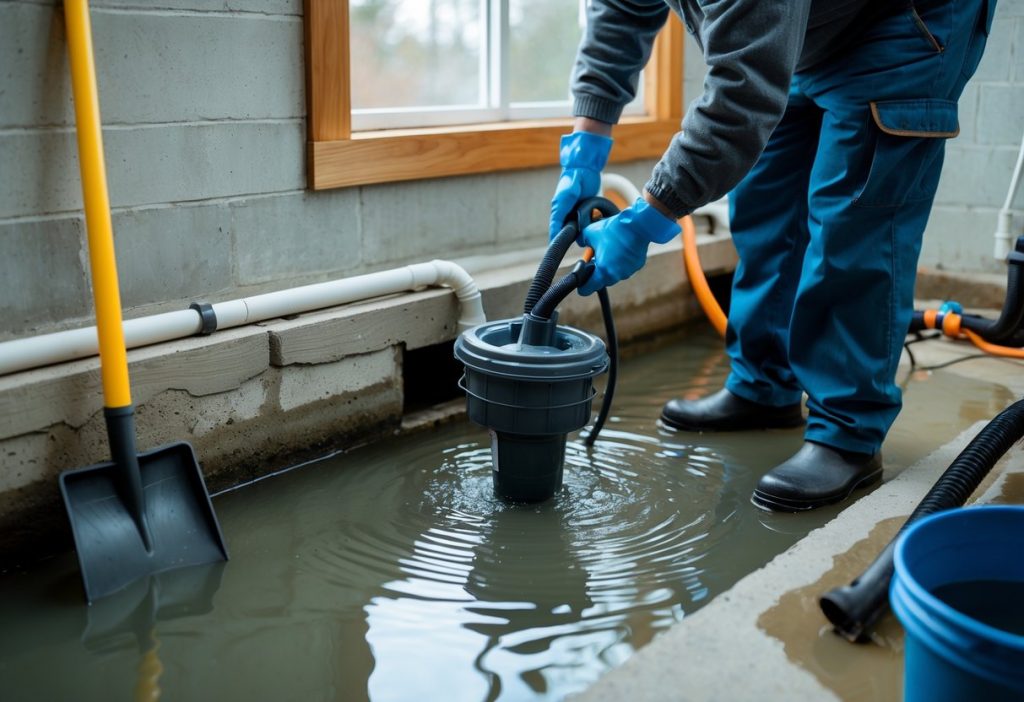
Water pooling in your window wells can flood your basement fast and damage floors, furniture, and stored items. You can stop that by fixing drainage, adding a proper cover, and sealing gaps around the window — these steps protect your home without a full renovation.
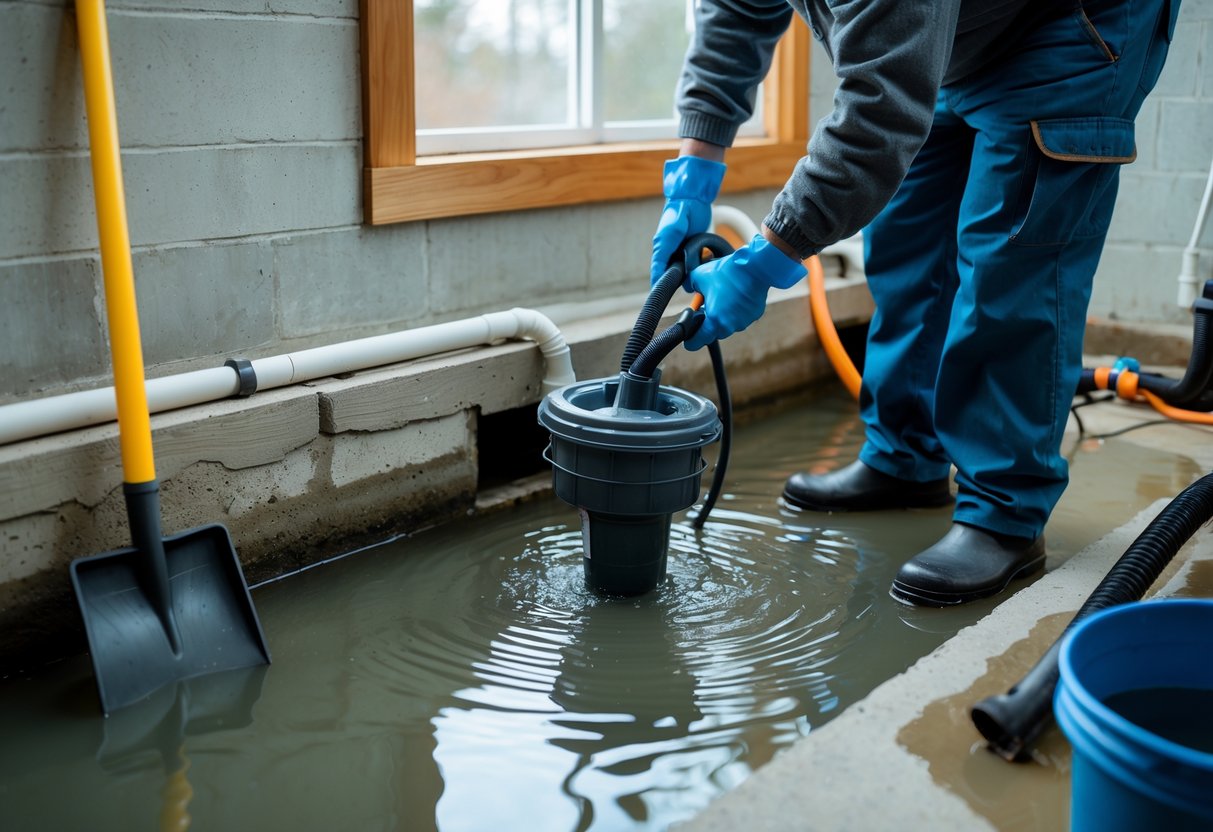
Start by checking the well for clogs, poor grading, or missing drains, and take simple actions like clearing debris, installing a drain or sump connection, and fitting a clear cover to keep water and leaves out. Addressing these common problems quickly is the best way to keep water out of your basement and avoid costly repairs.
If the problem keeps coming back or the foundation shows cracks, you should consider professional help for waterproofing or regrading. Small fixes often work, but a long-term solution may need a contractor who can tie the well into your home’s drainage system.
Key Takeaways
- Check and clear window wells to stop immediate water entry.
- Add drainage and a tight-fitting cover to prevent repeat flooding.
- Call a pro if water returns or you see foundation damage.
Understanding Window Well Flooding
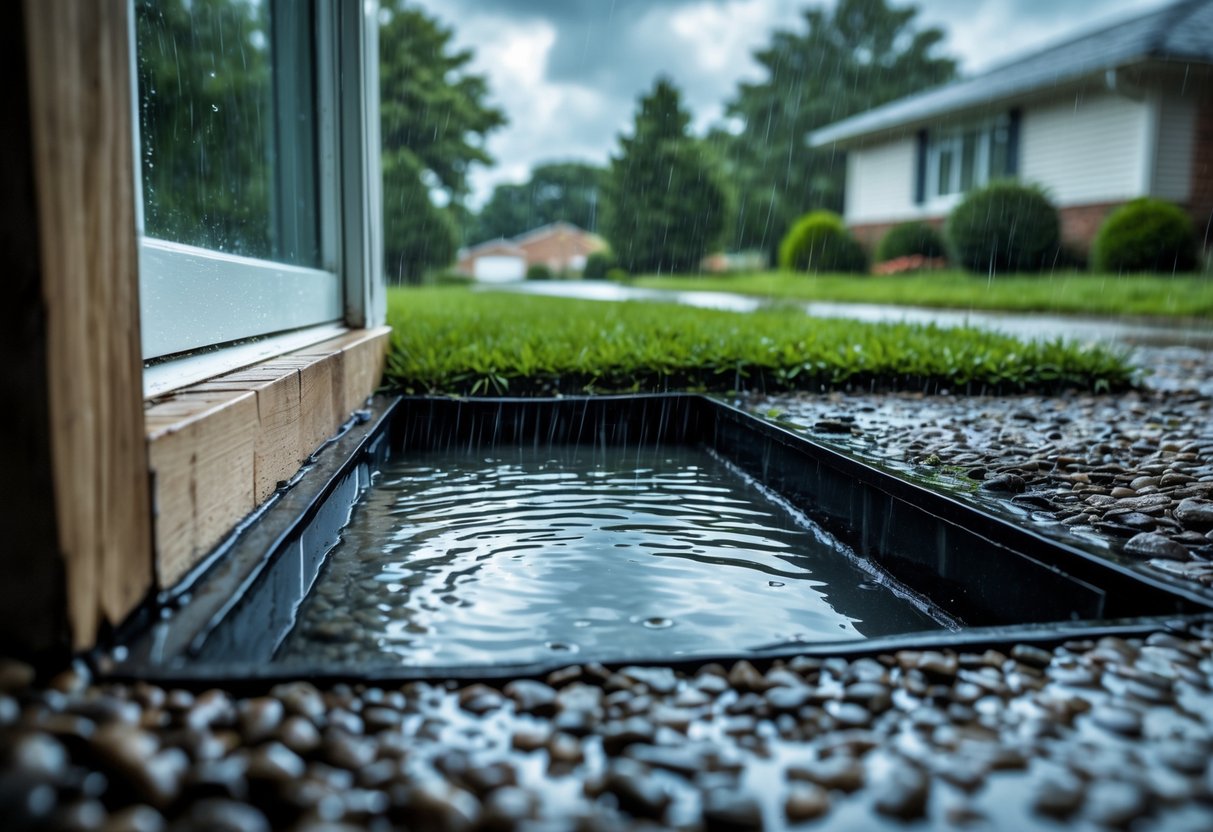
Window wells collect water, debris and runoff near basement windows. That buildup can push water into the basement, damage finishes, and cause mould growth if not handled quickly.
Why Window Wells Flood
Window wells flood when water has nowhere to go. Common causes include poor grading around your foundation, clogged or absent drains in the well, and heavy rainstorms that exceed the well’s capacity. Snowmelt and roof downspouts discharging too close to the foundation also send extra water into the well.
Soil type matters. Clay holds water and slows drainage, raising hydrostatic pressure against the basement window. Improperly installed or missing window well liners and damaged seals around the basement window let water seep in directly.
Common Signs of Flooding
Check your basement window wells after heavy rain or spring thaw. Look for standing water in the well, damp soil at the base, or water stains on the basement wall under the window. Persistent wetness or a musty odour near the window often means repeated water entry.
Inside, watch for peeling paint, efflorescence (white mineral streaks), or warped trim near the basement window. Even occasional puddles on the basement floor or wet carpet under the window signal a problem you should fix fast.
Risks of Ignoring Window Well Issues
If you ignore basement window well flooding, small leaks become larger problems. Water damage can ruin drywall, insulation, flooring and window frames. Ongoing moisture promotes mould and mildew that harm indoor air quality and may trigger health issues.
Structural risks can follow. Prolonged water against the foundation can cause cracks, settling, or compromised window egress. Repair costs grow quickly when you let water damage and rot advance.
Diagnosing the Causes of Window Well Flooding

You can find the main causes by checking the drain, the slope of the ground, the cover, and where roof water goes. Each issue has clear signs and simple tests you can do to confirm the problem.
Clogged or Missing Drains
A working window well drain should channel water away from the well. If you see standing water after rain, the drain is likely clogged or missing. Remove loose debris, leaves, and gravel first. Then pour water into the well to watch the flow — slow drainage or pooling shows a blockage.
If the drain ties into your foundation drain or a dry well, check the connection and look for root intrusion or collapsed pipes. Soil and silt can seal a drain over time; use a plumber’s snake or hydrojetting to clear it. If no drain exists, consider installing a window well drain connected to your home’s storm system or a nearby sump.
Improper Grading and Soil Settlement
Water flows downhill. If soil around the window well slopes toward your house, you will get repeated flooding. Look for soil settling, compacted fill, or mulch piled high against the foundation. These changes can reverse the intended slope and push surface water into the well.
Measure slope with a level and a straight board: you want at least a 2% grade away from the foundation (about 2 cm drop per metre). Regrade soil to restore slope, add compacted granular fill, and install a short swale if needed. Avoid piling soil against the foundation; instead keep ground lower and install a small berm or rigid edging to force water away.
Lack or Failure of Window Well Covers
A cover prevents direct entry of rain, snow, and debris. If your well has no cover, or the cover is cracked, warped, or missing clips, rain can pour in and overwhelm the drain. Inspect covers for cracks, UV damage, and secure fastenings after strong winds or storms.
Choose a solid or polycarbonate cover rated for snow load in your region and ensure it seals well against the well rim. For older wells, retrofit clips or a new flange may be required to stop water bypassing the cover. Keep the cover clear of leaves; clogged covers route water into the well and reduce the performance of any drainage solution.
Overflowing Gutters and Downspouts
Gutters and downspouts must move roof water well away from window wells. If downspouts end near a well or splash onto the ground beside it, heavy storms will dump large volumes into the well faster than the drain can handle. Inspect gutter joints and look for pinholes or sagging that cause overflow.
Add downspout extensions to carry water at least 1.5–3 metres away from the foundation, or connect downspouts to underground drains tied into the storm system. Keep gutters clean and install leaf guards if needed. In frozen conditions, consider heat cables on downspouts and gutters to prevent ice dams that force water over the edge into the well.
Effective Solutions for Fixing Window Well Flooding
Focus on clearing and keeping drains working, blocking debris and snow, and improving the ditch around the window with gravel and proper slope. These actions reduce water pooling and lower the chance of leaks into your basement.
Clearing and Maintaining Window Well Drains
Check the drain at the bottom of the well first. Remove leaves, soil, and sediment by hand or with a narrow trowel. Use a wet/dry vacuum or a plumber’s snake to pull out blockages in the pipe that runs from the well to your house drain or storm sewer.
Flush the drain with water to confirm flow. If water backs up, inspect the connecting pipe for kinks, root intrusion, or collapse. Replace crushed or clogged pipe with rigid PVC and add a clean‑out fitting for future access.
Schedule inspections after heavy storms and in fall when leaves fall. Keep a simple maintenance log so you know when you last cleared the drain and whether the problem recurs.
Installing Window Well Covers
Choose a cover that fits your well’s shape and size — clear polycarbonate covers let light through and resist cracking. A good well cover blocks leaves, snow, and kids or pets, while letting water shed off the top.
Install covers that seal against the wall lip and sit slightly sloped to shed water. Secure the cover with clips or locks to stop wind lift and to meet local egress rules if the window is an emergency exit. Check seals and fasteners each season.
If you live in a snowy area, remove heavy snow from covers to keep the load light and prevent bending. Replace cracked or warped covers promptly to keep debris out and protect your basement waterproofing work.
Adding Gravel and Improving Drainage
Dig down to the bottom of the window well and add 2–4 inches of coarse, washed gravel to help surface water drain quickly to the drain outlet. Use a layer of landscape fabric under the gravel to slow soil migration into the stone.
Ensure the ground around the well slopes away from the foundation by at least 50 mm over the first metre. Extend downspouts at least 1.5 metres away or tie them into your storm system so roof runoff doesn’t pour into the well.
If the well still fills, consider installing a perimeter drain or connecting the well to a sump pump. These options add cost but give durable protection when surface fixes are not enough.
Upgrading Window Wells for Long-Term Protection
Upgrading your window wells means choosing the right size, making sure they install and seal correctly, and tying them into your home’s drainage. Do each step well to stop water from pooling, reduce cleaning, and protect your foundation.
Choosing the Right Window Well Size
Pick a window well that gives at least 3 feet of clear space in front of an egress window for safe exit and to keep soil away from the window. For non-egress basement windows, choose a well depth that places the top of the well above the finished grade by at least 2–3 inches to shed surface water.
Match the diameter or width to the window opening plus space for a cover, a walkway, and access for maintenance. Larger wells let light in and reduce splash-back, but they need more backfill and may require a wider area to slope away from the foundation. Use steel or high-density polyethylene wells sized to the window and the local frost depth.
Install a clear or ventilated cover that fits tightly to keep debris and snow out. Covers reduce cleaning and lower the chance water enters the well during heavy rain or thaw.
Ensuring Proper Installation and Sealing
Excavate to expose the foundation wall below the window height and check for cracks or old leaks before installing the well. Set the well so its flange sits square against the foundation; fasten with masonry anchors and seal the flange with a continuous bead of exterior-grade polyurethane caulk.
Backfill with clean, free-draining gravel to the recommended level and compact lightly to avoid settling. Place a layer of filter fabric between soil and gravel to stop fines from clogging the drainage.
Seal around the window frame with a compatible exterior membrane or flashing where the well meets the wall. If the basement window has a weep hole or drain hole, make sure it lines up with the well’s drain path to avoid trapped water. Check the seal after the first heavy rain and re-caulk if you notice any leaks.
Connecting to Perimeter and French Drains
Tie the window well drain into your perimeter drain or a dedicated French drain to move water away from the foundation. Run a 4-inch perforated pipe from the lowest point of the well through the gravel base; slope the pipe at least 1% (1 cm per metre) toward the perimeter drain or a storm outlet.
Wrap the perforated pipe in filter fabric and bed it in gravel to keep it from clogging with silt. If your perimeter drain already exists, connect the pipe using a watertight adaptor or PVC coupling and test the flow by running water into the well.
If no discharge point exists, extend the French drain to daylight at a safe distance from the house or tie into an approved storm system. Add cleanouts or inspection ports so you can clear blockages without digging up the line. Regularly inspect the connection during spring thaw and after heavy storms to ensure debris or roots haven’t blocked the pipe.
Preventative Measures and Maintenance Tips
Keep window wells dry by inspecting covers and drainage, testing sump pumps, and watching for water buildup. Focus on physical barriers, clear paths for water, and early signs of seepage to prevent hydrostatic pressure and water damage.
Seasonal Inspection and Cleaning
Check window well covers every season for cracks, warping, or gaps. Replace plastic covers that are brittle or bent; acrylic or metal covers last longer and shed snow better.
Clear leaves, dirt, and mulch from inside the well and from the top of the cover. Use a hand brush and a wet/dry vacuum for trapped debris. Remove any plants or soil piled against the outside of the well; keep at least 6–12 inches of clearance to reduce seepage.
Inspect the well walls and nearby foundation for cracks or softened mortar. Note any staining or efflorescence, which can signal repeated water contact. Re-grout or seal small gaps with masonry caulk; call a foundation specialist for large cracks.
Testing and Maintaining Sump Pumps
Test your sump pump at least twice a year: pour a bucket of water into the sump pit until the pump activates. The pump should switch on quickly and eject water through the discharge line away from the foundation.
Check the pump’s power source and the float switch for free movement. Replace corroded check valves and clean the intake screen to prevent clogging. Keep a backup battery or a second pump if your area has frequent storms.
Ensure the discharge line ends at least 3 metres from the house and slopes away. If the line backs up or freezes, consider a heated or insulated line, or add a check valve to prevent water return that increases hydrostatic pressure on your foundation.
Monitoring for Water Accumulation
Visit your basement and outside window wells after heavy rain and melting snow. Use a flashlight to look for small leaks, damp spots, or hairline seepage around the window frame and sill.
Measure water levels in the well during storms; if water stands for more than a day, you likely have drainage issues. Install a window well cover that vents yet keeps out debris and snow; covers reduce the volume of water entering and limit freeze-thaw damage.
If you see water pooling repeatedly, trace the source—downspouts, poor grading, or clogged perimeter drains. Fix downspouts to extend runoff away from the foundation and regrade soil to slope 1:20 (5%) away from the house where possible to lower hydrostatic pressure and reduce water damage.
When to Seek Professional Help
If water keeps appearing after you try covers, cleaning the well, and improving surface grading, you likely need more than DIY fixes. Call a pro when simple changes don’t stop water, or when the water problem ties into foundation or drainage systems that affect the whole house.
Persistent Flooding Despite Fixes
If your window well refills after heavy rain even with a cover and cleared debris, get a basement waterproofing specialist. Persistent flooding often means the existing window well drain or the surrounding soil drainage isn’t working. A contractor can test the drain, inspect the weeping tile or perimeter drain, and check for clogged pipes or a blocked sump pump.
Professionals can also install or re-route a window well drain into your sump pump or connect it to a larger perimeter drainage system. They will use cameras and moisture meters to find hidden leaks and advise on repairs that stop repeated water entry instead of temporary patches.
Addressing Structural and Drainage Challenges
Call a foundation or waterproofing expert if you see cracks, bowing walls, mould growth, or water that tracks along the foundation after the well floods. These signs suggest the issue may involve hydrostatic pressure, poor grading, or failing foundation drainage—problems that affect the whole basement.
A pro may recommend solutions such as exterior excavation and waterproof membrane, interior perimeter drainage tied to a sump pump, or regrading and installing French drains. They will provide a plan with cost estimates and timelines, and ensure the work meets local building codes to protect your basement and home long term.
Frequently Asked Questions
This section answers common problems, simple fixes, and when to call a pro. You will learn what causes window well flooding, how to prevent it, and the key maintenance steps to keep water away from your basement.
What are the primary causes of basement window well flooding?
Heavy rain or rapid snowmelt can overwhelm the well and surrounding soil, forcing water into the well.
Clogged drains, crushed or missing drain pipes, and blocked gravel outlets stop water from escaping.
Poor grading that directs runoff toward the foundation makes problems worse.
Loose soil, compacted clay, or a high water table can also push water into the well.
How can I prevent water from pooling in my window well?
Fit a clear, durable window well cover to keep leaves and debris out.
Clean the cover regularly and remove debris that collects on top.
Keep the ground sloped away from the foundation at least 5 cm over the first metre.
Check and clear the well’s gravel and drain at least twice a year, especially in fall and spring.
Does installing a window well cover effectively stop flooding?
A cover blocks debris and light rainfall but won’t stop high-volume runoff or groundwater pressure.
Covers work best when paired with a clear drainage path and good grading.
Choose a cover rated for local weather and one that seals well around the frame.
Regularly check the cover for cracks and ensure it remains secured.
What steps should I take to ensure proper drainage around my window wells?
Inspect the window well for standing water after storms and trace where the water came from.
Clear leaves and sediment from the well, and remove any roots or debris that block flow.
Verify the window well drain connects to a functioning piped drain or weeping tile.
Repair crushed pipes, add clean gravel, and install a sump or interior drain if the external system can’t handle flows.
Can landscaping adjustments reduce the risk of window well flooding?
Yes. Grade soil to slope away from the foundation and keep planter beds lower than the window well rim.
Use swales or shallow channels to divert surface runoff away from the house.
Avoid piling soil or mulch against the foundation and place downspouts so they discharge at least 1.5 metres away.
Permeable surfaces and rain gardens can help absorb stormwater before it reaches the foundation.
When should a professional be consulted for window well drainage issues?
Call a contractor if water repeatedly reaches the basement despite cleaning and grading.
Get help when you see foundation cracks, mould, or interior seepage near the window.
Hire a pro to inspect and repair buried drains, install a reliable drain-to-sewer system, or add a sump pump and waterproofing when DIY fixes fail.