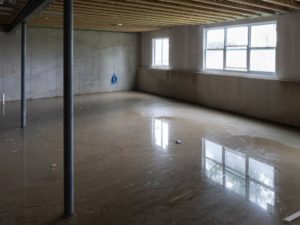
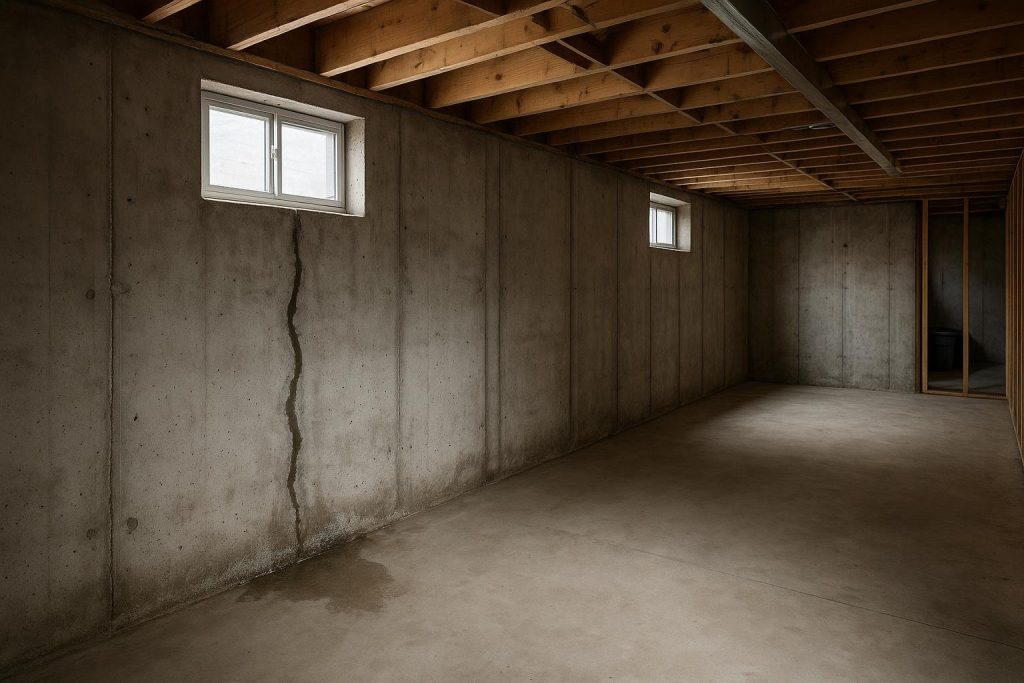
Basement leak repair North Bay homeowners need differs from what works in Toronto or Barrie, because North Bay sits on the Canadian Shield with sandy glacial soils, a high seasonal water table, and freeze-thaw cycles that are more severe and more prolonged than anywhere in the GTA. Understanding those local conditions is the first step toward choosing a fix that actually lasts.
Key Takeaways
- North Bay’s sandy, well-draining soils reduce clay-driven hydrostatic pressure but create fast-moving subsurface water that finds cracks quickly after snowmelt or heavy rain.
- A single foundation crack injected from the interior typically costs $600 to $900; a full interior weeping-tile system or exterior waterproofing job runs higher and depends on linear footage and access.
- Spring thaw is the peak failure window in North Bay, often arriving faster and more intensely than in southern Ontario because of the region’s snowpack depth.
- Older North Bay homes frequently have original clay-pipe weeping tile that has collapsed or silted up completely, making a perimeter drainage upgrade the correct long-term fix.
- Polyurethane crack injection cures flexible, which matters in a climate where foundations move seasonally on frost-susceptible soils.
Definitions and Scope
Foundation waterproofing covers any method that stops water from entering a basement through the walls, floor, footing joint, or foundation cracks. The term is broad and includes crack injection, interior weeping-tile systems, exterior membrane waterproofing, sump pump installation, and parging repairs. Each method targets a different entry point and a different root cause.
In North Bay specifically, the scope of a repair job is shaped by the local geology. The Canadian Shield bedrock is close to the surface in many neighbourhoods, and the overburden is often sandy or silty glacial till rather than the dense clay that dominates the GTA. Sandy soil drains faster, so water does not pond against the wall for as long, but it also channels surface runoff directly toward the footing with little filtration. That means cracks and failed weeping tile become water pathways very quickly after a heavy rain or a rapid spring thaw.
Scope also depends on the age of the home. Many North Bay houses built before 1980 have original clay or concrete weeping tile at the footing that has long since collapsed. Repairing a crack without addressing failed drainage is a partial fix at best.
Why Basement Leak Repair North Bay Homeowners Prioritise Matters
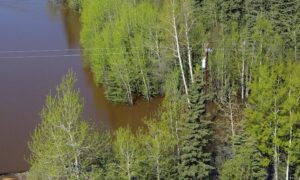
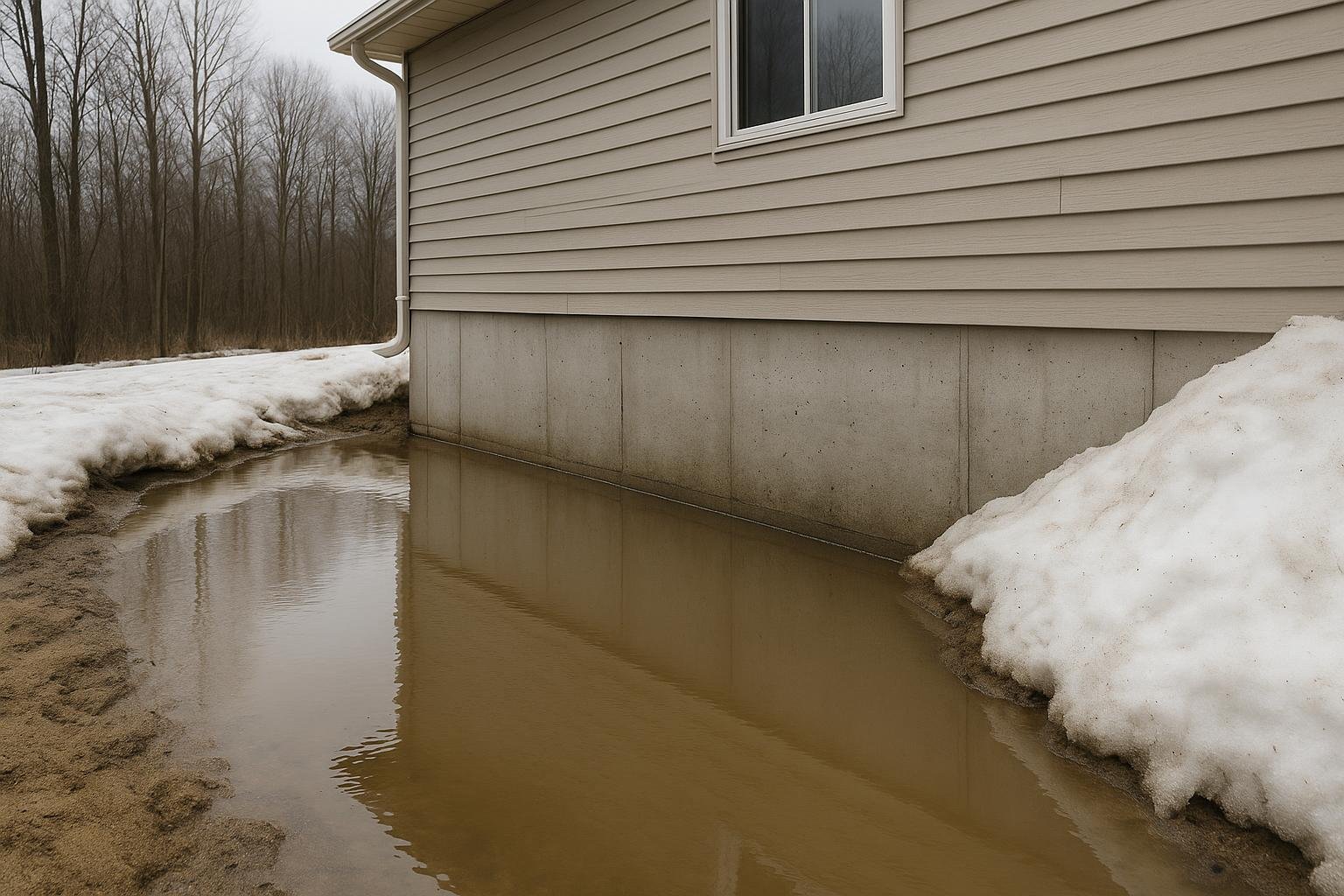
North Bay receives significant annual snowfall, and the spring thaw typically arrives as a rapid event rather than a gradual warm-up. A week of above-zero temperatures can release weeks of accumulated snowpack at once, saturating the soil around foundations before storm sewers can handle the volume. That surge of meltwater is the single most common trigger for basement flooding calls in the region.
Summer thunderstorms are the second peak window. The city’s topography channels runoff toward lower-lying residential streets, and homes with negative grading or blocked downspouts see water pool directly against the foundation wall. Hydrostatic pressure builds quickly in those conditions, even in sandy soil, and any existing crack becomes an active leak within hours.
Leaving a leak unaddressed accelerates the problem. Water that enters through a hairline crack carries fine soil particles with it, widening the crack over successive freeze-thaw cycles. Efflorescence, the white chalky mineral deposit that appears on wet concrete walls, is an early warning sign that water has been moving through the wall for some time. Mould can establish itself within 48 hours of a wet event in an unventilated basement. The Canada Mortgage and Housing Corporation (CMHC) notes at cmhc-schl.gc.ca that moisture is the leading cause of indoor air quality problems in Canadian homes, which is why early intervention matters far beyond the structural question.
For North Bay homeowners, the financial case for acting early is clear. A crack injection at $600 to $900 is a fraction of the cost of replacing finished basement materials after a flood, and a fraction again of the cost of a full exterior excavation job that becomes necessary when a crack is left to widen for several winters.
Your Options for Basement Leak Repair in North Bay
Polyurethane Crack Injection
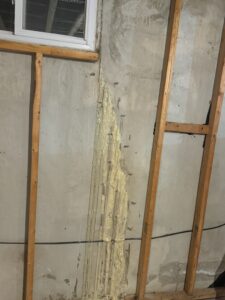
Low-pressure polyurethane injection is the standard repair for a single active or dormant crack in a poured concrete foundation wall. A technician drills injection ports along the crack at regular intervals, pastes them in place, and injects a two-part polyurethane resin that expands to fill the full depth of the crack from interior face to exterior face. The cured material remains flexible, which is critical in North Bay where foundations move seasonally on frost-susceptible soils. A rigid filler would re-crack at the same location within a few winters.
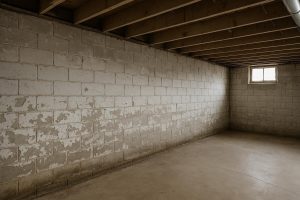
Polyurethane injection is best for: hairline to moderate-width vertical or diagonal cracks in poured concrete walls where the wall itself is structurally sound. It is not appropriate for horizontal cracks, which indicate lateral soil pressure and require a structural assessment, or for block foundation walls where water migrates through the mortar joints rather than through a single crack plane.
Epoxy Crack Injection
Epoxy injection uses a rigid, high-strength resin that bonds the two faces of a crack back together. It is used when the crack is structural, meaning the wall has lost load-bearing continuity and needs to be re-bonded rather than simply sealed. Epoxy is stronger than the surrounding concrete once cured, but because it does not flex, it is only appropriate where seasonal movement has stopped or where the structural cause has been corrected.
Best for: dry, dormant structural cracks in poured concrete where an engineer has confirmed the wall is stable. Not suitable for active leaks, because water in the crack prevents epoxy from bonding properly.
Interior Weeping Tile System
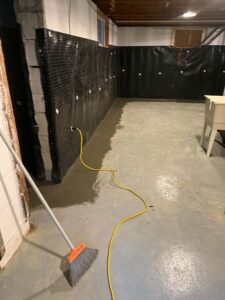
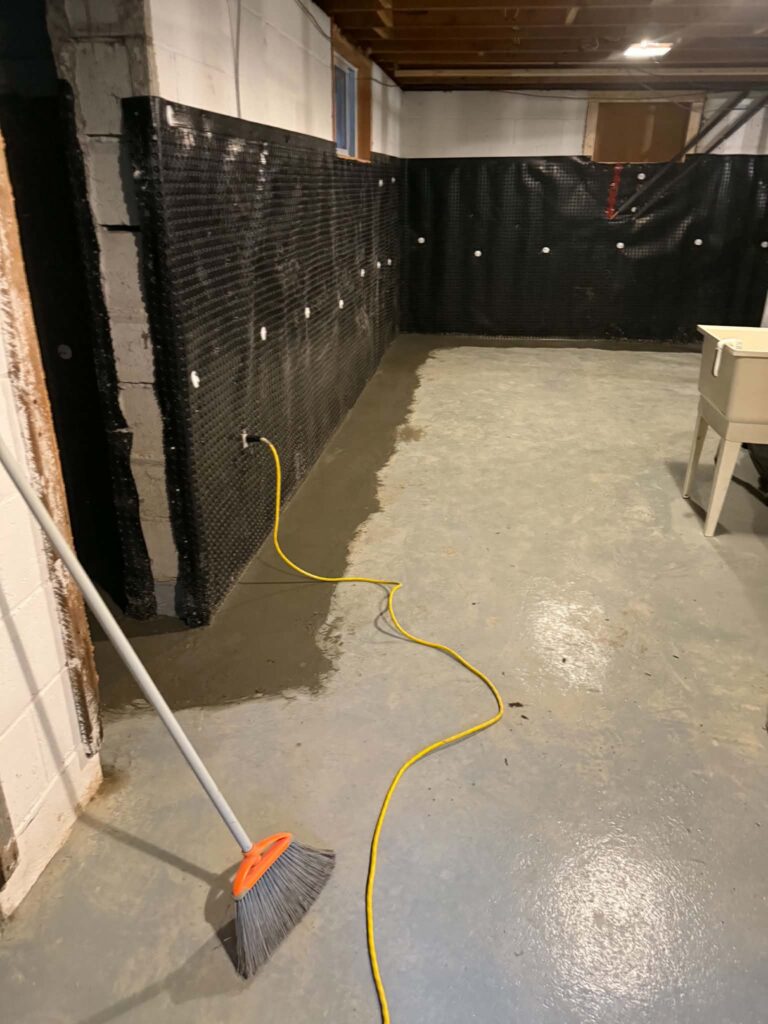
An interior weeping-tile system manages water that has already entered the wall assembly by intercepting it at the footing before it reaches the floor. The process involves jackhammering the perimeter of the basement floor, installing a new perforated drainage pipe bedded in clear stone, routing that pipe to a sump basin, and re-pouring the concrete. A vapour barrier is run up the wall to direct any seepage into the drainage channel rather than onto the floor. A sump pump then ejects the collected water away from the foundation.
Best for: homes with multiple entry points, failed original weeping tile, or situations where exterior excavation is not practical due to decks, driveways, or lot constraints. This method manages water rather than stopping it at the source, so it requires a reliable sump pump with a battery backup, which is especially important in North Bay where power outages during spring storms are not uncommon.
Exterior Waterproofing
Exterior waterproofing is the most comprehensive solution because it addresses water before it reaches the wall. The process involves excavating to the footing, applying hydraulic cement to any voids or honeycombing in the concrete, installing a rubberised membrane over the entire below-grade wall surface, covering that membrane with a dimpled drainage board to protect it and channel water downward, laying new weeping tile in clear stone at the footing level, and backfilling with corrected grading. This is the approach recommended when the original weeping tile has failed, when the wall has multiple cracks, or when the homeowner wants a permanent solution rather than ongoing management.
For an average North Bay detached home, exterior waterproofing of a full perimeter is a significant investment. The final figure depends on linear footage, depth of excavation, and site access, so a written scope from an on-site inspection is essential before comparing quotes.
Sump Pump Installation or Replacement
A sump pump is the discharge component of any interior drainage system, but it can also be installed as a standalone measure in a basement that collects groundwater through the floor slab rather than through wall cracks. In North Bay, where the water table rises sharply during spring thaw, a properly sized sump pump with a battery backup is often the difference between a dry basement and a flooded one during a multi-day melt event. Pump sizing matters: a unit that is too small will run continuously and burn out; one that is too large will short-cycle and wear prematurely.
Parging and Surface Repairs
Parging is the application of a cementitious coating to the above-grade or near-grade portion of a foundation wall. It seals surface porosity and minor surface cracking but does not address structural cracks or failed weeping tile. Parging is appropriate as a maintenance measure on an otherwise sound wall, or as part of an exterior waterproofing job where the footing-level work has already been done. On its own, parging applied over an active leak will fail within one or two freeze-thaw cycles as water behind it causes the coating to spall.
Options Compared
| Method | Best For | Typical Lifespan | Relative Cost | Disruption |
|---|---|---|---|---|
| Polyurethane crack injection | Single active crack, poured concrete | Long-term if wall is stable | Lowest ($600-$900 per crack) | Minimal, interior only, one day |
| Epoxy crack injection | Dry structural crack needing re-bonding | Permanent if movement has stopped | Low to moderate | Minimal, interior only, one day |
| Interior weeping tile system | Multiple entry points, failed original tile | Decades with pump maintenance | Moderate | Significant interior jackhammering |
| Exterior waterproofing | Comprehensive protection, failed membrane | 25+ years with proper membrane | Highest ($6,000-$9,000+ depending on scope) | Exterior excavation, landscaping disturbed |
| Sump pump installation | High water table, floor seepage | 7-12 years per pump unit | Low to moderate | Minimal, one basin location |
| Parging | Surface maintenance on sound wall | 5-10 years | Lowest | Minimal, exterior surface only |
The table above shows that no single method suits every situation. Crack injection is the right starting point when there is one identifiable crack and the wall is otherwise sound. Interior weeping tile makes sense when multiple entry points exist or when exterior access is blocked. Exterior waterproofing is the definitive solution when the original drainage system has failed and the homeowner wants to address the problem at its source rather than manage it from the inside. Sump pump installation is almost always part of an interior system and should include a battery backup for North Bay’s spring storm season.
How to Choose the Right Fix for Basement Leak Repair in North Bay
Choose polyurethane crack injection if you have a single vertical or diagonal crack in a poured concrete wall, the crack is the only visible entry point, and the surrounding wall shows no signs of lateral movement or bowing. This is the fastest and most cost-effective starting point, and a flexible cure means the repair tolerates North Bay’s seasonal frost movement.
Choose an interior weeping-tile system if water is entering at multiple points along the perimeter, if the original weeping tile is known to have failed or silted up, or if exterior excavation is not feasible because of a deck, patio, or neighbouring structure. Pair it with a battery-backup sump pump given the region’s spring storm risk.
Choose exterior waterproofing if you want to stop water at the wall rather than manage it inside, if the existing membrane has failed, or if you are planning a basement renovation and want a permanent solution before finishing the space. The wet basement repair North Bay service page covers the specific conditions DryShield addresses in this region.
Choose epoxy injection only when a structural engineer has assessed the crack and confirmed the wall is stable and the crack is dormant. Never use epoxy on an active wet crack.
If you are unsure which category your leak falls into, the basement leak diagnostic tool on the DryShield site can help you identify the likely source before booking an inspection.
A single foundation crack injected with polyurethane typically costs $600 to $900. Leaving it unaddressed for two or three winters can widen it to the point where exterior excavation becomes necessary, at a cost many times higher.
Costs and Timelines
| Cost Driver | Why It Affects Price | Approximate Impact |
|---|---|---|
| Linear footage of wall treated | More wall means more membrane, more weeping tile, more labour | Primary driver for exterior and interior systems |
| Depth of excavation | Deeper footings require more digging time and shoring | Significant on older North Bay homes with deep basements |
| Site access | Decks, fences, or tight lots restrict equipment and add hand-digging time | Can add meaningfully to exterior job cost |
| Number of cracks | Each crack is a separate injection procedure | $600-$900 per crack, approximately |
| Condition of existing weeping tile | Fully silted or collapsed tile requires complete replacement rather than supplement | Increases scope of interior or exterior system |
| Sump pump specification | Battery backup, alarm, and pump sizing all affect unit cost | Moderate addition to interior system cost |
All prices above are approximate ranges drawn from completed jobs and should be treated as starting points only. The final cost of any basement leak repair North Bay technicians quote depends on what they find during an on-site inspection. A written scope with linear-foot pricing is the only reliable basis for comparison. Exterior waterproofing of an average Toronto-area semi or detached runs roughly $6,000 to $9,000; North Bay jobs with similar scope fall in a comparable range, though site-specific factors can move the number in either direction. Interior weeping-tile systems typically come in below exterior work for the same linear footage.
Always request a written scope with per-linear-foot pricing before agreeing to any waterproofing work. A verbal estimate without a site inspection is not a reliable number.
Risks and Common Mistakes
| Symptom | Likely Cause | Correct Fix |
|---|---|---|
| Water seeping through a vertical crack after rain | Shrinkage or settlement crack in poured concrete | Polyurethane crack injection |
| Water at the floor-wall joint around the perimeter | Failed or silted weeping tile, hydrostatic pressure at footing | Interior weeping tile system with sump pump |
| Horizontal crack with wall bowing inward | Lateral soil pressure, potential structural failure | Structural engineer assessment before any waterproofing |
| Efflorescence on block wall, no single crack | Water migrating through mortar joints | Exterior membrane or interior drainage system |
| Sump pump running constantly during thaw | High water table overwhelming undersized pump | Pump upsizing and battery backup installation |
The most common mistake North Bay homeowners make is applying hydraulic cement or parging directly over an active crack without addressing the drainage failure behind it. The patch holds for one season, then the freeze-thaw cycle pops it off and the crack is wider than before. The second most common mistake is skipping the battery backup on a sump pump. A spring storm that knocks out power for six hours during peak melt can flood a basement that was otherwise perfectly protected.
A third mistake is treating a horizontal crack the same way as a vertical one. Horizontal cracks in block or poured concrete walls indicate lateral pressure from saturated soil and are a structural concern, not just a waterproofing one. Injecting a horizontal crack without understanding why it formed does not make the wall safe. Always have a horizontal crack assessed before choosing a repair method.
Finally, do not confuse condensation with a leak. In summer, cold basement walls can cause humid air to condense on the surface, producing moisture that looks like seepage. A simple test: tape a piece of plastic sheeting to the wall for 24 hours. Moisture on the room side of the plastic is condensation; moisture on the wall side is a genuine leak requiring repair.
Patching a crack with hydraulic cement without fixing the drainage behind it is the waterproofing equivalent of putting a bandage over a broken pipe. It buys time but does not solve the problem.
How the Process Works
- Free on-site inspection and moisture assessment. A technician visits the property, identifies all active and dormant entry points, checks the condition of the existing weeping tile where accessible, and assesses grading and downspout discharge. North Bay-specific factors like proximity to Shield rock and soil type are noted.
- Written scope with linear-foot pricing. You receive a detailed written proposal specifying exactly which method is recommended, how many linear feet of wall are involved, what materials will be used, and what the total investment range is. No verbal estimates.
- Preparation and access. For exterior work, excavation to the footing begins. For interior work, the perimeter floor is jackhammered. For crack injection, ports are drilled and pasted along the crack length.
- Core repair work. Exterior: hydraulic cement parging of voids, rubberised membrane application, dimpled drainage board installation, new weeping tile in clear stone, backfill and grade correction. Interior: weeping tile to sump basin, vapour barrier up the wall, concrete re-pour. Crack injection: low-pressure polyurethane or epoxy injected port by port until the resin appears at the next port, confirming full penetration.
- Sump pump and drainage confirmation. Where a sump pump is part of the scope, it is installed, tested, and the discharge line is confirmed to terminate well away from the foundation.
- Site restoration. Excavated areas are backfilled and graded to direct surface water away from the wall. Interior concrete is re-poured to match the existing floor level.
- Final walkthrough and warranty documentation. The technician walks through the completed work, explains what was done and why, and provides warranty paperwork. DryShield’s lifetime transferable warranty applies to qualifying interior and exterior waterproofing systems, which is a meaningful asset when selling a North Bay home.
Frequently Asked Questions
What causes most basement leaks in North Bay?
The most common cause is a combination of failed original weeping tile and seasonal hydrostatic pressure during spring thaw. North Bay’s snowpack is heavier than in southern Ontario, and when it melts quickly, the soil around foundations becomes saturated faster than drainage systems can handle. Cracks in poured concrete walls are the second most common entry point, particularly in homes built between the 1950s and 1980s where shrinkage cracks were never sealed.
Is polyurethane injection a permanent fix for a foundation crack?
Polyurethane injection is a long-term fix when the crack is the only entry point and the wall is structurally sound. The flexible cure tolerates seasonal foundation movement, which is important in North Bay’s freeze-thaw climate. If the underlying drainage problem is not addressed, water may find a new path through a different crack or the floor-wall joint, so a full inspection is always worthwhile alongside any injection work.
How much does basement leak repair cost in North Bay?
A single crack injection typically runs $600 to $900. Interior weeping-tile systems and exterior waterproofing are priced by linear footage and depend on depth of excavation, site access, and the condition of existing drainage. Exterior waterproofing of a full perimeter on an average detached home is comparable to the $6,000 to $9,000 range seen in the GTA, though North Bay site conditions can move the number. A free on-site inspection is the only way to get an accurate figure. For a broader breakdown of what drives the price, see the basement leak repair cost guide.
Can I waterproof my basement in winter in North Bay?
Interior work, including crack injection and interior weeping-tile installation, can proceed year-round because it takes place inside a heated space. Exterior excavation in North Bay is generally not practical once the ground freezes, which can happen as early as November and last through March. If you notice a crack or leak in winter, interior crack injection is the right immediate response, with exterior work scheduled for spring if the full scope requires it.
Do I need a sump pump if I get exterior waterproofing?
Exterior waterproofing installs new weeping tile at the footing that collects and channels groundwater away from the wall. That tile needs somewhere to discharge. On most North Bay properties, the tile drains to a sump basin inside the basement, which means a sump pump is part of the system. In some cases, gravity drainage to daylight is possible, but it depends on lot topography. Your technician will specify the correct discharge method during the inspection.
What is the difference between interior and exterior waterproofing?
Exterior waterproofing stops water at the wall by applying a membrane and new drainage before water contacts the foundation. Interior waterproofing intercepts water that has already entered the wall assembly and channels it to a sump pump before it reaches the floor. Exterior is the more comprehensive solution; interior is appropriate when exterior access is not possible or when the goal is drainage management rather than source elimination. The interior vs. exterior waterproofing comparison on the DryShield site covers this in detail.
How long does a basement waterproofing job take in North Bay?
A single crack injection is typically completed in one visit of two to four hours. An interior weeping-tile system for an average basement perimeter takes one to two days. Exterior waterproofing, including excavation, membrane application, new weeping tile, and backfill, generally takes two to four days depending on linear footage and site conditions. Weather and access can extend exterior timelines.
Will fixing my basement leak increase my home’s value?
A documented, warrantied waterproofing system is a positive disclosure item in a North Bay home sale. Buyers and their inspectors look for evidence of past water intrusion, and a transferable warranty from a reputable contractor addresses that concern directly. A wet or previously flooded basement, by contrast, typically triggers price negotiations or conditions. The investment in a proper repair generally returns more than its cost in avoided negotiation losses at sale time.
My basement only leaks in spring. Do I still need a permanent fix?
Yes. A leak that appears only during spring thaw is telling you that the drainage system cannot handle peak water-table conditions. That threshold will be reached every year, and each wet event widens cracks and saturates insulation or framing. Seasonal leaks do not resolve themselves; they worsen gradually until a larger repair is unavoidable. Addressing the drainage failure now, while the scope is still manageable, is the cost-effective choice.
How do I know if my weeping tile has failed?
Signs of failed weeping tile include water at the floor-wall joint around the perimeter (rather than through a specific crack), water that appears during prolonged rain rather than immediately after it starts, and efflorescence or mineral staining at the base of the wall. A technician can confirm weeping-tile condition during an inspection by probing the sump basin and, in some cases, using a camera to inspect the existing tile run. Many North Bay homes built before 1980 have original clay-pipe tile that has collapsed or filled with root intrusion and silt.
Basement leak repair North Bay homeowners can rely on starts with a free on-site inspection. DryShield serves North Bay and the surrounding region with the same methods and written-scope process used across the GTA and Ontario cottage country. Contact the North Bay waterproofing and foundation crack repair team to book your inspection and get a written quote with no obligation.