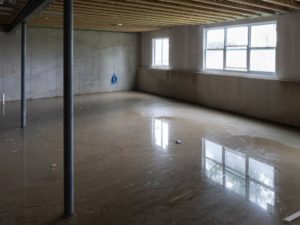
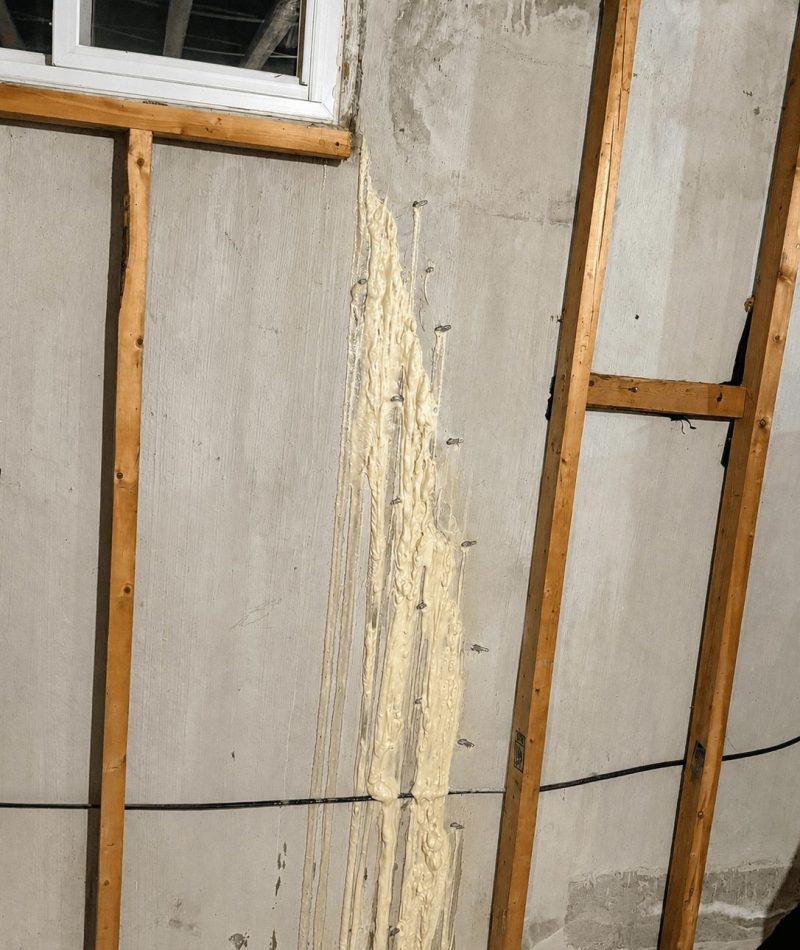
Basement sealing cost in Ontario typically ranges from $750 for a single crack injection up to $3,500 or more for multiple cracks plus targeted perimeter sealing on an average Toronto semi-detached or detached home. This page focuses specifically on foundation crack sealing and injection-based repairs. For full exterior or interior perimeter waterproofing system pricing, see the basement waterproofing cost calculator. These figures reflect work completed across the GTA and surrounding regions and are effective as of August 2026. Every final number depends on a site inspection, because crack type, foundation depth, and access all shift the arithmetic significantly.
Key Takeaways
- A single polyurethane crack injection typically costs $750 to $900, depending on crack length and location.
- Multiple cracks on the same visit are priced per crack, with some contractors offering a reduced rate on the second and subsequent cracks.
- Epoxy injection for structural cracks costs more than polyurethane and requires a site assessment to confirm suitability.
- Heavy clay soil across much of the GTA creates persistent hydrostatic pressure, which is the root cause in most wet-basement calls, not rainfall alone.
- The final basement sealing cost always requires a free on-site inspection; no honest contractor can quote accurately from a photo or a phone call.
What the Quoted Ranges Include and Exclude
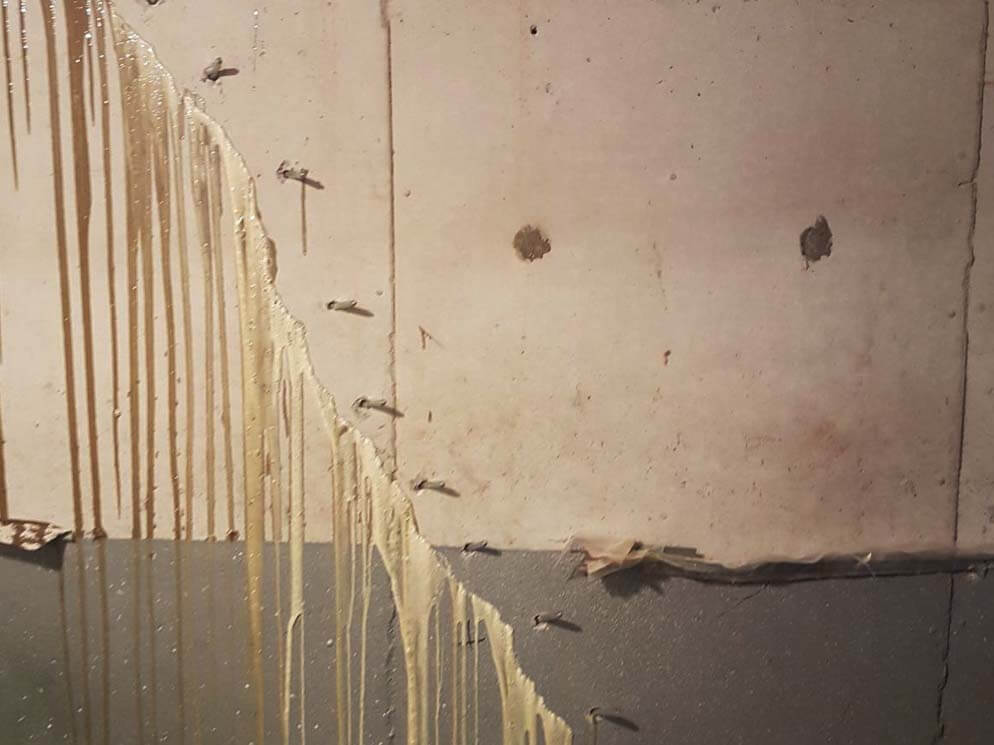
The ranges above cover labour, materials, and standard cleanup for the crack injection method specified. A polyurethane injection quote from DryShield includes port installation, injection of the flexible sealant under low pressure, port removal, and surface finishing. That is a complete repair for a non-structural crack, not a surface coating that will re-open under freeze-thaw movement.
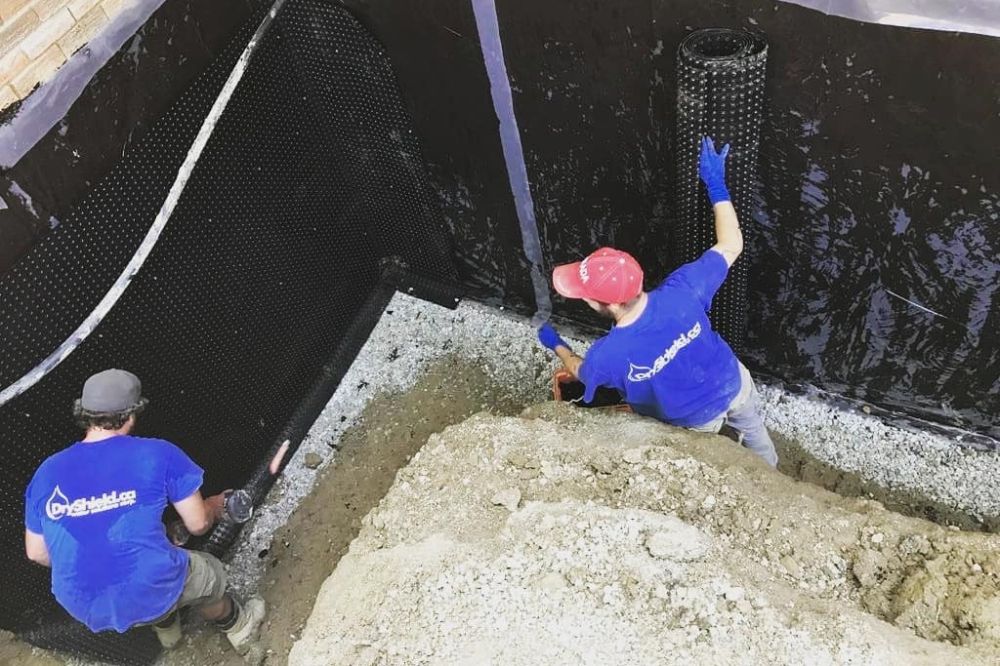
What the ranges do not automatically include: any mould remediation that pre-existing moisture damage has made necessary, interior finishing repairs if drywall must be removed to access the crack, or a full perimeter drainage system if the crack is a symptom of broader hydrostatic pressure failure. These are real additional costs that homeowners frequently overlook. The basement waterproofing service overview explains the full scope of each method in plain language.
What Drives the Basement Sealing Cost
The single biggest cost driver is the crack type and injection material required. Low-pressure polyurethane injection is used for non-structural cracks; it cures flexible, which lets it tolerate the seasonal foundation movement common in Ontario freeze-thaw cycles. Structural cracks, where the wall itself must be re-bonded, call for epoxy injection instead, which carries a different price. You can learn more about when each material is appropriate on the crack injection cost page.
Crack length and count are the next biggest variables. A longer crack requires more ports and more material. Multiple cracks on the same visit are more efficient to address together, and most contractors price the second and subsequent cracks at a lower per-crack rate than the first.
Access conditions matter more than most homeowners expect. GTA clay soil holds water against the foundation wall, which is exactly why hydrostatic pressure is the usual culprit in a wet basement. Tight clearances, finished interior walls that must be partially opened, or a crack located behind mechanical equipment all add to the scope and the basement sealing cost.
Foundation type also plays a role. Poured-concrete walls are the most straightforward to inject. Block foundations require a different approach because the hollow cores can distribute water laterally, making a single injection point insufficient. Learn more about the differences on the poured vs. block foundation crack guide.
Crack Sealing Cost by Scenario
| Scenario | Typical Range | What Pushes It Higher or Lower |
|---|---|---|
| Single foundation crack, polyurethane injection | $600 to $900 | Longer or branching cracks, epoxy required for structural bond |
| Two to three cracks, same visit, polyurethane | $1,200 to $2,200 | Crack length, access, whether any crack is structural |
| Single structural crack, epoxy injection | $900 to $1,500 | Wall thickness, crack width, extent of structural movement |
| Multiple cracks plus targeted interior drainage | $2,500 to $4,500 | Number of cracks, sump pump inclusion, finished basement demo |
| Block foundation, multiple injection points | $1,500 to $3,000 | Number of cores affected, lateral water migration extent |
The table above shows how the same property type can land at very different points in a range. An older Toronto home with multiple cracks and a block foundation, for instance, almost always needs a more extensive injection programme than a single poured-concrete hairline crack, because water can migrate laterally through the block cores before appearing at the interior surface.
What Each Injection Method Includes
| Method | Best For | Key Materials | Typical Warranty |
|---|---|---|---|
| Low-pressure polyurethane injection | Non-structural cracks, active seepage, freeze-thaw movement | Flexible polyurethane resin, plastic ports, surface paste | Lifetime transferable (DryShield) |
| Epoxy injection | Structural cracks requiring rigid re-bonding of wall | Two-part epoxy resin, ports, surface paste | Varies by contractor |
| Hydraulic cement / parging | Active water flow through large voids, temporary stop | Fast-setting hydraulic cement | Not a standalone long-term solution |
Choosing the right injection material is not a cosmetic decision. Epoxy cures rigid, which is ideal for re-bonding a wall that has shifted but problematic if the foundation continues to move seasonally. Polyurethane cures flexible, which accommodates Ontario freeze-thaw cycles but does not restore structural integrity. A site inspection is the only reliable way to determine which method applies to a specific crack.
Costs People Miss
Interior finishing repairs. If the crack is behind drywall, insulation, or panelling, that material must be removed before injection and replaced afterward. This is a separate cost not included in the injection quote.
Mould remediation. If moisture has been present long enough to produce mould on framing or drywall, that must be addressed before or alongside sealing. Remediation is a separate trade and a separate invoice.
Drainage system upgrade. A crack injection stops water at a specific entry point. If the underlying cause is hydrostatic pressure across the full wall, injection alone will not prevent new cracks from forming. In that case, a perimeter drainage system is the appropriate long-term solution, and its cost is additional to the injection work.
The Canada Mortgage and Housing Corporation (CMHC) publishes guidance on moisture control and basement construction at cmhc-schl.gc.ca that is worth reading alongside any contractor quote.
Financing, Subsidies and Rebates
The City of Toronto operates a programme that reimburses eligible homeowners for certain flood-protection upgrades, including sump pump installation and backwater valve installation. See the basement flooding prevention guide for Toronto for current programme details and eligibility. Confirm current terms directly with the City of Toronto before budgeting around them.
No province-wide rebate for residential basement crack sealing currently exists in Ontario. Check with your local municipality’s stormwater or public works department, as programmes open and close on a rolling basis.
How to Read a Quote
A well-structured crack sealing quote itemises the work in enough detail that you can compare it line by line against a competing quote. Look for: the specific injection material (polyurethane or epoxy), the crack count and estimated length being addressed, the warranty terms, and whether port removal and surface finishing are included.
A quote that lists only a lump sum with no method detail is a red flag. You cannot compare it to another quote, and you have no basis for a warranty dispute if the work fails.
Red flags to watch for: no written scope of work, pressure to sign on the day of the inspection, a price dramatically below every other quote (which usually signals a missing scope item), and no mention of what happens if the crack re-opens.
A good contractor will also tell you what the inspection found, not just what they propose to sell. Understanding whether your problem is a discrete non-structural crack or a symptom of broader hydrostatic pressure changes which solution is appropriate. The guide to choosing a reliable waterproofing contractor covers the full checklist in detail.
Warranty transferability matters at resale. A lifetime transferable warranty, like the one DryShield offers on polyurethane crack injection, is a documented asset when you sell the home.
Frequently Asked Questions
What is the average basement sealing cost for a Toronto home?
For a typical Toronto home with one or two foundation cracks, basement sealing cost runs from roughly $600 for a single polyurethane injection to $2,200 or more for multiple cracks on the same visit. The exact number depends on crack type, length, count, and access conditions, all of which a free inspection will determine.
Is interior or exterior waterproofing cheaper?
Interior weeping-tile systems are generally less expensive than exterior excavation on the same home. The right choice depends on the root cause, not the price alone. The interior vs. exterior waterproofing comparison explains the trade-offs clearly.
How much does polyurethane crack injection cost?
A single foundation crack sealed with low-pressure polyurethane injection typically costs $600 to $900 in the GTA and surrounding Ontario regions. Epoxy injection for structural cracks is priced differently and requires a site assessment to confirm whether the wall needs structural re-bonding or a flexible seal.
Does the type of soil affect the price?
Yes. Heavy clay soil, which covers much of the GTA, holds water against the foundation wall more persistently, increasing the hydrostatic pressure that causes cracks. Cottage-country properties in the Minden and Haliburton area often sit on different soil profiles with distinct seasonal water-table behaviour, which changes both the method recommended and the labour time involved.
Are there hidden costs I should budget for?
The most commonly missed costs are interior finishing repairs if drywall must be removed to access the crack, mould remediation if moisture has been present long enough to affect framing, and a perimeter drainage system if the crack is a symptom of broader hydrostatic pressure failure rather than an isolated entry point.
Does basement waterproofing add value to my home?
A dry, warranted basement is a documented selling point in the GTA market. A transferable warranty from a reputable contractor addresses buyer concerns directly. The cost of leaving a wet basement unaddressed typically grows over time as concrete deteriorates and mould spreads.
Can I get a quote without an in-person inspection?
No honest contractor can give you an accurate basement sealing cost from a photo or a description alone. The crack type, length, access constraints, and foundation material all require eyes on the site. DryShield’s inspection is free and includes a written scope with per-crack pricing so you know exactly what you are agreeing to.
What is the difference between sealing and waterproofing?
Sealing typically refers to closing a specific entry point, such as a crack or a joint, using injection or surface-applied material. Waterproofing describes a system that manages water at the foundation level, including drainage, membrane, and a discharge point such as a sump pump. Many homes need both: a crack sealed to stop an immediate leak and a drainage system to manage the hydrostatic pressure that caused the crack in the first place.
Spring thaw and summer downpours are the two peak failure windows for Ontario foundations. If your basement has shown any moisture, the best time to get an inspection is before the next seasonal event, not after it.
Ready to get a clear picture of what your home actually needs and what it will cost? Contact the DryShield Team for a free on-site inspection and a written quote with no obligation. We serve Toronto, the GTA, and Ontario cottage country from Mississauga and Hamilton to Haliburton and Minden.