Drylok vs Professional Basement Waterproofing: Which Do You Need?
Drylok is a masonry waterproofing paint. It can reduce dampness on bare, sound concrete or block, but it cannot stop water pushed in by groundwater pressure, an active crack or failed weeping tile. Professional waterproofing fixes the source with crack injection, drainage or an exterior membrane. If water is coming in, book a free estimate.
Book a free estimate or call 1.800.277.5411.

Rated 4.9 Starson Google (300+ reviews)
25+ years of experience
Drylok and similar masonry waterproofing paints are often the first thing homeowners try when a basement wall looks damp. Sometimes that is enough. Often it is not, because the water is coming through a crack, the floor-wall joint or failed weeping tile, and no coating on the inside face of the wall can hold back water that is being pushed in from outside. This guide explains what a masonry coating can and cannot do, how to tell which kind of problem you have, and what professional basement waterproofing actually involves in an Ontario home.
- Masonry waterproofing paint is a damp-control coating for bare, sound concrete or block.
- It does not seal moving cracks, cold joints or water rising through the floor.
- Groundwater pressure from wet clay and a high water table pushes water past interior coatings.
- Professional repairs target the source: crack injection, interior drainage or an exterior membrane.
- Outside fixes such as grading and downspouts are the cheapest first step for light dampness.

What Our Customers Say
DryShield has a 4.9-star rating from 300+ Google reviews across the GTA and Ontario.


How a professional assessment works
- Free estimate
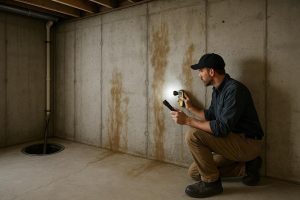
We look at the wall inside and out, the floor-wall joint, any cracks, the sump pit if there is one, the grading and the downspouts. - Find the entry point
We work out whether the moisture is condensation, surface dampness or water coming through a crack, joint or the drainage. - Written quote
You get the recommended repair, the price and the warranty in writing before any work is booked. If a coating and outside fixes are enough, we will say so. - Repair at the source
Crack injection from inside, interior drainage to a sump, or exterior excavation and membrane after Ontario One Call locates. - Walkthrough
We review the work with you and register the warranty.
Definitions and scope
Drylok is a brand of masonry waterproofing paint sold at hardware stores. Like similar products from other brands, it is brushed or rolled onto bare concrete or block on the inside of a basement wall, where it soaks into the surface and forms a dense coating that slows moisture moving through the masonry.
Professional basement waterproofing keeps groundwater from getting through the foundation, or collects it at the footing and pumps it out, so the basement stays dry. In practice that means one or more of: crack injection, interior weeping tile and a sump pump, exterior waterproofing with a membrane and new weeping tile, and water management such as grading and downspouts.
Damp-proofing, the black coating sprayed on the outside of many new foundations, is different again. It is not made to hold back water under pressure.
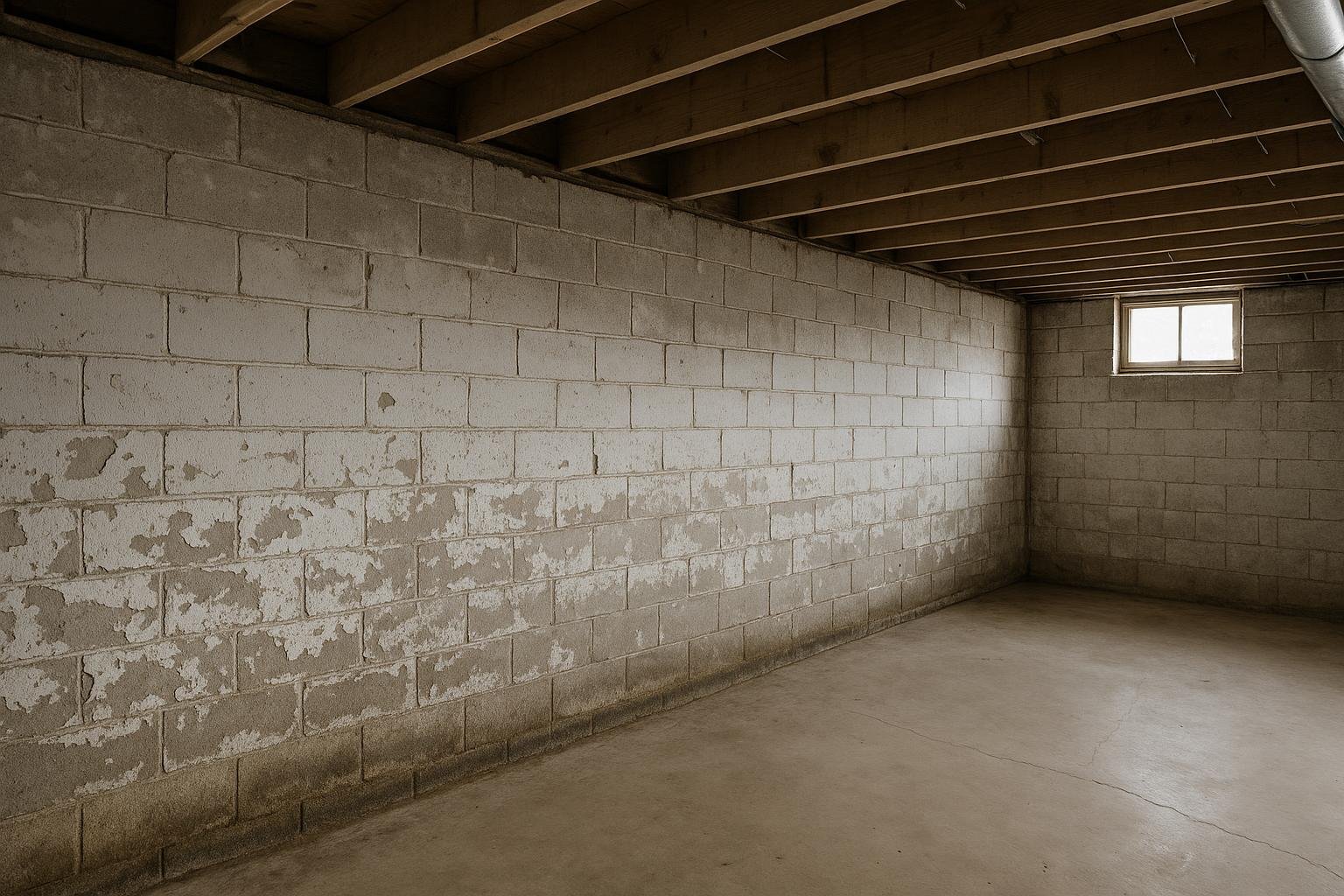
This guide covers poured-concrete and concrete-block basement walls in Ontario homes. It is general information, not a product endorsement, and it does not replace the manufacturer’s instructions for any coating.
Why this matters
A coating that hides a leak for a season can cost more in the long run. Water that keeps reaching the wall loosens the coating from behind, so it blisters and peels. If the basement is finished over a wall that is still leaking, the drywall, insulation and flooring take the damage, and mould can follow. Knowing whether you have surface dampness or an actual leak is the decision that matters most.
How a masonry coating works, and where it stops
A masonry waterproofing paint fills the tiny pores at the surface of concrete or block. On a sound wall with mild dampness, that can cut down the moisture you see and feel. Its limits come from where it sits: on the inside face of the wall.
- Hydrostatic pressure: when the soil outside is saturated, water pushes against the foundation. Ontario clay holds water for weeks after rain and snowmelt, so that pressure can last. A thin coating on the inside cannot hold water back the way a repair at the source can.
- Cracks that move: foundation cracks open and close with frost and settling. A coating at most bridges the surface, and a moving crack reopens it.
- The floor-wall joint: water that rises at the cold joint between the footing, wall and floor comes from below the coating’s reach.
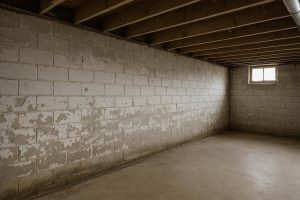
- Bonding: coatings need bare, clean masonry. They do not bond well over paint, sealers, heavy efflorescence or crumbling concrete.
Surface dampness or a real leak? How to tell
Before you buy any product, find out what kind of moisture you have. Tape a square of plastic sheet tightly to the wall and leave it for a day or two. If moisture collects on the room side of the plastic, the dampness is likely condensation from humid basement air, which a dehumidifier and ventilation address. If it collects on the wall side, moisture is coming through the wall.
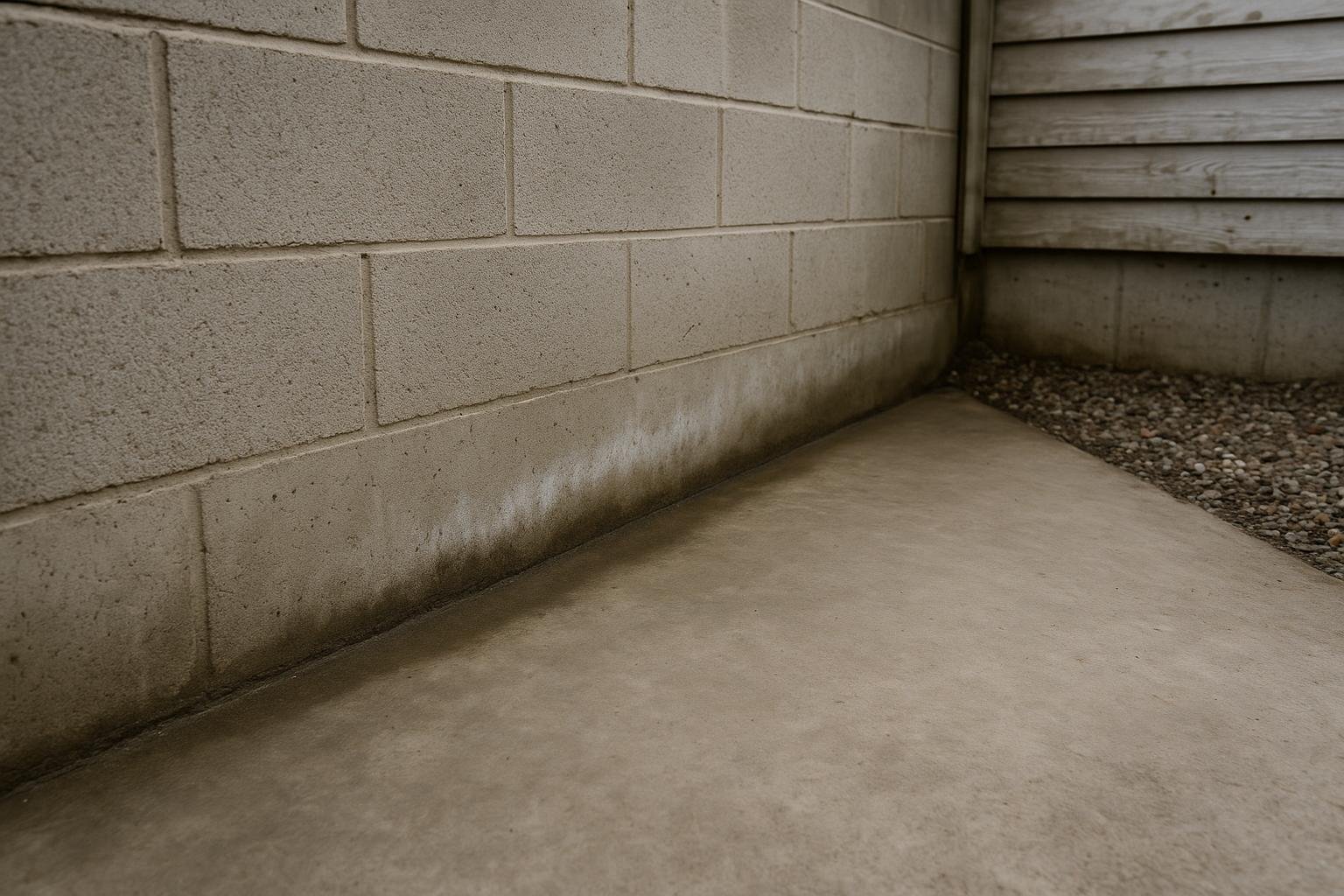
Wet basement diagnosis: coating or repair?
| What you see | What it usually means | Will a coating help? | What usually fixes it |
|---|---|---|---|
| Slight dampness on bare block, no visible water | Moisture moving through porous masonry | It may help | Grading and downspouts first, then a coating if needed |
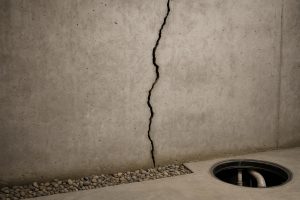
| Water trickling from a vertical crack | A crack open through the wall | No | Crack injection from inside, from $750 per crack |
| Water at the floor-wall joint | Groundwater pressure or failed weeping tile | No | Interior weeping tile and a sump pump |
| Whole wall wet along its length | Saturated soil and failed exterior drainage | No | Exterior waterproofing |
| Peeling paint and white powder | Water still reaching the wall from behind | No; it will peel again | Find and fix the source |
| Water pooling near a basement window | Blocked or missing window well drain | No | Window well drain repair |
| Condensation on cold walls in summer | Humid basement air | No | Dehumidifier and ventilation |
A quick guide, not a diagnosis. The right fix is always confirmed on site.
Drylok vs professional waterproofing, side by side
| Masonry waterproofing paint (for example Drylok) | Professional waterproofing | |
|---|---|---|
| What it treats | Surface dampness on bare, sound masonry | The water source: crack, cold joint, drainage or soil pressure |
| Where it works | Inside face of the wall | Through the crack, at the footing, or outside the wall |
| Handles groundwater pressure | No | Yes, by sealing the path or relieving and draining the water |
| Handles moving cracks | No | Yes, crack injection seals through the full depth |
| Surface preparation | Bare, clean masonry; no paint or sealer | Assessed on site |
| Typical cost | Low upfront; may need repeating | Crack injection from $750 per crack; other work quoted in writing after a free estimate |
| Warranty | Product limits only | DryShield work carries a lifetime transferable warranty |
What professional basement waterproofing involves
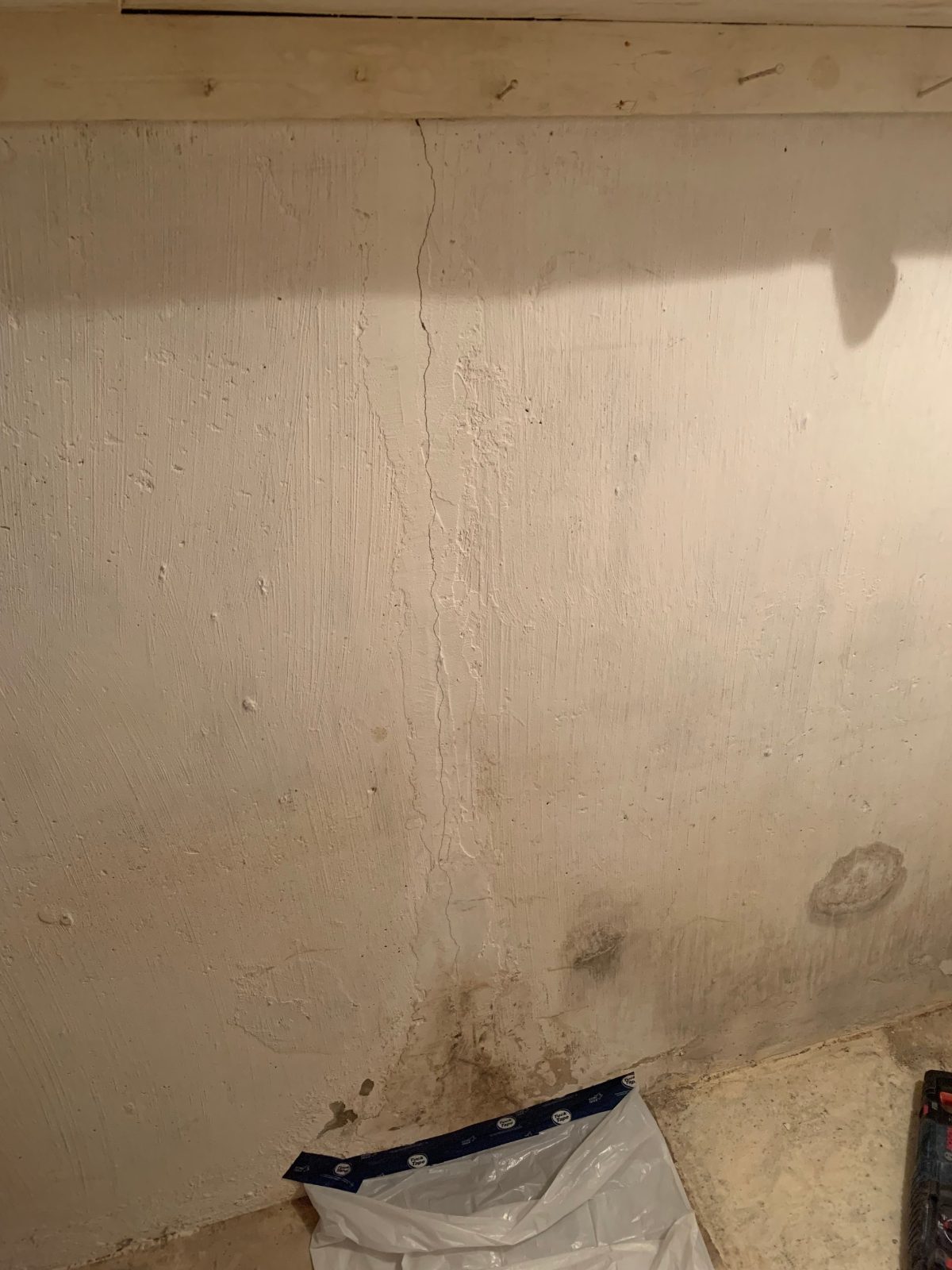
Crack injection. For a leaking crack in a poured-concrete wall, ports are set along the crack and resin is injected from inside until it fills the crack through the wall. Polyurethane is used for cracks that leak; epoxy is used for dry cracks where the wall’s strength is the concern. There is no digging, and most cracks take about two hours, depending on how many there are.
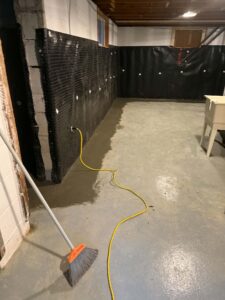
Interior weeping tile and a sump pump. For water at the floor-wall joint, the floor is opened along the perimeter, new drain pipe is laid at the footing and led to a sump pit, and the floor is re-poured. The water is collected before it reaches the floor and pumped out.
Exterior waterproofing. For a wall that is wet along its length, the soil is dug out to the footing, the wall is cleaned and repaired, and a membrane, drainage board and new weeping tile in clear stone are installed. This stops water at the outside of the wall.
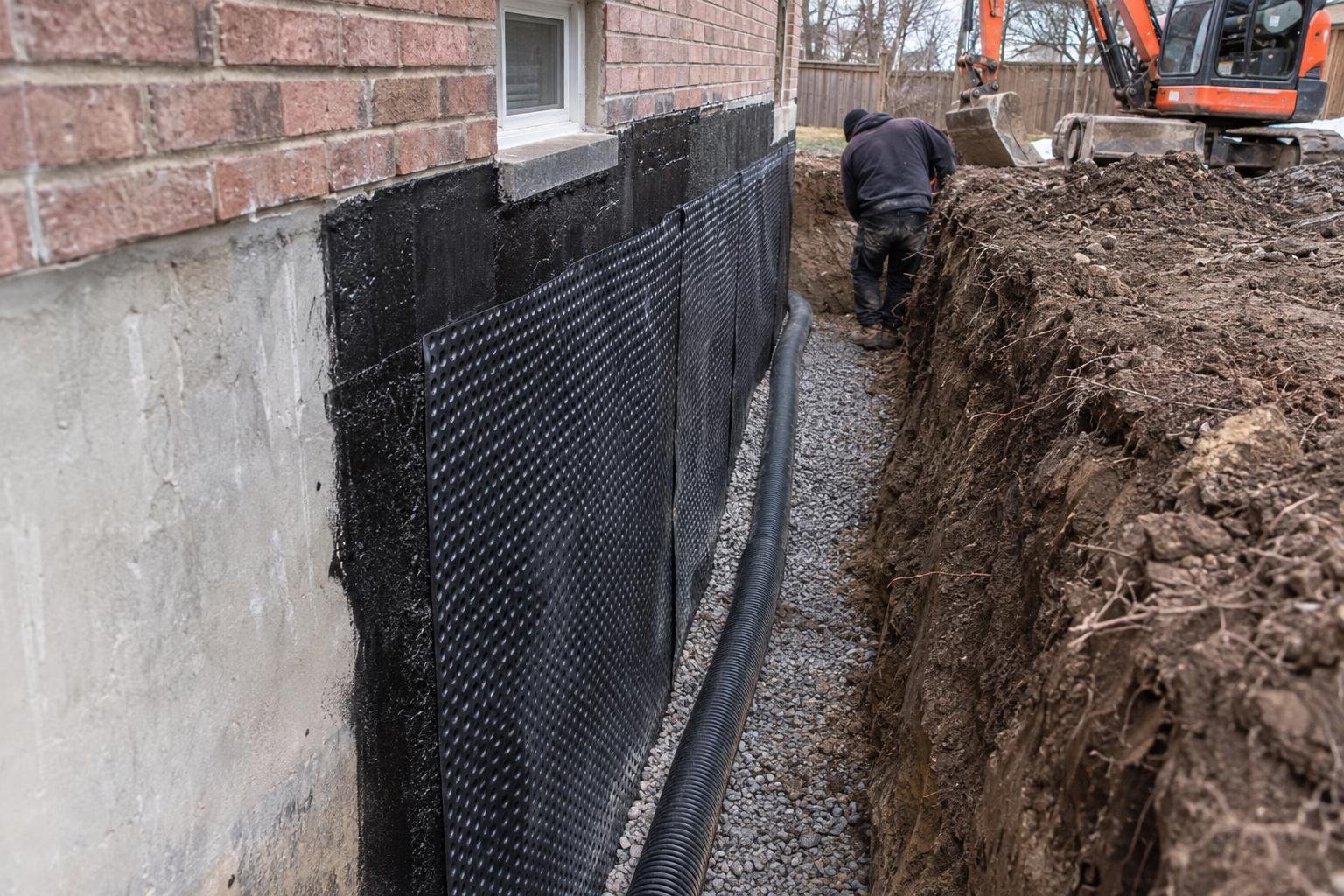
Water management. Gutters, downspout extensions, grading that slopes away from the house and working window well drains reduce how much water reaches the foundation in the first place. They are worth doing whatever else you choose.
When a coating is a reasonable choice
- The wall is bare, sound concrete or block with no paint or sealer on it.
- You see slight dampness or a darker patch, but no running water, puddles or water at the floor joint.
- There are no open, growing or leaking cracks.
- You have already fixed gutters, downspouts and grading outside.
- You are not about to finish the basement over that wall.
If any of these is not true, a coating is unlikely to solve the problem on its own.
Common mistakes
- Painting over a leak before winter. Spring melt usually brings the water back, and the coating peels.
- Coating over old paint. The new coating bonds to the paint, not the masonry, and lifts with it.
- Ignoring the outside. A downspout emptying beside the wall can undo any interior product.
- Finishing the basement too soon. Framing over a wall that has leaked hides the next leak until the damage is done.
- Treating a horizontal crack as a waterproofing job. A horizontal crack or a bowing wall can point to soil pressure and needs a structural engineer’s assessment first.
Ontario conditions to keep in mind
Much of Southern Ontario sits on clay and glacial till that drain slowly, so water stays against foundations long after a storm. Freeze-thaw cycles open and widen cracks every winter, and spring snowmelt raises the water table quickly. These are exactly the conditions where groundwater pressure, not surface dampness, causes leaks, which is why interior coatings so often fail in Ontario basements. For more on the wall itself, see how to waterproof concrete basement walls and how to stop water seeping through foundation walls.
Get Your Free Estimate
Reviewed by Jason Carrillo, DryShield · 25+ years of experience · Call 1.800.277.5411
Related basement wall guides
Frequently asked questions
When should you not use Drylok?
Skip it when water is actively coming through a crack, when water appears at the floor-wall joint, when the wall is already painted or sealed, or when there is heavy efflorescence or crumbling concrete. In each case the coating either will not bond or will not hold back the water, and the real cause is left untreated.
Is Zinsser or Drylok better?
Both brands make interior masonry waterproofing coatings for bare concrete and block, and both work the same basic way: they soak into and coat the surface. Neither one can stop water driven through a crack or up through the floor joint by groundwater pressure. Follow the maker’s surface-preparation rules; preparation matters more than the brand.
What is the cheapest method of waterproofing a basement?
For a dry, sound wall with only light dampness, the cheapest steps are outside: clean gutters, extend downspouts well away from the house and slope the soil away from the foundation. A masonry coating is the next cheapest step. If water is actually getting in, the cheapest lasting fix is the one that matches the cause, which a free estimate identifies.
Does Drylok stop water from coming through basement walls?
It can slow moisture moving through bare, porous masonry, which is why a wall may feel less damp afterwards. It does not seal moving cracks, failed cold joints or water rising from below the floor, so in those cases the leak usually returns.
Can I put Drylok over a foundation crack?
You can paint over a hairline crack, but the coating does not fill or bond across the crack, and a crack that moves with the seasons will reopen it. A leaking crack in a poured wall is normally sealed through its full depth with crack injection from inside.
How long does Drylok last on a basement wall?
It depends on surface preparation, how much moisture is behind the wall and whether the wall is finished over. Coatings on damp walls under constant pressure tend to blister and peel sooner. Check the product’s own guidance, and watch for peeling or white powder as signs that water is still getting through.
Can I finish my basement after applying Drylok?
Only if the wall has no active water problem. A coating on its own is not a reason to frame and drywall over a wall that has leaked. Fix any crack, drainage or grading problem first, then follow the Ontario Building Code for the wall assembly.
Is professional basement waterproofing worth it?
If water is getting in, usually yes, because repeated coatings, dehumidifiers and damage to finishes add up while the cause stays. If the wall is only slightly damp and nothing is entering, simple grading, downspout and coating steps may be enough. A free estimate tells you which situation you are in.
Does interior waterproofing paint count as waterproofing?
It is a surface coating. Basement waterproofing in the full sense keeps groundwater from getting through the foundation, or collects it at the footing and pumps it out. Paint does neither, so it should be treated as a damp-control step, not a waterproofing system.
If water is getting into your basement, or a coating has already peeled, book a free estimate with DryShield or visit the Basement Waterproofing Services page.
By Jason Carrillo, DryShield. Reviewed November 23, 2026. 25+ years of experience.