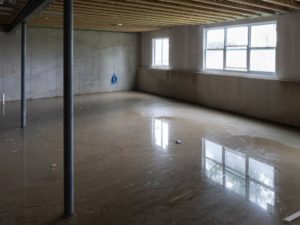
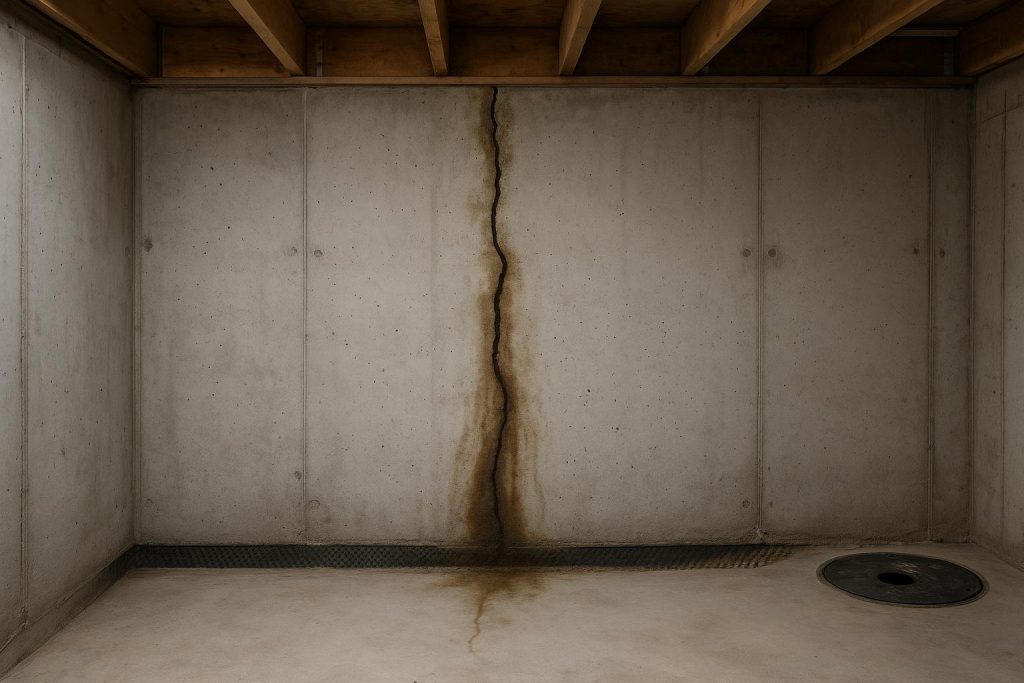
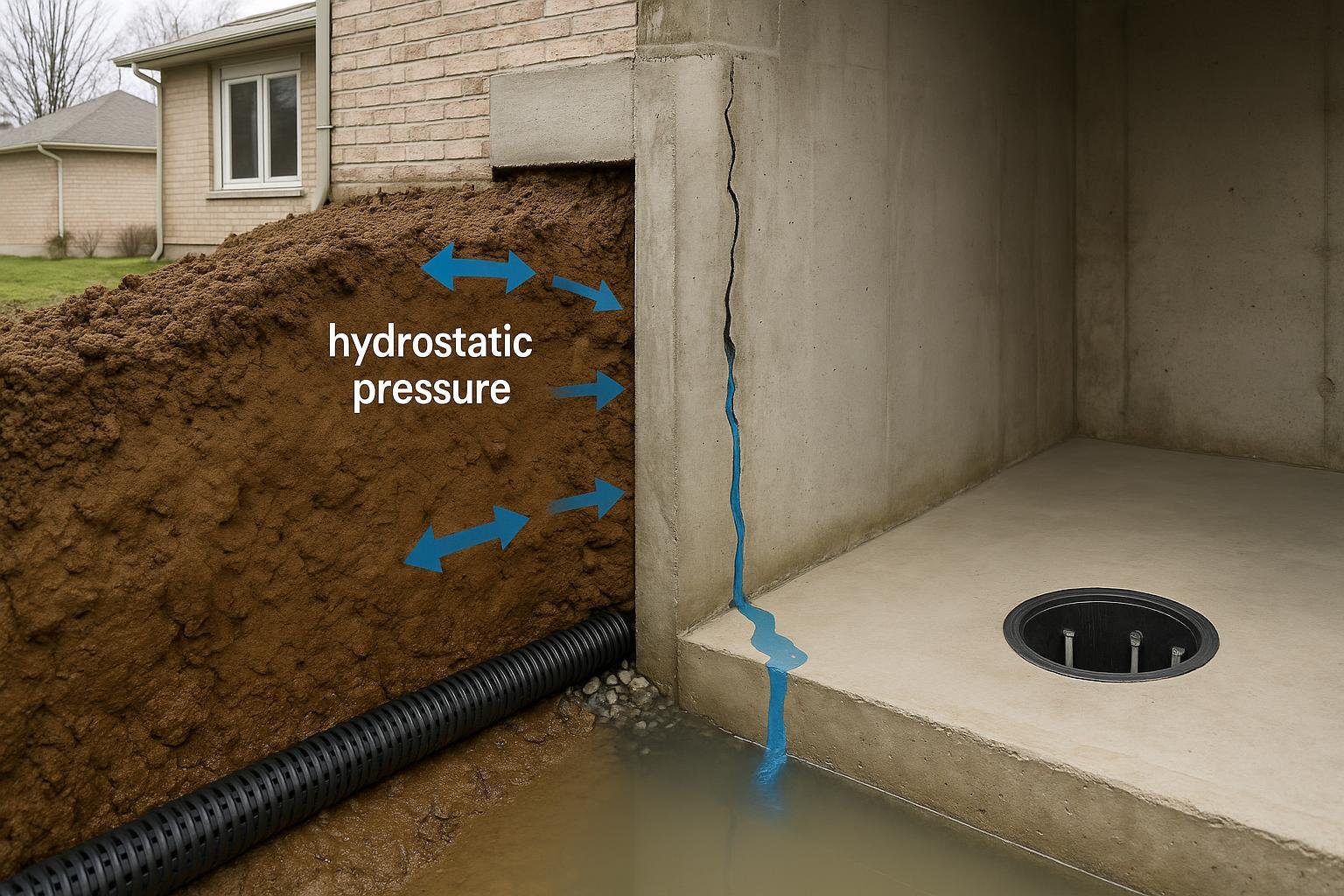
Foundation crack repair in Mississauga is one of the most common calls DryShield receives, and for good reason: Mississauga’s heavy lacustrine clay soils put constant hydrostatic pressure on basement walls, forcing water through even hairline cracks in poured-concrete foundations. The right repair method depends on the crack type, its location, whether it is actively leaking, and the soil and drainage conditions around your home. This guide explains every option, how to choose between them, what drives cost, and exactly what to do first when you find a wet crack.
- Mississauga’s clay and shale soils around the Credit River create year-round hydrostatic pressure that widens cracks over time.
- Polyurethane injection is the most common interior repair for actively leaking poured-concrete cracks; epoxy injection is used for dry, structural cracks.
- Exterior excavation seals the crack at its source and adds a waterproof membrane, but it is a larger project suited to persistent or wide cracks.
- DryShield backs crack injection repairs with a Lifetime Transferable Warranty, which can transfer to a new owner if you sell.
- First steps when a crack leaks: stop interior water with hydraulic cement or a temporary plug, document the crack with photos, then call a waterproofing specialist for a proper diagnosis.
Definitions & scope
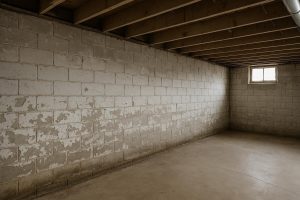
A foundation crack is any fracture in a basement wall or floor that breaks the continuity of the concrete or masonry. In Mississauga, the vast majority of residential foundations built after the 1960s are poured concrete, which cracks in predictable patterns: vertical shrinkage cracks from curing, diagonal cracks at window and door corners from differential settlement, and horizontal cracks from lateral soil pressure. Older homes in Port Credit, Lakeview, and Cooksville may have concrete-block or stone foundations that crack and shift differently.
This guide covers non-structural crack repair: polyurethane injection, epoxy injection, exterior excavation and sealing, and surface patching. It does not cover structural underpinning, wall anchors, or carbon-fibre strapping, which require a structural engineer’s assessment. If your crack is horizontal, stepped, or wider than 6 mm, consult a licensed engineer before booking any repair. See DryShield’s guide to identifying structural cracks for a detailed checklist.
For Mississauga homeowners, see how we approach foundation crack repair from first assessment to warranty.
The scope of this guide is limited to poured-concrete and concrete-block basement walls in single-family and semi-detached homes across Mississauga’s neighbourhoods, including Erin Mills, Meadowvale, Streetsville, Malton, Clarkson, Port Credit, Lakeview, Cooksville, and the Credit Valley area.
Why this matters
Mississauga sits on some of the densest lacustrine clay in the Greater Toronto Area. This clay, deposited by glacial Lake Iroquois, expands when wet and contracts when dry, creating cyclical lateral and vertical pressure on foundation walls. The Credit River corridor and the low-lying areas near Lake Ontario’s shoreline maintain a high water table that barely drops in wet seasons. When spring snowmelt and heavy rainfall combine, hydrostatic pressure against basement walls can be significant, and even a hairline crack becomes a pathway for water infiltration.
Untreated cracks allow water to carry dissolved minerals into the basement, producing the white chalky deposits called efflorescence. Over months and years, freeze-thaw cycling widens cracks further: water enters, freezes, expands, and forces the crack open. Mould can establish within 24 to 48 hours of sustained moisture, creating indoor air quality problems. Water damage also affects finished basement spaces, mechanical equipment, and the structural integrity of the wall over the long term.
From a real-estate perspective, a documented, warranted crack repair is a disclosure asset rather than a liability. An unrepaired crack that appears on a home inspection report in Mississauga’s competitive market can trigger price negotiations or condition clauses. Addressing cracks proactively, and retaining the warranty documentation, protects both the home and its resale value. See the GTA waterproofing ROI guide for broader context on value impact.
Mississauga also receives significant precipitation in the form of both rain and snow. The city’s flat topography in areas like Malton and Meadowvale can slow surface drainage, allowing water to pool against foundations rather than run off quickly. Homes on lots with negative grading or aging weeping tile are especially vulnerable.
Your options
Polyurethane crack injection
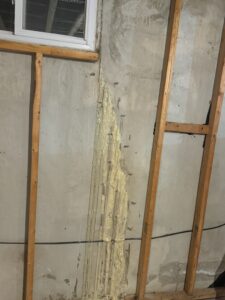
What it is: A two-part or single-component polyurethane foam or resin is injected under low pressure through ports drilled or surface-mounted along the crack. The material expands to fill the full depth and width of the crack from interior to exterior face.
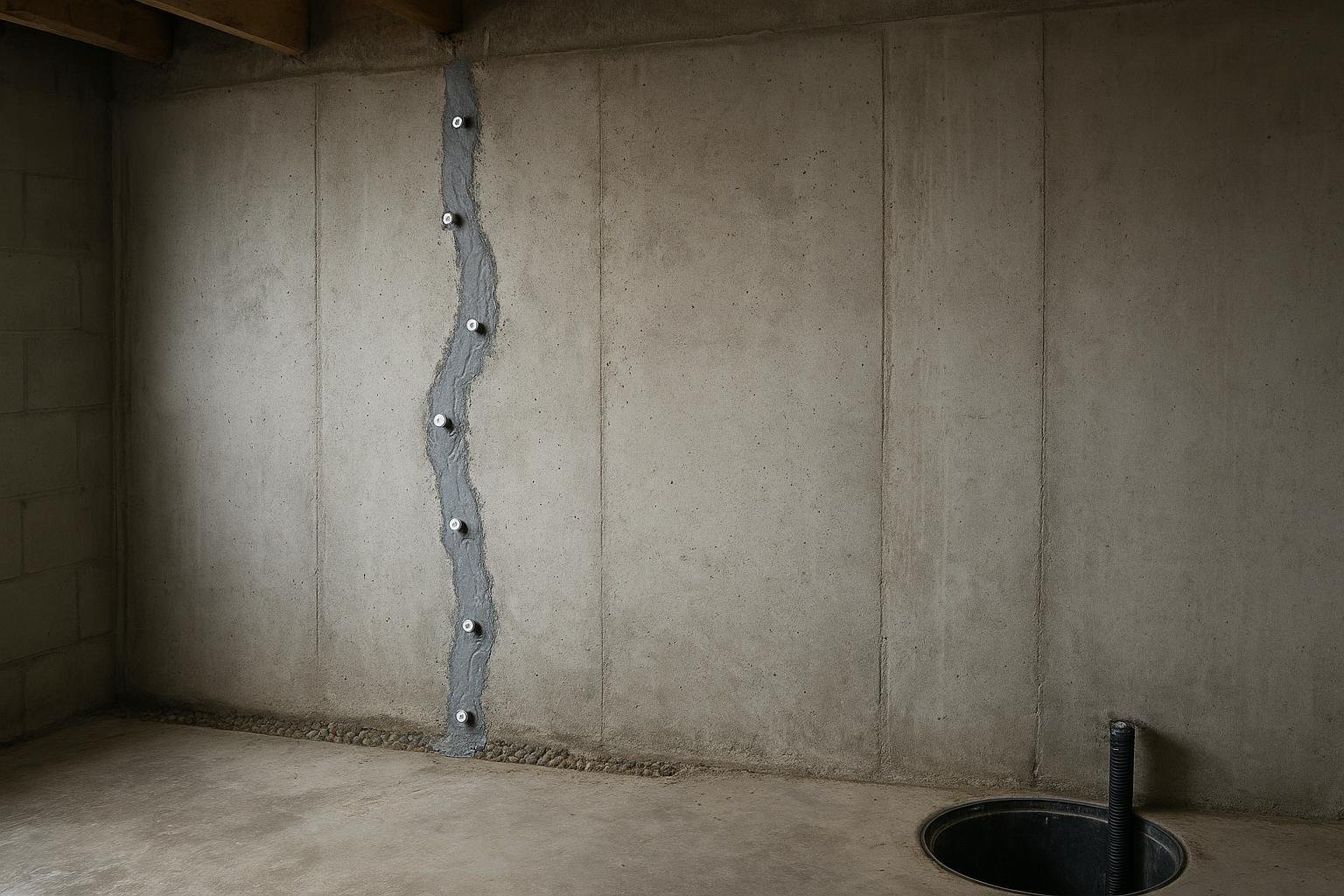
How it works: Ports are spaced along the crack, typically every 150 to 300 mm. The technician injects resin starting at the lowest port and works upward. The polyurethane reacts with moisture in the crack, expanding to create a flexible, waterproof seal. Because it remains flexible after curing, it can accommodate minor ongoing movement without re-cracking.
Best for: Actively leaking vertical and diagonal shrinkage cracks in poured-concrete walls. This is the most common repair for Mississauga homes because the clay soil creates ongoing minor movement that a rigid repair cannot tolerate.
Limitations: Does not address the exterior source of water pressure. Not suitable for horizontal cracks indicating lateral pressure, cracks wider than approximately 12 mm without supplemental preparation, or cracks in concrete-block walls where voids are too irregular for injection. Learn more on the polyurethane crack injection service page.
Epoxy crack injection
What it is: A two-part epoxy resin is injected into a dry crack to bond the two faces together, restoring much of the wall’s original tensile strength.
How it works: The crack must be dry before injection. Ports are installed, and low-viscosity epoxy is injected under controlled pressure. The epoxy penetrates hairline cracks and cures to a rigid, high-strength bond.
Best for: Dry, non-leaking structural cracks where restoring wall integrity is the priority, such as cracks that have stopped moving and are not associated with active water infiltration.
Limitations: Epoxy is rigid and will not flex with seasonal movement. If the crack continues to move, the epoxy bond can fail or a new crack can form adjacent to the repair. Cannot be used in wet or damp cracks. See the epoxy vs. polyurethane comparison for a detailed breakdown.
Exterior excavation and membrane sealing
What it is: The soil is excavated along the exterior of the foundation wall to expose the crack from the outside. The crack is cleaned, filled, and covered with a waterproof membrane and drainage board before backfilling.
How it works: A mini-excavator or hand-digging exposes the wall to footing depth. The crack is routed and filled with hydraulic cement or polyurethane, then the entire wall section is coated with a rubberized waterproof membrane. A dimple drainage board and new weeping tile may be installed before backfilling with clean granular material.
Best for: Persistent or wide cracks that have failed previous interior repairs, cracks associated with significant exterior water pressure, and situations where the homeowner wants to address the root cause rather than manage symptoms from the inside.
Limitations: Requires excavation, which means disrupting landscaping, decks, or driveways. Higher cost and longer project duration than injection. Not always feasible where structures are close to the foundation. See the exterior waterproofing service page for full details.
Surface patching and hydraulic cement
What it is: The crack surface is chiselled into a V-groove or undercut profile and filled with hydraulic cement, epoxy mortar, or a crystalline waterproofing compound applied from the interior.
How it works: The crack is prepared to improve mechanical adhesion. The patching material is trowelled in and allowed to cure. Hydraulic cement sets quickly even in the presence of active water flow, making it useful as a temporary stop.
Best for: Temporary emergency stops for actively flowing cracks while arranging a permanent repair. Also used for minor surface spalling that does not penetrate the full wall thickness.
Limitations: Surface patches do not penetrate the full depth of the crack and are prone to re-cracking as the wall moves. They are not a permanent waterproofing solution and are not covered by a long-term warranty. See the emergency crack repair guide for step-by-step first-response instructions.
Interior drainage system with crack management
What it is: Rather than sealing the crack, a perimeter drainage channel is installed at the base of the interior wall to intercept water that enters through the crack and direct it to a sump pump.
How it works: A channel is saw-cut into the concrete floor along the perimeter. A drainage pipe and gravel bed collect infiltrating water and route it to a sump pit. The crack itself may be left open or lightly sealed at the surface.
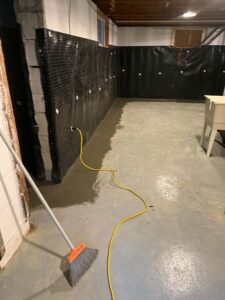
Best for: Homes with multiple cracks, block foundations with widespread seepage, or situations where the wall cannot be injected effectively. Also appropriate when the homeowner wants a comprehensive interior waterproofing system rather than individual crack repairs.
Limitations: Manages water rather than stopping it at the source. Requires a functioning sump pump and power supply. Ongoing maintenance of the sump system is necessary. Learn more at the interior waterproofing service page.
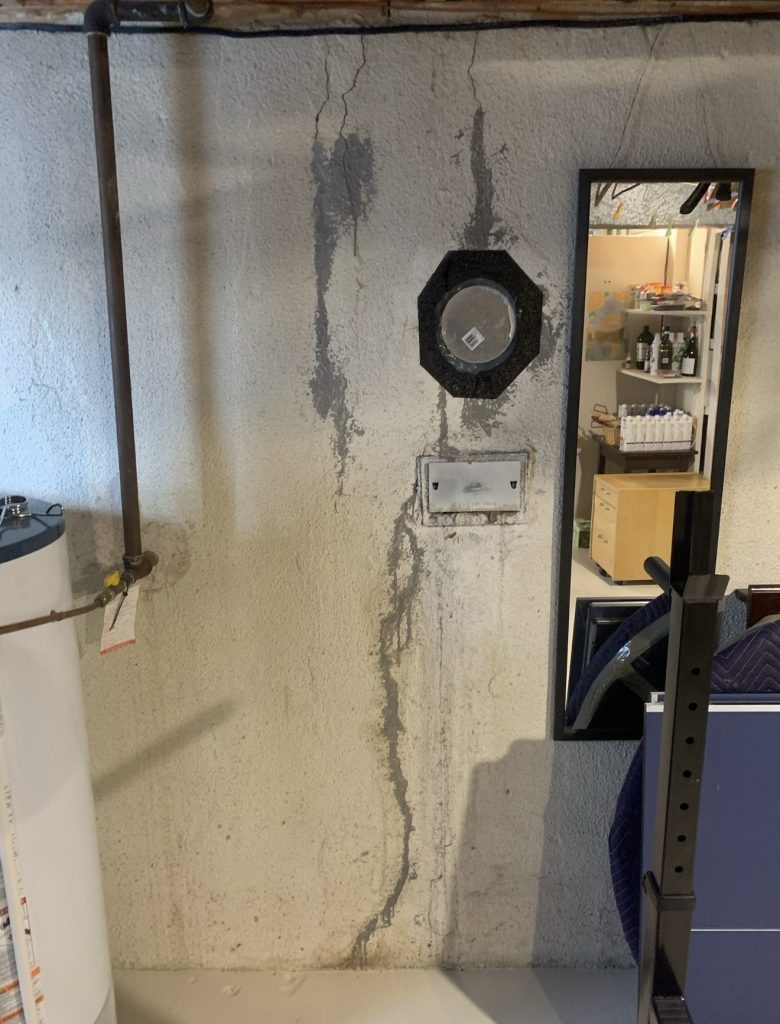
Foundation crack repair options compared
| Method | Best for | Typical considerations | Durability / limitations |
|---|---|---|---|
| Polyurethane injection | Active leaking vertical / diagonal cracks, poured concrete | Interior access only; minimal disruption; 1 day or less | Flexible seal; backed by Lifetime Transferable Warranty; not for horizontal cracks |
| Epoxy injection | Dry, non-moving structural cracks | Crack must be fully dry; rigid bond restores wall strength | High strength; can re-crack if movement continues; not for wet cracks |
| Exterior excavation + membrane | Persistent cracks, failed interior repairs, wide cracks | Excavation required; landscaping disruption; multi-day project | Addresses root cause; longest-lasting; highest cost driver |
| Surface patching / hydraulic cement | Temporary emergency stop | Fast; low cost; DIY-possible for temporary use | Not a permanent fix; prone to re-cracking; no warranty |
| Interior drainage system | Multiple cracks, block foundations, widespread seepage | Manages water rather than sealing; requires sump pump | Effective long-term management; ongoing sump maintenance required |
For most Mississauga homeowners with a single leaking vertical crack in a poured-concrete wall, polyurethane injection is the most practical and cost-effective permanent repair. It can be completed in a single visit, requires no excavation, and is backed by a warranty. Exterior excavation becomes the preferred choice when a crack is wide, has failed a previous injection, or is associated with significant exterior drainage problems. Interior drainage systems are best reserved for homes with pervasive seepage that cannot be addressed crack by crack. Surface patching should be treated as a temporary measure only.
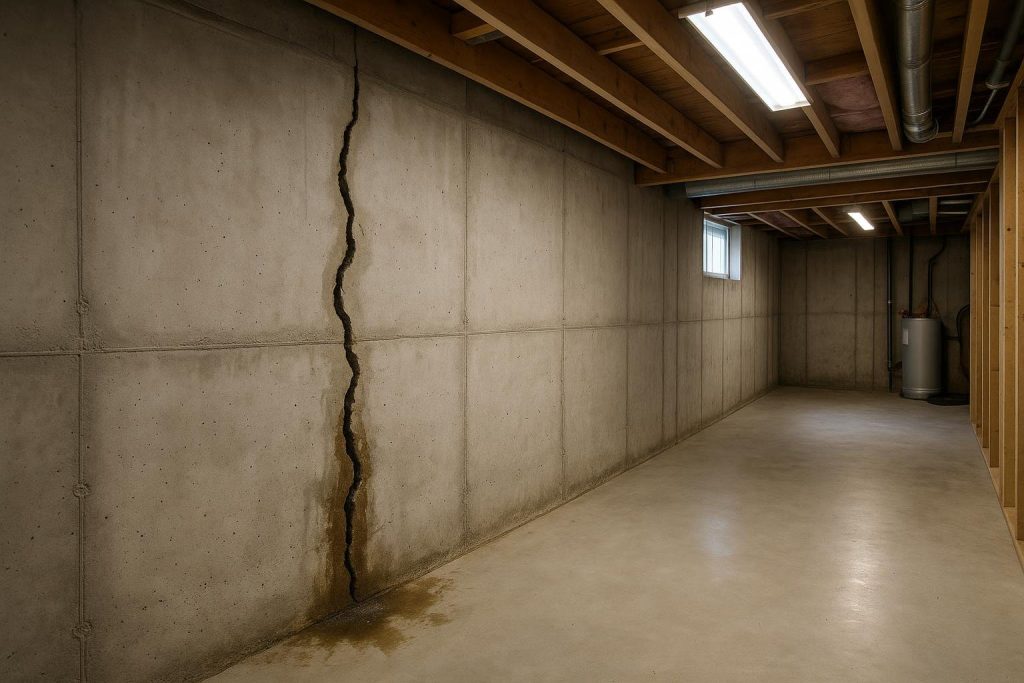 How to choose
Use the following decision framework to identify the right starting point for your Mississauga home.
Choose polyurethane injection if: The crack is vertical or diagonal, located in a poured-concrete wall, and is actively leaking or has leaked in the past. The crack width is under approximately 12 mm. You want a minimally invasive repair completed in one day with a transferable warranty. This applies to the majority of shrinkage cracks found in Mississauga homes built between the 1960s and 2000s in areas like Erin Mills, Meadowvale, and Streetsville.
Choose epoxy injection if: The crack is dry, has not leaked, and you are concerned about restoring wall integrity rather than waterproofing. This is less common in Mississauga’s wet clay environment but may apply to cracks in a newly finished basement where moisture has never been observed.
Choose exterior excavation if: A previous injection repair has failed, the crack is wider than 12 mm, the crack is associated with significant exterior grading or drainage problems, or you want to address the waterproofing of the entire wall section rather than the crack alone. Also appropriate for homes in low-lying areas near Lake Ontario or the Credit River where exterior water pressure is consistently high.
Choose an interior drainage system if: You have a concrete-block foundation with widespread seepage through multiple joints, or you have more than three or four active cracks and the wall cannot be effectively injected. This is also the right choice if you are finishing the basement and want comprehensive protection regardless of where future seepage may occur.
Start with a professional diagnosis if: The crack is horizontal, stepped, or wider than 6 mm, or if you see bowing or displacement of the wall. These signs may indicate lateral soil pressure requiring a structural assessment before any waterproofing work. Use DryShield’s foundation crack diagnosis tool as a first reference, then book an on-site inspection.
For a broader comparison of interior versus exterior approaches, see the interior vs. exterior waterproofing comparison page.
Costs & timelines
Verified current price quotes for Mississauga are not available through this automated route. The following cost drivers are ranked by their typical influence on total project cost. For indicative price ranges consistent with DryShield’s published guidance, see the crack injection cost page.
| Cost driver | Why it matters | Relative impact |
|---|---|---|
| Repair method | Injection is less labour-intensive than excavation; interior drainage involves concrete cutting and sump installation | Highest |
| Crack length and depth | Longer or deeper cracks require more material and more injection ports | High |
| Number of cracks | Multiple cracks on one visit may reduce per-crack cost; each additional crack adds material and labour | High |
| Access conditions | Finished walls, low ceilings, or stored items that must be moved increase labour time | Moderate |
| Excavation requirements | Depth to footing, proximity to structures, and soil conditions affect excavation cost significantly | High (exterior only) |
| Supplemental drainage work | Adding weeping tile, a sump pump, or a drainage board alongside crack repair increases total cost | Moderate to high |
Polyurethane injection for a single crack is typically a half-day or less. Exterior excavation for one wall section commonly takes one to two days, depending on depth and access. Interior drainage system installation is a multi-day project. All timelines assume normal access and no unforeseen conditions. Request an on-site assessment for a written estimate specific to your home.
Risks & common mistakes
Delaying repair: The most common mistake Mississauga homeowners make is monitoring a crack without repairing it. Mississauga’s clay soils mean that hydrostatic pressure is present for much of the year, and a small crack that seeps occasionally will typically worsen over multiple freeze-thaw cycles. Water that enters carries dissolved calcium, widening the crack and depositing efflorescence on the wall surface.
Using surface patching as a permanent fix: Hydraulic cement and surface-applied sealants do not penetrate the full depth of the crack. They are appropriate as a temporary emergency measure but will fail within one to two seasons in most cases. Homeowners who rely on surface patches often find the crack re-opens in a slightly different location adjacent to the patch.
Choosing the wrong method for the crack type: Epoxy injection in a wet crack will not bond properly and the repair will fail. Polyurethane injection in a horizontal crack caused by lateral soil pressure treats the symptom without addressing the cause. Matching the method to the crack type and cause is essential.
Ignoring grading and drainage: A crack repair will last longer when surface water is directed away from the foundation. Negative grading, clogged eavestroughs, and downspouts that discharge against the foundation all increase the hydrostatic load on a repaired crack. Correcting these conditions is a low-cost complement to any crack repair.
Hiring without verifying warranty terms: Not all crack injection warranties are equal. Confirm whether the warranty is transferable, what it covers, and how long it lasts before signing a contract. DryShield’s Lifetime Transferable Warranty covers the repaired crack for the life of the home and transfers to a new owner, which is a meaningful disclosure asset in a Mississauga real-estate transaction.
Skipping a professional diagnosis for horizontal or bowing cracks: Horizontal cracks in a basement wall can indicate lateral pressure from saturated clay soil, which is a structural concern. Injecting or patching such a crack without a structural assessment can mask a worsening condition. Always have horizontal or bowing cracks evaluated by a qualified professional before proceeding with any repair.
How the process works
The following steps describe a typical polyurethane crack injection repair for a leaking poured-concrete wall in a Mississauga home. Exterior excavation and interior drainage system installations follow different sequences and will be outlined at the time of your assessment.
- On-site inspection and diagnosis: A DryShield technician inspects the crack, measures its length and width, checks for horizontal displacement or bowing, and assesses the interior and exterior drainage conditions. The appropriate repair method is confirmed and a written estimate is provided.
- Surface preparation: The crack face is cleaned of loose concrete, efflorescence, and any previous patching material. Port locations are marked at regular intervals along the crack.
- Port installation: Injection ports are surface-mounted or drilled into the crack at the marked intervals. The crack surface between ports is sealed with an epoxy paste to contain the injected resin.
- Polyurethane injection: Resin is injected at low pressure starting from the lowest port. The technician monitors each port for resin breakthrough before moving to the next, ensuring the full depth of the crack is filled.
- Cure and inspection: The polyurethane is allowed to cure. The technician inspects the repair, removes the surface ports, and confirms the crack is sealed. The work area is cleaned.
- Warranty documentation: The completed repair is documented and the Lifetime Transferable Warranty is issued. Homeowners are advised to retain this documentation for disclosure purposes.
- Follow-up guidance: The technician advises on grading, downspout extensions, and any supplemental drainage measures that would reduce future hydrostatic pressure on the repaired area.
Frequently asked questions
What is the first thing I should do when I find a leaking crack in my Mississauga basement?
Stop the immediate water entry using hydraulic cement or a temporary plug if water is actively flowing. Move any belongings, mechanical equipment, or stored items away from the wet area. Photograph the crack from multiple angles, noting its length, width, and the location of any active seepage. Then contact a waterproofing specialist for a proper diagnosis. Do not apply a permanent surface patch until the crack type and cause have been assessed, as the wrong repair can mask a worsening condition.
How much does foundation crack repair cost in Mississauga?
Verified current pricing for Mississauga is not available through this route. Cost depends on the repair method, crack length, number of cracks, and access conditions. Polyurethane injection for a single crack is the lowest-cost permanent option. Exterior excavation is significantly more. See DryShield’s crack injection cost page for published indicative ranges, and request an on-site estimate for a figure specific to your home.
Why do Mississauga homes crack more than homes in other parts of the GTA?
Mississauga’s heavy lacustrine clay soils expand when saturated and contract when dry, creating cyclical pressure on foundation walls throughout the year. The high water table near Lake Ontario and the Credit River corridor means hydrostatic pressure is present for much of the year. These conditions, combined with Ontario’s freeze-thaw cycling, make cracking common in Mississauga’s poured-concrete homes, particularly those built between the 1960s and 1990s.
Is polyurethane injection a permanent repair?
Polyurethane injection, when performed correctly on an appropriate crack type, is a permanent waterproofing repair for that crack. The flexible foam accommodates minor ongoing wall movement without re-cracking. DryShield backs its injection repairs with a Lifetime Transferable Warranty. However, injection does not address the exterior source of water pressure, so complementary grading and drainage improvements are recommended to reduce the load on the repaired area over time.
Can I repair a foundation crack myself?
DIY crack injection kits are available, but they typically deliver resin at lower pressure and with less control than professional equipment, which can result in incomplete filling of the crack’s full depth. Surface patching with hydraulic cement is a reasonable temporary measure for an actively flowing crack while you arrange professional repair. For a permanent, warranted result, professional injection with calibrated low-pressure equipment is recommended. See the foundation crack repair service page for what a professional assessment includes.
Does home insurance cover foundation crack repair in Mississauga?
Standard Ontario home insurance policies generally do not cover foundation crack repair resulting from gradual water infiltration, hydrostatic pressure, or normal settling. Coverage may apply if a crack results from a sudden, accidental event such as a burst pipe. Review your specific policy and speak with your broker. The Ontario home insurance and foundation crack guide provides a detailed overview of what is and is not typically covered.
What is a Lifetime Transferable Warranty and why does it matter when selling?
DryShield’s Lifetime Transferable Warranty covers the repaired crack for the life of the home and can be transferred to a subsequent owner at the time of sale. In Mississauga’s real-estate market, a crack that appears on a home inspection report without documentation of repair can trigger price negotiations. A warranted, documented repair converts a potential liability into a disclosure asset, demonstrating that the issue was identified and professionally resolved. Retain all warranty paperwork with your property records.
How do I know if my crack is structural or just a shrinkage crack?
Vertical cracks that run straight up and down and are narrower than approximately 3 mm are most commonly shrinkage cracks from concrete curing and are not structural. Horizontal cracks, stepped diagonal cracks in block foundations, cracks wider than 6 mm, or any crack accompanied by wall bowing or displacement may indicate a structural concern. Use DryShield’s structural crack identification guide as a reference, and have any crack that concerns you assessed in person before booking a repair.
Who should I call for foundation crack repair in Mississauga?
Call a basement waterproofing specialist with experience in poured-concrete crack injection and knowledge of Mississauga’s soil conditions. Verify that the contractor offers a written warranty, carries liability insurance, and provides a written estimate before starting work. DryShield has served Mississauga and the broader GTA for over 25 years. Visit the Mississauga service page or the contact page to request an assessment.
If you have found a crack in your Mississauga basement wall, the best next step is a professional on-site assessment. DryShield’s team serves Mississauga and the surrounding GTA with polyurethane crack injection, exterior waterproofing, and interior drainage solutions, all backed by a Lifetime Transferable Warranty. Visit the crack injection service page to learn more, or contact DryShield to schedule an inspection.