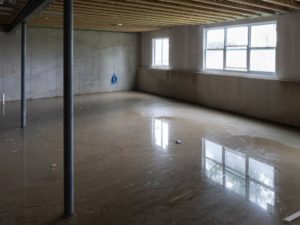
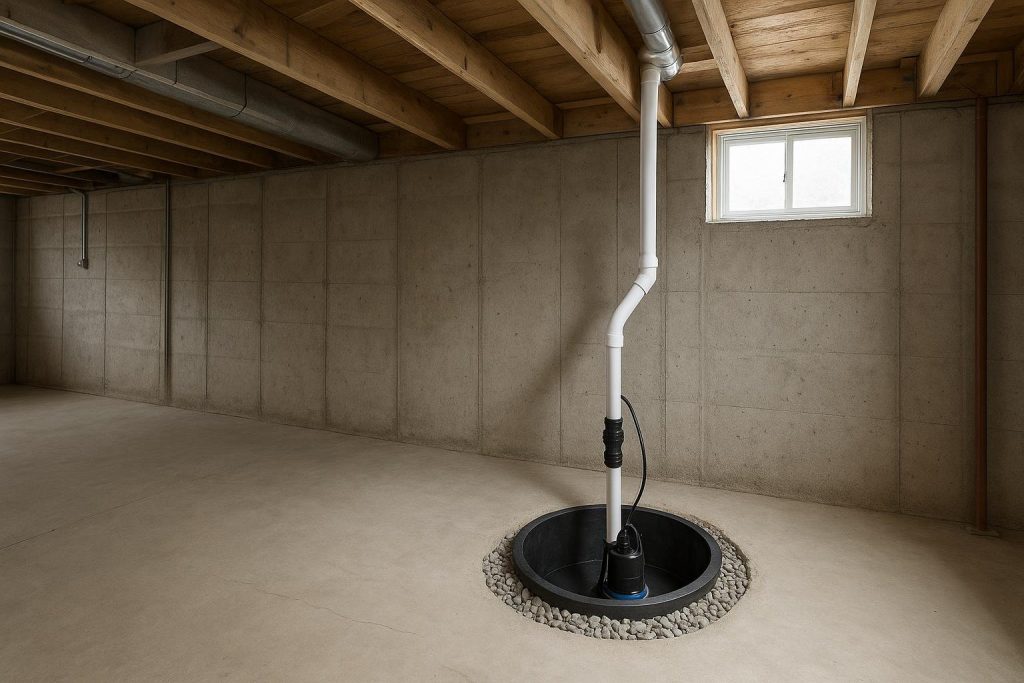
Sump pump installation Vaughan homeowners need most urgently arrives in spring, when snowmelt and rain combine to push hydrostatic pressure against foundations sitting in heavy clay soil. A correctly sized and properly positioned sump pump is the last line of defence in any interior waterproofing system, collecting water that weeping tile channels to the basin and discharging it safely away from the footing before it can flood the floor.
Key Takeaways
- Vaughan’s clay-heavy soil holds water against foundation walls long after rain stops, making a sump pump essential rather than optional for most homes.
- The right pump type, basin size and discharge route depend on your basement depth, water volume and whether you have an existing weeping tile system.
- A battery backup unit is strongly recommended for Vaughan homes, where power outages during storms are the exact moment the primary pump is working hardest.
- Installation cost depends on whether new weeping tile must be laid, the depth of excavation and the length of the discharge line.
- A professional inspection before installation confirms whether the pump alone will solve the problem or whether perimeter drainage work is needed first.
Definitions and Scope
A sump pump is a submersible or pedestal electric pump installed in a pit, called a sump basin, cut into the lowest point of the basement floor. Water that collects under the slab or alongside the footing drains by gravity into the basin. When the water level rises to a set float trigger, the pump activates and pushes the water through a discharge pipe to daylight, typically to the rear yard or a storm drain connection.
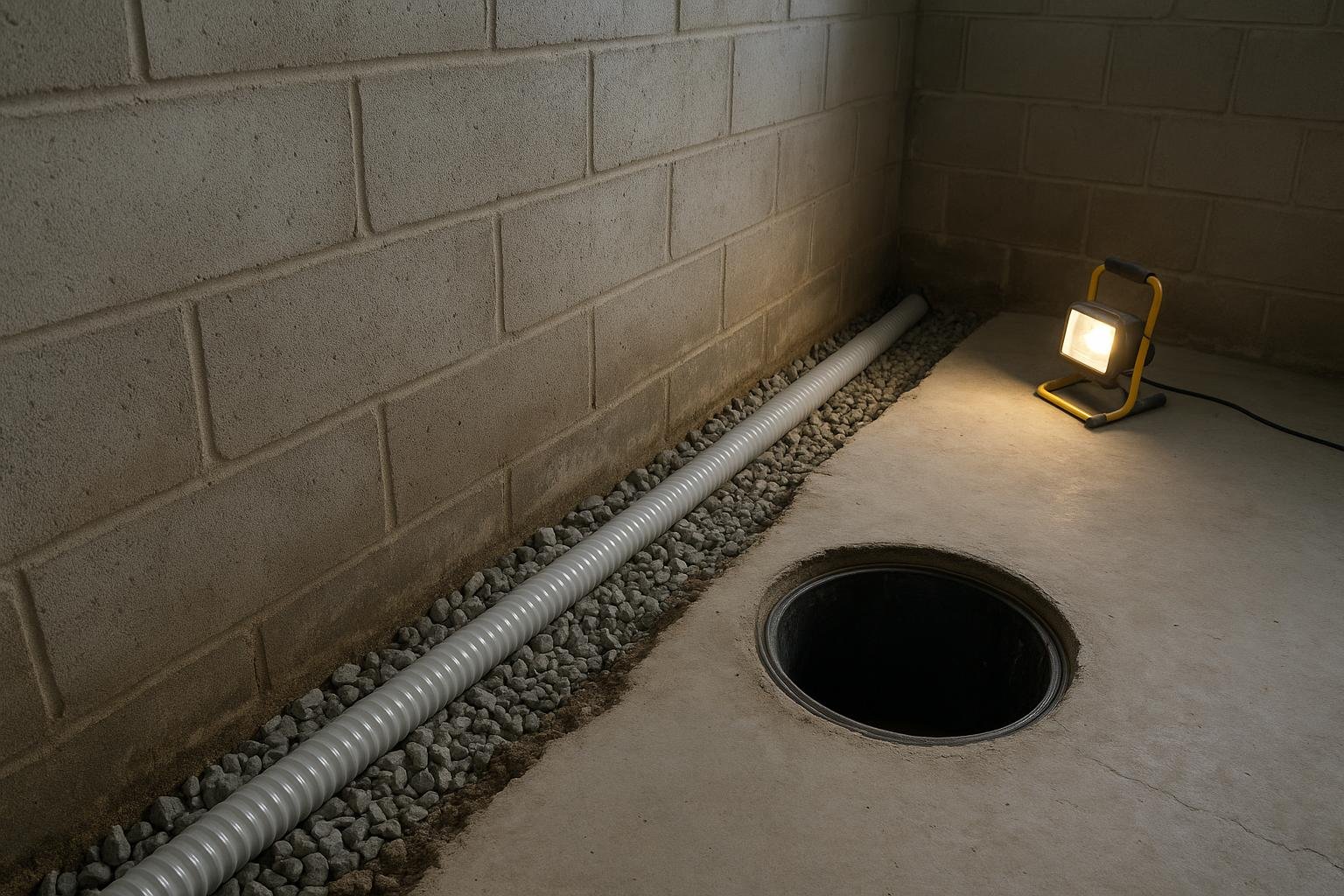
Scope matters here because a sump pump is one component of a drainage system, not a standalone fix. In most Vaughan homes the pump works alongside interior weeping tile, a perforated pipe bedded in clear stone around the perimeter of the basement floor that collects groundwater and directs it to the basin. Without that drainage channel, a pump sitting in a plain pit will only catch water that reaches the basin directly, missing the seepage that travels along the footing.
This guide covers pedestal and submersible primary pumps, battery backup systems, combination units, and the weeping tile work that typically accompanies a full sump pump installation Vaughan crews complete in the York Region context.
Why This Matters for Vaughan Homeowners
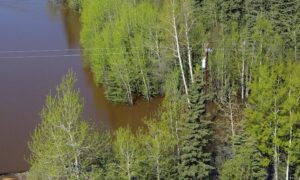
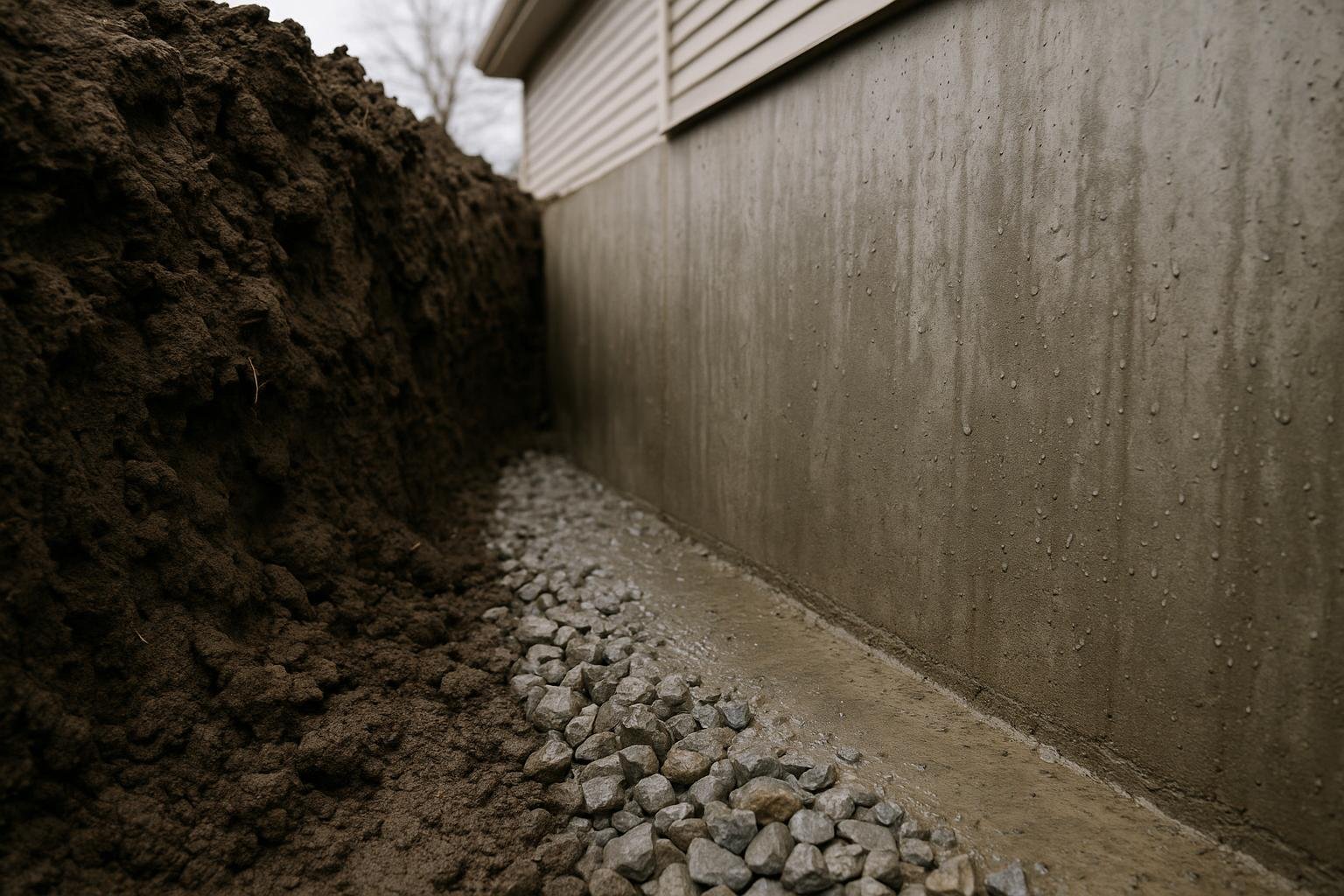
Vaughan sits on a band of Leda clay and glacial till that drains poorly. After a heavy rain or spring thaw, water does not percolate away quickly. It builds up against foundation walls and under slabs, creating hydrostatic pressure that forces moisture through the smallest crack or joint. Homes in Woodbridge, Maple, Kleinburg and Concord all share this soil profile.
The City of Vaughan’s storm sewer network handles surface runoff, but it cannot relieve the subsurface pressure that builds up over days after a rainfall event. That sustained pressure is what causes basement flooding in homes that appeared dry for years. Older subdivisions in Woodbridge, in particular, have original weeping tile systems that are now 40 or 50 years old. Clay and silt have silted those pipes completely, so they no longer drain to the municipal system. A new interior weeping tile loop connected to a modern sump pump replaces that failed system entirely.
Spring thaw is the peak failure window. Frozen ground thaws from the surface down, so meltwater cannot percolate and instead runs laterally toward the lowest point, which is usually the foundation. A sump pump that was adequate in summer may be overwhelmed in April without a backup system in place. The CMHC guidance on basement moisture management, available at cmhc-schl.gc.ca, identifies hydrostatic pressure as the leading cause of residential basement flooding in Ontario clay-soil regions, consistent with what DryShield crews observe on Vaughan job sites every spring.
If your basement has shown signs of water entry, the guide to basement flooding in Vaughan covers the full range of causes and fixes that may accompany a pump installation.
Your Options for Sump Pump Installation Vaughan
Submersible Primary Pump
A submersible pump sits inside the sump basin, fully below the water line. The motor is sealed and cooled by the water surrounding it. Submersible units are quieter than pedestal pumps, handle higher water volumes, and are better suited to Vaughan basements where the basin may fill quickly during spring thaw. Most residential submersible pumps are rated between 1/3 and 3/4 horsepower. Best for finished or semi-finished basements where noise is a concern and for homes with high seasonal water tables. Limitation: the motor is harder to service without removing the pump from the basin.
Pedestal Pump
A pedestal pump mounts the motor on a column above the basin, with only the intake pipe submerged. The motor is accessible without entering the pit, which makes inspection and servicing straightforward. Pedestal units are typically less expensive to purchase than submersible models of equivalent capacity. Best for unfinished utility basements where noise is not a concern and where easy access for annual maintenance is a priority. Limitation: the exposed motor is louder and the column takes up space in the basin area.
Battery Backup Pump
A battery backup unit is a secondary pump powered by a 12-volt or 24-volt deep-cycle battery. It activates automatically when the primary pump fails or when the power goes out. In Vaughan, summer thunderstorms that cause the highest inflow are the same events most likely to knock out hydro. A backup pump with a charged battery can run for several hours at reduced capacity, enough to protect the basement through a typical outage. Best for any home where the primary pump is the only barrier between the basement and flooding. Limitation: the battery requires annual testing and replacement every three to five years.
Combination Primary and Backup Unit
Some manufacturers produce a single housing that contains both a primary submersible pump and a battery backup pump in one basin. The primary runs on AC power; the backup switches to DC automatically. This is a compact solution for basements with limited pit space. Best for newer Vaughan homes with tight mechanical rooms. Limitation: if the basin itself is undersized, neither pump can compensate for inadequate water collection.
Interior Weeping Tile System with Sump Pump
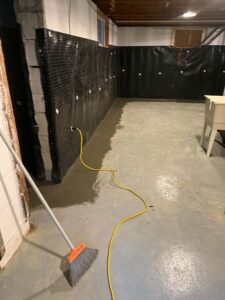
This is the full interior waterproofing solution. The perimeter of the basement floor is jackhammered open, a perforated weeping tile pipe is laid in clear stone alongside the footing, and the concrete is re-poured. The weeping tile drains by gravity to the sump basin, where the pump discharges the water outside. A vapour barrier is run up the wall to direct any wall seepage into the drainage channel rather than onto the floor. Best for Vaughan homes with active perimeter seepage, failed original weeping tile or a history of flooding. Limitation: it is the most disruptive and highest-cost option, though it addresses the root cause rather than just the symptom.
Exterior Grading and Discharge Correction
Sometimes a sump pump is working correctly but the discharge line terminates too close to the foundation, or the yard grading directs water back toward the house. Correcting the discharge route and re-grading the soil away from the foundation reduces the volume of water the pump must handle. Best for homes where the pump runs constantly but the basement stays damp. Limitation: grading alone will not solve a high water table problem in Vaughan clay.
Options Compared
| Option | Best For | Typical Lifespan | Relative Cost | Disruption |
|---|---|---|---|---|
| Submersible primary pump | Finished basements, high inflow volume | 7 to 12 years | Moderate | Low (basin only) |
| Pedestal primary pump | Utility basements, easy-access preference | 10 to 15 years | Lower | Low (basin only) |
| Battery backup pump | Any home as a secondary layer | Battery 3 to 5 years | Low to moderate add-on | Minimal |
| Combination unit | Limited pit space, newer builds | 7 to 12 years primary | Moderate to higher | Low |
| Interior weeping tile plus pump | Active perimeter seepage, failed tile | 25 to 30 years system | Higher | High (floor jackhammer) |
| Discharge and grading correction | Pump running constantly, minor seepage | Ongoing maintenance | Lowest | Minimal |
The table shows that a submersible pump with a battery backup covers most Vaughan residential situations at moderate cost and low disruption. The interior weeping tile system has the highest upfront cost and disruption but is the only option that addresses failed perimeter drainage at the footing level. Grading and discharge corrections are the lowest-cost intervention but only work when the pump itself is functioning and the water volume is manageable.
How to Choose
For sump pump installation Vaughan properties need most often, choose a submersible primary pump with a battery backup if your basement is dry most of the year but floods during spring thaw or heavy summer rain. This combination handles the high-volume, short-duration events that are most common in Vaughan without requiring floor demolition.
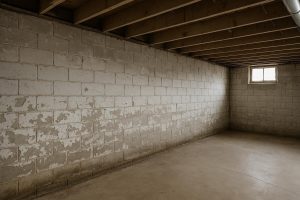
Choose the full interior weeping tile system with a new sump pump if you have visible water seeping along the base of the walls, white efflorescence on the concrete block, or a history of standing water on the floor after every significant rain. These are signs that the original drainage system has failed and a pump alone will not collect the water before it enters the living space.
Choose a pedestal pump if the basement is unfinished, the water volume is low, and budget is the primary concern. Plan to upgrade to a submersible unit within five years if the home is ever finished.
Choose a combination unit if the mechanical room is compact and you want primary and backup protection in a single basin without running a second discharge line.
Choose grading and discharge correction first if the pump is already installed and operational but the basement stays damp. Confirm the discharge terminates at least 1.8 metres from the foundation and that the grade slopes away from the house at a minimum of 5 percent over the first 1.5 metres, as recommended under the Ontario Building Code.
A battery backup pump is not optional in Vaughan. The storms that cause the highest water inflow are the same events most likely to cut hydro power. Without backup, the primary pump is useless at exactly the wrong moment.
Costs and Timelines
| Cost Driver | Why It Affects Price | Approximate Range |
|---|---|---|
| Pump type and horsepower | Submersible units cost more than pedestal; higher HP costs more | Included in system quote |
| Basin excavation and liner | Cutting through concrete slab and installing a sealed basin adds labour | Part of installation scope |
| Interior weeping tile (linear footage) | Priced per linear foot of perimeter; larger basements cost more | Drives the bulk of cost on full systems |
| Discharge line length and routing | Longer runs through finished walls or under concrete add labour | Increases with distance to exterior |
| Battery backup addition | Second pump, battery, charger and wiring | Add-on to primary installation |
| Access and site conditions | Low headroom, finished walls or tight mechanical rooms increase labour time | Site-specific |
A standalone sump pump installation Vaughan homeowners request most frequently involves replacing an existing pump in an existing basin with a new submersible unit and battery backup, which is the lowest-cost scenario. A full interior weeping tile system with a new sump pump for an average Vaughan semi-detached or detached home typically falls within the range that interior waterproofing projects command across the GTA. DryShield prices interior weeping tile systems on a linear-foot basis after a free on-site inspection, so the final figure depends on the perimeter length, the condition of the existing concrete and the discharge routing. Every quote is written with a fixed scope so there are no surprises on completion day.
Never accept a sump pump quote that does not include a site inspection. Water volume, soil type and the condition of existing drainage all affect which pump size is correct. An undersized pump will burn out within one or two seasons in Vaughan clay conditions.
Risks and Common Mistakes
| Mistake | Likely Cause | Correct Fix |
|---|---|---|
| Pump runs continuously but basement stays wet | No weeping tile to collect perimeter water; pump only drains the basin | Install interior weeping tile system |
| Pump burns out within two years | Undersized horsepower for water volume; pump cycling too frequently | Upgrade to higher-capacity unit; check float switch setting |
| Discharge freezes in winter | Discharge line exits at grade level and freezes shut | Extend line below frost line or install a freeze-proof discharge fitting |
| Basement floods during power outage | No battery backup installed | Add a battery backup pump to the existing basin |
| Pump installed without a check valve | Water flows back into basin when pump stops, causing short cycling | Install a check valve on the discharge line above the pump |
The most common field mistake DryShield crews encounter in Vaughan is a sump pump installed in a plain pit with no perimeter drainage. The pump keeps the pit empty but does nothing for water that seeps through the wall-floor joint or along the footing. The basement stays damp because the water never reaches the basin. The fix is not a bigger pump. It is a weeping tile loop that intercepts the water before it enters the living space and routes it to the basin where the pump can discharge it. A second frequent mistake is discharging to a location that drains back toward the house, which means the pump is simply recirculating the same water.
How the Process Works
- Free on-site inspection and moisture assessment. A DryShield technician visits the Vaughan property, checks the basement perimeter for active seepage, tests existing drainage if present, and identifies the lowest point for basin placement. The inspection is free and takes roughly 45 to 60 minutes.
- Written scope with fixed pricing. For every sump pump installation Vaughan project, a written quote details the pump model, basin size, weeping tile linear footage if required, discharge routing and any concrete re-pour work. Pricing is fixed to the scope, not an estimate.
- Concrete cutting and basin excavation. The crew cuts the slab at the designated basin location and at the perimeter if weeping tile is part of the scope. A sealed sump liner is set into the excavated pit.
- Weeping tile installation (where specified). Perforated pipe is laid in a bed of clear stone around the interior perimeter at footing level. The pipe drains by gravity to the basin. A vapour barrier is run up the wall to direct wall seepage into the drainage channel.
- Pump installation and discharge routing. The submersible pump is set in the basin, the float switch is adjusted for the correct activation level, and the discharge line is run through the rim joist or foundation wall to daylight. A check valve is installed above the pump outlet.
- Concrete re-pour and cleanup. The perimeter trench and any disturbed slab areas are re-poured with concrete. The site is cleaned and the system is tested before the crew leaves.
- Battery backup connection and final test. The backup pump and battery charger are wired and tested. The float triggers are set so the backup activates only when the primary pump cannot keep up or loses power.
Most standalone pump replacements in Vaughan are completed in a single day. A full interior weeping tile system with a new pump typically takes two to three days depending on the perimeter length and site access.
Frequently Asked Questions
Do I need a sump pump if my Vaughan basement has never flooded?
Many Vaughan basements flood for the first time after a particularly heavy spring thaw or a summer storm that overwhelms the original weeping tile. Clay soil holds water against the foundation for days after rain stops, so the risk is ongoing even if the basement has been dry for years. A pump installed before a flood event costs far less than the remediation after one.
What size sump pump do I need for a Vaughan home?
Most Vaughan residential applications are served by a 1/2 horsepower submersible pump, which can move roughly 2,000 to 2,500 litres per hour. Homes on low-lying lots in Woodbridge or near the Humber River tributaries may need a 3/4 horsepower unit. The correct size is confirmed during the on-site inspection based on the water table depth, soil type and basin dimensions.
How long does a sump pump last in Ontario conditions?
A quality submersible pump in a properly maintained system lasts seven to twelve years. Pumps in Vaughan clay conditions tend to run more frequently during spring and fall, which shortens the cycle count faster than in sandy-soil areas. Annual testing of the float switch and checking the discharge line for obstructions extends service life significantly.
Can I install a sump pump myself?
Cutting a concrete slab, setting a basin liner and routing a discharge line through a foundation wall are tasks that require concrete-cutting equipment and knowledge of the Ontario Building Code requirements for discharge location and backflow prevention. Errors in discharge routing or float switch calibration are the leading cause of premature pump failure. Professional installation also ensures the work is inspectable if you sell the home.
What happens to the sump pump discharge in winter?
The discharge line must terminate at least 1.5 metres from the foundation and slope continuously to daylight so water does not pool and freeze in the pipe. In Vaughan, where temperatures regularly drop below minus 15 degrees Celsius, a freeze-proof discharge fitting or an extension that keeps the outlet above the snow line prevents the line from blocking. A blocked discharge line causes the pump to run against a closed system, which burns out the motor quickly.
Does a sump pump installation require a building permit in Vaughan?
The City of Vaughan generally requires a building permit for interior drainage work that involves cutting the concrete slab and installing a new weeping tile system. A straight pump replacement in an existing basin typically does not require a permit, but confirming with the City of Vaughan Building Standards department before work begins is always the correct approach. DryShield handles permit coordination as part of the project scope where required.
How do I know if my existing weeping tile has failed?
Signs of failed weeping tile include water seeping along the base of the basement walls rather than through a crack, a damp perimeter floor after rain, and a sump pump that never activates because water is not reaching the basin. A camera inspection of the existing tile, where accessible, can confirm silting. In Vaughan homes built before 1990, full silting of the original clay-pipe weeping tile is common. The weeping tile installation and replacement service page explains the replacement process in detail.
Will a sump pump affect my home insurance in Ontario?
Many Ontario home insurers offer a discount or improved coverage terms for homes with a functioning sump pump and battery backup, because the pump reduces the probability of a sewer backup or overland flooding claim. Confirm the specifics with your insurer before installation. The guide to home insurance and basement waterproofing in Ontario covers what insurers typically look for.
Is a battery backup pump worth the extra cost?
Yes, for Vaughan homes. The events that generate the highest water inflow, severe thunderstorms and rapid spring thaw, are the same events most likely to cause a power outage. A battery backup pump rated at 1,500 to 2,000 litres per hour can protect the basement for four to eight hours on a fully charged battery, which is enough to cover most outages. The cost of a backup unit is a fraction of the cost of a single flood remediation.
What is the difference between a sump pump and a sewage ejector pump?
A sump pump handles clean groundwater collected by the weeping tile system and discharges it to the exterior. A sewage ejector pump handles wastewater from below-grade fixtures such as a basement bathroom and discharges it to the sanitary sewer. The two systems are entirely separate. Installing a sump pump does not affect the sewage ejector, and the two should never share a basin.
For a broader look at the waterproofing services available to Vaughan homeowners, the Vaughan basement waterproofing and foundation crack repair page covers the full range of solutions DryShield provides in York Region. If you are also dealing with foundation cracks alongside drainage concerns, the sump pump installation services page and the foundation crack repair options can be scoped together in a single inspection visit.
Ready to protect your Vaughan basement before the next spring thaw? Sump pump installation Vaughan homeowners book through DryShield starts with a free on-site inspection and written quote. A technician will assess your drainage, confirm the right pump size and system configuration, and give you a fixed-price scope with no surprises.