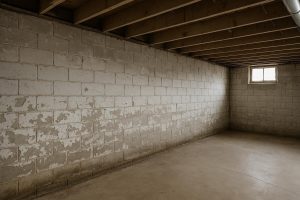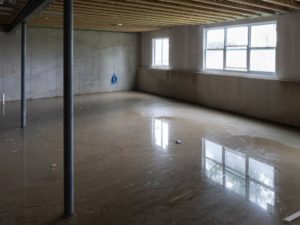
Sump pump installation Springwater homeowners rely on is not a one-size-fits-all job. Springwater Township sits on a mix of sandy glacial soils and heavier till, and the seasonal water table swings dramatically between spring snowmelt and summer drought, meaning the pump system you choose, and how it is sized and positioned, directly determines whether your basement stays dry through the worst of it.
Key Takeaways
- Springwater’s sandy-till soils and aggressive spring thaw create high, fast-rising water tables that overwhelm undersized or poorly positioned sump pits.
- A correctly sized submersible pump paired with a battery backup is the minimum reliable setup for an unoccupied or seasonal property in this area.
- Interior weeping tile feeding a sump basin is the most common complete solution when a pump alone cannot keep pace with hydrostatic pressure.
- Installation cost depends on pit depth, discharge routing, backup system type and whether new weeping tile is required.
- CMHC guidance on foundation drainage and the Ontario Building Code both set minimum standards for sump discharge and pit construction that any contractor must meet.
Definitions and Scope
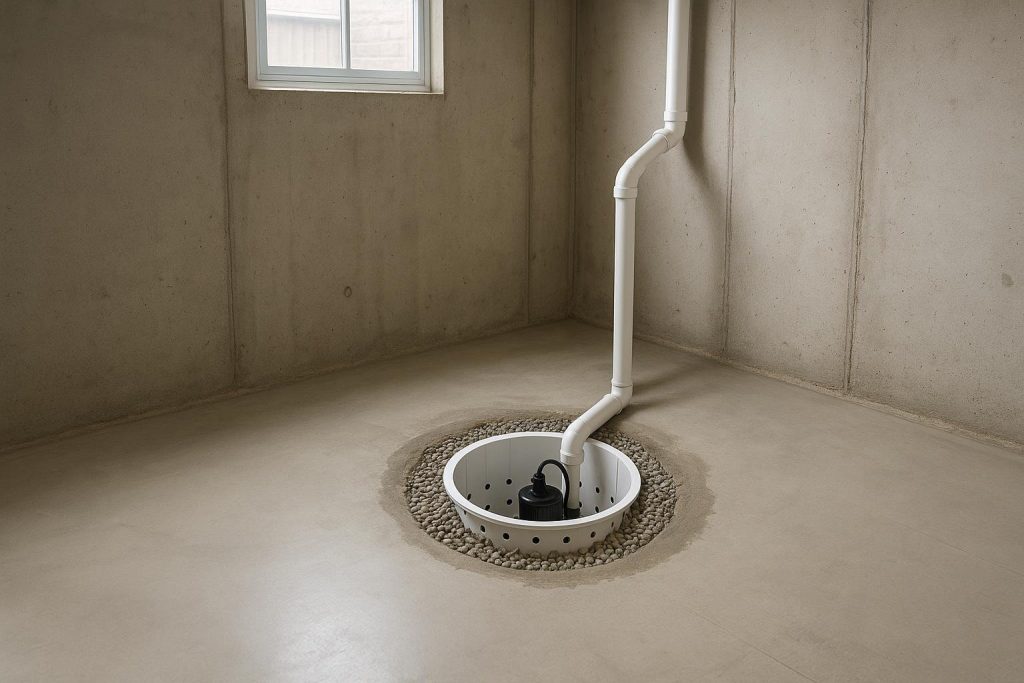
A sump pump is a submersible or pedestal electric pump seated inside a perforated pit, called a sump basin or crock, that is dug into the lowest point of the basement floor. Water that accumulates in the surrounding soil migrates through the perforations, fills the pit, and triggers a float switch that activates the pump. The pump then pushes water through a discharge pipe to daylight, typically to a municipal storm drain connection, a dry well, or a graded surface well away from the foundation.
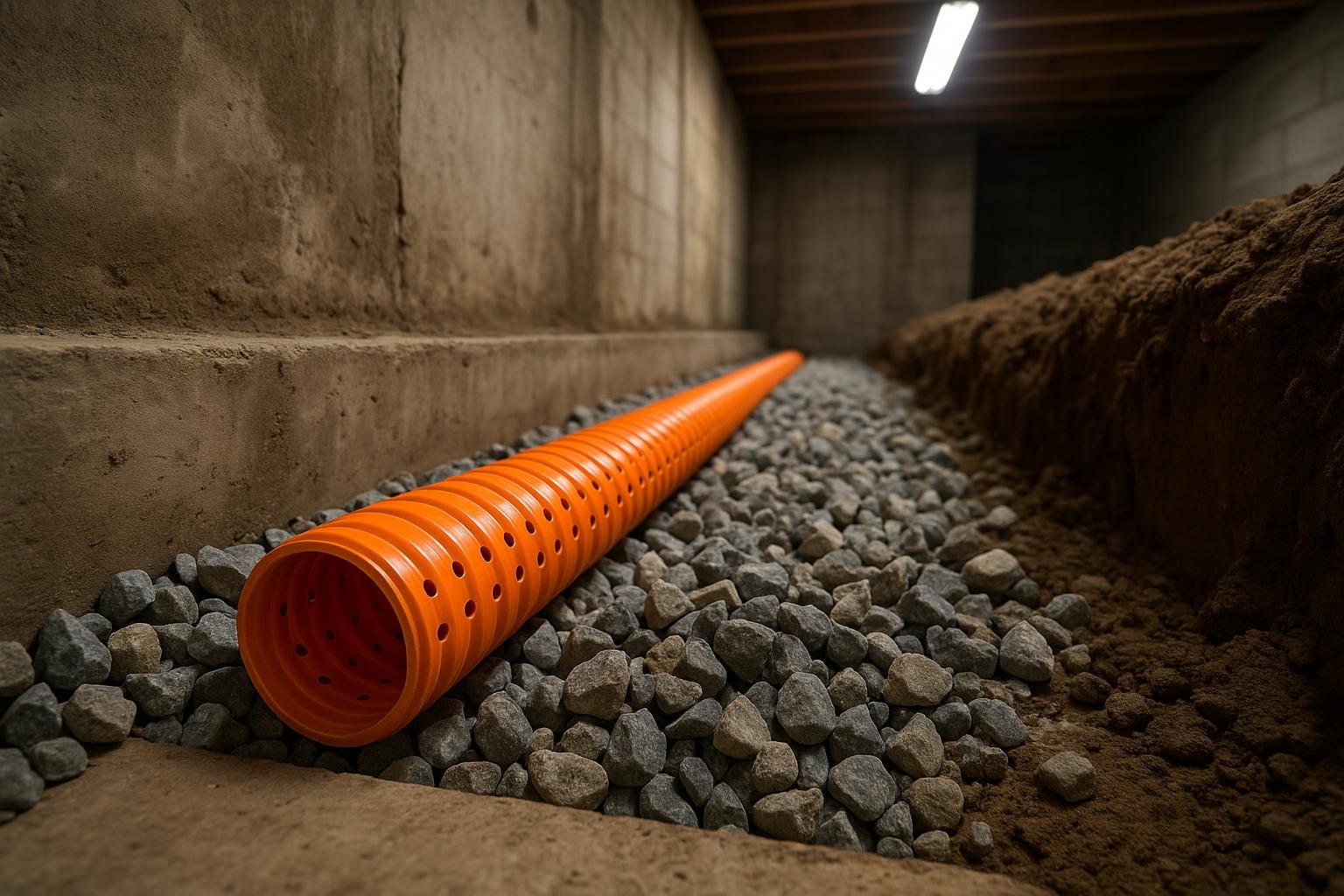
In Springwater, the scope of a proper installation almost always extends beyond the pump itself. Because the township’s soils can transmit groundwater quickly during snowmelt, a standalone pit without perimeter drainage often cannot collect water fast enough. A complete system pairs the sump basin with interior weeping tile, a perforated pipe bedded in clear stone that runs along the inside of the footing and channels water to the pit before it can build hydrostatic pressure against the wall.
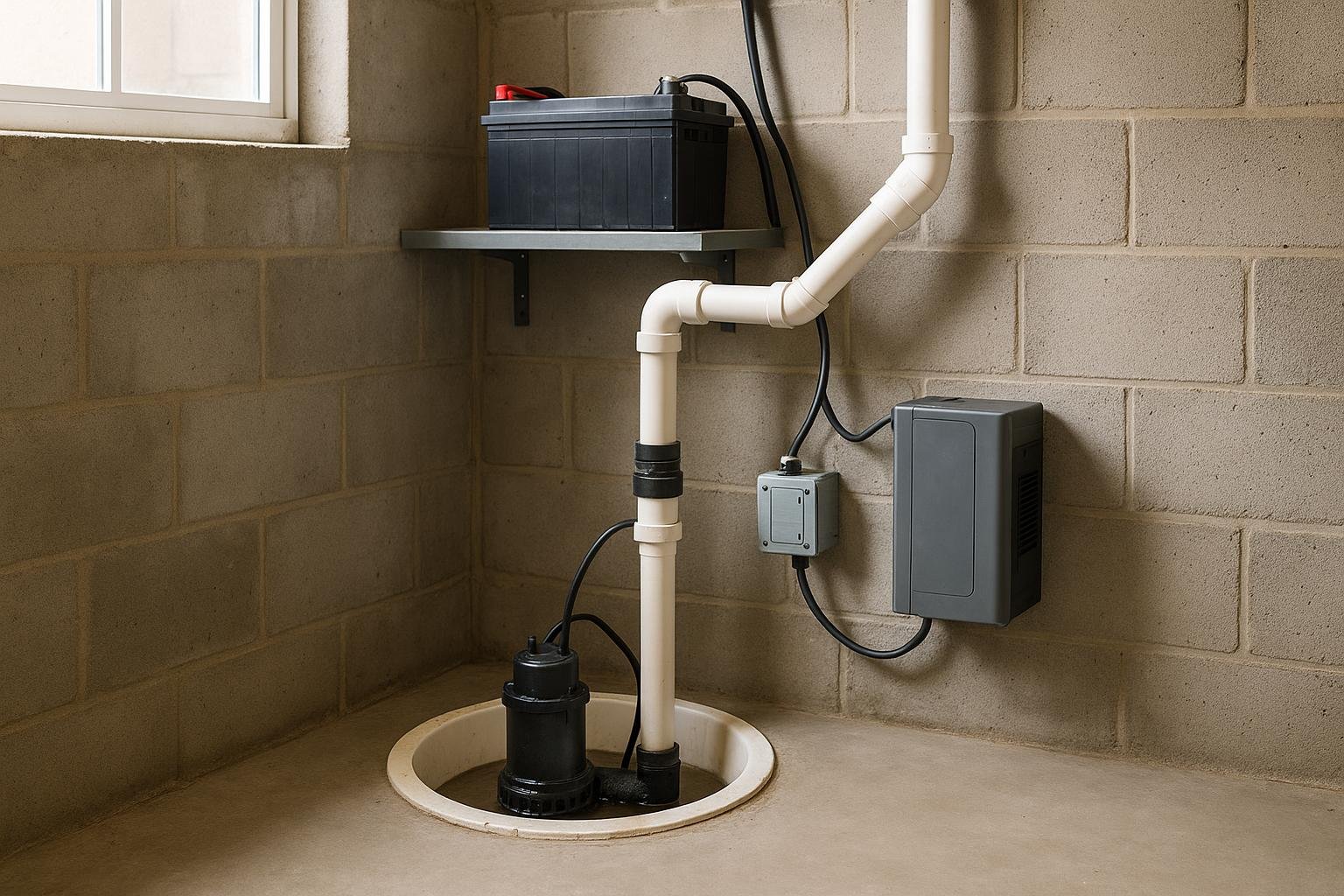
Battery backup units and water-powered backup pumps are a separate but related scope item, particularly important for properties that sit unoccupied during shoulder seasons when power outages and peak water events coincide.
Why This Matters for Springwater Homes
Springwater Township, which includes communities such as Midhurst, Elmvale and Minesing, sits at the southern edge of the Canadian Shield transition zone. The soil profile varies from well-draining sandy loam near Barrie’s urban fringe to heavier glacial till further north, but both types share one characteristic: they hold snowmelt water close to the surface for weeks after the thaw begins.
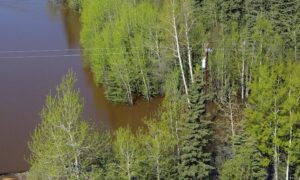
Spring thaw is the single highest-risk window for basement flooding in this area. A heavy snowpack, common in Simcoe County’s snowbelt fringe, can release several centimetres of water equivalent within days when temperatures climb. That volume saturates the soil faster than it can drain, and the water table rises sharply against foundation walls and under basement floors. Without a functioning sump system, that pressure finds the path of least resistance, which is usually a floor crack, a cold joint at the footing, or a failed section of original weeping tile.
Older homes in Elmvale and Minesing frequently have clay or concrete weeping tile installed decades ago that has since collapsed or silted completely. When that original drainage fails, the sump pit receives no inflow even though the surrounding soil is saturated, because there is no pipe network to collect and route the water. Installing a new pump into an existing failed system produces no improvement. The weeping tile must be addressed first.
For a broader look at waterproofing challenges across the county, the Simcoe County basement waterproofing guide covers the regional soil and drainage context in detail.
Your Options for Sump Pump Installation Springwater
Submersible Pump in an Existing Pit
If a sump pit already exists and the surrounding weeping tile is functional, replacing or upgrading the pump itself is the most straightforward intervention. A submersible pump sits below the waterline inside the basin, runs quieter than a pedestal unit, and handles higher volumes. This option suits homes where the drainage network is intact and the previous pump has simply aged out or undersized for current conditions. Limitations: if the pit is too small or the weeping tile is silted, a new pump alone will not solve recurring flooding.
New Sump Pit and Submersible Pump
Where no pit exists, or where the existing crock is cracked or too shallow, a new pit is core-drilled or jackhammered into the basement floor at the lowest point. The basin is set, gravel is packed around it, and a submersible pump is installed with a check valve on the discharge line to prevent backflow. This is the standard starting point for homes that have never had a sump system. Best for: homes with functional perimeter drainage that simply lacks a collection point. Limitations: still depends on the surrounding weeping tile being in good condition.
Interior Weeping Tile System with Sump Basin
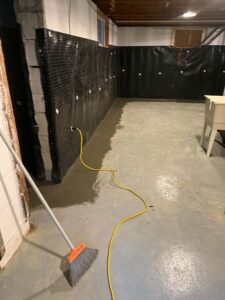
This is the complete interior waterproofing solution. The perimeter of the basement floor is jackhammered, a perforated pipe is laid along the inside of the footing and bedded in clear stone, and the trench is re-poured with concrete. The pipe drains to a new sump basin where a submersible pump ejects the water. A vapour barrier is typically run up the wall to the floor to manage any seepage that migrates through the block or poured wall above the footing. Best for: homes with failed original weeping tile, persistent hydrostatic pressure, or chronic floor seepage. Limitations: higher cost and disruption than a pump-only replacement; the floor must be opened.
Battery Backup Sump Pump
A battery backup unit is a secondary pump that activates when the primary pump fails or when a power outage occurs during a storm event. It connects to a dedicated deep-cycle battery and runs independently of the electrical grid. For Springwater properties that are unoccupied during spring thaw, a backup system is not optional; it is the difference between a dry basement and a flooded one discovered weeks later. Best for: seasonal properties, homes in areas with frequent outages, and any installation where the primary pump handles high volumes. Limitations: batteries require annual testing and replacement every three to five years.
Water-Powered Backup Pump
A water-powered backup uses municipal water pressure to create suction and eject sump water without any electrical supply. It requires a connection to a pressurised water line and produces no noise. Best for: urban fringe properties in Springwater with municipal water service where power outages are the primary concern. Limitations: not suitable for properties on well water, as it draws from the same supply; also less effective at very high inflow rates.
Combination System with Alarm Monitoring
A combination system pairs a primary submersible pump, a battery backup, and a water or Wi-Fi alarm that sends an alert if the water level in the pit rises above a set threshold. Smart sensors can notify a homeowner remotely, which is particularly valuable for cottages and seasonal homes in the Springwater area. The guide to testing smart sump pump sensors explains how to verify these systems are working before the spring thaw arrives. Best for: unoccupied or part-time residences. Limitations: Wi-Fi monitoring requires a reliable internet connection at the property.
Options Compared
The table below summarises the six approaches to sump pump installation Springwater contractors typically recommend, so you can match the right system to your home’s drainage condition before requesting a quote.
| System | Best For | Typical Lifespan | Relative Cost | Disruption to Floor |
|---|---|---|---|---|
| Pump replacement only | Functional pit and weeping tile, aged pump | 7 to 12 years (pump) | Lowest | None |
| New pit and submersible pump | No existing pit, drainage otherwise intact | 7 to 12 years (pump) | Low to moderate | Minimal (one core drill) |
| Interior weeping tile and sump basin | Failed original tile, chronic hydrostatic pressure | 25 or more years (tile) | Moderate to high | Significant (perimeter floor opened) |
| Battery backup added to existing system | Power outage risk, seasonal properties | 3 to 5 years (battery) | Low | None |
| Water-powered backup | Municipal water, outage protection only | 10 or more years | Low to moderate | None |
| Combination with alarm monitoring | Unoccupied or seasonal properties | Varies by component | Moderate | None beyond primary install |
The table shows that the interior weeping tile system carries the highest upfront cost and the most disruption, but it also addresses the root cause of water entry rather than simply managing water after it has already reached the pit. For Springwater homes with older drainage infrastructure, skipping straight to a pump replacement without inspecting the weeping tile is the single most common reason a new pump still fails to keep the basement dry.
How to Choose
Choose a pump replacement only if a licensed inspection confirms the existing pit is structurally sound, the weeping tile around the footing is clear and functional, and the previous pump simply reached the end of its service life.
Choose a new pit and submersible pump if the home has never had a sump system but the perimeter drainage appears intact, and water entry is limited to floor seepage at a single low point rather than along the full perimeter.
Choose an interior weeping tile system with a new sump basin if water enters along multiple walls, if the original weeping tile is confirmed silted or collapsed, or if hydrostatic pressure is causing floor heave or wall seepage. Sump pump installation Springwater specialists consistently identify this as the correct solution for most older homes that have never had the drainage system updated.
Choose a battery backup regardless of which primary system you install if the property sits unoccupied for any stretch of time between November and May. Spring thaw events in Simcoe County can produce peak inflow within hours of a temperature spike, and a power outage during that window will flood a basement with no backup in place.
Choose a combination alarm system if the property is a seasonal home or cottage where nobody will be present to notice a pump failure. Remote monitoring adds a modest cost but eliminates the scenario of arriving to a flooded basement weeks after the event.
A battery backup sump pump is not a luxury for Springwater seasonal properties. Spring thaw and summer storms regularly coincide with power outages in Simcoe County, and a primary pump without backup protection is a single point of failure at exactly the wrong moment.
Costs and Timelines
| Cost Driver | Why It Affects Price | Approximate Range |
|---|---|---|
| Pump type and horsepower | Higher-capacity pumps cost more but handle greater inflow volumes | Included in system quote |
| New pit excavation | Core drilling or jackhammering into the basement floor adds labour and disposal | Moderate adder |
| Interior weeping tile linear footage | Priced per linear foot of perimeter opened; larger basements cost more | Significant portion of total |
| Discharge routing distance | Longer pipe runs to daylight or a storm connection increase material and labour | Minor to moderate adder |
| Battery backup system | Adds a secondary pump, battery, and wiring; battery replacement every 3 to 5 years | Low to moderate adder |
| Access and site conditions | Finished basements, low headroom, or difficult discharge routing increase labour | Variable |
A standalone pump replacement in an existing functional pit is the lowest-cost intervention. A full interior weeping tile system with a new sump basin in an average Springwater home falls in a similar range to interior waterproofing jobs elsewhere in Simcoe County. For a detailed breakdown of what Ontario homeowners pay across different waterproofing scopes, the basement leaking repair costs guide provides realistic ranges by method. Every final figure depends on a site inspection, because pit depth, discharge routing and the condition of existing drainage all shift the number significantly.
CMHC’s guidance on residential foundation drainage, available at the Canada Mortgage and Housing Corporation website, recommends that sump discharge terminate at least 1.5 metres from the foundation and slope away from the building. Ontario Building Code requirements for pit construction and discharge must also be met on any permitted installation.
Risks and Common Mistakes
| Symptom | Likely Cause | Correct Fix |
|---|---|---|
| New pump runs constantly but basement still floods | Weeping tile silted; water bypassing the pit | Interior weeping tile replacement feeding the basin |
| Pump runs, water level never drops | Pump undersized for inflow volume; discharge line frozen or blocked | Upsize pump; insulate or reroute discharge |
| Basement floods only during power outages | No backup system; primary pump offline during peak event | Add battery or water-powered backup |
| Pit fills but float switch does not activate | Float switch tangled or stuck against pit wall | Reposition float; consider tethered vs. vertical switch type |
| Water enters along wall base, not through pit | Hydrostatic pressure at footing; no interior drainage channel | Interior weeping tile with vapour barrier up the wall |
The most costly mistake Springwater homeowners make is installing a new pump without first confirming the weeping tile is functional. A pump can only eject water that reaches the pit. If the perimeter drainage is silted or collapsed, the pump sits idle while water builds pressure against the footing and eventually finds its way through the floor or wall. A proper inspection with a moisture meter and, where needed, a camera inspection of the existing tile should precede any pump purchase.
A second common error is discharging the pump too close to the foundation. Water ejected within a metre of the wall simply re-enters the soil and cycles back to the pit, increasing pump run time and shortening its service life. The discharge line must terminate well away from the building and slope to daylight or a legal connection point.
Skipping the check valve on the discharge line is a third mistake. Without it, water in the discharge pipe flows back into the pit when the pump stops, triggering the float switch again almost immediately and causing short-cycling that burns out the motor prematurely.
How the Process Works
- Free on-site inspection and moisture assessment. A technician visits the property, checks the existing pit condition, tests the float switch, inspects visible weeping tile terminations, and uses a moisture meter to map where water is entering. This step determines whether a pump-only replacement is sufficient or whether perimeter drainage work is needed. Sump pump installation Springwater assessments typically take one to two hours and produce a written scope before any work begins.
- Written scope with itemised pricing. A written quote outlines the exact work, materials and discharge routing plan. For interior weeping tile jobs, linear-foot pricing is provided so the scope is transparent before any floor is opened.
- Pit preparation or perimeter excavation. For a new pit, the floor is core-drilled and the basin is set in gravel. For a full interior system, the perimeter is jackhammered, the footing is exposed, and the trench is prepared for the new weeping tile.
- Weeping tile installation and gravel bedding. Perforated pipe is laid along the inside of the footing and bedded in clear stone to allow free water movement into the pipe and down to the basin.
- Pump installation and discharge routing. The submersible pump is set in the basin, the check valve is fitted, and the discharge line is routed to its termination point. A backup unit is wired or plumbed at this stage if included in the scope.
- Concrete re-pour and vapour barrier. The perimeter trench is re-poured with concrete. A vapour barrier is run up the wall to the floor level to manage any residual seepage above the footing.
- Test run and homeowner walkthrough. The system is tested by filling the pit manually to confirm the float switch activates at the correct level, the pump ejects cleanly, and the backup unit responds when the primary is disabled. The homeowner is shown how to test the system and what to check seasonally.
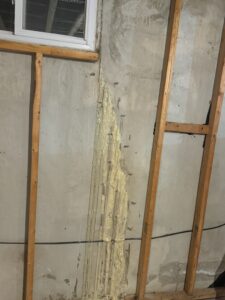
For homes that also have foundation cracks contributing to water entry, crack injection is typically completed before or alongside the sump installation. The sump pump installation services page covers the full scope of what DryShield provides across Ontario.
Seasonal properties in Springwater should have the sump system tested before closing for winter and again at spring opening. A pump that sat idle for six months may have a stuck float or a discharged backup battery, and discovering that during a thaw event rather than before it is an expensive lesson.
Frequently Asked Questions
Does every Springwater home need a sump pump?
Not every home requires one, but most benefit from at least a pit and pump if the basement sits at or below the seasonal water table. Springwater’s spring thaw produces rapid water table rises that overwhelm homes without active drainage. A site inspection is the only reliable way to determine whether your specific soil conditions and foundation depth put you at risk.
How long does sump pump installation Springwater take?
A pump replacement in an existing pit typically takes two to four hours. Installing a new pit and pump takes a full day. A complete interior weeping tile system with a new sump basin in an average-sized Springwater basement generally takes two to three days, including the concrete re-pour and curing time before the floor is usable.
What size pump do I need for a Springwater home?
Pump sizing depends on the volume of water the system must handle during peak inflow, which is determined by the drainage area, soil permeability and the depth of the water table. Most residential installations use a one-third to one-half horsepower submersible pump, but homes with large drainage areas or very sandy soils that transmit water quickly may need three-quarters horsepower. A technician calculates this during the inspection rather than guessing from square footage alone.
Can I install a sump pump myself?
The pump swap itself is within reach of a capable DIYer if the pit and weeping tile are already in place and functional. However, cutting into the basement floor, installing a new basin, routing a discharge line to a legal termination point, and connecting a backup system all involve plumbing and potentially electrical work that must meet Ontario Building Code requirements. Errors in discharge routing or float switch positioning are the most common causes of pump failure, and they are not always obvious until a flooding event reveals them.
What happens to the sump pump during a power outage?
A primary submersible pump stops working the moment power is lost. Without a backup system, the pit fills and water overflows into the basement. A battery backup activates automatically when it detects the primary pump is offline, and a water-powered backup uses municipal water pressure to continue ejecting water. For Springwater properties, where spring storms and outages often coincide, a backup system is strongly recommended.
How often should I replace my sump pump?
Most submersible pumps have a service life of seven to twelve years under normal use. Pumps that run frequently during heavy spring thaw seasons may wear faster. Annual testing, which involves pouring water into the pit to trigger the float switch, confirms the pump is operational. If the motor sounds laboured, the pump runs longer than usual to clear the pit, or the unit is more than ten years old, replacement before the next thaw season is the prudent choice.
Will a sump pump fix my wet basement completely?
A sump pump manages water that reaches the pit, but it does not stop water from entering through wall cracks, failed parging, or gaps at the cold joint between the footing and the wall. A complete dry basement solution pairs active drainage with crack repair and, where needed, a waterproof membrane or vapour barrier. The basement leaking repair costs guide explains how these components work together for homes in this region.
Is a permit required for sump pump installation in Springwater?
A simple pump replacement in an existing pit generally does not require a permit. Installing a new pit, routing a new discharge line to a storm connection, or opening the basement floor for interior weeping tile work may require a building permit from the Township of Springwater. Your contractor should confirm permit requirements before work begins, as discharge connections to municipal storm systems are regulated separately by the municipality.
If you are ready to protect your Springwater home from seasonal flooding, DryShield offers a free on-site inspection and written quote with no obligation. Contact the DryShield team to schedule your assessment before the next thaw season.