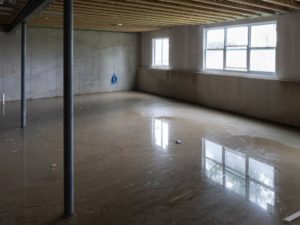
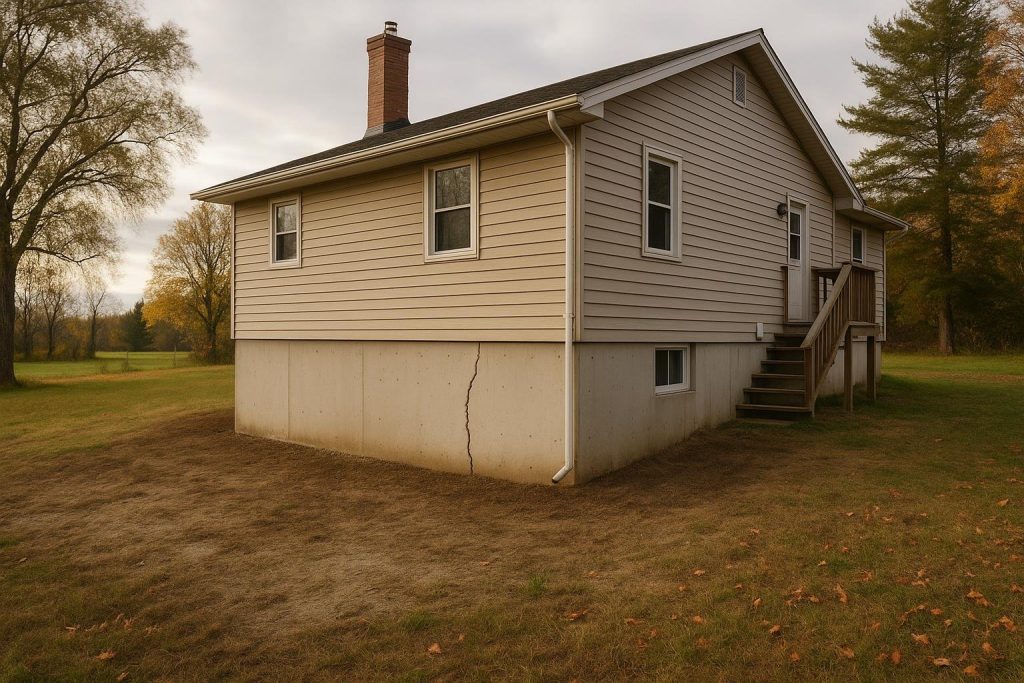
Foundation crack repair Oro-Medonte homeowners need differs from urban GTA work in one important way: the township sits squarely in a freeze-thaw zone where sandy loam and exposed bedrock create seasonal ground movement that cracks poured concrete walls in predictable patterns. Left untreated, those cracks let groundwater and spring snowmelt push through under hydrostatic pressure, turning a dry basement into a wet one before the May long weekend arrives.
Key Takeaways
- Most Oro-Medonte foundation cracks are non-structural vertical shrinkage cracks that respond well to low-pressure polyurethane injection from the interior.
- Spring thaw and heavy autumn rains are the two peak failure windows in Simcoe County, so inspecting before each season matters.
- A single crack injection typically costs $600 to $900; full exterior waterproofing runs roughly $6,000 to $9,000 depending on linear footage and excavation depth.
- Epoxy injection is reserved for structural cracks where the wall must be re-bonded, not for the flexible seasonal movement common in cottage-country foundations.
- Older homes and seasonal cottages in Oro-Medonte often have failed original weeping tile that must be addressed alongside crack repair to stop recurring water entry.
Definitions and Scope
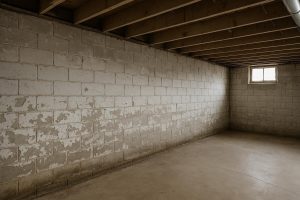
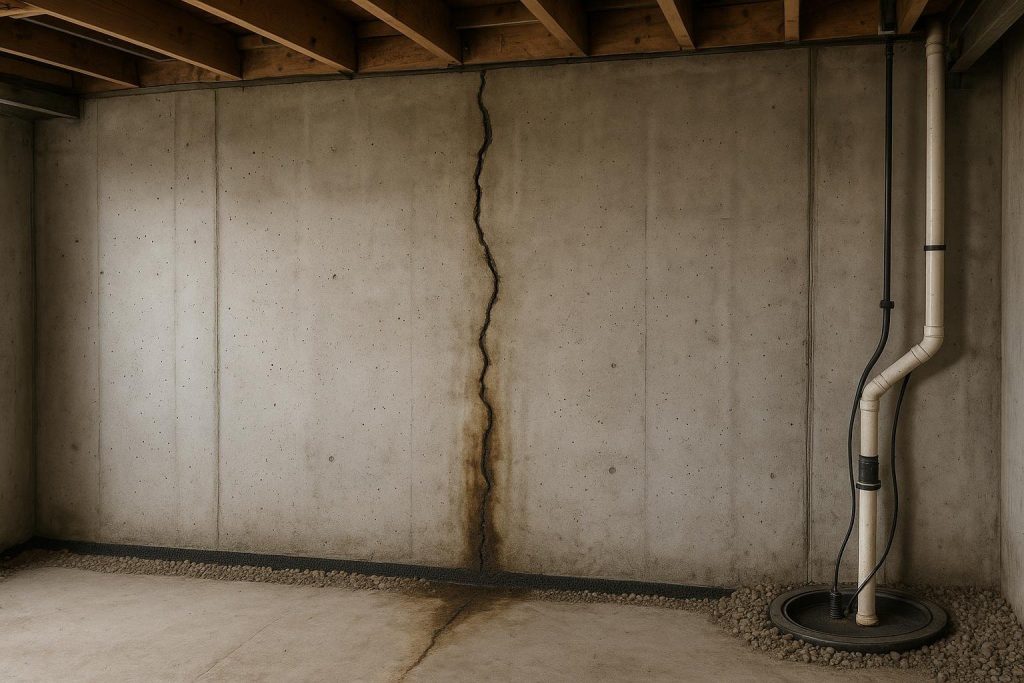
A foundation crack is any breach in a poured concrete or concrete block wall that allows water, soil gas, or cold air to enter the living space below grade. In Oro-Medonte, the most common type is the vertical shrinkage crack, which forms as concrete cures and contracts. Diagonal cracks near window corners and step cracks in block foundations also appear regularly, particularly in homes built before 1990 when concrete mix designs were less consistent.
Crack repair covers a spectrum of interventions: from a single port-and-paste polyurethane injection on a hairline crack, to full excavation and membrane application where the wall face has deteriorated. The scope depends on crack width, depth, whether water is actively entering, and whether the crack shows signs of ongoing movement. A free on-site inspection is the only reliable way to determine which approach applies to a specific wall.
Oro-Medonte’s geography adds a layer of complexity. The township spans the Oro Moraine, where sandy and gravelly soils drain quickly in some areas but sit above a high seasonal water table in others. Homes near Lake Simcoe’s shoreline or in low-lying areas of Hawkestone and Shanty Bay face different drainage conditions than properties on the ridge above Horseshoe Valley Road. Both soil types produce foundation cracks, but for different reasons.
For Oro-Medonte homes and cottages, see how we approach foundation crack repair on seasonal and year-round properties.
Why Foundation Cracks Matter in Oro-Medonte
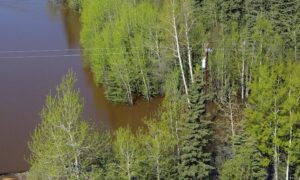
Oro-Medonte receives significant snowfall each winter, and the Oro Moraine elevation means the spring thaw arrives later and more abruptly than in Barrie or the southern GTA. When several feet of snow melt over two to three weeks, the ground becomes saturated and hydrostatic pressure against foundation walls spikes sharply. Any existing crack, even one that appeared dry all summer, becomes a water entry point during this window.
Summer convective storms add a second pressure peak. The Canadian Mortgage and Housing Corporation notes that basement water entry is one of the most common and costly defects in Canadian residential construction, and seasonal properties in areas like Oro-Medonte are especially vulnerable because they sit unoccupied for weeks at a time. A crack that begins leaking in April may go unnoticed until the cottage is opened in May, by which point mould can already be established on wood framing.
Structural concern is a separate issue. Horizontal cracks in block or poured walls, or cracks wider than 6 mm with visible displacement, can indicate lateral soil pressure against the footing. These require an engineer’s assessment before any injection work begins. The guide on how to tell if a foundation crack is structural covers the visual warning signs in detail.
Ignoring cracks also accelerates deterioration of parging, the mortar coating on the exterior wall face. Once parging spalls, water contacts the concrete directly, and freeze-thaw cycling widens the original crack each winter.
Your Options for Foundation Crack Repair
Low-Pressure Polyurethane Injection
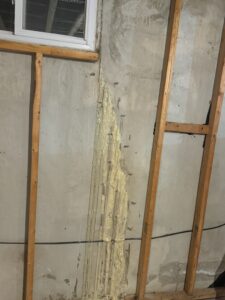
Polyurethane injection is the standard interior repair for non-structural vertical and diagonal cracks in poured concrete walls. A technician drills or surface-mounts injection ports along the crack at intervals of roughly 20 to 30 cm, pastes the ports in place, and injects two-component polyurethane foam at low pressure. The foam expands to fill the full depth of the crack from the interior face to the exterior face, then cures flexible. That flexibility is critical in Oro-Medonte because seasonal ground movement continues after the repair; a rigid filler would simply re-crack at the same location.
Best for: active or previously wet vertical shrinkage cracks in poured concrete walls. Limitations: does not address the exterior drainage conditions that caused the crack to leak, so it should be paired with grading corrections where surface water is pooling against the wall.
Epoxy Crack Injection
Epoxy injection uses a two-part rigid adhesive injected at low pressure to structurally re-bond a cracked wall. The cured epoxy is stronger than the surrounding concrete, making it appropriate where the wall has lost structural continuity. Because epoxy is rigid, it is not suitable for cracks that are still moving seasonally. An engineer’s sign-off is typically required before epoxy injection on a load-bearing wall.
Best for: structural cracks where the wall must be re-bonded and movement has stopped. Limitations: rigid cure means re-cracking adjacent to the repair if seasonal movement continues; higher material cost than polyurethane.
Exterior Excavation and Membrane Waterproofing
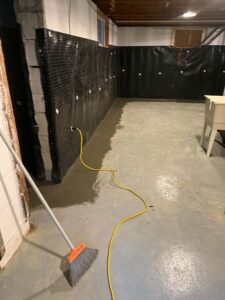
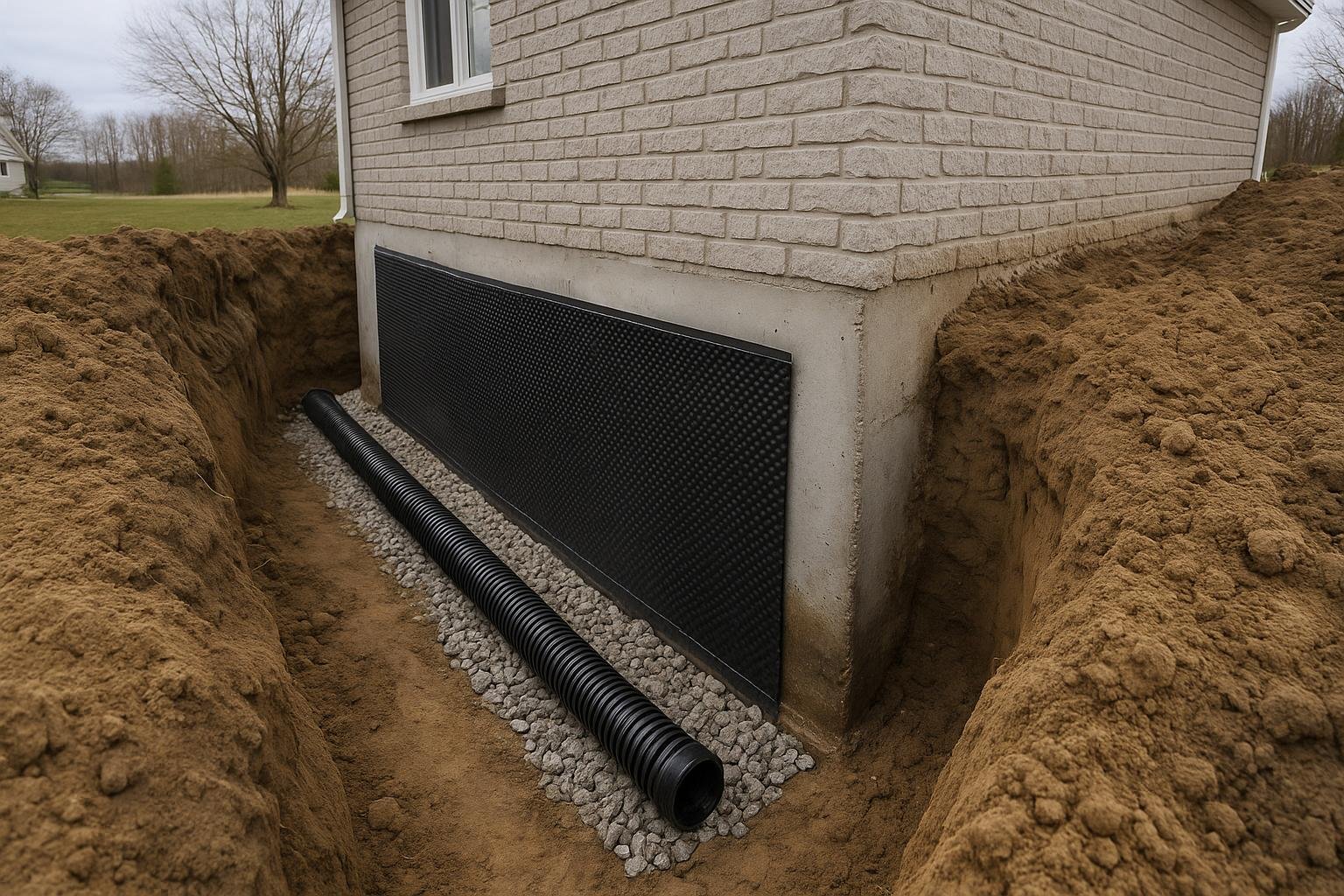
Where a crack is wide, the exterior wall face is deteriorated, or multiple cracks are present on the same wall, excavation to the footing is the most thorough solution. The process involves digging down to the footing, applying hydraulic cement to any voids, coating the wall with a rubberised membrane, installing a dimpled drainage board, laying new weeping tile bedded in clear stone, and backfilling with grade correction to direct surface water away from the wall.
Best for: walls with multiple cracks, failed exterior parging, or a history of recurring leaks after interior injection. Limitations: higher cost, requires excavation access, and disrupts landscaping. Not practical for properties with decks, driveways, or additions built against the foundation wall.
Interior Weeping Tile System
Where exterior excavation is not feasible, an interior weeping tile system manages water that enters through cracks rather than stopping it at the wall face. A technician jackhammers the perimeter of the basement floor, installs a perforated pipe that drains to a sump basin, applies a vapour barrier up the wall, and re-pours the concrete. A sump pump then discharges collected water away from the building.
Best for: properties where exterior access is blocked, or where the water table is consistently high and exterior membrane alone would be overwhelmed. Limitations: does not seal the crack itself, so wall deterioration can continue; requires a reliable sump pump with battery backup for seasonal properties.
Hydraulic Cement Patching
Hydraulic cement is a fast-setting material that can be packed into an actively leaking crack to stop immediate water flow. It is a temporary measure, not a long-term repair, because it does not bond flexibly and will eventually fail as the crack continues to move. It is useful as a first response while a permanent repair is being scheduled.
Best for: stopping active water flow in an emergency. Limitations: not a permanent fix; must be followed by injection or excavation work.
Carbon Fibre Straps and Wall Anchors
For horizontal cracks or inward-bowing walls caused by lateral soil pressure, carbon fibre straps or wall anchor systems stabilise the wall and prevent further movement. These are structural interventions that work alongside crack sealing, not instead of it. An engineer must assess the wall before installation.
Best for: bowing or deflecting walls where the structural integrity of the foundation is compromised. Limitations: does not waterproof the crack; must be combined with injection or membrane work to stop water entry.
Options Compared
| Method | Best For | Typical Lifespan | Relative Cost | Disruption |
|---|---|---|---|---|
| Polyurethane injection | Non-structural vertical cracks, active leaks | Long-term when movement is minor | Low ($600-$900 per crack) | Minimal, interior only, 1-2 hours |
| Epoxy injection | Structural cracks, no ongoing movement | Permanent if movement has stopped | Low-moderate | Minimal, interior only |
| Exterior excavation and membrane | Multiple cracks, failed parging, recurring leaks | 20-plus years with proper drainage | High ($6,000-$9,000 typical) | High, excavation, landscaping disruption |
| Interior weeping tile system | High water table, blocked exterior access | Long-term with sump maintenance | Moderate-high | Moderate, interior jackhammering |
| Hydraulic cement patching | Emergency water stop | Short-term only | Very low | Minimal |
| Carbon fibre straps or wall anchors | Bowing or deflecting walls | Permanent structural stabilisation | Moderate-high | Moderate, interior installation |
For most Oro-Medonte homeowners dealing with a single vertical crack that leaked during the spring thaw, polyurethane injection is the right starting point. It is fast, minimally disruptive, and the flexible cure handles the seasonal movement that is normal on the Oro Moraine. Exterior excavation becomes the correct choice when the same wall has leaked repeatedly after injection, when the exterior parging has failed, or when multiple cracks are present across the same wall section. The interior weeping tile route suits properties where a deck or addition makes excavation impossible.
How to Choose the Right Repair
Foundation crack repair Oro-Medonte homeowners most often need is polyurethane injection: choose it if the crack is vertical, less than 6 mm wide, shows no displacement between the two sides, and has leaked only during heavy rain or spring thaw. This describes the majority of calls received from Oro-Medonte and the broader Simcoe County area. The repair can be completed in a single visit and the basement can be used immediately afterward.
Choose epoxy injection if an engineer has confirmed the crack is structural and movement has ceased. Do not use epoxy on a crack that is still widening seasonally, as the rigid bond will transfer stress to the adjacent concrete and create new cracks.
Choose exterior excavation and membrane if the wall has been injected before and leaked again, if there are three or more cracks on the same wall, or if the exterior parging is visibly crumbling. The Simcoe County basement waterproofing guide covers how exterior systems integrate with regional drainage conditions.
Choose an interior weeping tile system if the water table on your property is consistently high, if the basement floor is also damp, or if a deck or addition prevents excavation. Pair this with a battery-backup sump pump for any property that sits unoccupied through the winter.
Choose carbon fibre straps or wall anchors only after an engineer has assessed the wall and confirmed inward movement. This is not a DIY determination.
A single foundation crack injected with polyurethane typically costs $600 to $900 in the Oro-Medonte area. Full exterior waterproofing of an average home runs $6,000 to $9,000 depending on linear footage, excavation depth, and site access. Every final figure depends on a free on-site inspection.
Costs and Timelines
Foundation crack repair Oro-Medonte pricing depends on several site-specific factors. The table below summarises the main cost drivers.
| Cost Driver | Why It Affects Price | Approximate Range Impact |
|---|---|---|
| Number of cracks | Each crack requires its own ports, material, and labour time | $600-$900 per crack for injection |
| Excavation depth | Deeper footings require more machine time and backfill material | Significant factor in exterior jobs |
| Linear footage of wall | Interior weeping tile and exterior membrane are priced per linear foot | Drives total cost on full-perimeter jobs |
| Site access | Tight lots, decks, or additions increase excavation complexity and machine positioning time | Can add meaningfully to exterior quotes |
| Weeping tile condition | Failed or silted original tile must be replaced, adding material and labour | Common in pre-1980 Oro-Medonte homes |
| Sump pump installation | New basin, pump, and discharge line if none exists | Additional cost on interior systems |
| Parging repair | Deteriorated exterior wall face must be rebuilt before membrane application | Adds to exterior scope where parging has failed |
Injection work is typically completed in a single day. Interior weeping tile installation on an average basement takes two to three days. Exterior excavation and membrane work on a full wall runs three to five days depending on access and weather. All pricing depends on a site inspection; the ranges above are drawn from completed jobs in the Simcoe County region and should be treated as planning guides, not fixed quotes. For a broader view of what drives pricing across Ontario, the foundation waterproofing cost guide breaks down each cost component in detail.
Risks and Common Mistakes
| Symptom | Likely Cause | Correct Fix |
|---|---|---|
| Crack leaks again after injection | Ongoing seasonal movement re-opened the repair, or injection did not fill full depth | Re-inject with polyurethane; assess exterior drainage |
| White powder on wall near crack | Efflorescence from mineral-laden water moving through concrete | Seal crack; correct grading or downspout discharge |
| Crack widens each spring | Active freeze-thaw cycling in the crack; water freezing inside the void | Inject before winter; address exterior drainage |
| Damp floor near the wall | Water tracking under the footing, not just through the wall crack | Interior weeping tile system to a sump basin |
| Horizontal crack with inward bow | Lateral soil pressure exceeding wall capacity | Engineer assessment; carbon fibre or wall anchor system |
The most common mistake Oro-Medonte homeowners make is treating a crack repair as complete without correcting the surface drainage that caused the leak. Downspouts that discharge within one metre of the foundation wall, negative grading that slopes toward the house, and window wells without drains all maintain the hydrostatic pressure that drove water through the crack in the first place. Sealing the crack without fixing these conditions means the next heavy rain will find a new path.
Applying hydraulic cement as a permanent fix is the second most common error. It stops water immediately, which feels like a solution, but the cement is rigid and will crack again as the foundation moves through the next freeze-thaw cycle. Polyurethane injection is the correct long-term interior repair for a moving crack.
A third mistake is delaying repair on a seasonal property. Cracks that are left open through the winter allow water to enter the void, freeze, and expand, widening the crack by spring. What could have been a $700 injection job in October can become a much larger repair by May if the crack has propagated to the footing. The CMHC guidance on residential moisture management reinforces that early intervention is consistently less costly than remediation after water damage has occurred.
How the Repair Process Works
Every foundation crack repair Oro-Medonte job follows the same structured sequence, whether the scope is a single injection or full exterior excavation.
- Free on-site inspection and moisture assessment. A technician examines the crack width, orientation, and depth, checks for active moisture with a meter, and assesses exterior drainage conditions including grading, downspout discharge, and window well drainage.
- Written scope with linear-foot or per-crack pricing. You receive a written quote before any work begins. For injection jobs, pricing is per crack. For exterior or interior perimeter work, pricing is per linear foot of wall.
- Surface preparation. For injection, the crack face is cleaned and ports are drilled or surface-mounted at 20 to 30 cm intervals. For exterior work, excavation proceeds to the footing and the wall face is cleaned of loose parging and debris.
- Repair application. Polyurethane or epoxy is injected at low pressure until material appears at the next port, confirming full-depth fill. For exterior jobs, hydraulic cement fills voids, rubberised membrane is applied to the wall, and dimpled drainage board is installed over the membrane.
- Drainage restoration. New weeping tile is bedded in clear stone and connected to a sump basin or daylight outlet. For interior systems, the perimeter trench is re-poured with concrete after the pipe is set.
- Backfill and grade correction. Exterior excavations are backfilled and the grade is corrected to slope away from the foundation at a minimum of 5 cm per 1.5 metres, as required by the Ontario Building Code.
- Final inspection and documentation. The completed repair is inspected, photographed, and documented. DryShield’s lifetime transferable warranty is issued for qualifying work, which can be transferred to a future buyer if the property is sold.
DryShield’s lifetime transferable warranty applies to qualifying crack injection and waterproofing work. For a seasonal property in Oro-Medonte, a transferable warranty adds tangible value at resale because buyers can verify the repair history and coverage.
Foundation Crack Repair Oro-Medonte: Frequently Asked Questions
How do I know if my Oro-Medonte foundation crack needs injection or full excavation?
A single vertical crack that has leaked once or twice during spring thaw, with no displacement between the two sides, is a candidate for polyurethane injection. Full excavation becomes appropriate when the same wall has leaked repeatedly after a previous injection, when there are multiple cracks across the same wall section, or when the exterior parging has visibly deteriorated. A free on-site inspection will confirm which approach applies to your specific wall.
Why do foundation cracks in Oro-Medonte tend to get worse each spring?
Water that enters an open crack during autumn rains freezes inside the void over winter. Ice expands by roughly 9 percent in volume, widening the crack from the inside. By the time spring arrives, the crack is measurably wider than it was the previous fall. This freeze-thaw cycling is more pronounced on the Oro Moraine than in urban areas because the ground freezes deeper and the thaw is more abrupt.
Can I inject a foundation crack myself?
DIY polyurethane kits are available, but they typically deliver material at higher pressure than professional low-pressure equipment, which can cause the foam to bypass the crack rather than fill it fully. Incomplete fill leaves voids that allow water to continue tracking through the wall. Professional injection confirms full-depth fill by monitoring material appearance at each successive port before moving to the next.
How long does a polyurethane crack injection last in a seasonal cottage?
When the crack has stopped moving and exterior drainage is corrected, a polyurethane injection can last the life of the structure. In seasonal properties where the foundation experiences significant freeze-thaw cycling each year, the repair may need to be re-evaluated after five to ten years if the crack was still actively moving at the time of injection. Correcting grading and downspout discharge at the time of repair significantly extends the life of the injection.
Does crack repair affect my home insurance in Ontario?
Most Ontario home insurance policies exclude damage caused by water entry through known, unrepaired cracks. Documenting the repair with a professional invoice and warranty can support a future insurance claim by demonstrating that the defect was addressed. The guide on home insurance and foundation cracks in Ontario covers the policy implications in detail.
What is the difference between polyurethane and epoxy injection for foundation cracks?
Polyurethane cures flexible, making it suitable for cracks that continue to move with seasonal temperature changes. Epoxy cures rigid and is stronger than the surrounding concrete, making it the correct choice only when a structural crack has stopped moving and the wall needs to be re-bonded. Using epoxy on a crack that is still moving will cause re-cracking adjacent to the repair within one or two freeze-thaw cycles.
How much does foundation crack repair cost in Oro-Medonte?
Foundation crack repair Oro-Medonte pricing starts at $600 to $900 for a single crack injected with polyurethane. If multiple cracks are present or exterior work is required, costs rise accordingly. Full exterior waterproofing of an average home in the Simcoe County area runs roughly $6,000 to $9,000 depending on linear footage, excavation depth, and site access. Every final figure depends on a free on-site inspection because no two foundations are identical.
Do I need to be present during the repair on a seasonal property?
For injection work, a technician can complete the repair with access to the basement interior only. For exterior excavation, access to the property perimeter is required. Many Oro-Medonte cottage owners arrange for a neighbour or property manager to provide access. DryShield documents all work with photographs and provides a written completion report that can be reviewed remotely.
What happens if I ignore a foundation crack through the winter?
An open crack allows water to enter and freeze inside the void, widening the crack each cycle. By spring, the crack may have propagated further toward the footing, mould may have established on adjacent wood framing, and the repair scope will be larger than it would have been in the fall. Early repair before the first hard frost is consistently the lower-cost outcome for Oro-Medonte homeowners.
If you have noticed a crack in your Oro-Medonte foundation wall, or if your basement was wet during the last spring thaw, the right next step is a free on-site inspection. Foundation crack repair Oro-Medonte homeowners can rely on starts with a no-obligation assessment and a written quote. DryShield serves Oro-Medonte and the broader Simcoe County area. Contact the team to schedule a visit before the next freeze-thaw season begins.