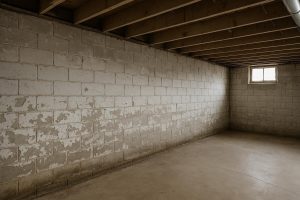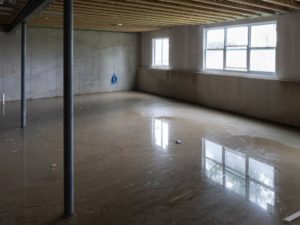
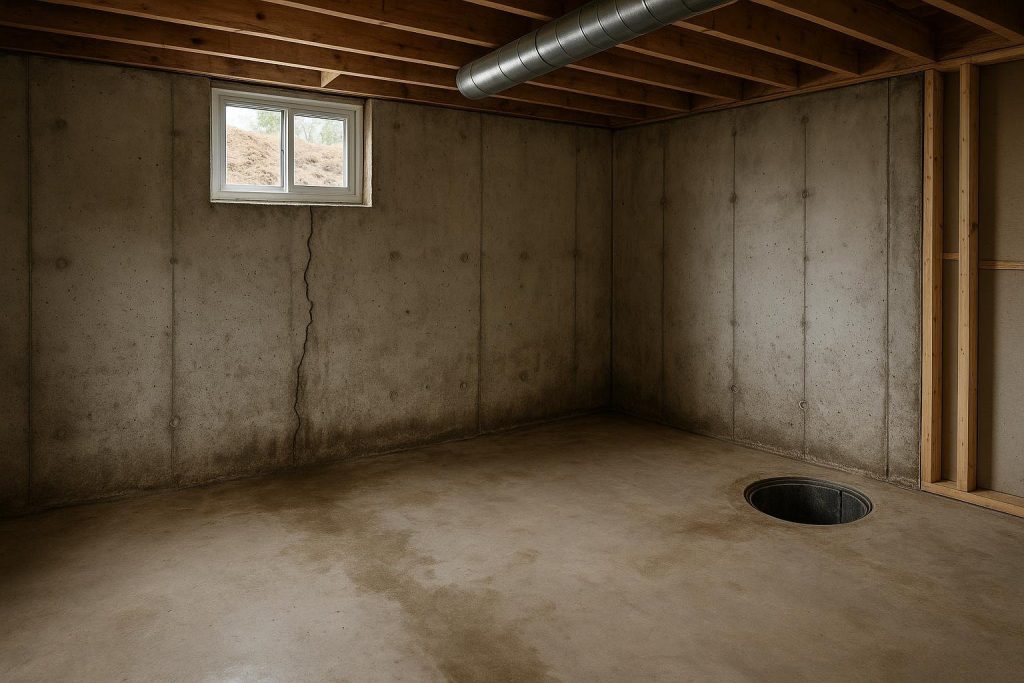
Basement leak repair Tiny Township homeowners need addresses a specific set of conditions: sandy glacial soils near Georgian Bay, a fluctuating seasonal water table, and foundations that may sit unoccupied through a long winter. Whether your property is a year-round home in Wyevale or a seasonal cottage near Lafontaine, the underlying cause of a wet basement is almost always hydrostatic pressure forcing water through a crack, a failed joint, or a silted-up weeping tile system.
Key Takeaways
- Tiny Township’s sandy and loamy soils drain faster than GTA clay, but a high spring water table and Georgian Bay proximity still generate significant hydrostatic pressure against foundation walls.
- A single injected foundation crack typically costs $600 to $900; a full interior weeping tile system or exterior waterproofing job runs considerably more and depends on linear footage and access.
- Seasonal and unoccupied cottages in Tiny face freeze-thaw cracking every winter, making annual inspection a practical necessity rather than an optional step.
- The correct repair method depends on where water enters, not just where it appears on the floor or wall.
- Choosing the wrong fix, such as applying hydraulic cement over an active crack without addressing drainage, delays the real repair and adds cost.
Definitions and Scope
A basement leak in Tiny Township is any unwanted water entry below grade, whether it arrives as a trickle through a hairline crack, as seepage along the floor-wall joint, or as a full flood after spring snowmelt. The repair scope depends on the entry point and the root cause. A crack in a poured concrete wall is a different problem from a failed weeping tile system, and each demands a different solution.
Hydrostatic pressure is the force that saturated soil exerts against a foundation wall. In Tiny, the water table rises sharply during the April-May thaw and again after heavy summer rain. When that pressure exceeds the wall’s resistance at any weak point, water finds a path inside. Parging, membranes, weeping tile, sump pumps, and crack injection are all tools for interrupting that path at different stages.
For guidance on what the Ontario Building Code requires for below-grade waterproofing, see the Ontario Building Code basement waterproofing guide, which covers the minimum standards for drainage and dampproofing on new construction and major renovations.
Why This Matters for Tiny Township Properties
Tiny Township sits on the southern shore of Georgian Bay in Simcoe County. The municipality covers a wide range of property types: year-round homes in Penetanguishene Road corridors, seasonal cottages on the bay-side concessions, and rural properties on mixed sand-and-gravel lots. Each setting carries its own water risk profile.
Unlike the heavy clay belt across much of the GTA, Tiny’s soils are largely sandy and glacially deposited. Sandy soil drains quickly under normal conditions, but it also allows water to move rapidly toward a foundation during a heavy rain event or a fast thaw. When the water table rises, it can reach footing depth within hours rather than days.
Seasonal cottages present an additional complication. A property that sits unheated from November through April experiences dozens of freeze-thaw cycles. Each cycle expands existing micro-cracks in poured concrete or block foundations, widening them incrementally until they become active leak points. Owners often arrive in May to find standing water in a basement that was dry when they locked up in October. Our broader guide on waterproofing across Simcoe County covers the regional context in more detail.
Spring thaw and summer downpours are the two peak failure windows in Tiny. Acting before those windows, or immediately after the first sign of moisture, prevents the compounding damage that turns a $700 crack injection into a $7,000 excavation job.
Your Options for Basement Leak Repair Tiny Township
Option 1: Polyurethane Crack Injection
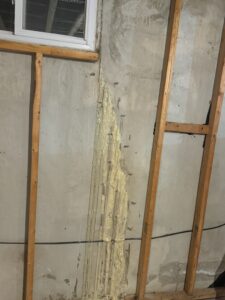
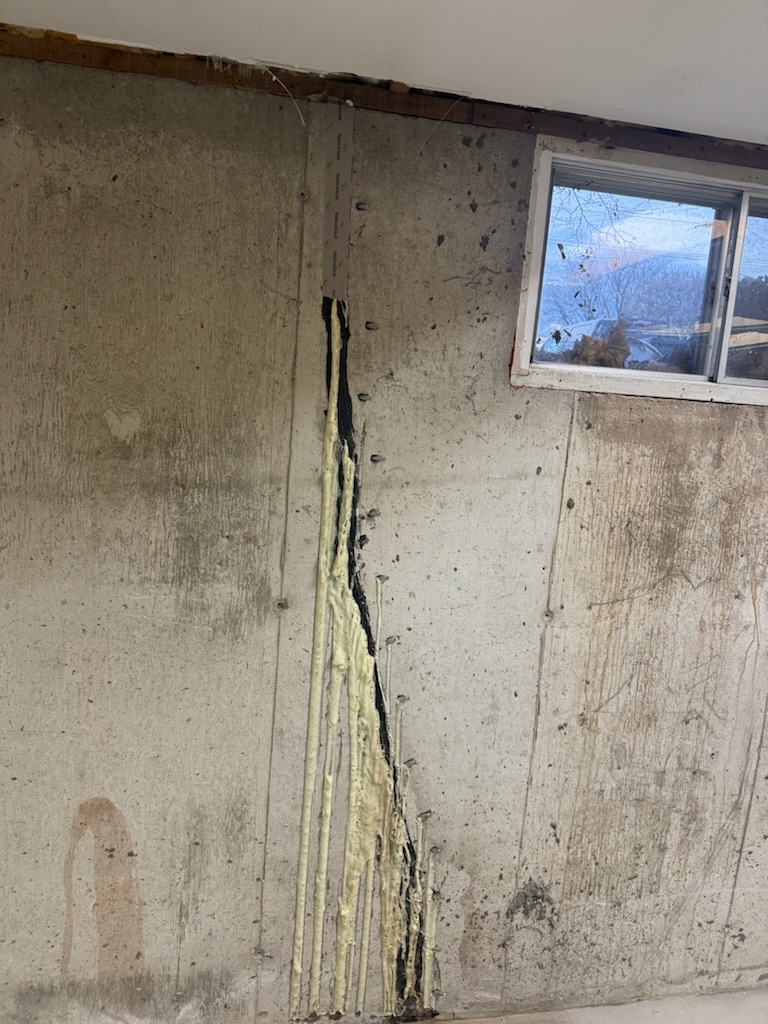
Low-pressure polyurethane injection is the standard repair for a single active crack in a poured concrete wall. A technician drills ports along the crack at regular intervals, pastes surface ports over them, and injects two-part polyurethane foam under low pressure. The foam expands into the full depth of the crack, cures flexible, and tolerates the seasonal foundation movement that is common in Tiny’s freeze-thaw environment.
This method works from the interior, so no excavation is required. It is best for hairline to moderate-width cracks that have a clear, isolated entry point. It is not appropriate for cracks that show horizontal displacement, which may indicate a structural problem requiring an engineer’s assessment.
Epoxy injection is reserved for structural cracks where the wall must be re-bonded and rigidity restored. Epoxy cures hard and does not flex, so it is the wrong choice for a crack that will continue to move seasonally.
Option 2: Interior Weeping Tile System
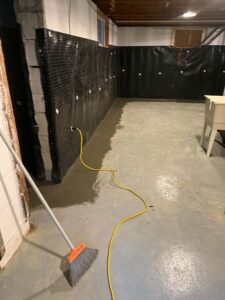
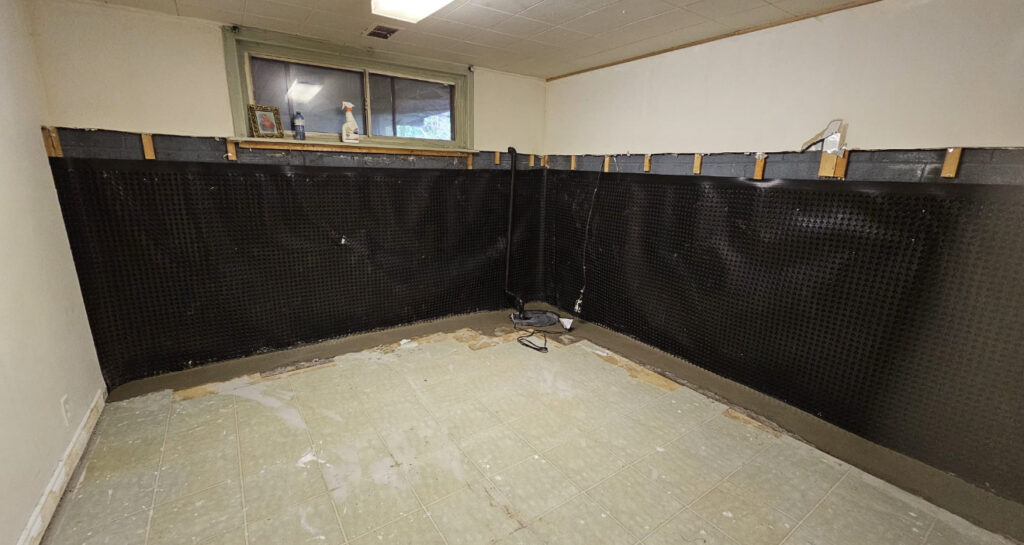
When water enters along the floor-wall joint or seeps through the base of the wall across a wide area, a single crack injection will not solve the problem. An interior weeping tile system addresses perimeter seepage by intercepting water before it reaches the floor. The process involves breaking the concrete perimeter, installing a perforated drain pipe in a bed of clear stone, routing it to a sump basin, and re-pouring the concrete. A vapour barrier is applied up the wall to direct wall seepage into the drain rather than onto the floor.
This is the most common solution for older Tiny Township homes whose original weeping tile has silted up completely. It does not stop water from entering the wall, but it manages water so effectively that the basement stays dry. Best for: perimeter seepage, multiple entry points, properties where exterior excavation is impractical.
Option 3: Exterior Waterproofing
Exterior waterproofing is the most comprehensive repair because it addresses hydrostatic pressure at the source, before water contacts the foundation wall. The process involves excavating to the footing, applying hydraulic cement to any voids or honeycombing, coating the wall with a rubberised membrane, installing a dimpled drainage board over the membrane, laying new weeping tile in clear stone at the footing, and backfilling with corrected grade.
For a typical Tiny Township home, this is a significant investment, but it is the only method that stops water from reaching the wall entirely. It is best for properties with severe or recurring leaks, failed original weeping tile, or where the foundation wall itself is deteriorating. Access can be a constraint on cottage lots with tight setbacks or mature landscaping.
Option 4: Sump Pump Installation or Replacement
A sump pump is not a waterproofing method on its own, but it is a critical component of any interior drainage system. In Tiny, where the water table can rise quickly during thaw, a properly sized sump pump with a battery backup is essential for seasonal properties. A pump that fails during a spring flood while the cottage is unoccupied can result in significant water damage before anyone notices.
Sump pump installation is often combined with an interior weeping tile system. Replacement of an aging or undersized pump is a standalone service that can dramatically reduce flood risk at relatively low cost.
Option 5: Window Well and Grade Correction
Some Tiny Township basements leak not through the foundation wall itself but through basement windows or because the grade around the foundation slopes toward the house rather than away from it. Window well drains that are clogged with leaves and debris are a common culprit on cottage properties. Correcting the grade and cleaning or replacing window well drains can resolve surface-water intrusion without any structural repair.
This option is best for properties where water entry is clearly linked to rainfall events and the leak point is at or above grade level. It does not address hydrostatic pressure from a high water table.
Options Compared
| Method | Best For | Typical Lifespan | Relative Cost | Disruption |
|---|---|---|---|---|
| Polyurethane crack injection | Single isolated crack, poured concrete wall | Long-term when crack is stable | Lowest | Minimal, interior only, no excavation |
| Interior weeping tile system | Perimeter seepage, multiple entry points, silted weeping tile | Decades with sump maintenance | Moderate | Interior concrete breaking, 1-3 days |
| Exterior waterproofing | Severe or recurring leaks, deteriorating wall, failed original drainage | 25+ years with membrane intact | Highest | Full excavation, landscaping disruption |
| Sump pump installation | High water table, seasonal properties, backup for existing system | 7-12 years per pump unit | Low to moderate | Minimal, pit excavation only |
| Grade correction and window wells | Surface-water intrusion, rain-linked leaks at or above grade | Ongoing with maintenance | Lowest | Exterior landscaping only |
Crack injection is the right starting point when the entry point is a single, clearly defined crack in a poured concrete wall. Interior weeping tile covers situations where water is entering across a wide perimeter area or where the original drainage system has failed. Exterior waterproofing is the definitive solution for properties with chronic problems or a deteriorating foundation wall. Sump pumps and grade corrections are supporting measures that improve the performance of any primary repair.
How to Choose the Right Basement Leak Repair Tiny Township Solution
The decision framework starts with identifying where water actually enters, not just where it pools on the floor. Water travels along the path of least resistance, so a puddle in the centre of the basement may originate from a crack near the footing on the opposite wall.
Choose crack injection if you can see a single vertical or diagonal crack in a poured concrete wall, the crack is dry between rain events, and there is no sign of horizontal displacement or bowing. A crack that is actively weeping during a dry period suggests ongoing hydrostatic pressure and may need a drainage solution alongside the injection.
Choose an interior weeping tile system if water appears along the floor-wall joint on multiple sides of the basement, if the original weeping tile is known to be silted or absent, or if exterior excavation is not feasible due to lot constraints. This is also the practical choice for most Tiny Township seasonal properties where the owner wants a reliable, low-maintenance solution.
Choose exterior waterproofing if the foundation wall shows signs of deterioration, if previous interior repairs have failed, or if you want the most complete protection available. Properties with recurring leaks despite prior repairs almost always benefit from excavation to inspect and restore the footing-level drainage and membrane.
For a detailed breakdown of what each approach costs across Ontario, the basement leaking repair cost guide covers the full range of investment bands by method.
A single foundation crack injected with polyurethane typically costs $600 to $900 in Tiny Township. A full interior weeping tile system or exterior waterproofing job runs considerably more and depends on linear footage, depth, and site access. Every final figure requires a site inspection.
Costs and Timelines
| Cost Driver | Why It Affects Price | Approximate Impact |
|---|---|---|
| Linear footage of affected perimeter | More wall to treat means more material, more labour, and more excavation | Primary driver for weeping tile and exterior jobs |
| Depth of foundation | Deeper footings require more excavation time and shoring | Significant on older Tiny Township homes with deep basements |
| Site access | Tight cottage lots, decks, or mature trees restrict equipment and add hand-digging time | Can add meaningfully to exterior job cost |
| Number of cracks | Each crack injection is priced individually; multiple cracks compound the total | $600-$900 per crack, approximately |
| Condition of existing weeping tile | Fully silted or collapsed tile requires complete replacement rather than supplementing | Increases interior system scope and cost |
| Sump basin and pump | New basin excavation and pump unit add to interior system total | Moderate incremental cost, essential for seasonal properties |
As a general orientation: basement leak repair Tiny Township pricing starts at approximately $600 to $900 for a single crack injection. A full exterior waterproofing job on an average-sized home, covering excavation to the footing, rubberised membrane, dimpled drainage board, new weeping tile, and backfill, is a larger investment that varies with linear footage and access. Interior weeping tile systems typically fall below exterior costs. Every quote from DryShield is based on a free on-site inspection and written with linear-foot pricing so you know exactly what you are paying for before work begins.
Seasonal Tiny Township cottages often need a battery-backup sump pump as part of any drainage solution. A pump that fails during a spring thaw while the property is unoccupied can turn a manageable leak into a major flood damage claim.
Risks and Common Mistakes
| Symptom | Likely Cause | Correct Fix |
|---|---|---|
| Water along floor-wall joint on multiple walls | Silted weeping tile, high water table, hydrostatic pressure | Interior weeping tile system with sump pump |
| Vertical crack weeping after rain | Shrinkage or settlement crack in poured concrete wall | Polyurethane crack injection |
| Horizontal crack or bowing wall | Lateral soil pressure, potential structural issue | Engineer assessment before any waterproofing |
| Water at window well after rain | Clogged window well drain, negative grade | Clean drain, correct grade, replace well if needed |
| White powder on wall (efflorescence) | Mineral deposits from slow chronic seepage | Find and seal the water source; efflorescence is a symptom, not the problem |
The most common mistake Tiny Township homeowners make is applying hydraulic cement or a paint-on sealant over an active crack without addressing the drainage behind the wall. These products can slow a leak temporarily, but hydrostatic pressure will eventually push water through or around them. The second most common mistake is delaying repair after the first sign of moisture. A hairline crack that costs under $1,000 to inject can widen over two or three freeze-thaw cycles into a crack that requires excavation and membrane repair. For seasonal properties, the risk is compounded because the damage accumulates unobserved over winter.
Freeze-thaw cycling is the primary crack-widening mechanism in Tiny Township. A crack that is 0.5 mm wide in October can be 2 mm wide by April after repeated expansion and contraction of ice within the crack.
Choosing an interior drainage solution when the foundation wall itself is deteriorating is another costly error. If the concrete is spalling, honeycombed, or showing signs of structural compromise, managing water from the inside does not address the wall’s condition. An exterior inspection and membrane application is the appropriate scope in that situation. You can use the basement leak diagnostic tool to help identify the most likely cause before booking an inspection.
How the Process Works
- Free on-site inspection and moisture assessment. A DryShield technician visits the property, inspects the foundation walls, floor, and exterior grade, and identifies all active and potential entry points. For Tiny Township seasonal properties, this inspection also covers the sump pump condition and any freeze-thaw cracking.
- Written scope with linear-foot pricing. You receive a written proposal that specifies the method, the materials, and the price per linear foot or per crack. No vague estimates.
- Preparation and access. For interior work, furniture and stored items near the perimeter are cleared. For exterior work, any landscaping, decking, or structures near the affected wall are assessed for access constraints.
- Repair execution. Crack injection jobs are typically completed in a single visit. Interior weeping tile systems take one to three days depending on perimeter length. Exterior waterproofing involves excavation to the footing, hydraulic cement parging of voids, rubberised membrane application, dimpled drainage board, new weeping tile in clear stone, and backfill with grade correction.
- Sump pump connection and test. Where a sump basin is part of the scope, the pump is installed, connected, and tested before the concrete is re-poured.
- Concrete reinstatement and cleanup. Interior perimeter concrete is re-poured. Exterior backfill is compacted and graded to direct surface water away from the foundation.
- Final walkthrough and warranty documentation. The completed work is reviewed with the homeowner, and warranty paperwork is issued. DryShield’s lifetime transferable warranty covers the repaired area and transfers to a new owner if the property is sold.
Frequently Asked Questions
How do I know if my Tiny Township basement leak needs injection or a full drainage system?
If water enters through a single, clearly defined crack in a poured concrete wall and the rest of the perimeter is dry, crack injection is usually the right scope. If water appears along the floor-wall joint on multiple sides, or if the floor itself is damp, the weeping tile system has likely failed and a drainage solution is needed. A site inspection confirms which basement leak repair Tiny Township approach applies to your property.
Can a seasonal cottage in Tiny be waterproofed while it is unoccupied?
Yes. Interior crack injection and interior weeping tile work can be completed without the owner present, provided access is arranged. Exterior excavation requires someone on site to confirm scope and sign off on the work. For unoccupied properties, we recommend combining any drainage repair with a battery-backup sump pump so the system continues to function during a power outage.
Why does my Tiny Township basement only leak in spring?
Spring snowmelt raises the water table rapidly in Tiny’s sandy soils. When the table reaches footing depth, hydrostatic pressure against the foundation wall peaks. Cracks or joints that are dry all summer become active leak points for four to six weeks each spring. This seasonal pattern is a reliable indicator that the root cause is drainage-related rather than a surface-water problem.
Is exterior waterproofing always better than interior?
Exterior waterproofing is more comprehensive because it stops water before it contacts the wall. Interior systems manage water after it enters the wall assembly. For many Tiny Township properties, especially cottages with tight lot lines or decks against the foundation wall, exterior excavation is not practical. Interior weeping tile with a sump pump is a proven, long-term solution in those cases. The right choice depends on the property, not a general rule.
How long does a polyurethane crack injection last in a Tiny Township foundation?
Polyurethane cures flexible, which means it accommodates the seasonal movement that poured concrete foundations experience in freeze-thaw climates. A properly injected crack in a stable wall can remain watertight for many years. If the crack continues to widen due to ongoing settlement or structural movement, re-injection or a structural assessment may be needed.
What is the difference between dampproofing and waterproofing?
Dampproofing is a basic coating applied to the exterior of a foundation wall during original construction. It resists moisture vapour but is not designed to withstand hydrostatic pressure. Waterproofing uses a rubberised membrane that bonds to the wall and remains flexible, providing a continuous barrier against water under pressure. Most older Tiny Township homes were built with dampproofing only, which degrades over time.
Do I need a permit for basement waterproofing in Tiny Township?
Interior crack injection and interior drainage systems generally do not require a building permit in Tiny Township. Exterior excavation that alters drainage patterns or involves structural work may require notification to the Township of Tiny. Your contractor should confirm permit requirements as part of the scoping process. The Ontario Building Code sets the baseline standards for below-grade waterproofing on any permitted work.
How does DryShield price basement leak repair Tiny Township jobs?
Every job starts with a free on-site inspection. Written proposals use linear-foot pricing for drainage systems and per-crack pricing for injection work, so the scope is transparent before any work begins. A single crack injection is typically $600 to $900. Larger drainage or exterior waterproofing projects vary with linear footage, depth, and site access. For a broader sense of what Ontario homeowners pay, the foundation waterproofing cost guide provides context by method and region.
Can I use the DryShield warranty if I sell my Tiny Township cottage?
Yes. DryShield’s warranty is lifetime and transferable to a subsequent owner. This makes it a meaningful selling point for a Tiny Township cottage, where buyers are often concerned about water history and foundation condition. The warranty documentation is issued at project completion and can be transferred at the time of sale.
If your Tiny Township home or cottage is showing signs of a wet basement, the right step is a free on-site inspection before the problem grows. Contact the DryShield team to book your assessment and get a written scope with no obligation.