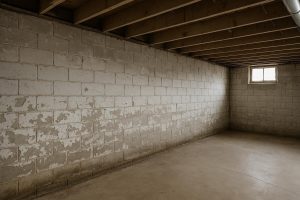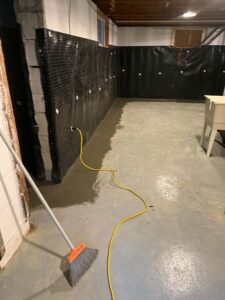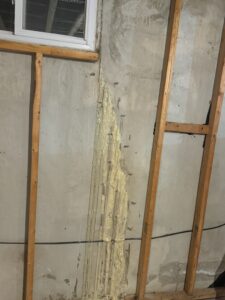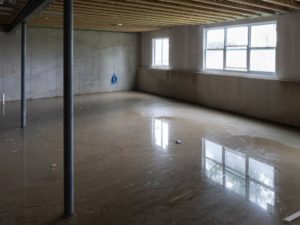
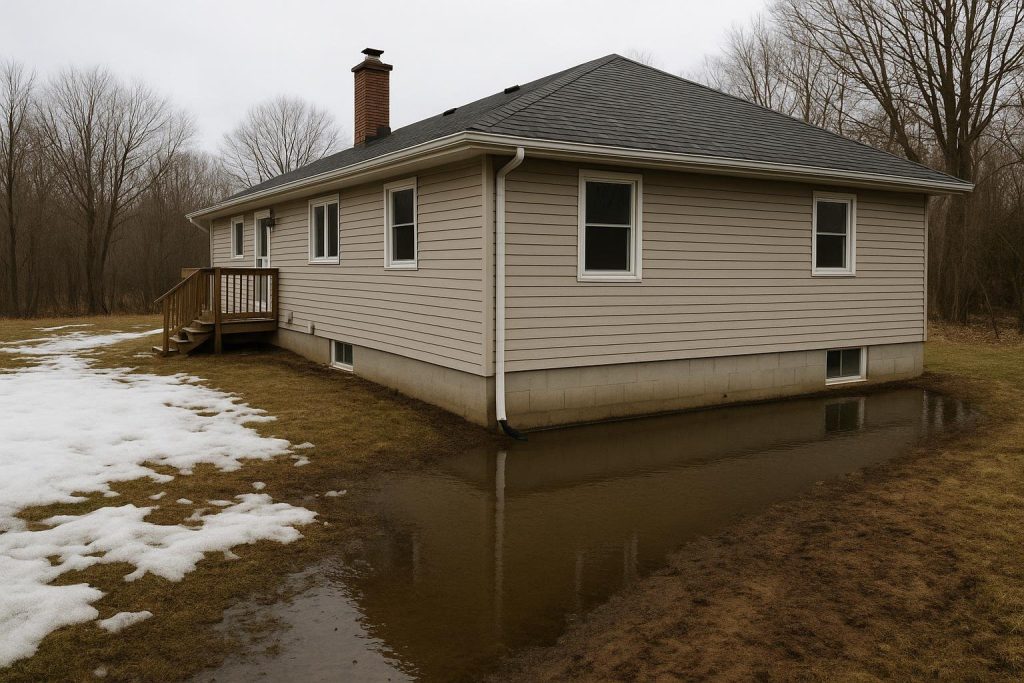
Basement flooding Tiny Township homeowners report most often traces back to one of two seasonal triggers: spring snowmelt saturating the sandy-loam and clay-mix soils that dominate the area, and heavy summer downpours overwhelming aging or absent weeping tile. Tiny sits on the southern shore of Georgian Bay, and its varied soil profile, combined with a high seasonal water table in low-lying lots, means hydrostatic pressure builds against foundation walls faster than many owners expect. Addressing the root cause, not just the symptom, is what separates a permanent fix from a repeated cleanup.
Key Takeaways
- Tiny Township’s mix of sandy and clay soils creates unpredictable drainage, making proper weeping tile and grading critical.
- Spring thaw and summer storms are the two peak failure windows for foundations in this area.
- A single injected crack typically costs $600 to $900; a full interior weeping tile system or exterior waterproofing runs considerably more depending on linear footage and access.
- Cottages and seasonal homes face added risk because water can enter and sit undetected for weeks before the owner arrives.
- The correct fix depends on where water enters: wall cracks, the cove joint at the footing, or through the floor itself each call for a different method.
Definitions and Scope
Basement flooding in Tiny covers any situation where water enters a below-grade space, whether that is a finished rec room in a year-round home on Concession 10, a stone-foundation cottage near Lafontaine, or a newer build on a lot that backs onto a wetland corridor. The water source matters: surface water from poor grading is a different problem from groundwater driven by hydrostatic pressure, and both differ from a crack that lets rainwater seep in during a storm.
Hydrostatic pressure is the force that saturated soil exerts against a foundation wall. When the soil around a footing cannot drain freely, that pressure pushes water through any available gap, including hairline cracks in poured concrete, mortar joints in block foundations, and the cove joint where the wall meets the footing. In Tiny, lots near Georgian Bay or adjacent to the many small creeks and wetlands in the township can see the water table rise by half a metre or more during spring thaw, making hydrostatic pressure the dominant cause of wet basements rather than direct rainfall alone. Basement flooding Tiny properties experience is therefore often driven by groundwater, not just surface runoff.
For a broader look at how these issues play out across Simcoe County, the Simcoe County basement waterproofing guide covers the regional context in detail.
Why This Matters for Tiny Township Homeowners
Basement flooding Tiny cottage owners face is especially serious because a property left unoccupied from October to May can accumulate significant water damage before anyone opens the door in spring. Mould begins growing within 24 to 48 hours of a wet event, and by the time a seasonal owner arrives, a minor crack that let in water during the March thaw may have produced a mould colony behind drywall, damaged stored belongings, and begun to compromise the structural integrity of the footing area.
Year-round homes face a different version of the same problem. Tiny’s building stock includes homes from the 1960s and 1970s with original clay weeping tile that has long since silted up or collapsed. When that tile fails, there is no drainage path for water that accumulates at the footing, and the foundation wall becomes the only barrier between a saturated exterior and a dry interior. That barrier is rarely enough on its own.
CMHC research on residential moisture confirms that foundation water intrusion is among the leading causes of indoor air quality problems in Canadian homes. The Canada Mortgage and Housing Corporation recommends addressing any evidence of water entry promptly rather than waiting for visible damage to worsen.
In Tiny Township, the spring thaw window, typically late February through April, is when the majority of foundation flooding calls come in. Water that froze against the foundation wall all winter begins to move the moment temperatures rise above zero.
Your Options for Fixing a Flooded Basement in Tiny
Polyurethane Crack Injection
Polyurethane crack injection seals an active crack from the interior using low-pressure ports bonded to the wall surface. The polyurethane resin is injected under low pressure, travels through the full depth of the crack, and cures into a flexible seal that tolerates the seasonal foundation movement common in Tiny’s freeze-thaw climate. This method is best for a single vertical crack in a poured concrete wall where the surrounding concrete is otherwise sound. It does not address the drainage problem outside the wall, so it works best when the crack is the only entry point and grading is already adequate. Cost typically falls in the $600 to $900 range per crack, depending on length and depth. Epoxy injection is reserved for structural cracks where the wall needs to be re-bonded, not just sealed.
Interior Weeping Tile System
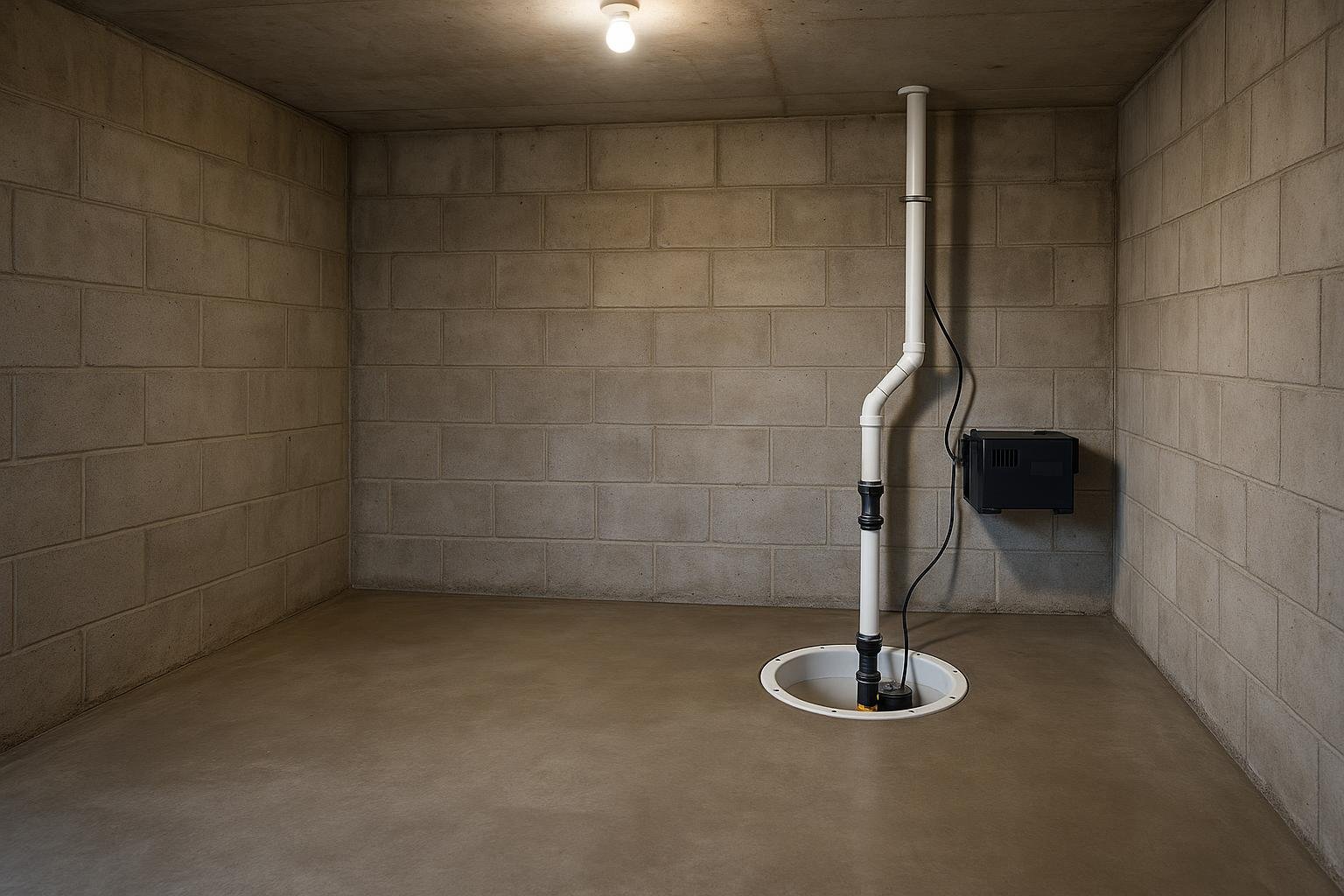
An interior weeping tile system involves breaking the concrete floor at the perimeter, installing a perforated drainage pipe in a bed of clear stone at the footing level, and directing collected water to a sump basin where a pump discharges it away from the foundation. A vapour barrier is run up the wall and sealed to the pipe, and the floor is re-poured. This method manages water that enters at the cove joint or through the floor without requiring exterior excavation, making it practical for Tiny properties where mature trees, decks, or tight lot lines prevent digging. It does not stop water from entering the wall itself, but it intercepts it before it reaches the living space. Basement flooding Tiny homeowners manage through interior systems is redirected rather than blocked at the source, which is an important distinction when choosing a repair method.
Exterior Waterproofing
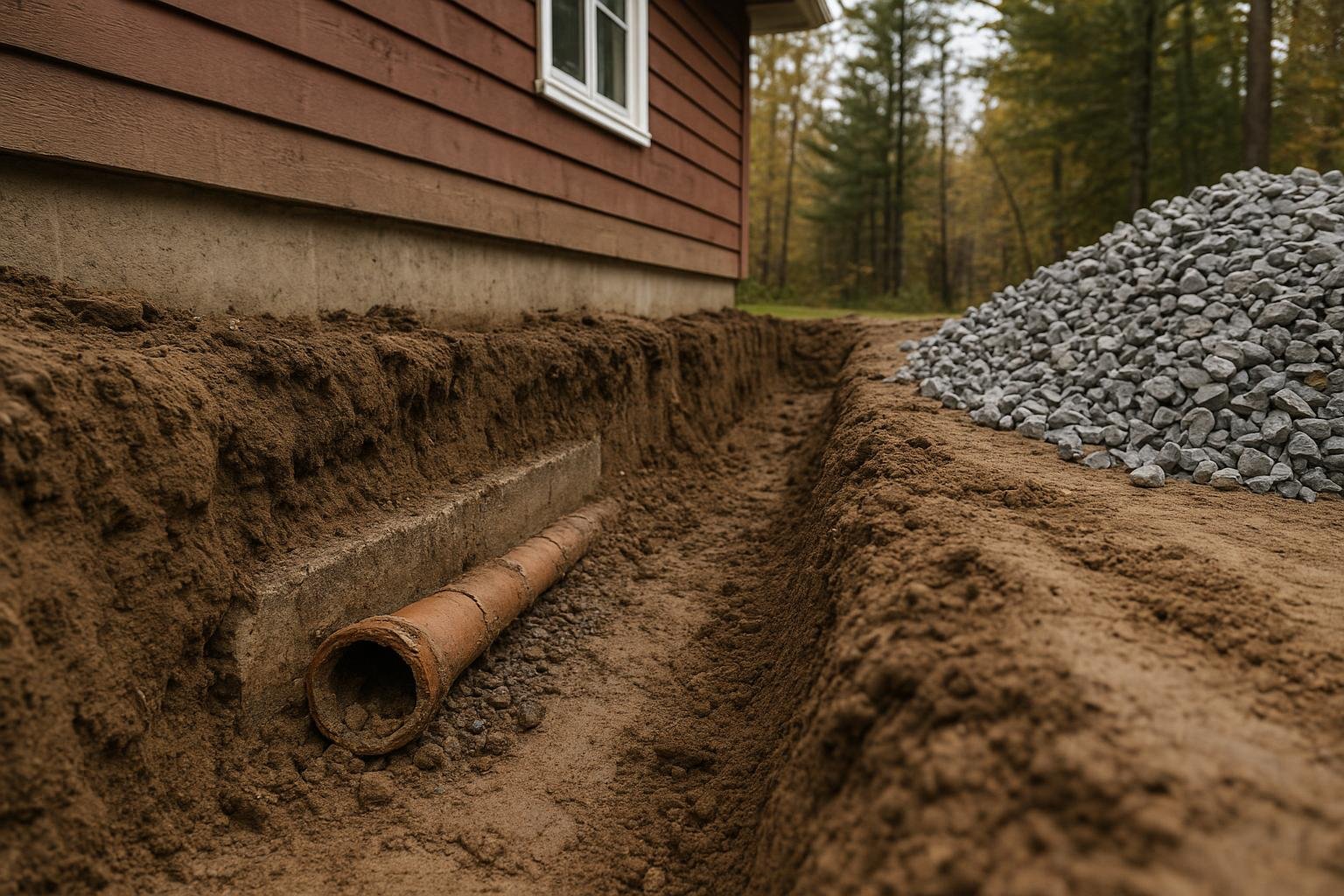
Exterior waterproofing is the most comprehensive solution. The process involves excavating to the footing, applying hydraulic cement parging to any voids or honeycombing in the concrete, coating the wall with a rubberised membrane, installing a dimpled drainage board to protect the membrane and create a drainage plane, laying new weeping tile in clear stone at the footing, and backfilling with corrected grading. This stops water at the source and is the preferred method when the wall itself is deteriorating or when hydrostatic pressure is severe. On an average Tiny Township home, full exterior waterproofing typically runs in the $6,000 to $9,000 range depending on linear footage, excavation depth, and site access. Properties with decks, landscaping, or tight side yards will be at the higher end.
Sump Pump Installation or Replacement
A sump pump is often the first line of defence and a necessary component of any interior drainage system. For seasonal cottages in Tiny, a battery backup sump pump is particularly important because power outages during spring storms are common in the area, and a pump that fails during a thaw event can allow significant flooding before the owner is aware. A pump without a battery backup or alarm system is a single point of failure in a property that may be unoccupied for months.
Grading and Surface Drainage Correction
Negative grading, where the soil slopes toward the foundation rather than away from it, is a contributing factor in many Tiny flooding cases. Correcting the grade so that surface water drains away from the foundation within the first two metres is a low-cost first step that reduces the volume of water reaching the wall. It does not replace waterproofing where the wall or weeping tile has already failed, but it reduces the load on any drainage system that is in place.
Parging and Wall Repair
Parging, the application of a cement-based coating to the exterior face of a foundation wall, fills surface voids and provides a base layer of protection. It is typically part of a full exterior waterproofing job rather than a standalone fix. Parging alone, without a membrane and drainage board, will not hold against sustained hydrostatic pressure and should not be treated as a permanent waterproofing solution.
Options Compared
| Method | Best For | Typical Lifespan | Relative Cost | Disruption |
|---|---|---|---|---|
| Polyurethane crack injection | Single vertical crack in poured concrete | Long-term if crack is stable | Lowest ($600-$900 per crack) | Minimal, interior only, no excavation |
| Interior weeping tile system | Cove joint leaks, floor seepage, tight lot lines | 20+ years with pump maintenance | Moderate | Interior floor demolition and re-pour |
| Exterior waterproofing | Severe hydrostatic pressure, deteriorating walls | 25+ years with membrane intact | Highest ($6,000-$9,000+ typical) | Full perimeter excavation required |
| Sump pump installation | Active water accumulation, seasonal properties | 7-10 years per pump unit | Low to moderate | Minimal, pit excavation only |
| Grading correction | Surface water draining toward foundation | Ongoing maintenance needed | Lowest | Landscaping disruption only |
| Parging | Surface voids as part of exterior system | Varies, not standalone | Low | Requires excavation if applied externally |
The table above shows that no single method fits every Tiny Township property. Crack injection is the right answer for a clean, isolated crack in an otherwise sound wall. Exterior waterproofing is the right answer when the wall has multiple entry points, the original weeping tile has failed, or hydrostatic pressure is the primary driver. Interior systems bridge the gap for properties where excavation is impractical. Most complete repairs combine two or more of these methods.
How to Choose the Right Fix
Choose crack injection if you have a single, clearly defined vertical crack in a poured concrete wall, the rest of the wall is dry, and the crack appeared after a specific freeze-thaw event rather than progressively over years. This is a targeted, cost-effective repair that does not require disrupting the yard or the floor.
Choose an interior weeping tile system if basement flooding in Tiny is entering at the base of the wall, along the cove joint, or through the floor slab, and if exterior excavation is not feasible due to decks, mature trees, or a tight side yard. This is also the preferred approach for seasonal cottages where the owner wants a managed drainage solution with a monitored sump pump rather than a full exterior dig.
Choose exterior waterproofing if the wall has multiple cracks, if the original weeping tile is silted up or absent, if you can see efflorescence or mineral staining across a wide area of the wall, or if the foundation is a block or stone construction where water can enter through many points simultaneously. This is the most permanent solution and the one that stops water before it contacts the wall.
Choose grading correction as a first step in any situation where the soil visibly slopes toward the house, and combine it with whichever primary method the inspection recommends. Grading alone will not fix a failed weeping tile, but it reduces the volume of water the drainage system must handle.
Costs and Timelines
| Cost Driver | Why It Affects Price | Approximate Impact |
|---|---|---|
| Linear footage of wall requiring treatment | More wall means more membrane, weeping tile, and labour | Primary pricing variable |
| Excavation depth | Deeper footings require more digging time and shoring | Significant on older homes with deep footings |
| Site access | Decks, fences, and mature trees restrict equipment access | Can add 15-30% to exterior job cost |
| Number and length of cracks | Each crack requires individual port placement and injection | $600-$900 per crack |
| Condition of existing weeping tile | Fully silted tile must be replaced, not supplemented | Adds material and disposal cost |
| Sump pit and pump specification | Battery backup and alarm systems add to base pump cost | Recommended for all seasonal properties |
As a general guide, a single injected crack runs $600 to $900. A full exterior waterproofing job on an average Tiny Township home, covering three sides of a standard foundation, typically falls in the $6,000 to $9,000 range, with the final number depending on a site inspection. Interior weeping tile systems generally come in below the exterior cost. All prices should be treated as ranges until a contractor has assessed the specific property, soil conditions, and access constraints. For a full breakdown of what drives waterproofing costs across Ontario, the foundation waterproofing cost guide is a useful reference.
Seasonal properties in Tiny should budget for a battery backup sump pump as part of any interior drainage system. A power outage during a spring storm is common in the area, and a failed pump in an unoccupied cottage can mean weeks of standing water before anyone notices.
Risks and Common Mistakes
The most common mistake Tiny homeowners make is treating a wet basement as a cosmetic problem. Painting the interior wall with a hydraulic cement product or a waterproofing paint does not address hydrostatic pressure. These coatings can slow surface moisture transmission briefly, but they will eventually fail under sustained pressure, often in a way that causes the coating to delaminate and trap moisture behind it.
A second frequent error is replacing only the sump pump without investigating why the existing system is overwhelmed. If the weeping tile feeding the sump basin is silted up, a new pump will run constantly and still fail to keep the basement dry during peak events. The pump is the last line of defence, not the first.
For seasonal properties, leaving a standard sump pump without a battery backup or a water alarm is a significant risk. Georgian Bay weather during spring thaw can produce multi-day power outages, and a pump that stops working on day one of a five-day thaw event will allow substantial water accumulation.
Delaying repair after the first sign of basement flooding Tiny properties experience is also costly. A small crack that lets in a trickle during spring thaw will widen with each freeze-thaw cycle. The polyurethane injection that costs $600 to $900 today may become an exterior waterproofing job costing several times that if the crack is left to grow and the surrounding concrete begins to spall.
| Symptom | Likely Cause | Correct Fix |
|---|---|---|
| Water at base of wall, along cove joint | Failed weeping tile, hydrostatic pressure at footing | Interior weeping tile system or exterior waterproofing |
| Water through a single vertical crack | Shrinkage or freeze-thaw crack in poured concrete | Polyurethane crack injection |
| Water seeping through floor slab | High water table, no sub-slab drainage | Interior weeping tile to sump, sub-slab drainage |
| Efflorescence across wide wall area | Chronic moisture migration through wall | Exterior waterproofing with membrane and drainage board |
| Sump pump running constantly | Silted weeping tile forcing all drainage through sump | Replace weeping tile, not just the pump |
The symptom-to-cause table above is a starting point, not a diagnosis. The correct fix for any Tiny Township property depends on a physical inspection that includes checking the exterior grade, probing the weeping tile condition, and assessing the wall for multiple entry points. A repair scoped from a description alone risks addressing the visible symptom while missing the underlying cause.
How the Process Works
- Free on-site inspection and moisture assessment. A technician visits the property, checks interior walls for staining, efflorescence, and active seepage, probes the exterior grade, and identifies the likely water entry path. For seasonal cottages, this step often reveals damage that accumulated over winter.
- Written scope with linear-foot pricing. Based on the inspection findings, a written quote is prepared that specifies the method, the linear footage or number of cracks to be treated, and the materials to be used. No work begins without a signed scope.
- Preparation and access. For exterior work, the area around the foundation is cleared and excavation begins to the footing. For interior work, the perimeter floor is saw-cut and broken out. For crack injection, the wall surface is cleaned and ports are bonded at intervals along the crack.
- Core repair work. Exterior: hydraulic cement parging of voids, rubberised membrane application, dimpled drainage board installation, new weeping tile in clear stone, and backfill with grade correction. Interior: weeping tile installed to sump basin, vapour barrier up the wall, concrete re-poured. Crack: low-pressure polyurethane injected through ports until the resin appears at the next port, confirming full penetration.
- Sump pump installation or verification. Where an interior system is installed, the sump pump and, for seasonal properties, the battery backup unit are installed and tested before the floor is re-poured.
- Cleanup and grade check. Excavated soil is backfilled and graded away from the foundation. Interior concrete is finished flush with the existing floor. The site is left clean.
- Final walkthrough and warranty documentation. The completed work is reviewed with the homeowner or property manager, and warranty documentation is provided. DryShield’s work carries a lifetime transferable warranty, which is relevant for Tiny homeowners who may sell a seasonal property in the future.
A lifetime transferable warranty on waterproofing work adds real value at resale. Buyers of Tiny Township properties, particularly cottages, increasingly ask for documentation of any foundation repairs. A transferable warranty answers that question directly.
Frequently Asked Questions
What causes basement flooding in Tiny Township specifically?
The most common causes of basement flooding Tiny properties experience are failed or silted weeping tile, hydrostatic pressure from a seasonally high water table near Georgian Bay and local wetlands, and foundation cracks that widen with each freeze-thaw cycle. Surface water from negative grading is a contributing factor on many lots. The combination of sandy and clay-mix soils across the township means drainage behaviour varies significantly from one property to the next, which is why a site inspection matters before any repair is scoped.
Is basement flooding in Tiny a seasonal problem or a year-round one?
Basement flooding Tiny homeowners report peaks during two windows: spring thaw, typically late February through April, and heavy summer rainfall events. That said, properties with failed weeping tile or severe hydrostatic pressure can experience water entry any time the soil is saturated. Seasonal cottages are particularly vulnerable during spring thaw because no one is present to catch a problem early. Year-round homes can also see winter seepage if the water table remains high and the foundation wall has multiple entry points.
Can I fix a flooded basement myself?
Grading correction and basic sump pump replacement are tasks a capable homeowner can handle. Crack injection, interior weeping tile installation, and exterior waterproofing require professional equipment, proper membrane and drainage board materials, and knowledge of how to scope the repair correctly. An improperly injected crack, for example, may appear sealed at the surface while remaining open through the wall depth, allowing water to continue entering behind the injection resin.
How much does it cost to fix a flooded basement in Tiny?
A single polyurethane crack injection typically costs $600 to $900. A full exterior waterproofing job on an average Tiny Township home generally falls in the $6,000 to $9,000 range depending on linear footage, excavation depth, and site access. Interior weeping tile systems typically come in below the exterior cost. Every property is different, and the final number depends on a site inspection. For a detailed breakdown of what drives costs, the Ontario basement leaking repair cost guide is a useful starting point.
Do I need exterior or interior waterproofing?
Exterior waterproofing stops water at the source and is the most permanent solution, but it requires excavation and is not always practical on properties with decks, mature trees, or tight lot lines. Interior systems manage water that has already entered the wall cavity and direct it to a sump pump. The right choice depends on where water is entering, the condition of the existing weeping tile, and site access. A professional inspection is the only reliable way to determine which method fits a specific property.
What should I do if I arrive at my Tiny cottage to find a flooded basement?
Do not enter standing water if there is any possibility that electrical outlets or the panel are submerged. Turn off power at the breaker if it is safe to do so, then remove standing water with a submersible pump or wet-dry vacuum. Document the damage with photos before cleanup. Once the space is dry, identify the water entry point before closing the cottage again. The guide on arriving at a flooded cottage covers the immediate steps in detail.
How long does waterproofing work take?
Crack injection on a single crack is typically completed in one visit of two to four hours. An interior weeping tile system on an average basement takes two to three days, including the concrete re-pour cure time. Full exterior waterproofing on a three-sided perimeter typically takes two to four days depending on excavation depth and access. Weather can affect exterior timelines, particularly in spring when ground conditions in Tiny can be soft.
Does waterproofing work come with a warranty?
DryShield’s waterproofing work is backed by a lifetime transferable warranty. For Tiny Township homeowners who may sell a seasonal property, this is a meaningful asset: a buyer can verify that the foundation has been professionally waterproofed and that the warranty transfers to them at closing. Crack injection repairs are also warranted. The specific terms are reviewed during the final walkthrough.
Will my home insurance cover basement flooding in Tiny?
Standard Ontario home insurance policies typically do not cover damage caused by groundwater or hydrostatic pressure seeping through a foundation wall. Basement flooding Tiny homeowners experience from groundwater is generally excluded from standard coverage. Overland water coverage, which some insurers offer as an add-on, may cover surface flooding in certain circumstances. Sewer backup coverage addresses a different failure mode. Reviewing your specific policy with your broker before a flooding event is the only way to know what is and is not covered. Waterproofing the foundation reduces the risk of a claim regardless of coverage terms.
If your Tiny Township home or cottage has shown any sign of water entry, a free on-site inspection is the right first step. DryShield serves Tiny and the broader Simcoe County area and can assess the property, identify the entry point, and provide a written scope with no obligation. Contact the DryShield team to schedule your inspection.