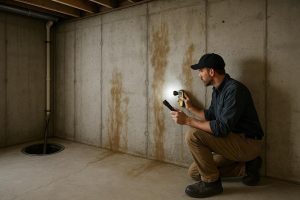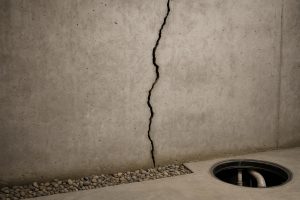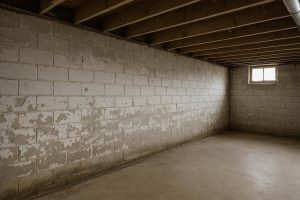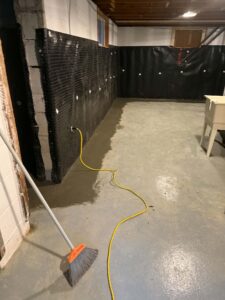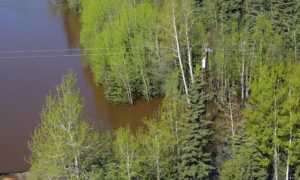
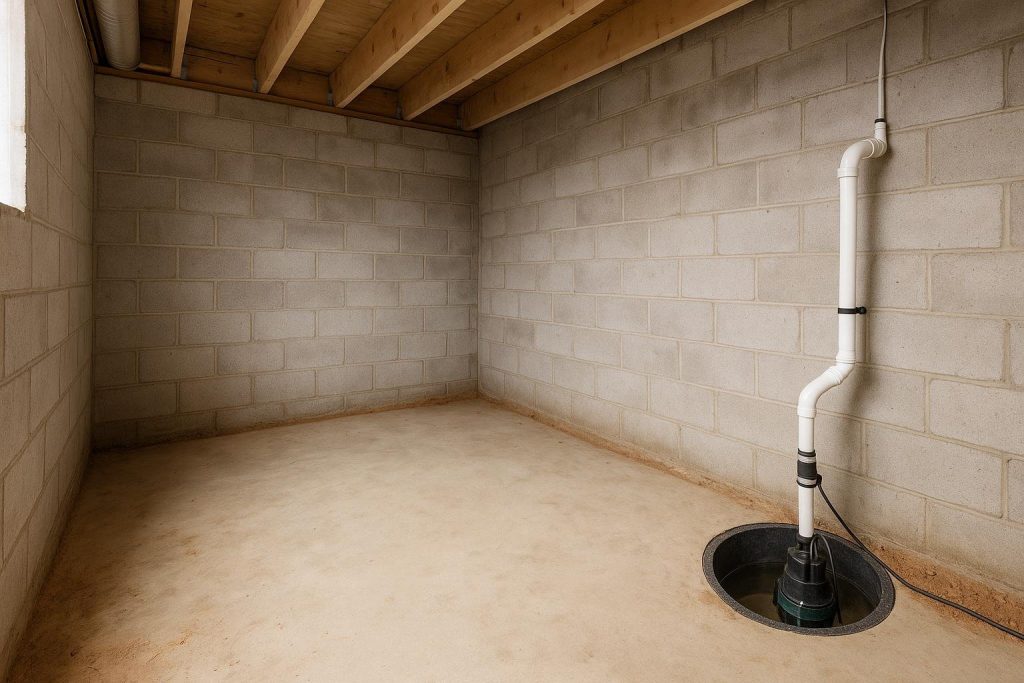
Sump pump installation in Tay Township is one of the most effective ways to protect a basement from the seasonal flooding and hydrostatic pressure that affect homes throughout this part of Simcoe County. Tay sits between Georgian Bay and the Tay River, and its mix of clay-rich soils, shallow water tables and heavy spring snowmelt creates conditions where a properly sized and installed sump system is often the difference between a dry basement and a flooded one. This guide explains every option, how to compare them and what drives the cost.
Key takeaways
- Tay Township’s clay soils and proximity to Georgian Bay and the Tay River contribute to elevated seasonal water tables that put consistent pressure on basement floors and walls.
- A sump pump is an active drainage solution, not a waterproofing membrane; it works best as part of a system that includes proper drainage and, where needed, crack repair.
- Battery backup and water-powered backup units are strongly recommended in Tay, where power outages during spring storms are a real risk.
- Permit requirements for sump pump installation in Tay Township fall under the Township of Tay and the Ontario Building Code; confirm current requirements before work begins.
- Ongoing maintenance is essential: a neglected pump can fail silently during the highest-risk period of the year.
Definitions & scope
A sump pump is a submersible or pedestal electric pump installed in a pit (the sump basin) excavated at the lowest point of a basement floor. When groundwater or drainage water accumulates in the pit and reaches a set level, a float switch activates the pump, which discharges the water through a pipe to a safe outlet away from the foundation.
The term “sump pump installation” covers the full scope of work: excavating or enlarging the pit, setting the basin liner, connecting interior drainage channels (weeping tile or a perimeter drain channel) that direct water to the pit, installing the pump and discharge line, and testing the system. A simple pit-and-pump swap in an existing basin is a narrower job than a full interior drainage system with a new pit.
In Tay Township, “installation” often means integrating the pump with an interior weeping tile system because the clay soils do not drain freely on their own. Understanding the full scope before requesting quotes helps homeowners compare estimates accurately and avoid surprises.
Why this matters in Tay Township
Tay Township occupies a low-lying position on the southeastern shore of Georgian Bay. The Tay River and its tributaries cross the municipality, and the surrounding soils are predominantly clay and silty clay deposited by glacial Lake Algonquin. Clay holds water rather than draining it, so after rain or snowmelt the water table rises quickly and stays elevated for weeks.
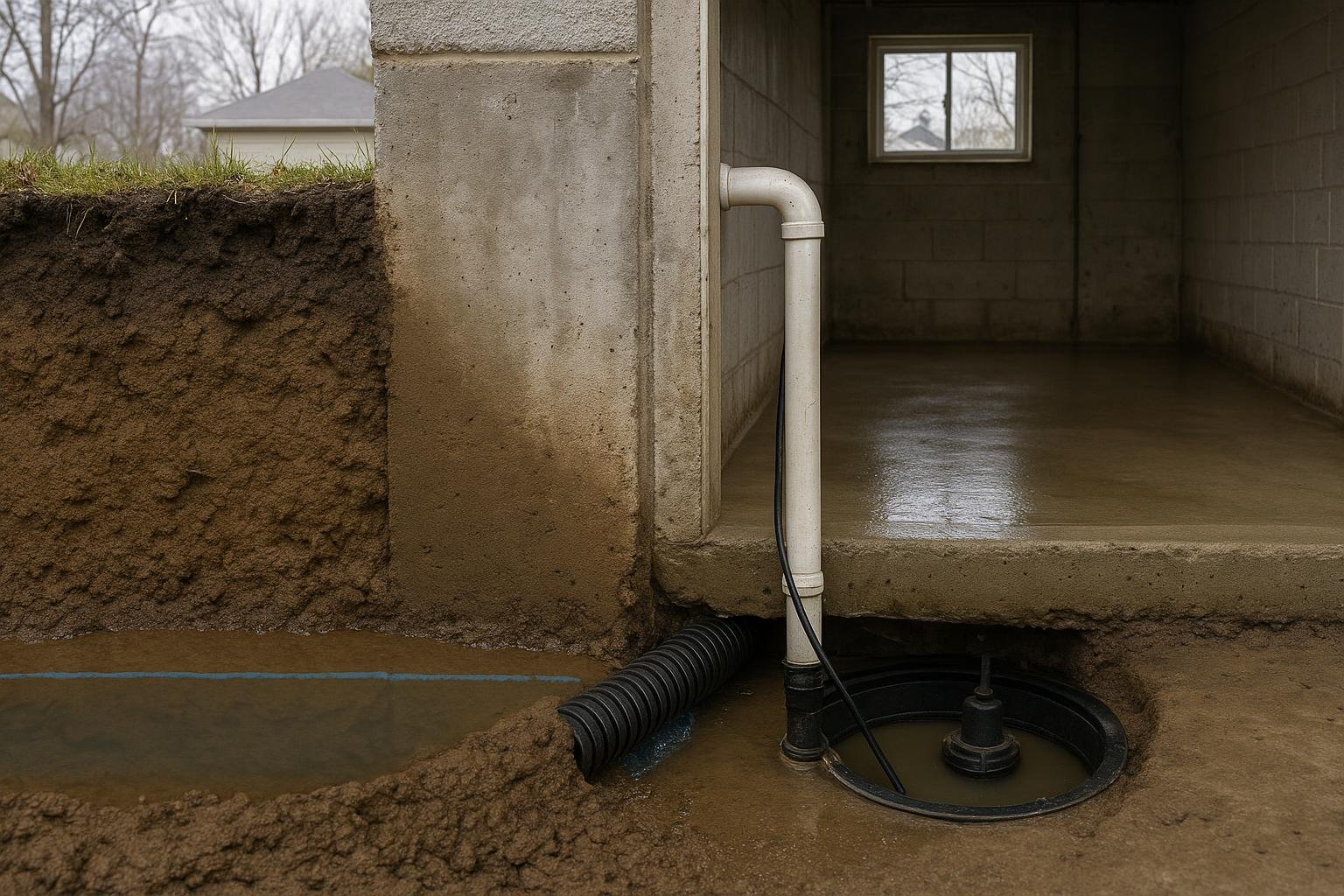
Spring snowmelt is the highest-risk period. The Simcoe County snowbelt regularly accumulates deep snowpack, and when temperatures rise rapidly in March and April, large volumes of meltwater saturate already-wet ground. Hydrostatic pressure builds against basement floors and walls, forcing water through floor cracks, the cove joint (where floor meets wall) and any existing foundation cracks. For more on how that pressure enters, see the cove joint leak explainer.
Summer and fall storms also contribute. Georgian Bay weather systems can deliver intense rainfall in short periods, overwhelming surface drainage and pushing water toward foundations faster than it can dissipate through clay.
A sump pump does not stop water from reaching the foundation, but it intercepts it before it can accumulate on the basement floor. Combined with interior drainage and, where needed, exterior waterproofing, it is the core of a complete moisture management strategy. The broader Simcoe County context is covered in the Simcoe County basement waterproofing guide.
Your options
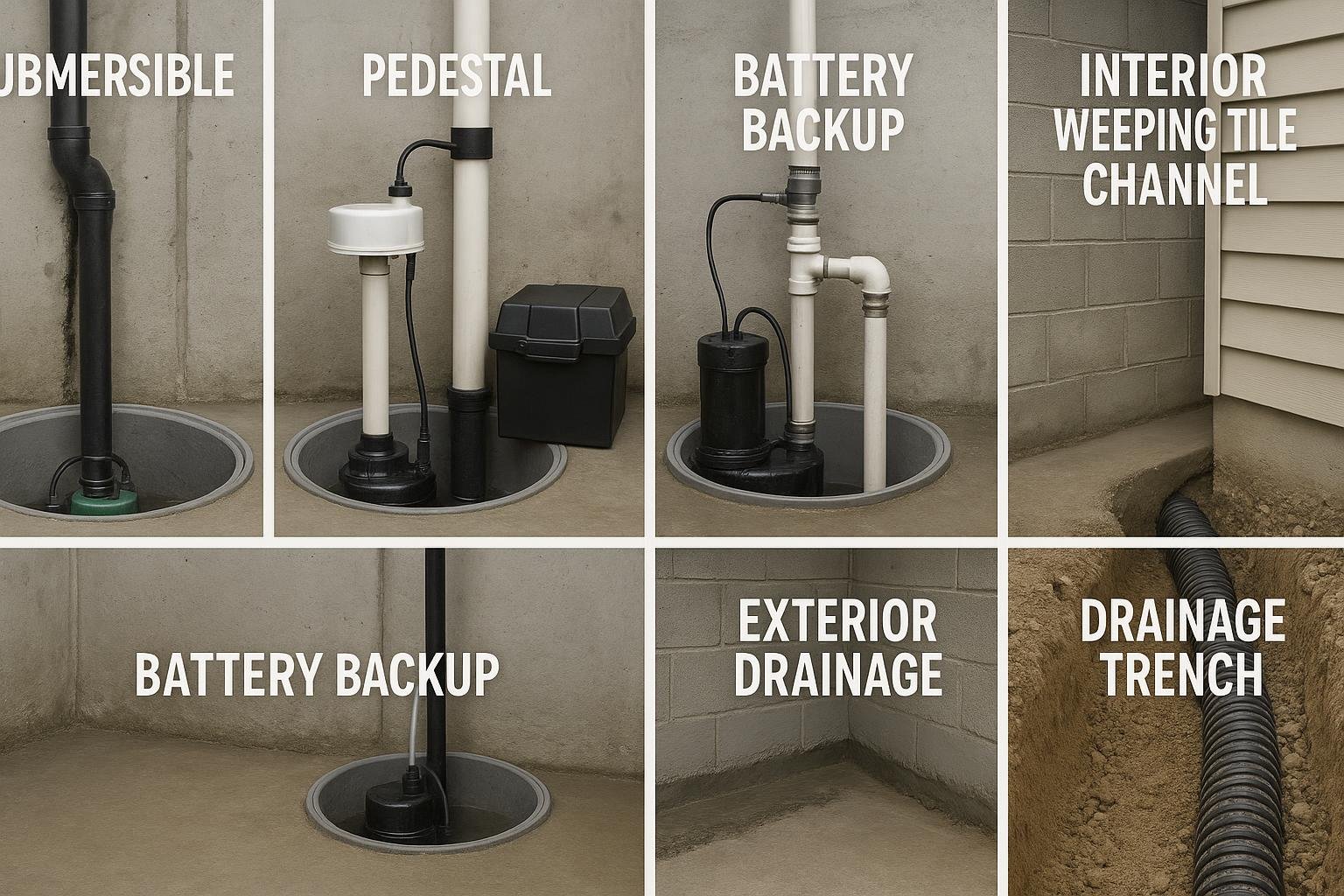
Submersible sump pump
A submersible pump sits inside the sump pit, fully below the water line. The motor is sealed in a waterproof housing, which keeps it quieter and cooler than above-pit alternatives. Most residential submersible pumps use a vertical or tethered float switch to activate when water reaches a set height.
Best for: Most Tay Township homes with a finished or semi-finished basement where noise and aesthetics matter. Submersible units handle higher flow rates and are better suited to the volume of water that clay-soil sites can deliver during spring melt.
Limitations: The sealed motor is harder to inspect without removing the pump. Units typically last 7 to 15 years depending on run cycles and water quality; sediment-heavy water shortens motor life.
Pedestal sump pump
A pedestal pump mounts the motor on a vertical column above the pit, with only the intake at the bottom. The motor is accessible without entering the pit, making inspection straightforward.
Best for: Narrow pits where a submersible unit will not fit, or where the homeowner wants easy visual inspection of the motor.
Limitations: Noisier than submersible units. The exposed motor can overheat in high-run-cycle situations. Generally lower flow capacity, which can be a concern during heavy Tay Township melt events.
Battery backup sump pump
A battery backup system pairs a secondary pump with a deep-cycle battery. When the primary pump fails or a power outage occurs, the backup activates automatically. Some systems include an alarm that alerts the homeowner by sound or app notification.
Best for: Any Tay Township home where power outages coincide with the highest-risk weather events, which is a realistic scenario given Georgian Bay storm patterns. Strongly recommended as a companion to any primary pump installation.
Limitations: Battery capacity is finite; a sustained outage during a major melt event can deplete the battery before power is restored. Batteries require replacement every 3 to 5 years. For a full discussion of backup options for seasonal and unoccupied properties, see the cottage sump pump battery backup guide.
Water-powered backup sump pump
A water-powered backup uses municipal water pressure to create suction via a venturi effect, pumping sump water without electricity. It requires a connection to a pressurized municipal water supply.
Best for: Homes on municipal water in Tay’s serviced areas (Victoria Harbour, Port McNicoll, Waubaushene) where a power outage is the primary backup concern and battery maintenance is undesirable.
Limitations: Not usable on well water systems. Consumes municipal water while operating, which may be a concern during extended outages. Check local municipal bylaws regarding backflow prevention requirements before installation.
Interior weeping tile system with sump pit
Rather than relying on a pit alone to collect incidental seepage, an interior weeping tile system installs a perforated drain channel around the inside perimeter of the basement floor. Water that enters through the walls or floor is captured and directed to the sump pit. This is a drainage management system, not a waterproofing barrier.
Best for: Tay Township homes where water enters along multiple points of the perimeter, particularly through the cove joint or through porous block or older poured-concrete walls. Clay-soil sites with consistently high water tables benefit most from this approach because it handles ongoing seepage rather than only peak events.
Limitations: More invasive and costly than a pit-and-pump installation alone. Requires cutting the concrete floor perimeter, installing drain channel and gravel, and patching. Does not address the source of water entry; it manages water after it enters. See the drain tile guide for more detail.
Combination: exterior drainage improvement plus sump pump
Where hydrostatic pressure is severe or where the foundation itself has active cracks, exterior drainage improvements (regrading, downspout extensions, exterior weeping tile) combined with an interior sump system provide the most comprehensive protection. The exterior work reduces the volume of water reaching the foundation; the sump handles residual groundwater.
Best for: Homes with documented foundation cracks, persistent perimeter seepage or sites with poor lot grading that directs surface water toward the house. For guidance on when exterior work is warranted, see exterior waterproofing for permanent leak prevention.
Limitations: Highest cost and disruption of all options. Exterior excavation in Tay’s clay soils requires proper shoring and backfill. Not always necessary if the primary issue is groundwater rather than surface water intrusion.
Options compared
| Option | Best for | Typical considerations | Durability / limitations |
|---|---|---|---|
| Submersible pump | Most finished basements; high flow needs | Quiet; sealed motor; requires pit of adequate diameter | 7-15 years; sediment reduces lifespan |
| Pedestal pump | Narrow pits; easy motor access | Noisier; motor above pit; lower flow capacity | Longer motor life if run cycles are low |
| Battery backup | Power-outage risk areas; all Tay homes | Automatic activation; alarm options available | Battery lasts 3-5 years; finite capacity per outage |
| Water-powered backup | Municipal water supply; no battery maintenance | Requires pressurized municipal supply; backflow preventer needed | No battery to replace; uses water while running |
| Interior weeping tile + sump | Perimeter seepage; high water table clay sites | Floor cutting required; more invasive installation | Long-lasting if maintained; does not seal source |
| Exterior drainage + sump | Active cracks; severe hydrostatic pressure | Highest cost and disruption; addresses source | Most comprehensive; exterior membrane lifespan varies |
For most Tay Township homes experiencing seasonal water table rise, a submersible primary pump paired with a battery backup is the practical starting point. Homes with perimeter seepage along multiple wall sections benefit from adding an interior weeping tile system. Exterior drainage work is warranted when foundation cracks are active or when lot grading is directing surface water toward the house. No single option fits every situation; a site assessment is the only reliable way to determine the right combination.
How to choose
Use the following framework to narrow down the right approach for your Tay Township home.
Choose a submersible pump with battery backup if: Your basement is currently dry or experiences only occasional minor seepage during peak melt, you have an existing pit in good condition, and your primary concern is having reliable protection during power outages. This is the most common starting configuration for homes in Victoria Harbour, Port McNicoll and Waubaushene that have not yet had a sump installed.
Choose an interior weeping tile system with sump if: Water enters along the base of the walls or through the cove joint at multiple points, the floor shows efflorescence or mineral staining indicating chronic seepage, or a previous pump installation has not kept the basement dry. Clay-soil sites in Tay with a consistently high water table often need the full perimeter drainage approach rather than a pit alone.
Choose a water-powered backup instead of battery backup if: Your home is on municipal water, you spend extended periods away from the property and do not want to monitor battery condition, and your municipality permits the required backflow prevention device.
Choose exterior drainage improvements plus sump if: A foundation inspection has identified active cracks, the exterior grade slopes toward the house, or downspouts discharge close to the foundation. Review the waterproofing vs foundation repair guide to understand when crack repair must accompany drainage work.
Do not choose a sump pump alone if: The primary water entry point is a wall crack under hydrostatic pressure. A pump lowers the water level in the pit but does not seal a crack. Crack injection should be addressed separately; see the crack injection guide for an explanation of when injection is appropriate.
Costs & timelines
No verified current price data for Tay Township sump pump installation has been supplied to this guide. The following describes cost drivers in ranked order; actual quotes will vary by contractor, site conditions and scope.
| Cost driver | Why it matters | Relative impact |
|---|---|---|
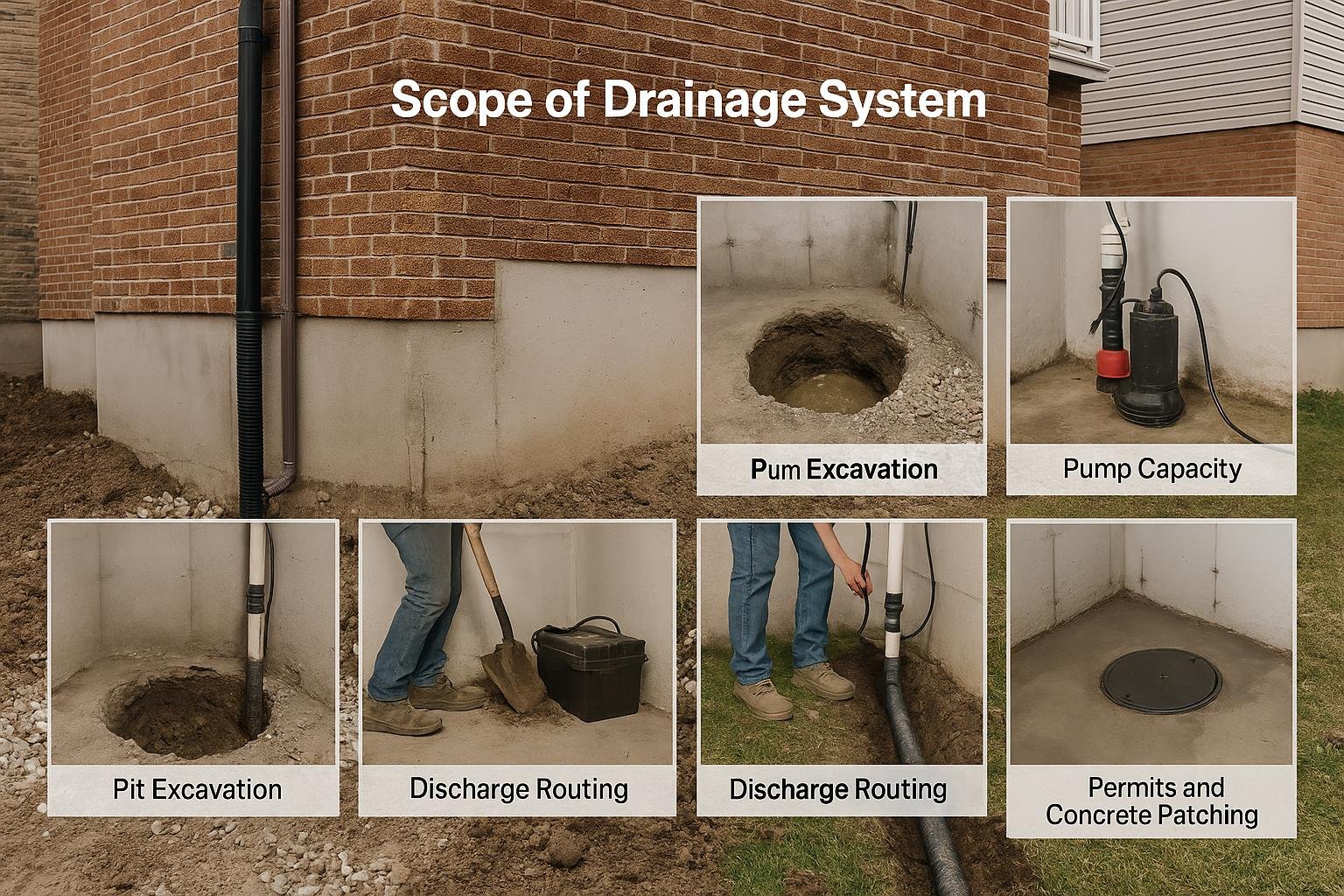
| Scope of drainage system | Pit-and-pump only vs. full interior weeping tile perimeter | Highest |
| Pit excavation conditions | Clay soil requires more effort; existing concrete thickness affects cutting time | High |
| Pump capacity and brand | Higher horsepower and cast-iron construction cost more; appropriate sizing matters | Moderate |
| Backup system type | Battery backup adds cost; water-powered backup requires plumbing work | Moderate |
| Discharge line routing | Longer runs, penetrations through finished walls or frost-depth burial add labour | Moderate |
| Permit and inspection fees | Township of Tay may require a building permit for structural floor work; confirm before starting | Low to moderate |
| Concrete patching and restoration | Floor cutting for weeping tile requires patching; finished basement areas increase restoration cost | Low to moderate |
A simple pump replacement in an existing pit is the shortest job, often completable in a few hours. A full interior weeping tile installation with a new pit in a Tay Township home typically takes one to two days depending on basement perimeter length and access. Exterior drainage work adds additional time and is weather-dependent. For a broader sense of Ontario waterproofing cost ranges, the basement waterproofing cost calculator provides a starting reference, though Tay-specific pricing requires a site visit.
Risks & common mistakes
Understanding what can go wrong helps homeowners avoid the most common and costly errors in sump pump installation and maintenance.
Undersizing the pump. A pump rated for a modest flow rate may run continuously and burn out during a major Tay Township melt event. Pump sizing should be based on the expected inflow rate for the site, not on the smallest unit that fits the pit. A contractor who does not assess soil conditions and water table depth before specifying a pump is a red flag.
No backup system. The highest-risk weather events in Tay, heavy spring rain and rapid snowmelt, are also the events most likely to cause power outages. A primary pump without a backup is a single point of failure. See what to do when a sump pump fails and the basement floods for immediate steps if this happens.
Discharge line too short or poorly routed. Discharge water must exit well away from the foundation and drain away from the house. A short discharge line that terminates near the foundation wall simply recirculates water back into the pit. The line must also be protected from freezing; a discharge line that freezes in a Tay winter can back up and flood the basement even while the pump is running.
Ignoring the source of water entry. A sump pump manages water that has already entered the drainage plane. If foundation cracks are allowing water to enter under pressure, the pump will run constantly without addressing the structural issue. Crack injection or exterior waterproofing may be needed alongside the drainage system. Review how to stop water seeping through foundation walls for context.
Skipping maintenance. A pump that has not been tested or cleaned can fail silently. Float switches jam with sediment; check valves stick; battery backups lose charge without cycling. Annual testing is the minimum; see the sump pump maintenance guide for a full checklist.
Improper pit placement. The pit must be at the lowest point of the basement and positioned to receive water from the interior drainage system. A pit placed in a corner that is not the natural low point will not collect water efficiently.
How the process works
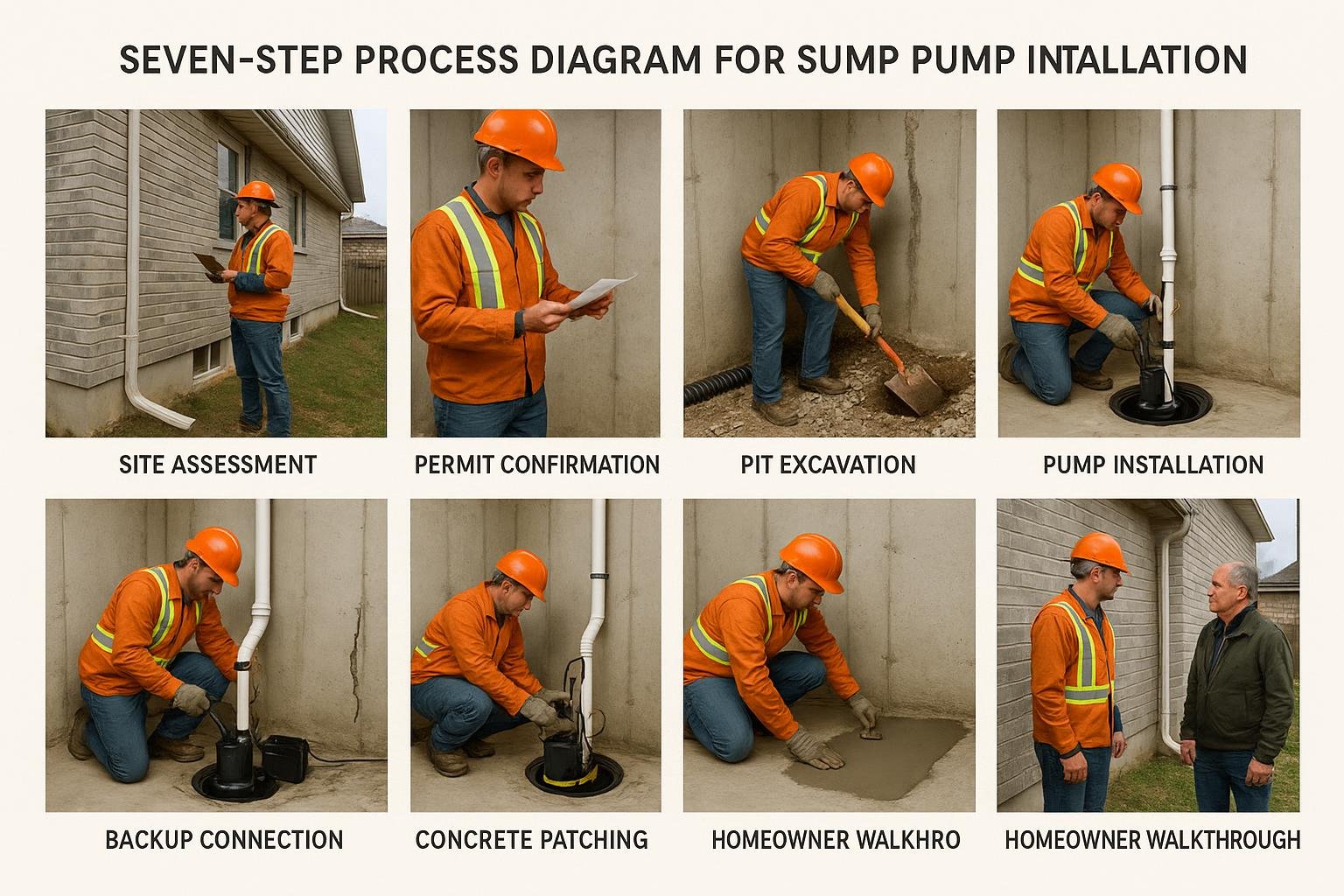
- Site assessment. A waterproofing professional inspects the basement, identifies water entry points, assesses soil conditions and water table indicators (staining, efflorescence, crack patterns), and determines the appropriate system scope. This step drives all subsequent decisions.
- Permit confirmation. The contractor or homeowner confirms whether the Township of Tay requires a building permit for the planned scope of work. Structural floor cutting and drainage system installation may trigger permit requirements under the Ontario Building Code.
- Pit excavation and basin installation. The concrete floor is cut and the pit is excavated to the required depth. A perforated basin liner is set in gravel to allow groundwater to enter freely. If an interior weeping tile system is included, the perimeter trench is cut and drain channel is installed at this stage.
- Pump and discharge line installation. The pump is set in the basin, the float switch is positioned at the correct activation height, and the discharge line is run to a safe exterior outlet at least 2 metres from the foundation (local requirements may specify a greater distance).
- Backup system connection. The battery backup or water-powered backup is installed, wired or plumbed, and tested independently of the primary pump to confirm it activates correctly on loss of primary power.
- Concrete patching and cleanup. The floor trench and pit surround are patched with concrete. The work area is cleaned and the system is tested with water to confirm proper activation, discharge and check valve function.
- Homeowner walkthrough. The installer explains the activation water level, how to test the float switch manually, maintenance intervals and what to do if the alarm activates. Written documentation of the system installed should be provided.
Frequently asked questions
Do I need a permit to install a sump pump in Tay Township?
Permit requirements depend on the scope of work. A simple pump replacement in an existing pit is generally low-risk from a permit standpoint, but cutting the concrete floor to install a new pit or interior weeping tile system may require a building permit from the Township of Tay under the Ontario Building Code. Confirm with the Township’s building department before work begins, as requirements can change and this guide cannot guarantee current local rules.
How do I know if I need a full interior drainage system or just a pump?
If water enters only through the pit area during extreme events and the rest of the basement floor and walls stay dry, a pit-and-pump installation may be sufficient. If water seeps along the base of the walls, through the cove joint or through multiple floor cracks, an interior weeping tile system that channels that water to the pit is the more appropriate solution. A site assessment by a waterproofing professional is the reliable way to determine scope.
Why does my sump pump keep running even when it has not rained?
Continuous running usually means the water table around the foundation is consistently above the pit’s activation level, the discharge line is recirculating water back toward the foundation, or the check valve has failed and water is draining back into the pit between cycles. The sump pump keeps running guide covers each cause and the appropriate fix.
Is a battery backup really necessary in Tay Township?
It is strongly advisable. The spring melt period, when hydrostatic pressure is highest and the risk of basement flooding is greatest, coincides with the weather conditions most likely to cause power outages in the Georgian Bay region. A primary pump that loses power during a major melt event provides no protection. Battery backup is the most practical insurance against this scenario for most Tay homes.
Where should the sump pump discharge?
Discharge must terminate well away from the foundation, directed toward a natural drainage area, a municipal storm sewer connection (where permitted by local bylaw) or a dry well. It must not discharge onto a neighbouring property or into a sanitary sewer. The outlet should be protected with a rodent guard and the line should be buried below frost depth or insulated where it passes through unheated areas to prevent freezing in Tay’s winters.
How long does a sump pump last?
Submersible pumps typically last 7 to 15 years under normal residential conditions. Run cycle frequency, water quality (sediment content) and whether the pump is appropriately sized for the site all affect lifespan. A pump that runs continuously during every rain event will wear out faster than one that cycles briefly. Annual maintenance and testing extend service life; the sump pump replacement guide covers the signs that a unit is nearing end of life.
Can a sump pump fix a leaking foundation crack?
No. A sump pump lowers the water level in the pit and manages water that reaches the drainage plane, but it does not seal a crack in the foundation wall. An active crack under hydrostatic pressure will continue to allow water entry regardless of how well the pump performs. Crack injection addresses the source; the pump manages residual groundwater. Both may be needed on the same property.
What happens to the sump pump system in winter?
The pump itself operates year-round as long as the pit receives water. The main winter risk is the discharge line freezing. If the line freezes, water backs up into the pit and can overflow into the basement even while the pump is running. Burying the discharge line below frost depth, using a freeze-resistant outlet fitting and ensuring the line has adequate slope to drain between cycles all reduce this risk. For seasonal cottage properties in Tay that are closed in winter, the system should be winterized according to the property’s heating and occupancy plan.
What is the difference between a submersible and a pedestal sump pump?
A submersible pump sits fully inside the pit with a sealed motor, making it quieter and capable of higher flow rates. A pedestal pump mounts the motor above the pit on a column, making the motor easier to inspect but producing more noise and generally offering lower flow capacity. Submersible units are the more common choice for finished residential basements in Tay Township.
If you are assessing a property before purchase and are unsure whether the existing sump system is adequate, the wet basement pre-purchase checklist provides a structured inspection framework.
DryShield has 25+ years of experience serving Simcoe County homeowners, including communities throughout Tay Township. If you are ready to assess your basement’s drainage needs or want a professional opinion on whether your current sump system is adequate for your site, contact the DryShield team to arrange a site visit. You can also explore the full range of sump pump installation services or use the basement leak diagnostic tool to identify your specific problem before calling.