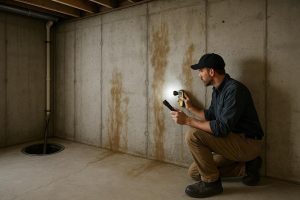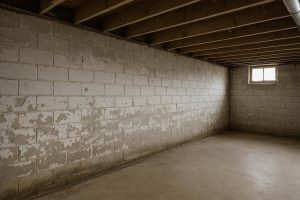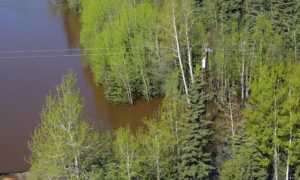
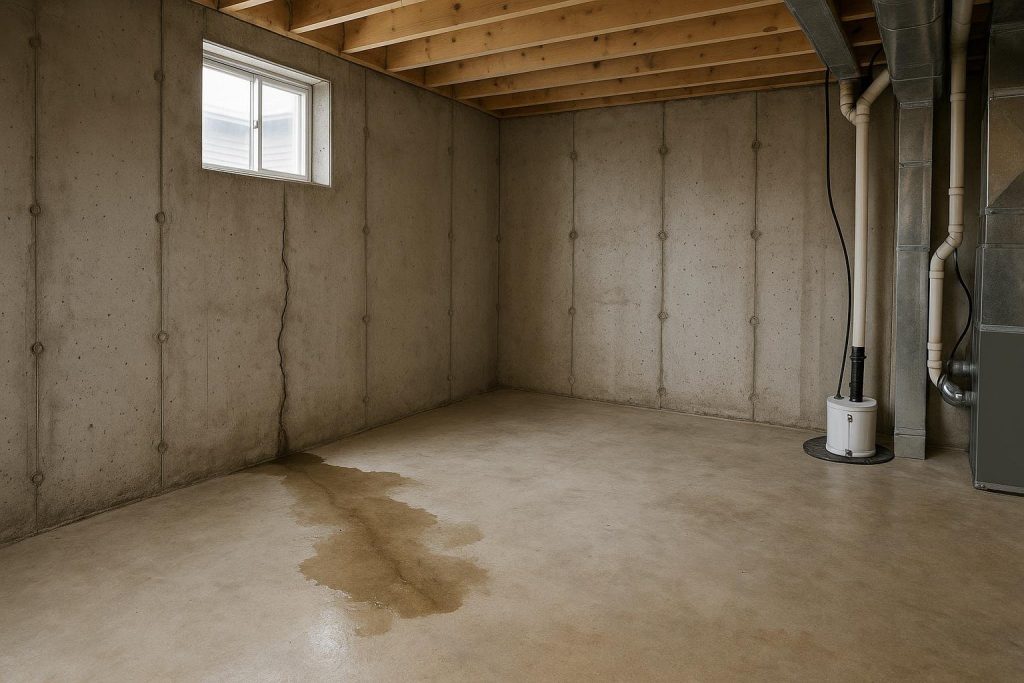
Basement flooding in Tay Township is most often caused by a combination of seasonal hydrostatic pressure, aging weeping tile, and the clay-rich glacial soils that dominate much of Simcoe County. Understanding why water enters your basement and which repair method matches your specific situation is the fastest path to a permanently dry foundation. This guide walks through every option available to Tay homeowners, from crack injection to full exterior waterproofing, so you can make an informed decision before calling a contractor.
- Tay Township sits on Georgian Bay’s southeastern shore; proximity to the bay and low-lying terrain near the Wye River and Sturgeon Bay elevates seasonal water tables after snowmelt and heavy rain.
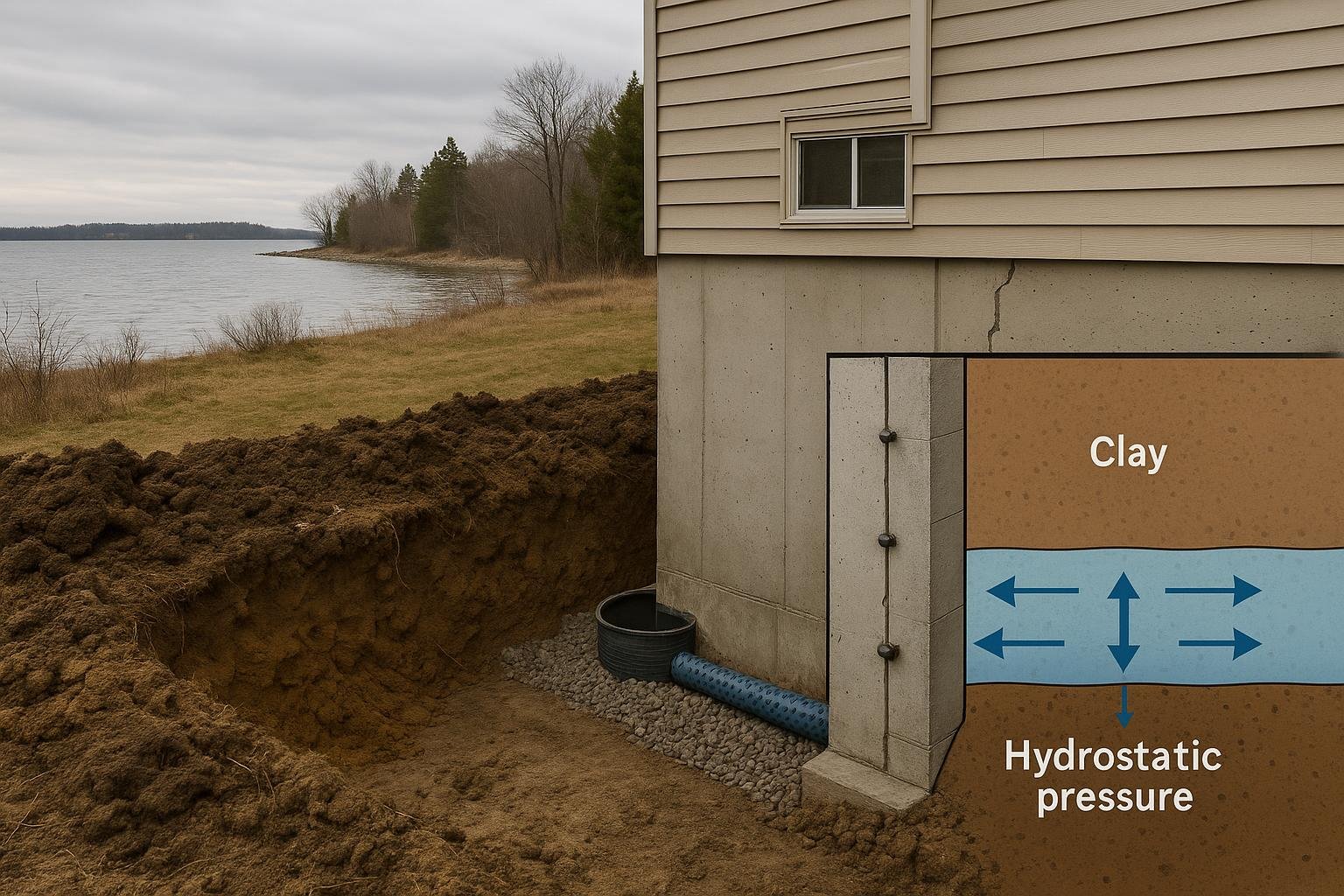
- Glacial till and clay soils common in the area hold moisture and transmit hydrostatic pressure directly against foundation walls.
- Most basement flooding has a diagnosable source: wall cracks, failed weeping tile, cove joint seepage, or surface drainage problems.
- The right repair depends on the entry point, soil conditions, budget and whether the home is a year-round residence or a seasonal cottage.
- Delaying repairs typically increases scope and cost as water damage compounds over time.
Definitions & scope
Basement flooding in Tay refers to any unwanted water entry into a below-grade living or storage space, ranging from a damp floor after heavy rain to several inches of standing water following spring snowmelt. The term covers seepage through foundation wall cracks, water rising through the floor-wall joint (the cove joint), backflow through floor drains, and surface water that overwhelms grading or window wells.
Tay Township includes communities such as Victoria Harbour, Port McNicoll, Waubaushene, Coldwater and Waverley. Homes across these communities vary widely in age and construction type: older cottages and seasonal properties near Georgian Bay may have stone or block foundations, while newer subdivisions typically feature poured concrete. Each foundation type has distinct failure modes and repair requirements. This guide addresses both year-round homes and seasonal properties, since Tay’s cottage-country character means many basements sit unmonitored through winter, making spring flooding a recurring concern.
Why this matters
Georgian Bay’s shoreline and the low-lying land along the Wye River and Sturgeon Bay create conditions where the water table rises quickly during spring snowmelt and after sustained rainfall. Tay Township receives significant annual snowfall, and the freeze-thaw cycling that begins as early as February and continues into April subjects foundation walls to repeated stress. Each freeze-thaw event can widen existing hairline cracks, and the saturated clay soil that surrounds many foundations transmits that pressure directly to the concrete.
Seasonal and semi-seasonal properties face an additional risk: when a cottage or secondary home is closed for winter, a sump pump failure or a crack that opens under frost pressure can go undetected for months. By the time the homeowner arrives in spring, significant water damage, mold growth and structural deterioration may already be present. Even year-round Tay residents can find that a single heavy rainfall event overwhelms drainage systems that were adequate in drier years.
Beyond the immediate inconvenience, persistent moisture accelerates mold growth, degrades insulation, corrodes steel reinforcement in poured walls and can compromise the structural integrity of the foundation over time. Addressing the root cause rather than symptoms is the only approach that prevents recurring damage. See our related guide on Basement Flooding in Penetanguishene for context on similar conditions in neighbouring communities.
Your options
Polyurethane crack injection
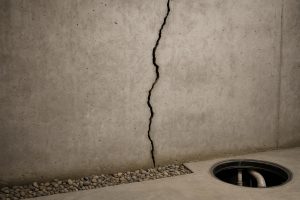
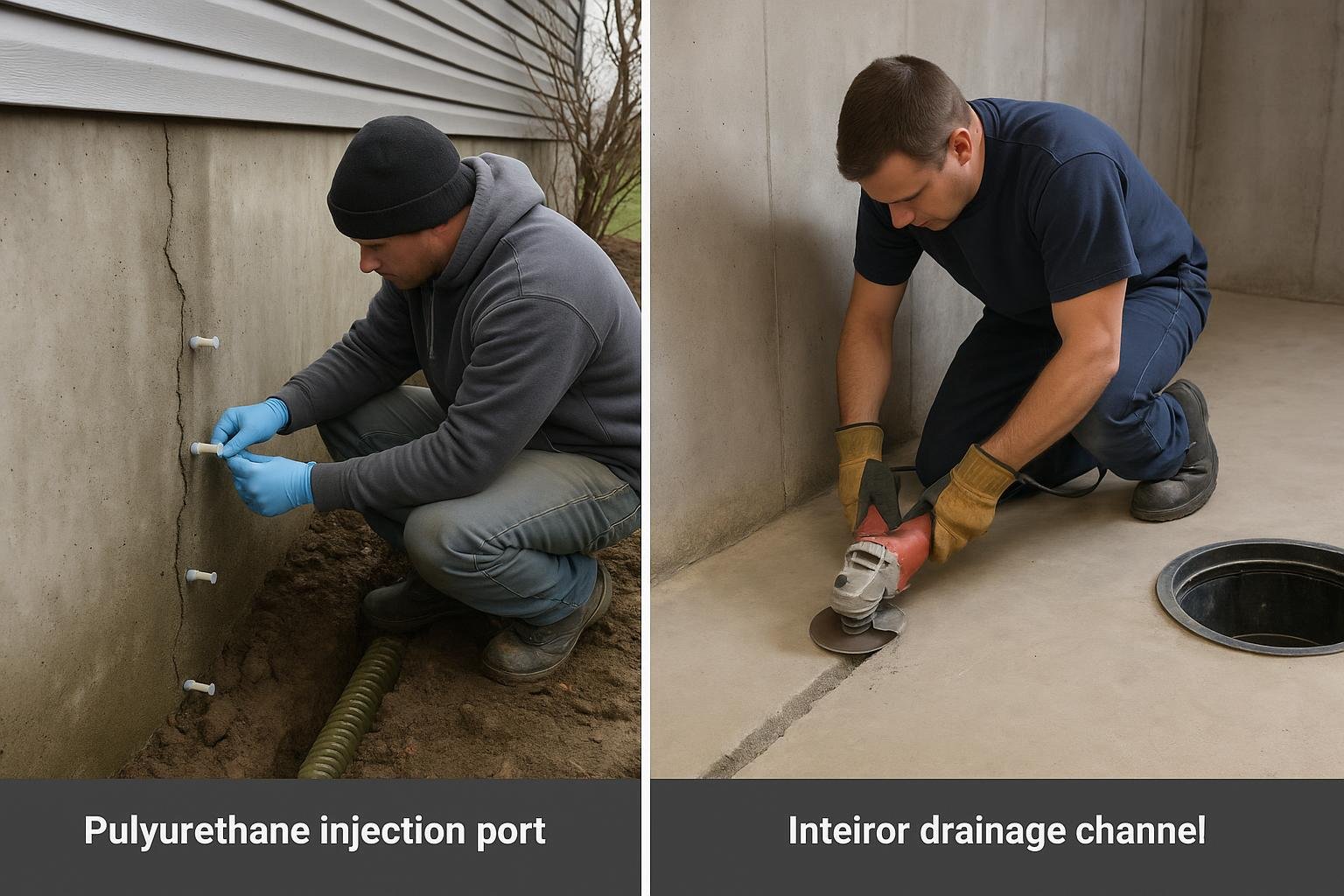
Polyurethane crack injection is a minimally invasive repair for active leaks through poured concrete foundation walls. A low-viscosity expanding polyurethane resin is injected under pressure through ports drilled or surface-mounted along the crack. The foam expands to fill the full depth of the crack and cures into a flexible, waterproof seal that can accommodate minor future movement.
Best for: Single vertical or diagonal shrinkage cracks in poured concrete walls that are actively leaking or have a history of seasonal seepage. Particularly well-suited to Tay cottages where excavation is impractical.
Limitations: Not appropriate for horizontal cracks, which may indicate lateral soil pressure requiring structural assessment. Does not address failed weeping tile or high water tables. Block or stone foundations require a different approach. Learn more at Polyurethane Crack Injection.
Interior drainage system (interior weeping tile)
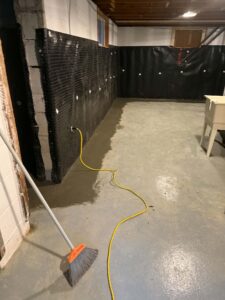
An interior drainage system involves cutting a channel around the perimeter of the basement floor, installing a perforated drain pipe in a gravel bed, and directing collected water to a sump pit. A sump pump then expels the water away from the foundation. This method manages water that has already entered the wall or floor-wall joint rather than stopping it at the exterior.
Best for: Homes with chronic perimeter seepage, cove joint leaks, or multiple entry points where exterior excavation is cost-prohibitive. Effective in Tay homes with high seasonal water tables where the source cannot be isolated to a single crack.
Limitations: Does not stop water from contacting the foundation wall; it intercepts and redirects it. Requires a functioning sump pump with a reliable power source or battery backup, which is especially important for seasonal properties. See Sump Pump Installation in Ramara for a comparable regional example.
Sump pump installation or replacement
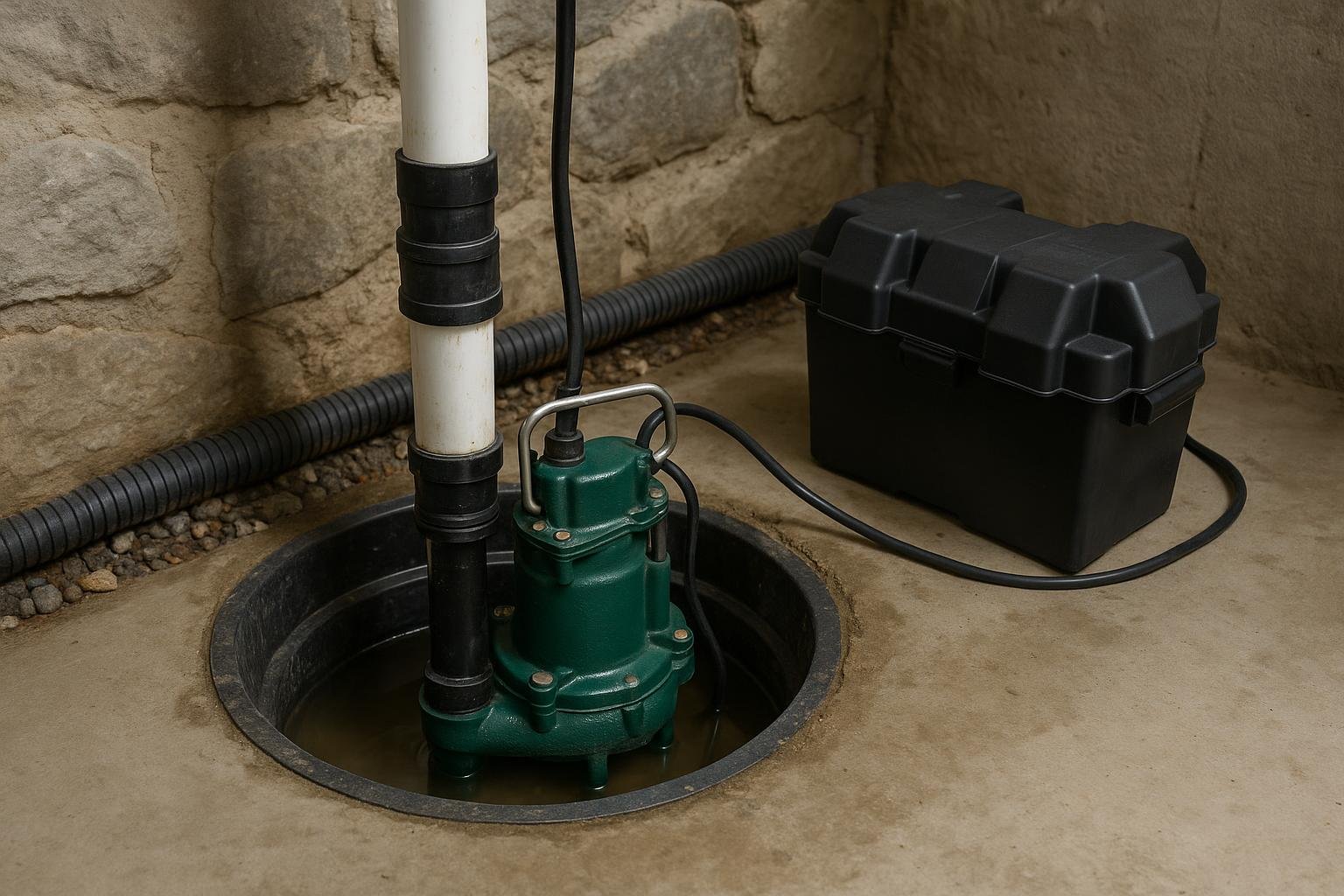
A sump pump is the active component of any interior drainage system and can also serve as a standalone safeguard in basements that collect groundwater. The pump sits in a pit below the basement floor and activates when water reaches a set level, discharging it through a pipe to daylight away from the foundation.
Best for: Any Tay home with an interior drainage system, and as a critical addition to seasonal properties where undetected flooding is a risk. Battery backup units are strongly recommended where power outages coincide with storms.
Limitations: A sump pump is a mechanical device with a finite service life. It does not address the source of water entry and will fail if power is lost without a backup. Regular maintenance is essential. See Sump Pump Replacement: The Complete Homeowner’s Guide and Sump Pumps for Seasonal and Unoccupied Cottages.
Exterior waterproofing
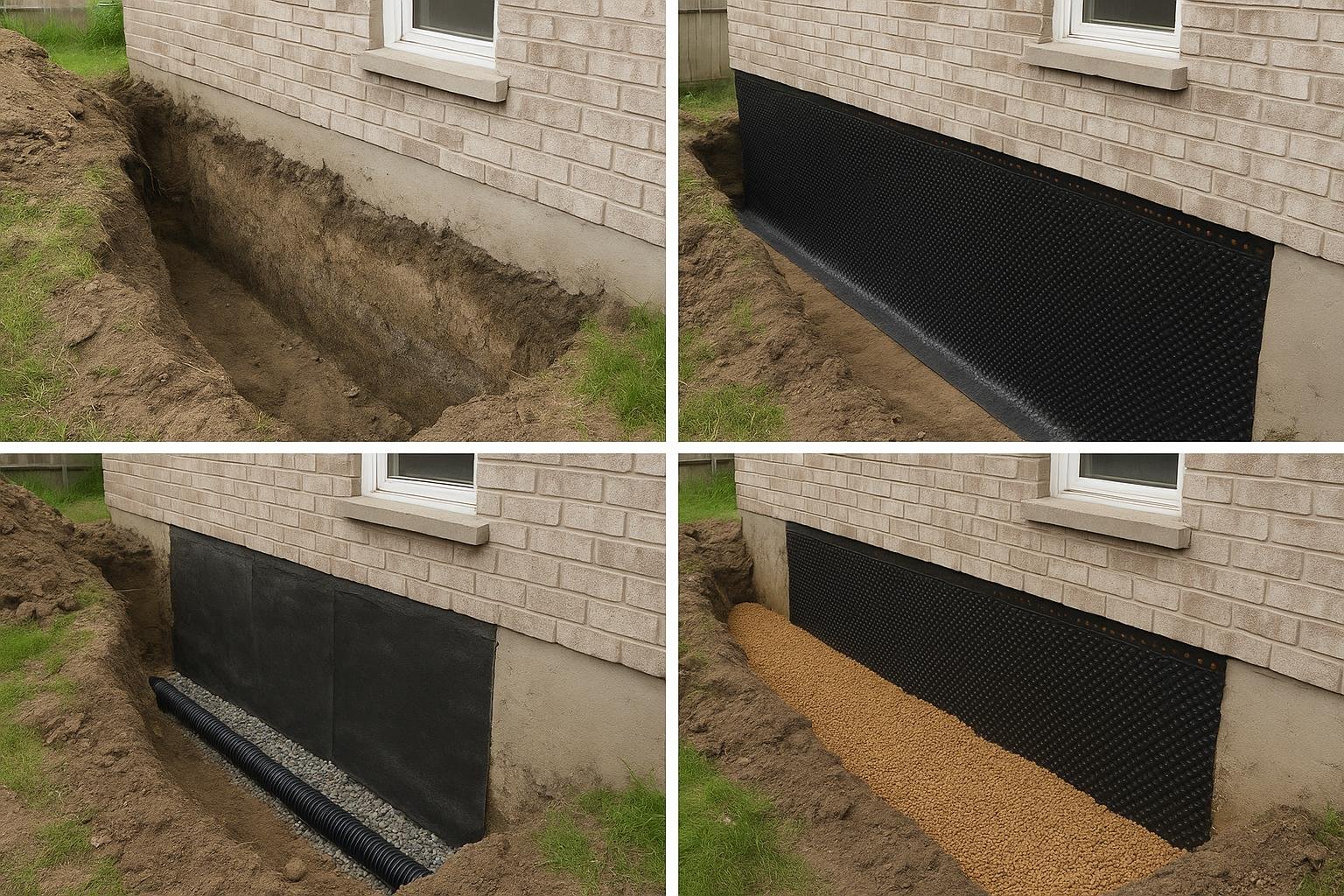
Exterior waterproofing is the most comprehensive approach. It involves excavating the soil around the foundation down to the footing, cleaning and repairing the wall surface, applying a waterproof membrane and drainage board, installing new weeping tile at the footing level, and backfilling with clean granular material. This method addresses the source of water entry before it reaches the wall.
Best for: Foundations with multiple cracks, severely deteriorated or absent original weeping tile, or where interior methods have been tried and failed. Provides the longest-lasting protection when done correctly.
Limitations: Requires excavation, which is disruptive, more time-consuming and more costly than interior methods. Access may be restricted by decks, landscaping, driveways or proximity to neighbouring structures. See Stop Foundation Leaks Permanently with Exterior Waterproofing.
Weeping tile repair or replacement
Original weeping tile installed around Tay foundations built before the 1990s was often clay or concrete pipe that has since collapsed, silted up or been displaced by root intrusion. Replacing failed weeping tile, either from the exterior during excavation or via an interior system, restores the drainage pathway that keeps hydrostatic pressure from building against the wall.
Best for: Homes where perimeter seepage is diffuse rather than concentrated at a single crack, and where camera inspection or excavation confirms the original drainage has failed.
Limitations: Exterior replacement is the most thorough but also the most disruptive option. Interior weeping tile replacement manages water after it enters the wall cavity rather than preventing contact. See Weeping Tile Installation and Replacement.
Surface drainage and grading corrections
Sometimes basement flooding in Tay is caused or worsened by surface water that pools against the foundation because the grade slopes toward the house, downspouts discharge too close to the wall, or window wells lack adequate drainage. Correcting these issues is low-cost and can meaningfully reduce water entry, particularly for homes on flat or low-lying lots near the bay.
Best for: Homes where flooding correlates directly with rainfall rather than groundwater rise, and where inspection confirms poor grading or inadequate surface drainage.
Limitations: Grading corrections alone will not resolve flooding caused by a high water table, failed weeping tile or foundation cracks. They are most effective as a complement to other repairs.
Options compared
| Method | Best for | Typical considerations | Durability / limitations |
|---|---|---|---|
| Polyurethane crack injection | Single active crack in poured concrete | Minimal disruption; interior access only | Long-lasting if crack is stable; may reopen if wall moves significantly |
| Interior drainage system | Chronic perimeter seepage, multiple entry points | Requires sump pump; some floor disruption | Manages water indefinitely with pump maintenance; does not stop wall contact |
| Sump pump (standalone or with system) | Active water collection; seasonal properties | Mechanical; needs power or battery backup | Effective while operational; finite service life (typically 7-10 years) |
| Exterior waterproofing | Multiple cracks, failed weeping tile, persistent flooding | Excavation required; higher cost and time | Most durable solution; addresses source directly |
| Weeping tile replacement | Failed or absent perimeter drainage | Often combined with exterior waterproofing | Restores original drainage design; exterior preferred for longevity |
| Surface drainage / grading | Rain-correlated flooding, poor lot drainage | Low cost; minimal disruption | Effective for surface water only; does not address groundwater |
No single method suits every Tay home. Crack injection is the right first step when a single identifiable crack is the source. Interior drainage systems make sense when the entry point is diffuse or excavation is impractical. Exterior waterproofing offers the most durable outcome for foundations with multiple problems or where interior methods have already been attempted. Surface drainage corrections should be evaluated alongside any other repair, since they reduce the volume of water reaching the foundation and improve the performance of every other method.
How to choose
Use the following framework to narrow down the right approach for your Tay property.
Choose polyurethane crack injection if you can identify a single vertical or diagonal crack in a poured concrete wall that leaks during or after rain or snowmelt, the crack has not widened significantly over time, and the rest of the foundation appears sound. This is also the preferred starting point for seasonal cottage owners who need a cost-effective, minimally disruptive repair before closing for winter.
Choose an interior drainage system if water enters along the full perimeter at the floor-wall joint, seeps through multiple locations, or if the source cannot be isolated to a single crack. This method is also appropriate when exterior excavation is blocked by a deck, patio, driveway or neighbouring structure.
Choose exterior waterproofing if you have tried interior repairs that have not held, if a camera inspection confirms failed weeping tile, if the foundation has multiple cracks or if you want the most permanent solution available. It is the preferred approach for homes being prepared for sale or major renovation, since it addresses the root cause rather than managing symptoms.
Choose sump pump installation or upgrade if you already have or are installing an interior drainage system, or if your seasonal property currently has no active water removal. A battery backup unit is strongly recommended for any Tay cottage that is unoccupied during storm season.
Choose grading and surface drainage corrections if flooding clearly correlates with rainfall events and a site inspection confirms that water is pooling against the foundation from the surface. This should be evaluated as a complement to, not a replacement for, structural repairs.
If you are unsure of the entry point, a professional diagnostic inspection is the most reliable next step. See Waterproofing vs Foundation Repair: Which Does Your Basement Actually Need? for additional guidance.
Costs & timelines
No verified local price data for Tay Township has been supplied to this guide, and publishing unverified price ranges risks misleading homeowners. The following describes the cost drivers that determine what any repair will cost, ranked from most to least influential.
| Cost driver | Why it matters | Typical effect on scope |
|---|---|---|
| Method selected | Exterior excavation is significantly more labour-intensive than interior work | Largest single variable |
| Linear footage of affected wall | Interior drainage and exterior membrane cost scales with perimeter length | High |
| Foundation type and condition | Block and stone foundations require more preparation than poured concrete | Moderate to high |
| Excavation access | Decks, landscaping, driveways and proximity to lot lines increase excavation cost | Moderate |
| Sump pit and pump requirements | New pit installation adds cost; battery backup adds further | Moderate |
| Seasonal timing and travel | Tay’s distance from major urban centres may affect contractor availability and mobilization cost | Low to moderate |
For a general sense of how Ontario waterproofing costs are structured, see Basement Waterproofing Cost in Southern Ontario. A site-specific quote from a qualified contractor is the only reliable way to establish actual cost for your Tay property.
Risks & common mistakes
Treating symptoms rather than causes. Applying hydraulic cement or waterproof paint over a leaking crack addresses the visible symptom but does not stop water from contacting the wall. These products can delay a proper repair while allowing moisture to continue saturating the surrounding concrete.
Ignoring horizontal cracks. Horizontal cracks in a basement wall are a different category of problem from vertical shrinkage cracks. They can indicate lateral soil pressure and may require structural assessment before any waterproofing work begins. See Is My Foundation Crack Serious? for guidance on reading crack patterns.
Relying on a sump pump without a backup. Power outages in Tay during spring storms are not uncommon, and a sump pump that fails during a high-water event can allow significant flooding in a short time. Battery backup or water-powered backup systems are a meaningful safeguard, especially for seasonal properties.
Skipping the diagnostic step. Installing an interior drainage system without identifying the entry point can result in a repair that manages water but misses a structural crack that continues to widen. A proper inspection should precede any significant investment.
Neglecting surface drainage after interior repairs. Even a well-installed interior system will work harder than necessary if downspouts discharge against the foundation or if grading directs surface water toward the house. Correcting these issues costs relatively little and reduces the load on any drainage system.
Delaying action on a seasonal property. Tay cottage owners who notice a damp basement in the fall and plan to address it next spring risk arriving to a flooded, mold-affected space. A crack that admits a trickle in October can admit significantly more water after a winter of freeze-thaw cycling. See Arrived at the Cottage to a Flooded Basement? for immediate steps.
How the process works
- Initial inspection and diagnosis. A technician examines the foundation interior and exterior, identifies entry points, assesses crack types, checks the existing sump pit and weeping tile condition, and reviews surface drainage. This step determines which method or combination of methods is appropriate.
- Scope and proposal. Based on the inspection findings, a written scope of work is prepared. For crack injection, this may be a single-day job. For exterior waterproofing, it includes excavation planning, permit requirements if applicable under the Ontario Building Code, and a timeline.
- Site preparation. Interior work requires clearing the affected wall area and protecting finished surfaces. Exterior work requires marking utilities, arranging excavation equipment and managing spoil material.
- Repair execution. The selected method is carried out: ports are installed and resin injected for crack repair; drainage channel is cut, pipe installed and pit prepared for interior systems; excavation, membrane application and weeping tile installation for exterior work.
- Sump pump installation or testing. Where a sump pit is part of the scope, the pump is installed, tested and the discharge line is confirmed to terminate at a safe distance from the foundation.
- Backfill, restoration and cleanup. Exterior excavations are backfilled with granular material and graded away from the foundation. Interior concrete is patched. The site is cleaned and restored as closely as practical to its pre-work condition.
- Final walkthrough and warranty documentation. The completed work is reviewed with the homeowner, care instructions are provided, and warranty documentation is issued. DryShield offers a Lifetime Transferable Warranty on qualifying work.
Frequently asked questions
Why does my Tay basement flood in spring but stay dry the rest of the year?
Spring snowmelt saturates the soil rapidly, raising the local water table and building hydrostatic pressure against foundation walls before surface drainage can carry the water away. Tay’s proximity to Georgian Bay and the low-lying terrain near the Wye River means this seasonal pressure spike can be pronounced. Foundations with hairline cracks or aging weeping tile that are adequate under normal conditions can be overwhelmed during the spring freshet. Addressing the drainage system before the next melt season is the most effective preventive step.
Is crack injection a permanent fix or a temporary patch?
Polyurethane crack injection, when properly performed on a stable crack in poured concrete, is a durable repair that fills the full depth of the crack with a flexible, waterproof material. It is not a surface patch. However, if the underlying cause of the crack, such as ongoing settlement or significant lateral pressure, continues to stress the wall, the crack may reopen or a new one may form nearby. A thorough inspection before injection helps identify whether the crack is stable or active. See Does Crack Injection Work? for a detailed explanation.
My Tay cottage is seasonal. Do I need a battery backup sump pump?
For any property that is unoccupied for extended periods, a battery backup sump pump is strongly recommended. If the primary pump fails during a storm or power outage while the cottage is closed, water can accumulate for days or weeks before anyone notices. Battery backup units activate automatically when the primary pump cannot keep up or loses power. Some homeowners also install cellular-connected water alarms that send a notification when water is detected. See Sump Pumps for Seasonal and Unoccupied Cottages for a full breakdown of options.
How do I know if my weeping tile has failed?
Signs of failed weeping tile include diffuse perimeter seepage along the floor-wall joint rather than a concentrated leak at a crack, persistent dampness even when no cracks are visible, and a sump pump that runs frequently during wet periods. A camera inspection of the weeping tile, where accessible, can confirm whether the pipe has collapsed, silted up or been displaced. Homes in Tay built before the late 1980s with original clay or concrete tile are at higher risk of failure than those with more recent plastic pipe systems.
Can I fix a leaking basement wall crack myself?
DIY crack injection kits are available for surface-mounted polyurethane injection and can be appropriate for small, stable, non-structural cracks. However, achieving full-depth penetration and a reliable seal requires proper port spacing, correct resin selection and adequate injection pressure. Improper application can seal the surface while leaving the interior of the crack open to water. For cracks that are actively leaking, widening, or located in a seasonal property where a failed repair would go undetected, professional injection is the more reliable choice. See DIY Foundation Crack Repair Kit vs Professional Crack Injection.
Does homeowner’s insurance cover basement flooding in Tay?
Standard Ontario homeowner’s insurance policies typically exclude damage caused by groundwater seepage or gradual water infiltration. Overland water coverage and sewer backup coverage are available as endorsements from many insurers and may cover certain flooding events. Policy terms vary significantly between providers, and coverage for foundation repairs is generally excluded regardless of the cause. Reviewing your specific policy with your insurer before a flooding event occurs is the most reliable way to understand your coverage. See Does Home Insurance Cover Basement Waterproofing and Foundation Cracks in Ontario? for a general overview.
How long does exterior waterproofing take for a typical Tay home?
The duration depends on the perimeter length being excavated, site access conditions, foundation type and weather. For a typical residential foundation with reasonable access, exterior waterproofing of one or two walls is commonly completed within two to four days of active work, not counting mobilization and backfill restoration. Larger perimeters, difficult access or unexpected foundation conditions can extend the timeline. Your contractor should provide a project-specific schedule as part of the written proposal.
What is the cove joint and why does it leak?
The cove joint is the junction where the basement floor meets the foundation wall. It is not a bonded joint; the floor slab is poured separately from the wall and simply rests against it. When hydrostatic pressure builds in the surrounding soil, water follows the path of least resistance through this gap. Cove joint leaks appear as water seeping along the base of the wall and are a common symptom of a high water table or failed perimeter drainage rather than a crack in the wall itself. An interior drainage system installed at the footing level is the standard repair. See Cove Joint Leak for more detail.
Should I waterproof before finishing my Tay basement?
Yes. Any history of moisture, seepage or flooding should be fully investigated and repaired before installing insulation, framing, drywall or flooring in a basement. Finishing over an unresolved water problem traps moisture, accelerates mold growth and can result in the complete loss of the finished space. The cost of redoing a finished basement after a flood is typically far greater than the cost of waterproofing before finishing. See Basement Crack Repair Before Finishing Your Basement.
If your Tay home or cottage has shown any signs of water entry, the DryShield team serves Simcoe County and the surrounding region and can provide a professional inspection to identify the source and recommend the right solution. Visit our Simcoe County basement waterproofing guide for a broader look at regional conditions, or contact us to arrange a site visit.